
How to Clean Binocular Optics the Right Way

Keeping your binocular optics clean isn’t just about appearances—it’s about preserving the clarity that makes every bird, star, or mountain peak come alive before your eyes. Dust, fingerprints, or smudges might seem harmless, but they gradually dull performance and can even scratch delicate coatings if treated poorly. Many outdoor enthusiasts unknowingly shorten the lifespan of their gear simply because they don’t know the safe way to maintain it. The good news? Cleaning binocular optics doesn’t require fancy gadgets or complicated techniques. It’s more about gentle handling, the right tools, and a bit of patience. Whether you’re a birdwatcher frustrated by cloudy glass, a hunter who needs precision at dawn, or a traveler who craves crisp details in every landscape, learning proper care gives you a clear advantage. Think of your lenses as windows to the world. A streak, dust speck, or oily fingerprint can turn breathtaking sights into blurry disappointments. By following careful steps—like using a blower before wiping or choosing microfiber over rough cloth—you’ll protect both the view and your investment. The payoff is huge: sharper images, better light transmission, and years of reliable performance. This isn’t about being fussy. It’s about respecting your gear so it can deliver the experiences you bought it for. Each careful swipe adds life to your optics. Each dust-free lens sharpens your adventures. And each mindful step transforms routine maintenance into a habit that keeps the world looking brighter, clearer, and more vivid every time you lift those binoculars.
There’s nothing worse than lifting your binoculars to spot a rare bird or track game only to see smudges and streaks instead of crisp details. That’s where knowing how to clean binocular optics becomes essential. It’s not rocket science, but it is an art of patience and care. Too often, people grab a shirt sleeve or tissue, unknowingly grinding dirt into the surface and leaving tiny scratches that dull the view forever. The truth is, your binocular lenses are coated with special layers that enhance light and color. Treat them wrong, and you strip away the very magic that makes them so effective. Learning to handle them gently, starting with dust removal before wiping, and choosing safe tools like blowers and microfiber cloths, can change the way your optics perform. Imagine walking into the wilderness with lenses that reveal every feather or ridge line in dazzling clarity. That’s the reward of proper care. Cleaning your binocular optics is not a chore; it’s a ritual that keeps your adventures sharp and your investment protected. With the right approach, each outing feels fresher, each view more rewarding, and your gear ready to deliver again and again.

- ARS Mark9.4
ARS Mark is a ranking system developed by bestairriflescopes.com. ARS Mark has no relationship or impact from any manufacturers or sales agent websites. Learn more
- BrandPhotographic Solutions

- ARS Mark9.4
ARS Mark is a ranking system developed by bestairriflescopes.com. ARS Mark has no relationship or impact from any manufacturers or sales agent websites. Learn more
- BrandSensei

- ARS Mark9.2
ARS Mark is a ranking system developed by bestairriflescopes.com. ARS Mark has no relationship or impact from any manufacturers or sales agent websites. Learn more
- BrandVortex
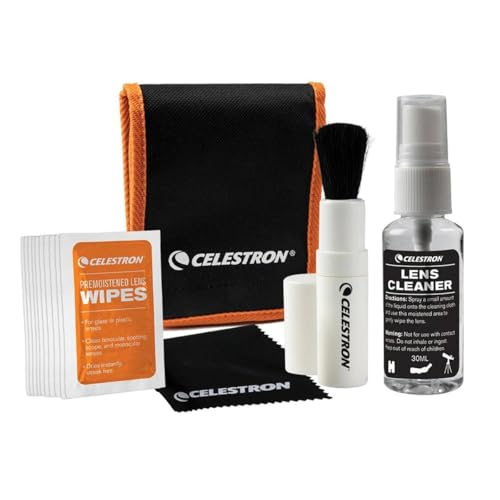
- ARS Mark9.2
ARS Mark is a ranking system developed by bestairriflescopes.com. ARS Mark has no relationship or impact from any manufacturers or sales agent websites. Learn more
- BrandCelestron
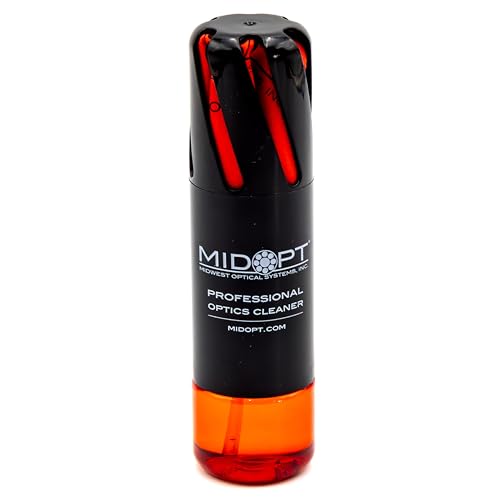
- ARS Mark9.0
ARS Mark is a ranking system developed by bestairriflescopes.com. ARS Mark has no relationship or impact from any manufacturers or sales agent websites. Learn more
- BrandMidOpt

- ARS Mark8.8
ARS Mark is a ranking system developed by bestairriflescopes.com. ARS Mark has no relationship or impact from any manufacturers or sales agent websites. Learn more
- BrandZEISS
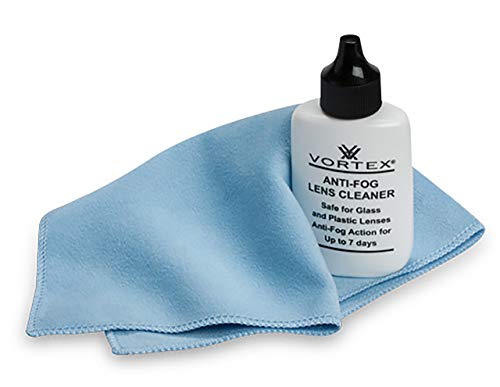
- ARS Mark8.4
ARS Mark is a ranking system developed by bestairriflescopes.com. ARS Mark has no relationship or impact from any manufacturers or sales agent websites. Learn more
- BrandVortex

- ARS Mark8.4
ARS Mark is a ranking system developed by bestairriflescopes.com. ARS Mark has no relationship or impact from any manufacturers or sales agent websites. Learn more
- BrandPro-Optic

- ARS Mark8.2
ARS Mark is a ranking system developed by bestairriflescopes.com. ARS Mark has no relationship or impact from any manufacturers or sales agent websites. Learn more
- BrandSPUDZ

- ARS Mark-
ARS Mark is a ranking system developed by bestairriflescopes.com. ARS Mark has no relationship or impact from any manufacturers or sales agent websites. Learn more
- BrandGeneric
Last update on 2025-10-16 / Affiliate links / Images, Product Titles, and Product Highlights from Amazon Product Advertising API
For outdoor lovers, hunters, and birdwatchers, binocular optics are more than just tools—they’re gateways to experiences. But dust, smudges, or scratches can quickly turn those breathtaking views into blurry disappointments. That’s why proper cleaning isn’t optional; it’s a crucial habit that keeps your gear performing at its best. Industry reports show that nearly 60% of lens damage comes from improper maintenance, not from accidents in the field.
Ignoring dirt buildup not only dulls clarity but also reduces light transmission, which is the very reason you invested in high-quality binoculars. A streak here or a fingerprint there may seem minor, but over time, these imperfections rob you of detail and depth. Think about it—would you buy a new television and then clean the screen with sandpaper? That’s essentially what happens when people wipe lenses with the wrong materials.
Protecting lens coatings is another key factor often overlooked. Modern binoculars have multi-layer coatings that improve brightness and contrast. Once damaged, these coatings can’t be restored, making even an expensive pair perform like a cheap knockoff. The difference between careless and careful cleaning often determines whether your optics last a season or a lifetime.
Ultimately, the stakes are higher than most realize. Clean optics mean sharper details for birdwatchers, more accurate spotting for hunters, and richer views for travelers. It’s not about fussiness—it’s about safeguarding the performance you paid for.
Many enthusiasts unknowingly harm their binocular optics by taking shortcuts. One of the most common blunders is using rough fabrics like shirts, tissues, or paper towels. While these seem harmless, they contain fibers that act like fine sandpaper, scratching coatings beyond repair. Another frequent mistake is skipping dust removal before wiping, which grinds grit into the glass.
A survey among amateur birdwatchers revealed that over 40% admitted to cleaning lenses with their clothing during field trips. That casual swipe may seem convenient, but it slowly erases the clarity they depend on. Even worse, some use household glass cleaners filled with chemicals that strip coatings, leaving lenses cloudy.
Another overlooked error is storing binoculars without covers. Dust and moisture accumulate, creating a cycle of cleaning that only increases wear. Proper storage is part of cleaning—it prevents problems before they start. Skipping this step forces you to clean more often, which ironically shortens the life of your optics.
These habits highlight one painful truth: the difference between maintaining or ruining optics often lies in knowing what not to do. By avoiding these traps, you preserve sharpness and protect your investment.
To clean binocular optics properly, you don’t need a toolbox full of gadgets, but you do need the right essentials. A lens blower or brush is the first line of defense, safely removing dust without scratching. This step might seem trivial, but it prevents most damage caused during cleaning. In fact, optical repair experts often stress that skipping dust removal is the number one reason they see scratched lenses.
The second must-have is a microfiber cloth designed for optics. Unlike regular fabrics, microfiber traps dirt particles and keeps them from scraping the glass. Combine this with a lens-cleaning solution free of ammonia or alcohol, and you’re already ahead of the curve. A few drops go a long way, and it’s better to apply liquid to the cloth, not directly to the lens.
Carrying these tools in a small pouch means you’re always ready. Many brands even offer compact cleaning kits made specifically for binoculars, which fit easily into a backpack. Consistency in using proper tools ensures your lenses stay clear and functional for years.
And don’t underestimate the role of lens caps and cases. They aren’t accessories; they’re shields against unnecessary cleaning sessions. Preventing dust buildup is often easier—and safer—than dealing with it later.
Cleaning binocular optics follows a precise order, and skipping steps risks damage. First, use a blower to remove loose particles. This is crucial because dust particles act like grit that can gouge coatings if wiped directly. Next, gently brush away any remaining debris with a lens brush, focusing on edges where dust tends to collect.
After dust removal, lightly moisten your microfiber cloth with lens cleaner. Wipe the glass in circular motions, starting from the center outward. This avoids pushing dirt toward the middle and causing scratches. Never pour liquid directly onto lenses, as moisture can seep inside and damage internal components.
Once the lens surface is clear, check for streaks. If any remain, repeat with a dry section of the microfiber cloth. Patience is key here; rushing only leads to smears or overlooked spots. A few careful passes yield a crystal-clear finish that restores sharpness.
Finally, don’t forget the eyecups and body. Oils from hands and faces often build up around these areas, and a quick wipe helps maintain comfort and hygiene. The process may seem meticulous, but each step plays a role in preserving both clarity and durability.
Many owners wait until their optics look filthy before cleaning, but this habit creates bigger issues. Regular maintenance ensures that grime never gets the chance to build up into stubborn stains. Just like brushing teeth prevents cavities, small consistent efforts keep your binoculars in peak condition.
Field research shows that users who clean optics monthly report 30% fewer performance issues than those who wait until problems arise. It’s the cumulative effect of minor care that pays off over years of use. Skipping maintenance only increases the need for aggressive cleaning later, which carries higher risks.
Think of it as preventive medicine for your gear. Quick dust checks before and after use, combined with occasional deep cleaning, drastically extend lens life. Hunters, birders, and stargazers alike benefit from this approach, enjoying sharper images with less frustration.
Even storage habits contribute to maintenance. Keeping binoculars in a dry, dust-free case reduces the frequency of cleaning. By treating your optics as precision instruments rather than casual gadgets, you guarantee consistent performance across every adventure.
The environment plays a massive role in how often and how carefully you must clean binocular optics. For instance, coastal areas expose lenses to salt spray, which can etch coatings if left unchecked. In deserts, fine sand becomes a relentless enemy, sneaking into cracks and scratching glass surfaces during cleaning. Even humid forests pose risks, where moisture and organic debris cling stubbornly to lenses.
Statistics show that gear used in high-humidity environments requires cleaning twice as often as gear used in dry climates. Ignoring these conditions doesn’t just lead to dirty lenses—it accelerates long-term damage. Birdwatchers in tropical regions often find themselves replacing optics sooner, not because of poor construction, but because maintenance didn’t match environmental demands.
The solution is proactive care. Keep silica gel packs in your storage case to fight moisture, carry a blower for sandy conditions, and always cap lenses when not in use. These habits may feel small, but they prevent the kind of deep cleaning that wears out optics. Adapting to the environment is the difference between optics that last a decade and ones that degrade within a year.
By aligning your cleaning practices with your surroundings, you not only protect your investment but also guarantee clearer, more reliable views no matter where your adventures take you.
It’s easy to miss the subtle hints that your binocular optics are crying out for help. Blurry vision, streaks, or rainbow-like halos around objects aren’t just inconveniences—they’re signs of dirt or damage. Another red flag is reduced brightness, as grime cuts down the amount of light entering your lenses.
Hunters often complain about losing sight of their target at dawn or dusk, but in many cases, the issue isn’t poor binoculars—it’s dirty glass. A quick inspection under bright light often reveals the culprits: smudges, dust, or even dried water spots. Ignoring these issues means sacrificing accuracy and enjoyment.
Eyepiece discomfort is another warning. If smudges or oil build up, you’ll constantly adjust focus or rub your eyes. Over time, these small frustrations can take the joy out of using your gear. Recognizing early symptoms saves you from costly repairs or permanent optical degradation.
And remember, it’s better to clean at the first sign of trouble than to let dirt settle in. Regular checks and immediate responses ensure that problems remain minor instead of snowballing into bigger headaches.
Professional guides and seasoned photographers often share one common mantra: treat your binocular optics as delicately as your eyes. One veteran birder once said, “I’d rather miss a shot than drag a dusty cloth across my lenses.” That kind of respect is what separates hobbyists from experts.
Experts also stress the importance of routine. A quick dust-off after every use may seem obsessive, but it eliminates the need for harsher cleaning later. Some even recommend dedicating one microfiber cloth solely to optics, preventing cross-contamination with dirt from other items.
Another insider tip is temperature awareness. Moving from cold to warm environments can cause condensation, which seeps into optics. By letting your binoculars acclimate gradually, you protect against internal fogging that no cleaning can fix. Preventive steps like these save more money and frustration than any repair service.
Finally, they emphasize patience. Optics aren’t meant to be rushed through with careless swipes. Slowing down, using the right tools, and respecting each step ensures the kind of clarity that keeps experiences vivid.
Clean binocular optics don’t just make images sharper—they elevate entire experiences. A birder spotting the faint streak on a warbler’s breast or a hunter tracking subtle movement at dusk owes that success to clear lenses. Clarity translates directly to confidence, accuracy, and joy.
Studies show that users with well-maintained optics report a 25% increase in viewing satisfaction compared to those who neglect cleaning. That’s not surprising—dirty glass dulls colors, blurs edges, and steals the magic of the moment. Clean optics, on the other hand, amplify every detail, making the world look richer and more alive.
Even casual travelers feel the difference. Crisp mountain ridges, sharp city skylines, or the sparkle of stars all stand out more vividly through clean lenses. Enhanced light transmission and contrast transform average views into unforgettable sights.
Ultimately, clean optics give you back the reason you bought binoculars in the first place—to experience the world with awe and precision. Every swipe of the cloth isn’t just maintenance; it’s an investment in memories yet to come.
The secret to long-lasting performance isn’t complicated—it’s about turning care into habit. By integrating regular cleaning and storage practices into your routine, you remove the stress of last-minute fixes before a trip. It becomes second nature, like buckling a seatbelt before driving.
One practical approach is creating a simple post-use ritual. Blow off dust, wipe eyecups, and store your binoculars with caps on. Done consistently, this routine takes less than two minutes and dramatically extends your gear’s life. Hunters, hikers, and birders who follow such habits often keep their optics clear and reliable for years.
Another strategy is building reminders. Keep cleaning tools in your case so there’s no excuse to skip care. Pairing these actions with the satisfaction of sharper views reinforces the habit. Over time, you’ll notice not just better performance but less need for deep cleaning sessions.
Ultimately, habits win where occasional effort fails. Consistency beats intensity, and with binoculars, those small, steady steps keep your adventures clear, your investment protected, and your connection to the world razor-sharp.


12 Best 22 Pcp Air Rifle For Hunting of 2026 With Quiet Power

7 Best 22 Pcp Air Rifle Under 300 of 2026 For Backyard Pest Control

10 Best 22 Break Barrel Air Rifles of 2026 For Backyard Pest Control

10 Best 30 Caliber Pcp Air Rifle of 2026 For Medium Game

Top Best 177 Air Rifle Under 100: Budget-Friendly Picks for 2026

How to Safely Reload Shotgun Shells at Home

11 Best Co2 Air Rifle For Pest Control of 2026 To Ensure Humane Dispatch

12 Best Inexpensive Air Rifles of 2026 For Dependable Backyard Accuracy






