
How to Get a Class 3 Gun License Legally

How to Get a Class 3 Gun License sounds straightforward at first glance, but wow, the process can turn into a maze fast. Federal paperwork, background checks, local regulations, tax stamps, fingerprints, and dealer requirements all pile up before most people even realize what’s happening. One small misunderstanding can drag things out for months or even cause an application to get rejected outright. That’s exactly why understanding the legal path ahead of time matters more than most folks think.
Confusion usually starts with the name itself. A lot of people assume a “Class 3 license” is something an individual simply picks up like a driver’s license, but the reality works differently. In most situations, private buyers go through a licensed dealer while applying for approval from the ATF to own regulated firearms such as suppressors, short-barreled rifles, or transferable machine guns where legal. Knowing the distinction early prevents wasted money, unnecessary stress, and frustrating back-and-forth paperwork corrections.
Federal firearm regulations also vary depending on where someone lives, and that’s where things get tricky. Some states allow certain NFA items while others shut the door completely. A firearm that’s perfectly legal in one area could trigger serious penalties somewhere else. So before purchasing anything, checking both state and federal laws becomes the smartest move on the board.
Patience plays a huge role in the process too. Approval timelines aren’t instant, and honestly, that catches many people off guard. Digital filing systems have sped things up in some cases, yet delays still happen because of missing signatures, incorrect serial numbers, or incomplete fingerprint submissions. A clean, organized application package dramatically improves the odds of smoother approval without endless headaches.
How to Get a Class 3 Gun License also involves understanding the financial side of ownership. Tax stamps, transfer fees, dealer costs, and legal compliance expenses can add up quicker than expected. Some buyers focus only on the firearm itself and forget about the additional federal requirements attached to it. Planning ahead avoids sticker shock later and keeps the entire experience far less overwhelming.
Reliable information matters because myths spread like wildfire online. One forum says one thing, another says the opposite, and suddenly nobody knows what’s accurate anymore. Solid guidance helps separate legal facts from internet noise, especially around ATF forms, trusts, background checks, and transport regulations. Getting clarity early saves time, money, and a whole lot of frustration.

- ARS Mark7.8
ARS Mark is a ranking system developed by bestairriflescopes.com. ARS Mark has no relationship or impact from any manufacturers or sales agent websites. Learn more
- BrandCREATESPACE
![Byrna SD [Self Defense] Kinetic Launcher Ultimate Bundle - Non Lethal Kinetic Projectile Launcher, Home Defense, Personal Defense (Black) | Proudly Assembled in The USA](https://m.media-amazon.com/images/I/51q1LTzZdRL._SL160_.jpg "Byrna SD [Self Defense] Kinetic Launcher Ultimate Bundle - Non Lethal Kinetic Projectile Launcher, Home Defense, Personal Defense (Black) | Proudly Assembled in The USA")
- ARS Mark9.2
ARS Mark is a ranking system developed by bestairriflescopes.com. ARS Mark has no relationship or impact from any manufacturers or sales agent websites. Learn more
- BrandByrna
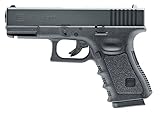
- ARS Mark8.8
ARS Mark is a ranking system developed by bestairriflescopes.com. ARS Mark has no relationship or impact from any manufacturers or sales agent websites. Learn more
- BrandUmarex

- ARS Mark8.8
ARS Mark is a ranking system developed by bestairriflescopes.com. ARS Mark has no relationship or impact from any manufacturers or sales agent websites. Learn more
- BrandUmarex

- ARS Mark8.6
ARS Mark is a ranking system developed by bestairriflescopes.com. ARS Mark has no relationship or impact from any manufacturers or sales agent websites. Learn more
- BrandElite Force

- ARS Mark8.4
ARS Mark is a ranking system developed by bestairriflescopes.com. ARS Mark has no relationship or impact from any manufacturers or sales agent websites. Learn more
- BrandZxhtwo

- ARS Mark8.4
ARS Mark is a ranking system developed by bestairriflescopes.com. ARS Mark has no relationship or impact from any manufacturers or sales agent websites. Learn more
- BrandNogevo

- ARS Mark8.4
ARS Mark is a ranking system developed by bestairriflescopes.com. ARS Mark has no relationship or impact from any manufacturers or sales agent websites. Learn more
- BrandUmarex

- ARS Mark8.0
ARS Mark is a ranking system developed by bestairriflescopes.com. ARS Mark has no relationship or impact from any manufacturers or sales agent websites. Learn more
- BrandKyliandi
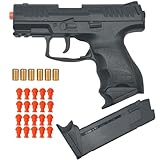
- ARS Mark8.0
ARS Mark is a ranking system developed by bestairriflescopes.com. ARS Mark has no relationship or impact from any manufacturers or sales agent websites. Learn more
- BrandDITOON
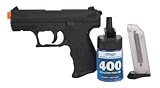
- ARS Mark7.6
ARS Mark is a ranking system developed by bestairriflescopes.com. ARS Mark has no relationship or impact from any manufacturers or sales agent websites. Learn more
- BrandUmarex
Last update on 2026-06-02 / Affiliate links / Images, Product Titles, and Product Highlights from Amazon Product Advertising API
How To Get A Class 3 Gun License
Paperwork fatigue hits hard once federal firearm regulations enter the picture. One form asks for fingerprints, another demands serial numbers, and suddenly the entire process feels like a bureaucratic obstacle course. Plenty of people begin researching how to get a class 3 gun license expecting a quick permit process, only to realize federal approvals involve far more moving parts than standard firearm purchases. Confusion around ATF rules, local laws, and legal ownership requirements causes expensive mistakes that can drag on for months.
What A Class 3 License Actually Means
The term “Class 3 gun license” gets thrown around online constantly, but the wording creates misunderstandings right out of the gate. A regular buyer typically does not receive a literal Class 3 license for personal ownership. Instead, federally regulated firearms or accessories fall under the National Firearms Act, often called the NFA. Ownership usually happens through an approved transfer involving a licensed dealer and ATF authorization.
That distinction matters because people often assume they can simply apply online and receive unrestricted access to machine guns or suppressors. Federal law does not work that way. Some NFA items remain heavily restricted, while others are legal only in certain states. Skipping that research stage can create legal trouble faster than expected.
Transferable machine guns create another layer of confusion. Federal law froze civilian registration of newly manufactured machine guns back in 1986, which means only older transferable models remain available for legal civilian ownership in qualifying states. Prices on transferable firearms can climb into the tens of thousands because supply remains fixed. Sticker shock catches many buyers completely off guard.
Suppressors, short-barreled rifles, and short-barreled shotguns follow different rules depending on state law. One state may allow suppressors for hunting while another bans them outright. That patchwork legal landscape makes local research absolutely critical before spending money on any regulated item.
Federal Requirements Before Applying
Federal eligibility standards create the foundation for the entire approval process. Applicants generally need to meet the same baseline legal requirements tied to firearm ownership in the United States. Felony convictions, certain domestic violence charges, unlawful drug use, or prohibited immigration status can immediately disqualify an application. Those restrictions apply long before fingerprints or tax stamps even enter the conversation.
Age requirements also matter. Federal law typically requires buyers to be at least 21 years old when purchasing NFA firearms or suppressors through a dealer. Some states pile on additional restrictions beyond federal standards, which creates another hurdle people don’t always anticipate. Local compliance matters just as much as federal approval.
Residency documentation becomes another common headache. Mismatched addresses on IDs, outdated driver’s licenses, or incorrect trust paperwork can trigger delays that stretch approval timelines dramatically. Something as small as an apartment number typo may force corrections that add weeks to the process. Precision matters more than people expect.
Background checks remain one of the biggest pressure points for applicants worried about delays. ATF reviews include fingerprint analysis, criminal history checks, and document verification. Filing carefully the first time reduces the odds of correction requests or rejected submissions. Rushing through paperwork almost always backfires.
Why ATF Form 4 Creates So Much Stress
ATF Form 4 handles most transfers involving suppressors, short-barreled rifles, and transferable machine guns purchased from dealers. This document officially requests permission for the transfer of an NFA-regulated item to an individual or trust. One missed signature or incorrect serial number can freeze the process immediately. That’s why experienced buyers double-check every detail before submission.
Electronic filing systems improved approval speed in many cases, but they did not eliminate delays completely. EForms submissions often move faster than traditional paper applications, though processing times still vary wildly depending on backlog volume. Some applicants receive approvals relatively quickly while others wait several months. Patience becomes part of the process whether people like it or not.
Fingerprints and passport-style photos also enter the equation. Those documents verify identity and support the federal background investigation tied to the application. Poor-quality fingerprints can lead to resubmissions, which nobody wants after already paying transfer fees and tax stamp costs. Careful preparation saves massive frustration later.
Many first-time buyers underestimate how closely dealers monitor application accuracy. Reputable NFA dealers usually review paperwork line by line because mistakes affect their business too. That extra layer of oversight helps reduce problems, especially for buyers navigating the process for the first time.
How Gun Trusts Change The Process
NFA gun trusts became increasingly popular because they simplify shared possession and future estate planning. Instead of registering an item solely to one person, a trust allows multiple approved trustees to legally possess regulated firearms or suppressors. That flexibility appeals to households where spouses or family members may access the same equipment. It also reduces legal ambiguity around possession.
Trust paperwork, though, introduces another layer of responsibility. Generic online templates sometimes fail to comply with local laws or contain vague language that creates legal uncertainty later. Spending money on properly drafted documents often prevents serious complications down the road. Cheap shortcuts tend to become expensive eventually.
Some applicants choose individual registration instead because it keeps paperwork simpler. That route may work well for buyers who plan to maintain sole possession permanently. Others prefer trusts because they streamline inheritance concerns and shared access situations. Neither path fits every situation equally.
ATF Rule 41F changed trust applications significantly by requiring fingerprints and photographs from responsible persons connected to the trust. Older internet advice sometimes ignores those updates entirely, which creates dangerous misinformation online. Current legal guidance matters far more than decade-old forum threads.
Costs That Catch Buyers Off Guard
The firearm itself rarely represents the final price. Federal tax stamps add another major expense, with most NFA transfers requiring a $200 tax stamp. That fee applies per regulated item, not per application. Buyers planning multiple suppressors or rifles can see costs pile up quickly.
Dealer transfer fees also vary dramatically depending on location and inventory availability. Some dealers include paperwork assistance in their pricing while others charge separate administrative fees. Buyers who focus only on advertised firearm prices sometimes overlook those extra charges completely. Budgeting carefully prevents unpleasant surprises.
Transferable machine guns sit in a category of their own financially. Since civilian ownership is limited to pre-1986 registered firearms, prices often reach levels comparable to luxury vehicles. Even modest models may cost more than many people’s yearly salaries. Scarcity drives those prices upward year after year.
Storage costs deserve attention too. Responsible ownership often means investing in secure safes, locking systems, or climate-controlled storage solutions. Some insurance providers also require specialized coverage for high-value firearms collections. Ignoring long-term ownership expenses creates problems later.
State Laws Can Override Federal Approval
Federal approval does not magically override state restrictions. That reality surprises people constantly. A federally approved suppressor may still remain illegal in certain states, while short-barreled rifles face additional registration rules elsewhere. Assuming federal authorization guarantees legality everywhere creates serious risk.
Travel creates another layer of complexity. Crossing state lines with regulated firearms may require advance ATF notification depending on the item involved. Forgetting those requirements can create legal headaches during what should have been a routine trip. Responsible ownership means tracking transport rules carefully.
Some states permit suppressor ownership but ban their use during hunting seasons. Others allow ownership yet restrict transportation methods. Those details matter because legal possession alone does not automatically cover every use case. Local game laws and transportation regulations still apply.
Legal firearm research should always start with state statutes before money changes hands. Plenty of buyers become emotionally attached to a firearm or suppressor only to realize their local laws prohibit ownership entirely. That disappointment gets expensive once non-refundable deposits enter the picture.
Common Application Mistakes That Cause Delays
Simple paperwork errors derail applications constantly. Incorrect serial numbers, outdated addresses, mismatched trust names, and missing signatures rank among the most common reasons applications get delayed. Tiny mistakes feel insignificant at first, but federal processing systems do not overlook inconsistencies easily. Careful review matters far more than speed.
Fingerprint problems also slow approvals down regularly. Smudged prints, incomplete scans, or improperly submitted fingerprint cards can force resubmissions weeks later. Many buyers now prefer digital fingerprint services because they reduce rejection risk significantly. That extra convenience often saves time overall.
Communication gaps between buyers and dealers create another common issue. Some applicants assume paperwork was submitted immediately, only to realize documents sat incomplete for days waiting on missing information. Staying proactive with dealers helps avoid those frustrating surprises. Silence during the process rarely helps anyone.
Reliable education makes a huge difference during the application phase. To compare other regulated shooting gear and firearm-related equipment, explore 22 air rifle under 300 options that balance performance with manageable ownership costs. That broader research often helps buyers clarify what actually fits their long-term needs.
Why Patience Matters More Than Most Expect
Approval timelines test people’s patience in ways they rarely anticipate. Online communities constantly compare approval dates, creating unrealistic expectations about processing speed. One buyer may receive approval quickly while another waits substantially longer despite filing around the same time. ATF backlogs shift constantly.
Stress builds fast once expensive purchases sit locked behind pending paperwork. Buyers naturally want updates, especially after paying tax stamps, transfer fees, and deposits. Still, repeated panic-checking rarely speeds the process up. Staying organized and keeping copies of every document tends to reduce anxiety far more effectively.
Dealers often become unofficial therapists during long approval periods. Questions pour in daily from nervous applicants wondering whether delays signal problems. Most delays simply reflect processing volume rather than denial risk. Patience honestly becomes part of responsible NFA ownership.
How to get a class 3 gun license involves much more than filling out forms and waiting for approval. Legal ownership demands careful planning, financial preparation, detailed paperwork, and ongoing compliance with changing regulations. People who rush through the process usually create bigger headaches for themselves later.
Legal Steps After Getting A Class 3 Gun Approval
Excitement usually kicks in the second approval paperwork finally lands in the inbox or mailbox. Relief hits hard too because months of waiting, paperwork corrections, fingerprint appointments, and dealer calls finally paid off. Still, responsible NFA ownership starts long after the ATF signs off on a transfer. People who relax too early sometimes overlook storage laws, transport restrictions, or possession rules that can create serious legal problems later.
Safe Storage Matters More Than People Expect
Approved ownership doesn’t mean regulated firearms should sit unsecured in a closet corner. Theft risks, accidental access, and local storage laws create problems nobody wants attached to expensive NFA items. A solid safe with proper anchoring protects both the firearm and the owner from unnecessary legal exposure. That extra layer of security becomes even more important with transferable machine guns or suppressors carrying significant financial value.
Humidity creates another issue many people underestimate. Metal components exposed to damp basements or fluctuating temperatures can develop corrosion faster than expected. Silica packs, dehumidifier rods, and climate-controlled safes help preserve condition over time. Small maintenance habits prevent costly repairs later.
Shared households create unique complications too. Unauthorized possession concerns sometimes arise if another person has unrestricted access to NFA-regulated items without being listed appropriately in a trust. That detail surprises many first-time owners because the firearm legally belongs to them. Federal law, though, takes possession questions seriously.
Long-term firearm protection also means planning for emergencies. Fires, floods, and break-ins happen whether people prepare for them or not. Owners investing heavily in regulated firearms often pair quality safes with insurance coverage to reduce financial risk if disaster strikes unexpectedly.
Transport Rules Can Create Unexpected Trouble
Driving across state lines with regulated firearms sounds simple until federal transport laws enter the conversation. Certain NFA items require advance ATF approval before interstate travel happens legally. Missing that paperwork step can create severe legal consequences during what feels like an ordinary road trip. Plenty of people learn this rule far too late.
Suppressors generally follow different transport rules compared to machine guns or short-barreled rifles. State law still matters heavily, though. One state may permit suppressor possession while the neighboring state bans civilian ownership entirely. Crossing borders without checking local regulations creates unnecessary risk.
Cases and transport containers deserve attention too. Loose firearms tossed into vehicle compartments attract the wrong kind of attention during traffic stops or inspections. Locked hard cases help demonstrate responsible ownership while protecting expensive equipment from damage. Organized transportation also reduces stress during long trips.
Outdoor trips often create another layer of planning. Hunting camps, shooting ranges, and remote travel areas may involve overnight vehicle storage or temporary lodging situations. Before packing gear, review local regulations carefully and double-check destination legality. To improve field visibility during outdoor firearm or bow setups, compare best binocular power for bow hunting options that help track distant movement without adding unnecessary weight.
Why Dealers Matter Even After Approval
A strong relationship with an experienced NFA dealer helps far beyond the original transfer process. Dealers often stay current on regulatory changes, processing updates, and paperwork revisions long before casual owners notice them online. That guidance becomes valuable whenever laws shift or transport questions pop up unexpectedly. Reliable dealers save people from relying on outdated internet rumors.
Maintenance advice also varies widely depending on the specific firearm or suppressor involved. Some suppressors require routine cleaning while sealed models follow entirely different care schedules. Improper cleaning methods can damage expensive components permanently. Dealer recommendations often prevent avoidable mistakes.
Transfer procedures for future sales create another reason dealer relationships matter. NFA transfers rarely move quickly, and resale paperwork requires patience plus strict documentation accuracy. Experienced dealers usually catch errors before submissions become delayed. That oversight reduces headaches significantly.
Suppressor ownership especially benefits from dealer guidance because attachment compatibility, barrel length restrictions, and mounting systems vary substantially between models. One wrong thread pattern or mounting choice can turn an expensive purchase into a frustrating mismatch.
How Public Misunderstandings Affect Owners
Owning regulated firearms sometimes attracts confusion from people unfamiliar with NFA laws. Suppressors, for example, often get portrayed inaccurately in movies and television. Real suppressors reduce hearing damage and muzzle blast, but they do not create whisper-quiet movie scenes. That disconnect fuels unnecessary misconceptions.
Responsible owners usually avoid unnecessary public attention for that reason. Careless social media posts, reckless handling videos, or exaggerated claims can create unwanted scrutiny fast. Staying low-key often proves smarter than showing off expensive firearms online. Privacy carries value in the firearms world.
Range etiquette matters too. Some shooting facilities prohibit certain NFA items entirely, while others allow them only under specific conditions. Showing up without checking policies first can create awkward situations quickly. A quick phone call ahead of time prevents wasted trips.
Public perception also shifts depending on local culture and state politics. Owners who remain calm, educated, and legally compliant usually avoid most unnecessary friction. Acting irresponsibly, though, feeds negative stereotypes that already surround regulated firearms.
Estate Planning Gets Overlooked Constantly
Death or incapacity creates serious legal complications for regulated firearms if no preparation exists beforehand. Family members may suddenly inherit expensive NFA items without understanding possession laws or transfer procedures. That confusion can spiral quickly during already stressful situations. Proper planning prevents major legal headaches later.
Gun trusts often simplify inheritance planning substantially. Trustees and beneficiaries receive clearer legal pathways for handling regulated items after the original owner passes away. Without that structure, surviving relatives may struggle to transfer or store firearms legally. Probate delays can complicate matters even further.
Documentation storage matters almost as much as the firearms themselves. Tax stamp copies, trust paperwork, serial number records, and transfer approvals should remain organized and accessible. Digging through boxes during an emergency rarely ends well. Secure digital backups help reduce risk of document loss.
Some owners also maintain written instructions outlining storage access, dealer contacts, and transport rules for family members unfamiliar with NFA laws. That preparation removes confusion during emotionally difficult moments. Estate readiness protects both loved ones and valuable firearms collections.
Costs Continue Long After The Purchase
People often focus heavily on initial transfer costs while overlooking ongoing ownership expenses. Ammunition, safe upgrades, maintenance tools, insurance policies, and replacement parts all add up gradually over time. Transferable machine guns especially can become expensive to maintain because replacement components are limited. Older firearms sometimes require specialized gunsmith work too.
Suppressor maintenance creates another recurring expense depending on shooting frequency and ammunition type. Rimfire suppressors, for instance, accumulate heavy carbon buildup that demands periodic cleaning. Ignoring maintenance eventually affects performance and durability. Responsible upkeep keeps equipment running properly for years.
Range memberships and travel costs also sneak into the budget. Many owners end up driving farther because local ranges restrict NFA firearms or rapid-fire shooting. Fuel, lodging, and training expenses become part of the lifestyle whether people anticipate them or not. Ownership stretches beyond the firearm itself.
Protective transport equipment deserves attention too. Soft cases may work for short trips, but long-distance travel often benefits from reinforced hard cases with lockable designs. To keep expensive archery or outdoor gear protected during transport, explore best takedown recurve bow case options built for rough handling and changing weather conditions.
Training Separates Responsible Owners From Careless Ones
Owning regulated firearms without proper training creates unnecessary risk. Recoil management, suppressor heat control, mechanical operation, and safe transport procedures all require practice. People sometimes assume prior firearm experience automatically transfers to NFA items, but certain platforms behave very differently. Training closes that gap.
Short-barreled rifles, for example, often handle differently than full-length configurations because of weight balance and muzzle blast changes. Suppressors also affect heat buildup, point of impact, and firearm handling characteristics. Those differences matter once live fire starts. Familiarity improves both safety and confidence.
Structured range sessions usually reveal practical issues faster than internet research ever could. Sling placement, optic setup, suppressor mounting, and ammunition compatibility often require adjustments after real-world use begins. Experience exposes weaknesses quickly. Trial and error remains part of responsible ownership.
Legal firearm ownership ultimately involves much more than obtaining ATF approval. Responsible handling, ongoing education, careful storage, and long-term planning shape whether ownership stays smooth or becomes stressful. People who treat NFA firearms casually usually regret it sooner or later.


12 Best 22 Pcp Air Rifle For Hunting of 2026 With Quiet Power

7 Best 22 Pcp Air Rifle Under 300 of 2026 For Backyard Pest Control

10 Best 22 Break Barrel Air Rifles of 2026 For Backyard Pest Control

10 Best 30 Caliber Pcp Air Rifle of 2026 For Medium Game

Top Best 177 Air Rifle Under 100: Budget-Friendly Picks for 2026

How to Safely Reload Shotgun Shells at Home

11 Best Co2 Air Rifle For Pest Control of 2026 To Ensure Humane Dispatch

12 Best Inexpensive Air Rifles of 2026 For Dependable Backyard Accuracy






