
How to Get a Gun License in Connecticut Smoothly

How to get a gun license in Connecticut can feel like a maze the first time around. Paperwork piles up fast, requirements seem scattered everywhere, and one tiny mistake can drag the process out longer than expected. Plenty of people start with confidence, then hit a wall once background checks, fingerprinting, and permit rules enter the picture. Connecticut doesn’t exactly hand everything to you on a silver platter, so knowing the flow ahead of time saves a lot of frustration.
Local permit offices often move at different speeds, which catches many applicants off guard. Some towns process paperwork fairly quickly, while others take their sweet time, and that inconsistency creates stress for people trying to stay organized. Understanding the sequence of training certificates, state applications, temporary permits, and final approvals makes the experience much easier to manage. A little preparation upfront usually prevents those annoying back-and-forth corrections later.
State firearm laws also tend to trip people up because Connecticut applies stricter standards than many neighboring states. Storage expectations, transportation rules, and eligibility checks all carry weight during the licensing process. Missing a required document or misunderstanding a legal condition can stall approval faster than most expect. Staying detail-oriented matters more here than rushing through forms just to “get it done.”
Training classes deserve more attention than people usually give them. A solid firearms safety course doesn’t just satisfy the legal requirement. It helps build confidence, safe handling habits, and practical awareness that become useful long after the permit arrives. Many first-time applicants realize halfway through the class that they had major misconceptions about Connecticut firearm regulations and safe carry practices.
Costs also add up quicker than expected. Application fees, fingerprinting expenses, safety classes, passport photos, and travel time between offices can stretch the budget if you’re not prepared. Knowing these details early helps avoid sticker shock and keeps the process from turning into a stressful scramble. Little logistical details, oddly enough, usually create bigger headaches than the legal paperwork itself.
Patience plays a huge role throughout the process. Delays happen, appointments get rescheduled, and state reviews sometimes move slower than anyone would like. Still, applicants who stay organized and follow every requirement carefully tend to avoid the worst problems. How to get a gun license in Connecticut becomes far less intimidating once the entire process is broken into manageable steps instead of one overwhelming checklist.

- ARS Mark10.0
ARS Mark is a ranking system developed by bestairriflescopes.com. ARS Mark has no relationship or impact from any manufacturers or sales agent websites. Learn more
- BrandShotwell Publishing LLC

- ARS Mark9.4
ARS Mark is a ranking system developed by bestairriflescopes.com. ARS Mark has no relationship or impact from any manufacturers or sales agent websites. Learn more
- BrandN/A
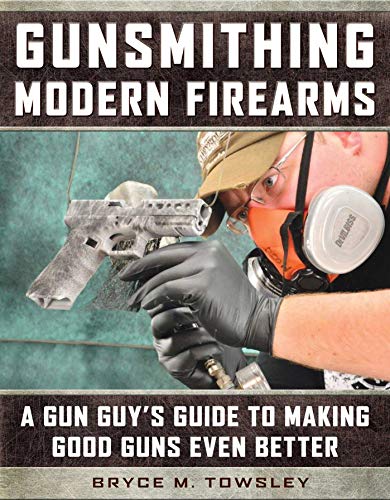
- ARS Mark9.4
ARS Mark is a ranking system developed by bestairriflescopes.com. ARS Mark has no relationship or impact from any manufacturers or sales agent websites. Learn more
- BrandSkyhorse

- ARS Mark9.4
ARS Mark is a ranking system developed by bestairriflescopes.com. ARS Mark has no relationship or impact from any manufacturers or sales agent websites. Learn more
- BrandN/A

- ARS Mark9.2
ARS Mark is a ranking system developed by bestairriflescopes.com. ARS Mark has no relationship or impact from any manufacturers or sales agent websites. Learn more
- BrandSkyhorse

- ARS Mark8.8
ARS Mark is a ranking system developed by bestairriflescopes.com. ARS Mark has no relationship or impact from any manufacturers or sales agent websites. Learn more
- BrandGun Digest Books

- ARS Mark8.6
ARS Mark is a ranking system developed by bestairriflescopes.com. ARS Mark has no relationship or impact from any manufacturers or sales agent websites. Learn more
- BrandMajosta

- ARS Mark7.8
ARS Mark is a ranking system developed by bestairriflescopes.com. ARS Mark has no relationship or impact from any manufacturers or sales agent websites. Learn more
- BrandCREATESPACE

- ARS Mark7.0
ARS Mark is a ranking system developed by bestairriflescopes.com. ARS Mark has no relationship or impact from any manufacturers or sales agent websites. Learn more
- BrandiUniverse.com
Last update on 2026-06-10 / Affiliate links / Images, Product Titles, and Product Highlights from Amazon Product Advertising API
How To Get A Gun License In Connecticut
Paperwork frustration hits fast once firearm permit applications start piling up on the kitchen table. One office asks for fingerprints, another mentions training certificates, and suddenly the entire process feels more complicated than expected. Plenty of applicants start researching how to get a gun license in Connecticut because they want a clear path without wasting weeks fixing preventable mistakes. A smoother experience usually comes down to preparation, accurate paperwork, and knowing exactly which steps matter most before the application even begins.
Connecticut Permit Basics
Connecticut uses a layered permit process that surprises many first-time applicants. You typically begin with a temporary permit through your local town or city before receiving the state-level permit. That extra step creates confusion because timelines vary depending on the local department handling applications. Some applicants receive updates quickly, while others wait much longer due to staffing or scheduling bottlenecks.
Eligibility requirements carry serious weight during the review process. Applicants must meet age requirements, pass background checks, and complete approved firearms training before moving forward. Criminal history, certain protective orders, and specific legal restrictions may block approval entirely. Skipping details or assuming “it probably won’t matter” usually backfires later.
Fingerprints often become one of the first stressful moments. Local police departments may require appointments weeks in advance, especially in busier towns. Delays happen more often during holiday seasons or staffing shortages, so waiting until the last minute creates unnecessary headaches. Organized applicants usually keep copies of every document because misplaced paperwork isn’t exactly rare.
State processing times also test patience. Connecticut law outlines expected timelines, but real-world experiences don’t always match the ideal schedule. Background reviews, administrative backlogs, and missing information can stretch approval periods longer than expected. Keeping calm and following up professionally tends to work better than flooding offices with repeated calls.
Firearms Training Requirements
The required safety course does more than check a legal box. Strong instructors spend time covering safe firearm handling, transportation rules, storage practices, and state regulations that many applicants misunderstand at first. Some people walk into class thinking it’ll feel like a quick lecture, then realize there’s far more responsibility tied to firearm ownership than expected. That shift in perspective matters.
Course quality varies quite a bit depending on the instructor. Some classes move quickly through slides without much interaction, while others include practical handling guidance and detailed legal discussions. Choosing a reputable instructor often leads to a better overall experience because confusing topics get explained clearly instead of rushed through. Reviews from local gun owners usually help narrow down solid training providers.
Connecticut-approved pistol safety courses generally include live-fire exercises. Nervous first-time shooters often feel overwhelmed during this stage, especially if they’ve never handled firearms before. Good instructors help reduce that tension by focusing on safety habits, muzzle discipline, and confidence-building techniques. Calm instruction usually makes beginners more comfortable faster than aggressive “tough love” teaching styles.
Training certificates should be stored carefully after completion. Replacing lost paperwork can create unnecessary delays and extra costs later during the application process. Many applicants scan digital copies immediately because town offices sometimes request additional documentation unexpectedly. Small organizational habits save a surprising amount of stress later on.
Application Mistakes That Cause Delays
Simple errors derail more applications than most people realize. Missing signatures, outdated addresses, incorrect identification numbers, or incomplete forms can push applications back into review limbo. Connecticut departments rarely rush to fix mistakes for applicants, so accuracy matters from the very beginning. Double-checking every form sounds tedious, but it prevents weeks of avoidable frustration.
Applicants often underestimate how important supporting documents become during reviews. Proof of residency, completed training certificates, identification paperwork, and fingerprint submissions all need to match correctly. One mismatched address between documents can suddenly create follow-up requests that stall progress. Tiny inconsistencies create outsized problems.
Communication habits also affect the process more than people expect. Aggressive phone calls or impatient emails rarely speed things up. Professional, respectful follow-ups tend to produce better responses from local departments already handling heavy workloads. Keeping records of submission dates and contact attempts also helps track the process more effectively.
Some applicants assume online forums provide reliable legal guidance. That gamble can turn ugly pretty quickly because firearm laws change, and outdated advice spreads fast online. Connecticut regulations carry stricter oversight than many neighboring states, so relying on secondhand opinions creates risk. Official state resources and licensed instructors remain far safer sources for current information.
Costs And Hidden Expenses
Application fees rarely represent the full financial picture. Training classes, fingerprinting fees, passport photos, transportation costs, and ammunition for qualification sessions all stack up faster than expected. Applicants planning tight budgets often get blindsided halfway through the process because the smaller expenses weren’t considered upfront. Preparing for those extra costs helps avoid frustration later.
Ammo prices fluctuate constantly, which affects training expenses more than many newcomers realize. Live-fire qualification sessions require enough ammunition for safe practice and completion standards. Beginners sometimes need extra range time before feeling confident enough to qualify comfortably. Spending a little more on practice usually pays off through better firearm handling and reduced stress.
Travel expenses also creep into the process depending on location. Some applicants drive across multiple towns for fingerprint appointments, approved classes, or permit pickups because local availability remains limited. Gas, parking, and lost work hours add indirect costs that rarely appear in basic permit checklists. Those little details matter once schedules get busy.
Secure firearm storage becomes another major consideration after approval. Connecticut places strong emphasis on safe storage practices, especially around children and unauthorized access concerns. A reliable gun safe or locking storage system adds expense, but it also reduces legal risks and improves household safety. Cutting corners here creates consequences nobody wants to deal with.
Temporary Permit Versus State Permit
Many applicants assume the local temporary permit automatically grants unrestricted carry rights statewide. That misunderstanding creates confusion because Connecticut’s process involves separate stages with different responsibilities. The temporary permit generally serves as the bridge toward obtaining the official state permit through the Department of Emergency Services and Public Protection. Missing that distinction causes unnecessary panic later.
Timing between permit stages varies widely depending on workload and scheduling. Some applicants move through the process relatively smoothly, while others spend months waiting for final approval appointments. Staying organized helps reduce anxiety during those waiting periods. Keeping copies of all paperwork and tracking deadlines becomes especially useful once multiple offices get involved.
Permit validity and renewal timelines also deserve attention early on. People sometimes focus entirely on initial approval while ignoring future renewal responsibilities. Expired permits create legal complications that can become difficult to untangle. Marking renewal reminders on calendars sounds basic, but it prevents serious problems later.
Applicants moving into Connecticut from other states often assume their previous permits automatically simplify the process. That’s not always true. Connecticut applies its own standards regardless of experience elsewhere, so prior firearm ownership doesn’t guarantee a faster application experience. Reading state-specific requirements carefully helps avoid false assumptions.
Safe Storage And Transport Rules
Connecticut expects firearm owners to take safe storage seriously, especially in households with children or frequent visitors. Leaving firearms unsecured can create both legal trouble and safety risks nobody wants hanging over their head. Responsible storage habits protect not only the firearm owner but everyone sharing the living space. A decent locking safe quickly becomes more necessity than luxury.
Transportation laws also deserve close attention because mistakes here create major consequences fast. Firearms generally need to remain unloaded and secured properly during transport, particularly for people without carry authorization. Tossing a handgun loosely into a glove compartment might seem harmless to some, but Connecticut law views that very differently. Careless transport decisions often trigger avoidable legal trouble.
Range visits introduce another layer of responsibility. New permit holders sometimes focus heavily on buying gear while overlooking transportation procedures entirely. Locked containers, separate ammunition storage, and secure vehicle placement all matter. Small habits built early usually become long-term routines that improve overall firearm safety.
Explore safer shooting setups with best range finder for archery options that help improve outdoor accuracy and distance awareness during recreational practice sessions. Organized gear layouts and reliable measurement tools reduce distractions, especially during target-based training activities. Clean preparation helps range trips stay smoother and less stressful overall.
Common Legal Misunderstandings
Gun laws in Connecticut create confusion partly because people hear conflicting advice from friends, forums, and social media groups. Someone confidently explaining firearm laws online may actually be repeating outdated or flat-out incorrect information. That creates risk for permit holders trying to stay compliant. Official state guidance usually matters far more than loud opinions floating around the internet.
Magazine restrictions, firearm transfer rules, and carry limitations tend to confuse newer applicants most often. Connecticut regulations differ sharply from many states with looser firearm laws, so assumptions create trouble fast. Some people move from another state expecting identical rules and suddenly realize the legal environment looks very different. Researching local laws thoroughly prevents ugly surprises later.
Private property restrictions also matter more than many expect. Carrying legally doesn’t override property owners’ rights or restricted access policies. Schools, government buildings, and specific private businesses may prohibit firearms regardless of permit status. Ignoring posted restrictions can escalate situations unnecessarily.
Self-defense laws spark plenty of debate online, but internet arguments rarely provide reliable legal clarity. Real legal outcomes depend heavily on circumstances, evidence, and state statutes. Responsible firearm ownership includes knowing legal responsibilities before problems ever arise. Guesswork becomes dangerous once legal consequences enter the picture.
Daily Carry Expectations
Carrying a firearm daily changes routines more than many people expect at first. Clothing choices, holster comfort, vehicle storage, and movement throughout the day suddenly require more thought. Cheap holsters often create discomfort quickly, leading many permit holders to upgrade after only a few weeks. Reliable carry gear makes daily use far more manageable.
Concealment takes practice. Printing through clothing, awkward positioning, or constant adjustments can draw unwanted attention. Experienced carriers usually spend time experimenting with placement and wardrobe combinations before finding what feels natural. Comfort and accessibility need balance rather than extremes.
Situational awareness becomes a bigger part of everyday life after obtaining a permit. Responsible carriers tend to pay closer attention to exits, crowd behavior, and restricted locations. That heightened awareness doesn’t mean paranoia. It simply becomes part of maintaining safe firearm habits in public spaces.
Upgrade outdoor gear setups with best archery gear for women selections designed for better comfort, easier handling, and more practical range organization. Balanced equipment layouts often reduce distractions during practice sessions, especially for newer shooters adjusting to regular outdoor routines.
Connecticut Pistol Permit Process And Carry Rules
Excitement usually kicks in once the permit finally arrives, but reality settles in pretty fast afterward. Carrying legally in Connecticut brings ongoing responsibilities that many people never fully considered during the application phase. Questions about transportation, renewal timing, safe storage, and public carry situations suddenly become part of daily routines. That’s why learning the long-term side of Connecticut pistol permit rules matters just as much as getting approved in the first place.
Permit Renewal Problems
Renewal deadlines sneak up on people more often than expected. Life gets busy, paperwork gets buried in drawers, and suddenly the expiration date is dangerously close. Connecticut doesn’t treat expired permits lightly, so missing renewal windows can create unnecessary legal trouble. Staying ahead of those deadlines protects both your carry rights and your peace of mind.
Some permit holders assume renewal works automatically like a driver’s license reminder system. That assumption causes problems because notifications don’t always arrive consistently. Keeping personal reminders on phones, calendars, or secure document apps helps avoid stressful last-minute scrambling. Small habits usually prevent bigger headaches later.
Address changes create another common issue during renewal periods. Permit information needs to stay accurate, especially after moving to a different town or county. Incorrect records may delay processing or trigger extra paperwork requests. Updating information promptly keeps the renewal process smoother and less frustrating.
Renewal fees also catch people off guard after several years pass. Budgeting ahead for permit costs, updated photographs, or additional paperwork helps avoid unnecessary stress. Responsible firearm ownership includes planning for administrative responsibilities, not just range time or gear purchases. Consistency matters more than rushing at the last second.
Handling Firearms Around Family
Bringing firearms into a household changes routines quickly, especially in homes with children or frequent visitors. Safe storage becomes part of daily life rather than an occasional task. Connecticut laws place heavy emphasis on preventing unauthorized access, and ignoring that responsibility can lead to serious legal consequences. Responsible storage habits protect far more than property.
Kids notice everything, even when adults think firearms are hidden well enough. Curious children may search through drawers, closets, or vehicles without understanding the danger involved. Secure safes, trigger locks, and separate ammunition storage dramatically reduce accidental risks. Convenience should never outweigh household safety.
Visitors create another overlooked issue. Friends, relatives, contractors, or guests may unexpectedly access areas where firearms are stored. Leaving firearms unsecured during busy gatherings or home projects increases the chance of accidents or theft. Careful storage routines help maintain control over every firearm in the home.
Conversations about firearm safety matter too. Calm, age-appropriate discussions often work better than treating firearms like forbidden mysteries. Families that openly discuss basic safety expectations usually create more responsible environments overall. Clear communication reduces confusion and builds stronger habits over time.
Carrying In Public Spaces
Public carry feels different than many first-time permit holders expect. Nervousness tends to show up during errands, restaurant visits, or crowded environments because carrying legally still requires awareness and restraint. Most experienced carriers eventually settle into routines that feel natural without becoming careless. Confidence usually grows through consistency and responsible habits.
Printing remains one of the biggest concerns for newer carriers. Thin shirts, awkward holster placement, or poor belt support can make concealment frustrating. Small wardrobe adjustments often solve those problems faster than constantly buying new holsters. Practical comfort matters more than flashy tactical setups for everyday carry situations.
Businesses and private properties may prohibit firearms even if state permits allow legal carry elsewhere. Ignoring posted restrictions can escalate ordinary situations into legal problems unnecessarily. Paying attention to signage and respecting property rules helps avoid confrontations. Responsible behavior protects both personal safety and legal standing.
Outdoor shooting hobbies often overlap with broader gear interests too. Improve distance judgment during recreational target sessions by exploring best bow for short draw length setups that support smoother handling and more controlled practice routines. Balanced equipment often reduces fatigue during longer outdoor sessions.
Range Etiquette And Practice Habits
Owning a firearm without regular practice creates false confidence surprisingly fast. Skills fade when people stop training, especially with safe handling and accuracy habits. Consistent practice helps maintain muscle memory, safe handling awareness, and confidence during stressful moments. Even short range sessions can reinforce good habits.
Indoor ranges and outdoor ranges usually operate very differently. Indoor facilities often enforce stricter lane rules and time limits, while outdoor ranges may offer more flexibility for movement or distance practice. New shooters sometimes feel intimidated during early visits because experienced shooters seem highly confident. That discomfort usually fades with repetition.
Range etiquette matters more than people realize. Sweeping others with a firearm, ignoring ceasefire commands, or handling guns carelessly creates immediate tension. Safe shooters gain respect quickly because their actions show discipline rather than recklessness. Calm behavior carries more weight than trying to look experienced.
Cheap range gear often creates frustration during longer sessions. Weak ear protection, poor eye protection fit, or unreliable carrying cases can make practice uncomfortable. Investing in reliable safety equipment usually improves the overall shooting experience far more than buying flashy accessories. Practical gear choices tend to pay off longer term.
Emotional Responsibility And Mindset
Firearm ownership carries emotional weight that many people underestimate at first. Stress, anger, exhaustion, or panic affect judgment far more than most want to admit. Responsible permit holders usually develop strong awareness of their emotional state before carrying or handling firearms. That level of honesty matters enormously.
Arguments, road rage incidents, or heated confrontations become situations to avoid rather than engage. Carrying a firearm changes the stakes instantly during tense moments. Smart permit holders often walk away from conflicts they might’ve argued through years earlier. De-escalation becomes a practical survival skill instead of a buzzword.
Social pressure can also create bad decisions. Some people feel tempted to show firearms to friends casually or discuss carry habits recklessly in public settings. Loose behavior increases risk quickly. Responsible ownership usually looks boring from the outside because disciplined habits rarely attract attention.
Mental fatigue affects performance too. Exhaustion lowers awareness, slows reaction time, and weakens judgment during high-pressure moments. Safe firearm habits depend heavily on clear thinking and emotional control. Responsible carriers take those realities seriously instead of brushing them aside.
Gear Choices After Permit Approval
Many new permit holders rush into buying gear immediately after approval. That excitement often leads to expensive mistakes because flashy accessories don’t always improve real-world carry experiences. Comfort, reliability, and simplicity usually matter far more than tactical marketing language. Practical setups outperform oversized “operator” builds for most everyday situations.
Holster fit makes a massive difference during daily carry. Cheap holsters shift constantly, create discomfort, or fail to secure firearms properly during movement. A stable belt and properly fitted holster improve concealment and comfort almost immediately. Small upgrades often solve problems people initially blame on the firearm itself.
Storage gear deserves careful thought too. Nightstand safes, vehicle lockboxes, and travel storage setups all serve different purposes depending on lifestyle. People commuting daily often need different solutions than someone primarily storing firearms at home. Matching gear to actual routines prevents wasted money and frustration.
Outdoor enthusiasts who enjoy target practice or recreational shooting sometimes branch into archery-related training as well. Improve sight alignment and practice consistency with best bow peep sight for hunting setups designed for cleaner visibility and steadier outdoor accuracy sessions. Reliable visibility tools help reduce unnecessary strain during repetitive practice.
Staying Updated On Connecticut Laws
Firearm laws change more often than many permit holders expect. Legislative updates, court decisions, and revised state guidance can shift requirements over time. Ignoring those changes creates unnecessary legal risk, especially for people relying on outdated information shared years ago. Staying informed becomes part of responsible ownership.
Local firearm instructors often provide valuable updates about changing regulations or permit procedures. Gun clubs, official state resources, and certified training organizations usually provide far more reliable guidance than random online arguments. Internet debates tend to create confusion faster than clarity. Reliable sources matter.
Magazine restrictions, transportation standards, and carry limitations remain heavily debated topics in Connecticut. Permit holders who stay informed generally avoid the panic and misinformation spreading through social media rumors. Careful research saves stress and prevents accidental violations. Calm preparation almost always beats reactive scrambling.
Responsible firearm ownership doesn’t stop after permit approval. Long-term safety habits, legal awareness, secure storage, and emotional discipline all continue shaping the experience afterward. Strong routines create confidence over time, while careless shortcuts usually create problems nobody wants landing at their doorstep.


12 Best 22 Pcp Air Rifle For Hunting of 2026 With Quiet Power

7 Best 22 Pcp Air Rifle Under 300 of 2026 For Backyard Pest Control

10 Best 22 Break Barrel Air Rifles of 2026 For Backyard Pest Control

10 Best 30 Caliber Pcp Air Rifle of 2026 For Medium Game

Top Best 177 Air Rifle Under 100: Budget-Friendly Picks for 2026

How to Safely Reload Shotgun Shells at Home

11 Best Co2 Air Rifle For Pest Control of 2026 To Ensure Humane Dispatch

12 Best Inexpensive Air Rifles of 2026 For Dependable Backyard Accuracy






