
How to Hunt Turkey with a Crossbow Efficiently

How to Hunt Turkey with a Crossbow can be both thrilling and challenging, requiring precision, patience, and the right techniques. Turkey hunting isn't just about aiming and shooting; it’s about reading the terrain, understanding turkey behavior, and selecting the most effective crossbow setup for the job. Hunters face the struggle of getting within range, staying silent, and timing the shot perfectly while keeping safety and ethics at the forefront. This guide dives deep into call techniques, camouflage strategies, and decoy placements that can dramatically increase your chances of a successful hunt. Alongside these, you'll find insights on bolt selection, broadhead types, and trigger control, which are crucial for delivering a clean, humane kill. Beyond equipment, this content highlights season planning, scouting methods, and pattern recognition, helping you anticipate turkey movements and react effectively. Whether you’re a seasoned hunter looking to refine your crossbow skills or a newcomer eager to tackle the challenges of turkey hunting, this guide arms you with actionable tips that can turn frustrating outings into triumphant hunts. From understanding turkey vocalizations to mastering the nuances of movement concealment, the strategies shared here emphasize both efficiency and enjoyment. By combining practical advice with tactical knowledge, this guide ensures that you approach each hunt with confidence, increasing your odds of success while fostering a deeper connection to the sport.
Hunting turkeys with a crossbow is an exhilarating pursuit that blends patience, skill, and a keen understanding of these clever birds. How to Hunt Turkey with a Crossbow demands more than just pulling the trigger, it requires grasping turkey habits, terrain tactics, and silent approaches that can make or break your hunt. Imagine sneaking through the forest, decoys strategically placed, and your heart racing as a gobbler struts into view within range. With the right crossbow setup, bolt choice, and broadhead, your shots become precise, ethical, and effective, turning opportunities into successful harvests. This guide unpacks essential techniques, from calling strategies and camouflage tips to ideal positioning and timing, so that every hunt feels less like guesswork and more like a well-orchestrated strategy. By learning the subtle cues of turkey behavior, adapting to environmental conditions, and sharpening your crossbow handling, you gain a serious edge. Whether navigating dense brush or open fields, these insights help you stay quiet, patient, and focused, ensuring that each hunting trip is both productive and memorable. Get ready to elevate your turkey hunting game with actionable, field-tested advice that emphasizes skill, safety, and the thrill of the hunt.

- ARS Mark9.2
ARS Mark is a ranking system developed by bestairriflescopes.com. ARS Mark has no relationship or impact from any manufacturers or sales agent websites. Learn more
- BrandRavin Crossbows

- ARS Mark9.2
ARS Mark is a ranking system developed by bestairriflescopes.com. ARS Mark has no relationship or impact from any manufacturers or sales agent websites. Learn more
- BrandBARNETT

- ARS Mark8.8
ARS Mark is a ranking system developed by bestairriflescopes.com. ARS Mark has no relationship or impact from any manufacturers or sales agent websites. Learn more
- BrandBARNETT

- ARS Mark8.6
ARS Mark is a ranking system developed by bestairriflescopes.com. ARS Mark has no relationship or impact from any manufacturers or sales agent websites. Learn more
- BrandCenterPoint Archery

- ARS Mark8.4
ARS Mark is a ranking system developed by bestairriflescopes.com. ARS Mark has no relationship or impact from any manufacturers or sales agent websites. Learn more
- BrandWicked Ridge
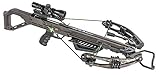
- ARS Mark8.2
ARS Mark is a ranking system developed by bestairriflescopes.com. ARS Mark has no relationship or impact from any manufacturers or sales agent websites. Learn more
- BrandKiller Instinct

Killer Instinct BOSS 405 Camo Crossbow - 405 FPS Compact Hunting Package with Micro‑Lite
View on Amazon- ARS Mark7.8
ARS Mark is a ranking system developed by bestairriflescopes.com. ARS Mark has no relationship or impact from any manufacturers or sales agent websites. Learn more
- BrandKiller Instinct

- ARS Mark7.6
ARS Mark is a ranking system developed by bestairriflescopes.com. ARS Mark has no relationship or impact from any manufacturers or sales agent websites. Learn more
- BrandXpedition Archery

- ARS Mark7.6
ARS Mark is a ranking system developed by bestairriflescopes.com. ARS Mark has no relationship or impact from any manufacturers or sales agent websites. Learn more
- BrandTenPoint

- ARS Mark6.0
ARS Mark is a ranking system developed by bestairriflescopes.com. ARS Mark has no relationship or impact from any manufacturers or sales agent websites. Learn more
- BrandXpedition Archery
Last update on 2025-11-18 / Affiliate links / Images, Product Titles, and Product Highlights from Amazon Product Advertising API
Choosing the proper crossbow is a critical first step in successful turkey hunting. Not all crossbows are created equal, and using one with the right draw weight, speed, and accuracy can make the difference between a clean shot and a missed opportunity. A high-speed crossbow with at least 350 FPS ensures sufficient kinetic energy to ethically harvest a turkey, while a lightweight frame allows for longer treks without fatigue. Hunters often underestimate the importance of scope clarity, as a quality scope aids in precise targeting even in low-light conditions. Pairing your crossbow with the right bolt type and broadhead enhances penetration and reduces the risk of a poorly executed shot.
Additionally, ergonomics play a crucial role; crossbows with adjustable stocks and comfortable grips reduce shooter fatigue and improve stability during the crucial moment of the shot. Seasonal factors, such as spring gobbler behavior, require stealthy approaches, which makes a quiet crossbow with minimal vibration highly desirable. Investing in a reliable string and rail system minimizes wear and tear over multiple hunts, ensuring consistency in performance. Incorporating these key features into your gear selection sets the stage for a successful turkey hunt, elevating confidence and control in the field.
Effective turkey hunting begins long before the shot; scouting is one of the most vital steps to guarantee success. Observing turkey patterns through early morning or late afternoon excursions allows hunters to identify roosting areas, feeding zones, and travel corridors. Spotting strut zones and feeding grounds gives a tactical advantage, ensuring you set up in a location where turkeys are likely to pass. Using trail cameras and field glasses enhances this scouting process, letting hunters gather behavioral insights without disturbing the flock.
Knowledge of local terrain is another essential factor. Turkeys favor areas with dense cover, nearby water, and accessible food sources, so paying attention to these environmental cues increases encounter probability. Seasonal changes also affect movement; spring gobblers are more vocal and mobile, while fall turkeys are cautious and spread out. Combining observation skills with technological aids, like GPS mapping and mobile scouting apps, provides a strategic edge. This preparation helps hunters position themselves effectively, reducing wasted effort and maximizing the chance of a clean harvest.
Calling is a game-changer in turkey hunting, bridging the gap between you and the wary gobbler. Different calls, such as yelps, clucks, purrs, and locator calls, serve distinct purposes and must be executed with timing and subtlety. Overcalling or using repetitive sounds can spook turkeys, so it’s crucial to mimic natural patterns and pause to allow responses. Combining mouth calls and box calls enhances realism, increasing the likelihood of drawing birds within range.
Beginners often struggle with timing, but the key is patience and consistency. Practicing your calls in varied conditions helps refine volume and pitch, ensuring turkeys perceive them as natural rather than artificial. Understanding the turkey’s social hierarchy, including the alpha male’s response to certain calls, provides another advantage in coaxing the gobbler closer. Mastering call variation creates a dynamic soundscape, making your setup appear alive and active, which is essential for enticing cautious birds.
Effective camouflage is non-negotiable in turkey hunting, as these birds have exceptional eyesight and can detect unnatural shapes and movement. Utilizing patterned hunting apparel that blends with the local foliage drastically reduces visibility. Hunters often overlook movement discipline, as even a slight motion can alert a gobbler. Employing ground blinds or natural cover provides stable shooting positions while minimizing detection risk.
Environmental adaptation is equally important. Matching your camouflage to the seasonal color palette, from spring greens to autumn browns, enhances stealth. Face masks, gloves, and boot covers prevent flash from exposed skin and gear, which is a common oversight. Strategically positioning decoys near cover can distract and draw turkeys into your zone, but placement must appear natural to avoid raising suspicion. Mastering these concealment techniques elevates your hunting effectiveness, keeping you hidden while you prepare for the critical shot.
Decoys are a highly effective tool to influence turkey behavior, luring birds into an optimal shooting range. Placement is everything; situating decoys along commonly used travel routes or feeding zones increases visibility and interaction. Choosing the right type of decoy, such as hen decoys or jake decoys, depends on your intended strategy and the seasonal behavior of the birds. Combining movement or electronic decoys with natural calls creates a realistic scenario, enhancing believability.
Experienced hunters understand the value of distance and angle when deploying decoys. A gobbler’s approach angle can determine whether he enters a lethal zone, making careful planning crucial. Avoid cluttering the setup; fewer, strategically positioned decoys outperform a crowded display. Observing reaction patterns during initial scouting trips helps refine placement for maximum draw potential. Properly integrated decoy use increases your chance of a successful, ethical harvest, giving you control over engagement dynamics.
Selecting the correct bolt and broadhead combination is a cornerstone of ethical turkey hunting. Crossbow bolts vary in length, weight, and material, with carbon or aluminum shafts offering different balances of speed, accuracy, and penetration. Broadheads must deliver a clean kill, with fixed-blade options providing reliability and mechanical designs offering expansion for maximum tissue damage. Matching the bolt and broadhead to your crossbow’s draw weight and FPS ensures consistent performance.
Precision is paramount; inconsistencies in weight or length can affect trajectory, especially at longer ranges. Regularly inspecting fletching, nocks, and tips maintains accuracy and prevents misfires. Testing combinations in controlled settings allows hunters to gauge kinetic energy, penetration depth, and grouping patterns, reducing surprises in the field. Investing in quality components not only improves ethical hunting practices but also instills confidence in shot placement, crucial for a successful turkey hunt.
Proper shot placement ensures a humane kill and maximizes the effectiveness of every hunt. Turkeys are small yet robust birds, with vital areas concentrated around the head, neck, and chest, making accuracy essential. High-percentage shot zones like the broadside chest allow for clean penetration without damaging meat or leaving wounded birds. Taking the time to wait for the perfect angle is far better than rushing a poorly aimed shot.
Ethics go hand-in-hand with strategy; every hunter has a responsibility to prioritize humane harvesting and safety. Avoiding risky shots, such as at extreme distances or through cover that may deflect the bolt, prevents suffering and ensures adherence to hunting regulations. Understanding the turkey’s anatomy, combined with practiced shooting techniques, creates a reliable framework for ethical hunting. Proper preparation, patience, and knowledge of anatomy collectively safeguard the bird while enhancing your reputation as a responsible hunter.
Timing your hunt according to turkey behavior and seasonal cycles is a key factor in success. Spring is the prime gobbler season, marked by increased vocalizations and territorial displays, making it ideal for calling and decoy setups. Fall hunting requires a more stealth-driven approach, as turkeys become less predictable and wary due to hunting pressure. Daily timing is equally crucial, with early morning and late afternoon presenting peak activity windows.
Weather also plays a role; overcast skies or light winds can mask movements and calls, offering hunters a natural advantage. Tracking the moon phase or barometric pressure can inform activity patterns, subtly influencing encounter rates. By aligning hunting efforts with these temporal cues, hunters maximize opportunities while minimizing wasted effort. This integration of behavioral science and environmental observation transforms random attempts into strategic, high-probability hunts.
Proper field care ensures that the harvest remains valuable and consumable, maintaining the integrity of the meat and feathers. Immediate field dressing prevents spoilage and prepares the turkey for transport. Using sharp knives, gloves, and clean surfaces reduces contamination risk, while cooling the carcass quickly preserves freshness. Collecting feathers and documenting the hunt can provide educational value and prepare for future excursions.
Hunters often overlook transportation and storage techniques, which are essential for long treks or multiple-day hunts. Air circulation, proper wrapping, and avoiding sun exposure protect meat quality. Adopting a systematic approach to field care and meat handling enhances both culinary outcomes and the ethical practice of hunting. By treating the harvest with respect and diligence, hunters reinforce their connection to nature and conservation values, rounding out the turkey hunting experience.
Elevating your camouflage strategy goes beyond clothing, it’s about blending seamlessly into the environment. Using natural foliage, branch extensions, and scent-masking techniques increases concealment, especially in open fields or transitional zones. Hunters who integrate ground blinds with realistic cover achieve a tactical advantage, allowing them to remain undetected even when turkeys are close. Strategic movement discipline, such as slow, calculated adjustments, reduces detection risk and increases the chances of a clean shot.
Understanding light and shadow interplay further enhances camouflage effectiveness. Positioning yourself to exploit natural shadows or minimizing silhouettes against the skyline can prevent alerting wary turkeys. Incorporating scent elimination sprays and wind direction awareness adds another layer of stealth. By mastering these advanced concealment techniques, hunters maintain visibility control, confidence, and precision, essential for a successful turkey hunt.
Electronic and motion decoys provide a dynamic advantage by mimicking natural behaviors that draw gobblers in. These decoys simulate movement, such as strutting, feeding, or preening, which can entice curious turkeys within shooting range. Combining these decoys with strategic calling amplifies realism, making your setup far more convincing than static alternatives. Proper placement in travel corridors or feeding zones maximizes visibility while maintaining the illusion of a natural environment.
Successful hunters emphasize timing and subtlety; sudden or repetitive motions can appear unnatural and spook birds. Integrating electronic decoys with traditional ones creates depth and engagement, increasing interaction likelihood. By leveraging motion technology alongside observation of turkey behavior, hunters create a controlled scenario that increases the probability of a high-percentage shot.
Range management is a critical skill for crossbow turkey hunting. Turkeys can cover ground quickly, and misjudging distance often leads to missed opportunities. Using a rangefinder helps determine exact distances, allowing hunters to select the proper bolt and broadhead for the shot. Practicing variable-distance shooting ensures that accuracy is maintained whether the target is near or at the edge of effective range.
Wind and terrain complicate range considerations; gusts, slopes, and vegetation can affect trajectory. Accounting for these environmental factors is essential for precise shot placement. Seasoned hunters adjust stance, angle, and shooting technique according to real-time conditions, ensuring ethical and effective harvests. Mastering range challenges transforms difficult encounters into predictable, high-success opportunities.
Being able to track and interpret turkey behavior separates skilled hunters from novices. Turkeys leave signs such as tracks, droppings, and feather scat that reveal movement patterns and roosting habits. Observing vocal responses, strut patterns, and body posture helps anticipate their next moves, allowing hunters to position themselves advantageously. Combining these insights with decoy setups and calling techniques increases the probability of drawing a gobbler within range.
Behavioral observation extends to environmental cues; turkeys react differently based on weather, human activity, and predator presence. Recognizing these patterns enables hunters to make informed decisions about when to call, where to move, and how long to wait. Employing a behavioral tracking mindset enhances engagement success while reducing wasted effort, making each hunt more efficient and rewarding.
Executing a shot with confidence is as much mental as it is physical. Proper positioning, controlled breathing, and steady aim ensure that the crossbow performs at its peak. Maintaining focus on the target’s vital zones increases the chance of a clean, ethical kill. Hunters must manage nerves, especially when a gobbler appears unexpectedly, balancing instinct with precision and patience.
Repetition and practice build muscle memory, allowing the hunter to react calmly under pressure. Incorporating dry-fire drills, target practice, and scenario simulations strengthens confidence and shot consistency. The combination of mental preparation, equipment familiarity, and practiced technique culminates in high-percentage success during live hunts.
Adhering to safety and legal requirements ensures the hunt is ethical and incident-free. Wearing hunter orange, checking local regulations, and confirming license requirements prevents violations and accidents. Crossbow handling must follow strict protocols, including pointing the bow in a safe direction, clearing the path, and safe bolt storage. Awareness of other hunters and wildlife reduces risk during peak hunting periods.
Understanding bag limits, hunting zones, and seasonal restrictions is a key factor in responsible hunting. Violating regulations not only endangers your record but can also disrupt local wildlife populations. Combining legal knowledge with practical safety measures fosters a responsible hunting culture and preserves the sport for future generations.
Reflecting on each hunt enhances future performance and knowledge retention. Assessing what went right and what could be improved builds a roadmap for skill refinement. Reviewing bolt performance, shot placement, and decoy effectiveness identifies adjustments needed for better outcomes. Engaging in community discussions or field journaling can provide insights that aren’t apparent in the moment.
Consistent practice, paired with thoughtful evaluation, hones instincts and decision-making, increasing efficiency in subsequent hunts. Experimenting with different calling sequences, camouflage approaches, or hunting times keeps skills sharp and adaptable. By embracing reflection and continuous learning, hunters strengthen their confidence, precision, and strategic understanding, creating a rewarding, long-term turkey hunting journey.
Proper care of your crossbow and hunting gear ensures reliability and longevity. Regular inspection of strings, cams, bolts, and broadheads prevents failures during critical moments. Cleaning and lubricating the rail system maintains smooth operation and consistent shot performance. Storing equipment in controlled environments, away from moisture and extreme temperatures, extends usability and preserves effectiveness.
Hunters who prioritize maintenance experience fewer malfunctions, translating to higher success rates and safer hunts. Investing time in routine gear checks and adjustments enhances accuracy, minimizes risk, and protects the ethical harvesting of turkeys. A disciplined maintenance routine is an often-overlooked but vital key factor in consistent hunting performance.
Blending modern technology with classical hunting techniques provides a competitive edge. Using GPS, trail cameras, and mobile mapping apps alongside traditional scouting, calling, and decoy strategies creates a comprehensive approach. This integration allows hunters to track movement patterns, plan routes, and predict turkey behavior with precision.
Technology enhances situational awareness, but relying solely on gadgets can backfire. Maintaining fundamental skills, such as observation, patience, and shot execution, ensures that hunters remain adaptable in any scenario. By fusing digital tools with tried-and-true field tactics, hunters elevate both efficiency and success, crafting a more informed and effective turkey hunting experience.


12 Best 22 Pcp Air Rifle For Hunting of 2026 With Quiet Power

7 Best 22 Pcp Air Rifle Under 300 of 2026 For Backyard Pest Control

10 Best 22 Break Barrel Air Rifles of 2026 For Backyard Pest Control

10 Best 30 Caliber Pcp Air Rifle of 2026 For Medium Game

Top Best 177 Air Rifle Under 100: Budget-Friendly Picks for 2026

How to Safely Reload Shotgun Shells at Home

11 Best Co2 Air Rifle For Pest Control of 2026 To Ensure Humane Dispatch

12 Best Inexpensive Air Rifles of 2026 For Dependable Backyard Accuracy






