
How To Install A Rifle Sling Without Swivels Fast

How To Install A Rifle Sling Without Swivels sounds like one of those annoying problems that pops up right before a hunting trip or range day. You pull the rifle out, grab the sling, then realize there’s nowhere to attach it. No swivel studs. No quick-detach mounts. Just a bare stock and a growing sense of frustration. Still, plenty of practical setups work surprisingly well without drilling holes or permanently changing the rifle.
Improvised sling setups aren’t only about “making it work.” Comfort matters too. A poorly secured sling can twist against your shoulder, slide around while walking, or create uneven tension that gets old fast after a few miles outdoors. That’s why stability, strap placement, and material choice make such a huge difference. A soft paracord wrap, leather loop, or secure nylon adapter can hold firmly while keeping the rifle balanced during movement.
Some rifles simply weren’t built with factory sling hardware in mind. Older wooden stocks, budget rimfires, and certain tactical platforms often leave owners scratching their heads. Then again, modifying the firearm permanently doesn’t always feel worth the gamble. Nobody wants cracked wood, stripped screws, or awkward hardware placement ruining the rifle’s original look. Temporary mounting methods help avoid those headaches while still improving portability.
Field conditions also change the equation. Cold mornings, wet gloves, muddy terrain, and steep trails expose weak sling setups quickly. A loose knot that seemed fine indoors can suddenly shift at the worst possible moment. Strong retention points and properly tightened straps help prevent slipping while keeping the rifle accessible instead of bouncing awkwardly against your side. That little detail alone can save a ton of irritation during long outings.
Another overlooked factor involves noise. Metal sling hardware tends to clink and rattle, especially during movement through brush or rough terrain. Soft attachment methods using paracord, webbing, or fabric loops cut down on unwanted sound while protecting the stock finish from scratches. Small details like that often matter more than people expect once they spend enough time outdoors carrying a rifle over uneven ground.
How To Install A Rifle Sling Without Swivels also opens the door to creative setups tailored to different carry styles. Some prefer cross-body positioning for quick access, while others want the rifle hanging flat against the back during long hikes. Adjustable straps and flexible mounting points make those carry positions easier to fine-tune. A setup that feels comfortable standing still may feel completely different after several hours on the move.
Durability shouldn’t be ignored either. Cheap straps with weak stitching tend to fail right where tension builds most. Reinforced nylon, thick leather, and tightly braided cord hold up much better under repeated stress. Also, broader sling straps distribute weight more evenly across the shoulder, which helps reduce fatigue during extended use. Nobody enjoys a thin strap digging into their shoulder halfway through the day.
Separately, if you also need stronger carry support for field shooting positions, explore rifle sling systems designed for outdoor stability and controlled movement. A properly balanced sling setup often improves handling far beyond simple transportation. That extra support can make awkward terrain feel far less exhausting over time.

- ARS Mark9.6
ARS Mark is a ranking system developed by bestairriflescopes.com. ARS Mark has no relationship or impact from any manufacturers or sales agent websites. Learn more
- BrandVVAAGG

- ARS Mark9.4
ARS Mark is a ranking system developed by bestairriflescopes.com. ARS Mark has no relationship or impact from any manufacturers or sales agent websites. Learn more
- BrandHUNTPAL

- ARS Mark9.4
ARS Mark is a ranking system developed by bestairriflescopes.com. ARS Mark has no relationship or impact from any manufacturers or sales agent websites. Learn more
- BrandHUNTPAL

- ARS Mark9.2
ARS Mark is a ranking system developed by bestairriflescopes.com. ARS Mark has no relationship or impact from any manufacturers or sales agent websites. Learn more
- BrandTOURBON

- ARS Mark9.0
ARS Mark is a ranking system developed by bestairriflescopes.com. ARS Mark has no relationship or impact from any manufacturers or sales agent websites. Learn more
- BrandHUNTPAL
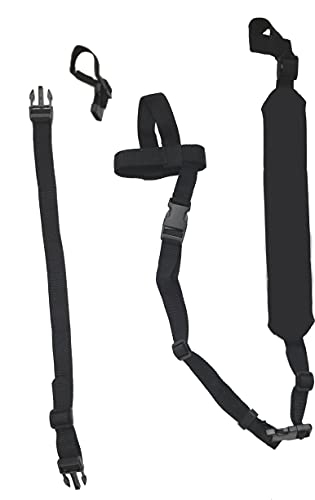
- ARS Mark9.0
ARS Mark is a ranking system developed by bestairriflescopes.com. ARS Mark has no relationship or impact from any manufacturers or sales agent websites. Learn more
- BrandEz GunsSling

- ARS Mark8.8
ARS Mark is a ranking system developed by bestairriflescopes.com. ARS Mark has no relationship or impact from any manufacturers or sales agent websites. Learn more
- BrandButler Creek

- ARS Mark8.6
ARS Mark is a ranking system developed by bestairriflescopes.com. ARS Mark has no relationship or impact from any manufacturers or sales agent websites. Learn more
- BrandAC Allen

- ARS Mark8.6
ARS Mark is a ranking system developed by bestairriflescopes.com. ARS Mark has no relationship or impact from any manufacturers or sales agent websites. Learn more
- BrandAC ALLEN
Last update on 2026-05-31 / Affiliate links / Images, Product Titles, and Product Highlights from Amazon Product Advertising API
How To Install A Rifle Sling Without Swivels
Long walks through rough trails get irritating fast once a rifle starts sliding around in your hands every few minutes. One shoulder burns, your grip tightens, and suddenly the entire trip feels more like a chore than a decent day outdoors. Plenty of rifles never came with swivel studs installed, especially older wooden models and lightweight rimfires. That’s exactly why How To Install A Rifle Sling Without Swivels keeps popping up among hunters, range shooters, and people trying to carry their rifle comfortably without drilling permanent holes into the stock.
Why Traditional Sling Mounts Frustrate People
Factory swivel studs sound simple until you realize many rifles either lack them completely or use awkward placement that throws off balance. Cheap aftermarket hardware can loosen over time, especially after repeated recoil or long-distance carry. A loose front stud wobbling near the fore-end becomes more than annoying. It creates real concerns about stability, safety, and overall rifle handling.
Wooden stocks create another headache. Drilling into older walnut or laminate furniture feels risky because one mistake can crack the surface or leave permanent marks that never look right again. Some folks inherit rifles from family members and simply don’t want extra hardware ruining the original appearance. That hesitation makes total sense. Preserving the rifle while improving comfort usually matters more than rushing into modifications.
Then there’s the noise issue. Metal swivels tend to click against the stock while walking through brush or climbing into elevated stands. Tiny sounds carry surprisingly far outdoors during quiet mornings. Soft mounting systems using paracord, nylon loops, or leather straps reduce unwanted movement while keeping the setup quieter. That subtle difference matters more than people expect once they spend enough time outside.
Weight distribution also becomes a bigger deal after several hours outdoors. Poor sling positioning causes the rifle to tilt awkwardly or bounce against your side during movement. A balanced carry setup spreads weight across the shoulder instead of forcing constant readjustments. Small improvements in comfort, control, and carry balance make long days noticeably easier.
Using Paracord Loops For Secure Attachment
Paracord remains one of the simplest solutions because it’s flexible, strong, and surprisingly gentle on rifle stocks. A properly tied loop around the buttstock creates a secure rear anchor point without permanent changes. The material grips well once tightened, especially on wooden or textured synthetic surfaces. Better yet, good paracord setups stay quiet while moving through dense terrain.
Front-end attachment usually takes a little creativity. Some shooters wrap paracord behind the front sight base or around the barrel channel if enough clearance exists. Others use a loop through existing vent holes or structural gaps near the fore-end. Tight knots matter here because loose cord eventually shifts under repeated movement. Solid tension improves security, weight distribution, and overall reliability.
Thicker paracord tends to feel better during extended carry sessions because it reduces pressure points against the shoulder. Thin cord digs in after a while, especially with heavier rifles. Also, braided nylon handles moisture reasonably well during wet conditions. Rain, humidity, and muddy terrain won’t immediately ruin the setup if quality material gets used from the start.
Paracord setups aren’t flawless though. Some rifles with smooth synthetic stocks allow the rear loop to slide slightly unless properly anchored. That’s why extra wraps or rubberized padding sometimes help stabilize the position. Little adjustments often separate a frustrating sling setup from one that actually feels dependable during real outdoor use.
Leather Straps Still Hold Up Surprisingly Well
Leather sling mounts might sound old-school, but they still solve several problems modern synthetic setups struggle with. Soft leather wraps reduce scratching around wooden stocks while creating a snug, stable attachment point. They also move quietly compared to exposed metal hardware. Hunters especially appreciate that softer sound profile during early morning movement.
A good leather loop molds naturally around the stock over time. That gradual shaping improves grip and keeps the rifle from twisting during movement. Cheap leather, though, tells a different story. Thin material stretches too much under tension and starts slipping after exposure to moisture. Strong stitching and thicker cuts matter far more than decorative finishes.
Weather creates tradeoffs here. Heavy rain eventually stiffens untreated leather and can weaken cheaper straps after repeated exposure. Occasional conditioning helps preserve flexibility while preventing cracks around high-tension areas. That little bit of maintenance extends lifespan significantly and keeps the sling feeling more comfortable against the shoulder.
Carry comfort remains one of leather’s biggest strengths. Wider leather slings distribute weight smoothly instead of creating sharp pressure points across the collarbone. That softer support becomes noticeable during long hikes or extended range sessions. Explore smoother carry setups with best bow for bear hunting gear ideas that focus heavily on balance and field comfort.
Why Nylon Adapters Keep Gaining Popularity
Nylon adapters appeal to people who want quick installation without complicated knot tying or permanent modifications. Most wrap directly around the stock and fore-end using adjustable tension straps. Installation usually takes only a few minutes with basic adjustments. Once tightened properly, many nylon systems hold surprisingly well under normal field conditions.
Modern nylon webbing handles moisture better than leather in rough weather. Wet conditions don’t stiffen the material much, and drying time stays relatively short. That makes nylon especially practical during unpredictable hunting seasons or humid environments. Strong stitching also improves durability, tension retention, and long-term usability.
Comfort varies heavily depending on strap width. Thin tactical-style slings often look sleek but feel rough against the shoulder during extended carry. Wider padded versions spread rifle weight more evenly and reduce fatigue noticeably. Heavier bolt-action rifles especially benefit from broader support surfaces instead of narrow webbing cutting into the shoulder.
Cheap buckles create the biggest weakness in many nylon systems. Plastic hardware occasionally cracks during cold weather or rough handling. Metal adjustment hardware lasts longer but sometimes introduces extra noise against the rifle. Picking the right balance between strength, quiet movement, and comfort usually matters more than appearance alone.
Front Attachment Mistakes That Cause Problems
Most sling failures start near the front attachment point rather than the rear stock area. Excessive tension near the barrel can interfere with accuracy if pressure shifts during shooting. Some setups even press unevenly against lightweight barrels, causing point-of-impact inconsistencies. That’s frustrating after spending time carefully sighting in a rifle.
Loose front loops create another common issue. The sling gradually slides forward while walking, causing the rifle to tilt awkwardly against the body. A secure front anchor should resist movement without squeezing sensitive components too tightly. Finding that balance takes patience, especially with rifles lacking obvious mounting positions.
Heat also matters more than people think. Barrel-mounted attachment loops near the muzzle can warm up significantly during extended shooting sessions. Some synthetic materials soften under repeated heat exposure, reducing overall stability. Heat-resistant straps or reinforced wraps tend to hold shape better during heavy use.
Quick movement exposes weak setups immediately. Climbing fences, stepping over logs, or crouching through brush puts sudden tension against the sling system. Weak knots, thin cord, or poorly stitched nylon eventually reveal themselves during those moments. Strong attachment points improve safety, mobility, and overall field confidence.
Balancing Comfort During Long Outdoor Trips
Rifle weight feels manageable for the first hour. Then fatigue slowly creeps into the neck, shoulder, and lower back. Sling positioning changes everything during longer trips because poor balance forces constant muscle tension. A properly adjusted sling allows the rifle to rest naturally without dragging awkwardly against one side.
Cross-body carry remains popular because it spreads weight more evenly across the torso. The rifle stays accessible while reducing shoulder strain during movement. Tightening the sling slightly higher against the chest also minimizes bouncing during steep hikes or uneven terrain. That added stability helps preserve energy over longer distances.
Wide padded slings help heavier rifles feel less punishing over time. Thin minimalist straps often look appealing indoors but become uncomfortable surprisingly fast outdoors. Padding softens pressure while broader contact surfaces reduce fatigue around the collarbone area. Little comfort improvements add up after several miles.
Movement style matters too. Fast-paced hikes favor tighter sling adjustment, while slower hunting movement often benefits from slightly looser positioning. Fine-tuning those adjustments takes trial and error rather than copying someone else’s exact setup. Better comfort usually comes from adapting the sling to your movement habits instead of forcing awkward positioning.
Quiet Carry Makes More Difference Than Expected
Noise ruins stealth quicker than most people realize. Metal hooks tapping against the stock or sling hardware squeaking during movement become surprisingly noticeable outdoors. Soft attachment systems help reduce those distractions while preserving smoother movement through brush or wooded terrain. Small sound reductions often create a calmer carry experience overall.
Paracord and leather setups naturally absorb movement better than exposed metal clips. Fabric-based systems shift more quietly while preventing hard contact against the rifle. Some shooters even wrap connection points with electrical tape or heat-shrink tubing to eliminate tiny rattles. That extra effort helps maintain stealth, focus, and smoother handling.
Loose sling tails also create unnecessary noise. Excess webbing flaps around during movement and occasionally catches on branches or gear straps. Trimming excess material or securing loose ends with retention bands keeps everything tighter and quieter. Cleaner setups feel more controlled during real field movement.
Cold weather makes certain materials louder too. Stiff nylon webbing creaks more noticeably in freezing conditions, especially near adjustment hardware. Softer materials generally remain quieter while moving through dry brush or frozen terrain. Compare smoother handling techniques through how to draw a bow and arrow methods that also rely heavily on stable body movement and controlled positioning.
Best Ways To Carry A Rifle Without Sling Swivels
Shoulder fatigue sneaks up slowly during long hunts, especially once a rifle keeps shifting every few steps through uneven ground. One minute everything feels manageable, then suddenly your neck tightens and your grip stays locked around the stock nonstop. Sling setups without swivels solve more than simple carrying problems. A properly balanced system improves mobility, comfort, and rifle control without forcing permanent modifications onto the firearm.
Stock Covers Help Prevent Sling Slippage
Elastic stock covers solve one of the biggest annoyances with improvised sling setups. Bare synthetic or polished wooden stocks often allow straps to drift during movement, especially while climbing hills or crossing rough terrain. A textured stock cover creates extra friction that keeps attachment points from shifting constantly. That tighter grip improves stability, comfort, and overall carry confidence.
Some covers include integrated loops specifically built for sling attachment. Those loops spread tension more evenly across the stock instead of concentrating force in one narrow spot. Softer padding also protects older rifle finishes from abrasion caused by rough nylon webbing or tightly wrapped paracord. Little details like that preserve the rifle while making longer carry sessions easier on the shoulder.
Fit matters more than appearance here. Loose stock sleeves slide around under pressure and create more frustration than they solve. A snug cover should stay planted without bunching near the recoil pad or comb area. Stretchable neoprene usually handles movement better than stiff fabric blends during wet outdoor conditions.
Cold weather exposes cheap materials quickly. Thin fabric stiffens, seams weaken, and weak attachment loops start stretching unevenly after repeated use. Better stock covers hold their shape while keeping the rifle secure during awkward movement. Compare smoother outdoor carry techniques with best long bow for deer hunting setups that also prioritize balance and long-distance comfort.
Loop Placement Changes Rifle Balance
Rear sling placement affects balance far more than most people expect. A loop positioned too low causes the rifle to rotate outward while walking, which creates constant hip impact and awkward movement. Raising the rear attachment slightly higher along the stock helps the rifle rest flatter against the body. That simple adjustment improves weight control, movement efficiency, and shoulder comfort.
Front placement creates its own tradeoffs. Tight attachment near the muzzle reduces bounce but sometimes increases barrel pressure during shooting positions. Slightly rearward placement often creates a smoother carry feel while still keeping the rifle stable during movement. Tiny positioning changes completely alter how the rifle hangs during long hikes.
Body type also affects ideal placement. Taller shooters usually prefer slightly longer sling adjustment to prevent the rifle from riding too high against the ribs. Shorter setups often work better for quick access during dense brush movement or uneven terrain. One fixed setup rarely feels comfortable for every situation.
Testing movement indoors helps reveal weak points before heading outside. Walk stairs, crouch, kneel, and rotate naturally while wearing the sling. A setup that feels fine standing still sometimes shifts badly once movement begins. Practical testing improves carry balance, mobility, and real-world usability.
Heavy Rifles Need Wider Sling Support
Lightweight rimfires forgive sloppy sling setups pretty easily. Heavy bolt-action rifles do not. Thin straps dig aggressively into the shoulder once the rifle stays carried for several hours, especially during steep hikes or long range sessions. Wider slings spread pressure more evenly and reduce muscle fatigue noticeably.
Padded shoulder sections help too, but bulkier padding creates tradeoffs in warm weather. Thick foam traps sweat and sometimes slides around against lighter jackets or shirts. Breathable padding with textured backing tends to feel more stable during movement. That extra grip prevents constant readjustment throughout the day.
Rifle weight distribution matters alongside strap width. Front-heavy rifles place more downward pressure near the collarbone, especially with narrow tactical slings. Balanced sling positioning helps offset that uneven load while improving overall comfort. Better support creates smoother movement through brush, rocky trails, and steep inclines.
Cheap stitching usually becomes the failure point on wider slings. Tension builds heavily near adjustment hardware, especially with heavier calibers and larger optics attached. Reinforced stitching around stress points extends durability significantly while improving long-term reliability. Strong materials support comfort, strength, and safer carry overall.
Quick Adjustments Matter In The Field
Conditions change constantly outdoors. One minute the rifle hangs comfortably while walking open trails, then dense brush suddenly demands tighter positioning against the chest. Adjustable slings help manage those transitions without stopping to completely reconfigure the setup. Faster adjustment improves mobility, control, and comfort during unpredictable movement.
Pull-tab systems remain popular because they allow quick tension changes with one hand. Loosening the sling slightly creates easier access for shooting positions, while tightening it secures the rifle closer to the body during movement. Simpler systems generally hold up better than overly complicated adjustment hardware with multiple clips and sliders.
Loose adjustment straps create problems if they’re left dangling. Excess webbing catches on branches, gear straps, and clothing surprisingly often during outdoor movement. Retention bands or folded strap keepers help secure extra material while reducing noise and snagging. Cleaner setups feel noticeably more controlled in rough terrain.
Cold fingers expose frustrating hardware quickly. Tiny buckles and stiff adjustment tabs become difficult to manage with gloves or numb hands. Larger adjustment points feel easier to manipulate during winter conditions or rainy weather. Practical design choices improve speed, reliability, and overall usability outdoors.
Simple Carry Styles Reduce Fatigue
Overcomplicated sling setups usually create more headaches than benefits. Multiple attachment points, oversized clips, and unnecessary hardware add weight while increasing noise during movement. Simpler carry systems often feel smoother because fewer moving parts shift around while walking. Less bulk also keeps the rifle closer to the body.
Cross-chest carry remains one of the more comfortable options for long movement periods. The rifle stays accessible while spreading weight across the torso instead of forcing everything onto one shoulder. Proper adjustment keeps the muzzle controlled without excessive swinging during fast movement. That stability helps conserve energy over long distances.
Back carry feels comfortable during open hiking but creates slower rifle access in sudden situations. Dense brush also increases the chance of snagging against branches if the rifle rides too loosely. Some shooters alternate carry styles throughout the day depending on terrain and movement pace. Flexibility matters more than sticking rigidly to one method.
Minimal setups also reduce maintenance headaches. Fewer buckles, straps, and clips mean fewer components exposed to mud, rain, and dirt buildup. A cleaner system stays easier to inspect and adjust over time. Practical simplicity improves durability, comfort, and long-term field reliability.
Weather Exposure Changes Sling Performance
Dry indoor setups don’t always behave the same once rain, humidity, or freezing temperatures enter the picture. Nylon webbing absorbs moisture differently depending on thickness and weave. Some straps become slippery while others stiffen noticeably after prolonged exposure. Material choice affects grip, comfort, and stability more than appearance ever will.
Leather handles cold weather surprisingly well if properly conditioned, but neglected leather dries out and cracks around stress points. Waterlogged leather also stretches under tension, causing sling adjustment to shift gradually during movement. Regular maintenance keeps the material flexible while preventing long-term weakening.
Mud creates another overlooked problem. Dirty straps grind debris against wooden stocks and textured synthetic finishes over time. Cleaning the sling after rough trips helps preserve both the firearm and attachment system. Even simple rinsing and drying routines reduce wear dramatically over repeated use.
Sun exposure matters too. Cheap nylon fades quickly and weakens gradually under constant UV exposure, especially if left stored inside hot vehicles for long periods. Better webbing maintains structure longer while resisting fraying around adjustment points. Explore more outdoor setup precision with best laser level for daylight solutions designed for visibility and stable field use.
Improvised Setups Still Need Safety Checks
A sling failure at the wrong moment can damage optics, dent stocks, or send the rifle crashing into rocks and mud. Quick inspections before heading outdoors help catch weak points early. Frayed stitching, loose knots, or stretched attachment loops should never get ignored. Reliable setups depend heavily on consistent maintenance habits.
Paracord knots loosen gradually if they’re tied incorrectly or exposed to repeated movement without proper tension. Double-checking high-stress areas prevents surprises during longer trips. Heat, rain, and dirt all accelerate wear over time, especially around sharp edges or rough hardware contact points.
Attachment points near moving components deserve extra attention too. A sling rubbing against bolt handles, charging systems, or barrel controls eventually causes interference during operation. Careful positioning helps maintain smoother rifle handling while preventing unnecessary wear against important parts.
Field reliability comes from repetition more than fancy equipment. Strong attachment points, balanced carry adjustment, and routine inspections create a setup that feels dependable during real movement instead of only looking good indoors. Better preparation improves safety, comfort, and confidence every time the rifle leaves storage.


12 Best 22 Pcp Air Rifle For Hunting of 2026 With Quiet Power

7 Best 22 Pcp Air Rifle Under 300 of 2026 For Backyard Pest Control

10 Best 22 Break Barrel Air Rifles of 2026 For Backyard Pest Control

10 Best 30 Caliber Pcp Air Rifle of 2026 For Medium Game

Top Best 177 Air Rifle Under 100: Budget-Friendly Picks for 2026

How to Safely Reload Shotgun Shells at Home

11 Best Co2 Air Rifle For Pest Control of 2026 To Ensure Humane Dispatch

12 Best Inexpensive Air Rifles of 2026 For Dependable Backyard Accuracy






