
How to Install a Shotgun Bead Sight So It Stays Tight

Installing a replacement bead means twisting out the old post, matching the screw size, and snugging the new sight down with a drop of threadlocker (liquid glue that stops screws from backing out). That simple fix changes completely if the barrel has a smooth, unthreaded tip or a pressed-in pin with no screw threads at all.
Success mostly comes down to your barrel style and the sight design. Shotguns with a rib (the raised metal strip along the top) usually have factory screw holes, but different makers use distinct thread sizes that can strip if forced. A long fiber-optic sight also needs extra care so it points dead center rather than stopping crooked. Here is how to match the threads, seat the bead cleanly, and keep it locked against heavy recoil without damaging the steel.
Check Your Barrel Type Before Buying Any Parts
Before you pick up a tool, confirm that your shotgun is completely unloaded. Open the action, look directly into the chamber, and check the magazine tube with your finger to ensure no shells remain. Removing the barrel from the receiver makes this job much easier and prevents any accidental scratches to your gun stock while you work.
Take a close look at the top of your barrel to see how your shotgun holds its front sight. Most modern field and target shotguns feature a vent rib, which is a raised metal strip on top of the barrel designed to help you point naturally. Other shotguns, especially tactical or older home-defense models, have a smooth, plain barrel with the sight mounted straight into the barrel steel.
Your barrel will fall into one of three distinct mounting styles:
- Threaded rib mounting: The sight screws directly into a small pre-threaded hole drilled into the vent rib. This is the most common setup on modern shotguns and the simplest to service at home.
- Direct barrel threading: The bead screws into a shallow threaded hole drilled straight into the barrel wall on a plain, round barrel without a rib.
- Pressed-in bead: The factory bead has a smooth post rather than screw threads. The factory presses this post into a smooth hole using tight friction, meaning you cannot unscrew it with standard wrenches.
To confirm whether you have a screw-in bead or a pressed pin, check the base of the bead for flat edges where a small wrench can grip. If the base is round, wrap a piece of thick masking tape around the jaws of small pliers, grip the bead gently, and give it a slight turn to the left. A threaded bead will begin turning with modest force, while a pressed pin will resist completely or spin freely without backing out.
Match Your Screw Threads to Prevent Barrel Damage
Shotgun bead threads are tiny and easy to ruin if you force the wrong size into the hole. The term thread pitch refers to the screw size and thread spacing cut into the metal. Gun manufacturers do not use one universal standard, so you must identify the exact thread size your barrel requires before attempting an installation.
American shotguns frequently rely on fractional imperial sizes. A 6-48 thread is common on many domestic shotguns, while smaller 3-56 threads appear on numerous field models. European shotguns, including many Italian sporting guns, typically use metric threads such as 2.6mm or 3mm. Even within the same brand, different factory runs or gauge sizes can feature different thread pitches.
Never attempt to force a screw that feels tight after half a turn. Shotgun ribs are soft steel or aluminum, and bead posts are often made of brass or mild steel. Forcing an incompatible screw will instantly strip out the threads in your rib or snap the tiny screw head off flush with the barrel.
The safest way to confirm the right fit is to use a replacement kit that includes several interchangeable threaded studs. Start each threaded stud into the rib hole using only your bare fingers. The correct stud will spin in smoothly without binding, wobble, or extra resistance for at least two to three complete turns.
Follow These Steps to Install Your New Bead
Installing a screw-in bead sight requires only a clean workspace and basic hand tools. You will need small needle-nose pliers or a dedicated bead wrench, rubbing alcohol, cotton swabs, and a bottle of blue removable threadlocker, which is a liquid glue that stops screws from backing out during shooting. Follow these steps to complete the job cleanly:
- Remove the original bead: Grip the old sight at its base with your padded pliers or bead wrench. Turn it counter-clockwise using steady, gentle pressure until it lifts free. If the old sight feels seized from rust or dried oil, place a single drop of penetrating oil on the base and wait fifteen minutes before trying again.
- Clean the mounting hole: Dip a cotton swab into rubbing alcohol and clean out the female threads inside the rib hole. Spin the swab to lift out old grease, factory oil, and metal grime. Liquid threadlocker cannot bond properly to greasy metal, so the hole must be completely dry before you continue.
- Dry-fit the new sight: Take your new bead or thread adapter and turn it into the clean hole by hand. Confirm that it threads down flat against the rib surface without tilting. Do not apply any glue during this initial check.
- Verify barrel clearance: Look down the bore, which is the inside tube of the barrel, from the chamber end while shining a light into the muzzle. Verify that the bottom tip of the screw post does not protrude down into the interior of the barrel tube. If the screw pokes into the bore, it can catch your shotgun wad or shot cup when fired, creating a serious safety hazard.
- Apply the threadlocker: Unscrew the bead and place one tiny droplet of blue removable threadlocker onto the lower threads of the screw post. You only need a fraction of a drop. Wipe away any excess with a clean cloth before touching the barrel.
- Snug the bead down: Thread the bead back into the rib hole with your fingers, then use your wrench or padded pliers to tighten it until it rests flat against the rib. Snug means gentle wrist tension. Stop turning the moment the bead seats firmly against the metal.
Lock and Align the Bead So It Never Loosens
A classic round bead sight looks the same from every angle, so it does not matter where the threads stop as long as the base sits flush. Elongated sights, such as bar-shaped fiber-optic aiming dots, present a different challenge. These sights must line up perfectly parallel with your barrel to give you an accurate sight picture when you shoulder the gun.
You may find that an elongated sight stops turning while pointing off at an odd angle. Never force the sight past its natural stopping point just to straighten it out. Over-torquing the sight will shear the tiny threaded post right off the base, leaving a broken screw stuck inside your rib.
If your sight tightens sideways, back it off slightly until it points straight down the centerline of the rib. The blue removable threadlocker will fill the microscopic gaps between the threads and lock the sight firmly in place as it cures. High-quality threadlocker provides plenty of holding power to resist heavy 12-gauge recoil without requiring brute tightening force.
Just like aligning backup iron sights for cowitness on a tactical rifle, your shotgun bead must track dead-center down the rib so your eye aligns naturally with your target. Once your sight points straight, set the barrel aside on a level surface. Allow the liquid threadlocker to cure undisturbed for a full 24 hours before taking the shotgun to the range or into the field.
Always avoid permanent red threadlocker for this job. Red thread-locking compounds require high heat from a propane torch to break down. Applying high heat to a shotgun rib can melt the silver solder that bonds the rib to the barrel, causing permanent structural damage to your firearm.
Know When to Stop and Visit a Gunsmith
While replacing a standard threaded bead is a straightforward DIY project, certain barrel conditions require specialized machinery. Recognizing these situations early prevents costly barrel damage and keeps you safe. Stop working and consult a licensed gunsmith if you encounter any of the following problems:
- A snapped screw post: If the head of the old bead breaks off and leaves the threaded shank buried flush inside the rib hole, do not try to drill it out with a handheld power drill. A handheld drill will slip off the hard screw and chew into your rib metal. A gunsmith uses a rigid milling setup to center-drill and extract the broken shank without damaging the original threads.
- Stripped rib threads: If a previous owner overtightened a bead and stripped the hole smooth, new screws will simply pull out under recoil. A gunsmith can re-thread the hole to the next larger screw size using a precision tap, which is a cutting tool that carves screw threads into metal.
- A smooth, pressed-in bead: Replacing a pressed bead requires drilling the old pin out and cutting fresh threads into the rib with a tap. This demands exact alignment so the new hole sits perfectly perpendicular to the rib.
- A plain barrel with no existing sight hole: Shotgun barrel walls are remarkably thin near the muzzle. Drilling and tapping a plain round barrel leaves zero margin for error. If you drill a fraction of a millimeter too deep, you will pierce the bore wall, which ruins the barrel and creates a dangerous pressure leak.
A professional gunsmith has the specialized jigs, mini-taps, and depth stops required to perform these delicate machining jobs safely. Paying a small shop fee for thread cutting is far cheaper than replacing an entire shotgun barrel.
Choose the Right Replacement Sight for Your Rib
When selecting a replacement sight for your shotgun, the primary goal is finding a design that fits your barrel geometry and suits your shooting style. Replacement front sights come in three main varieties: traditional metal beads, illuminated fiber-optic sights, and magnetic clip-on assemblies.
Traditional brass or gold beads offer simple durability. They sit low on the barrel, never snag in brush, and match the factory sight picture that most shotgun makers intend. If you primarily shoot clay targets in broad daylight or want to preserve the classic look of a field gun, a direct-replacement metal bead is a reliable choice.
Fiber-optic sights use a colored light pipe to gather ambient daylight, creating a bright aiming dot that stands out against dark hunting backgrounds. If you struggle to pick up a tiny brass bead in low light at dawn or dusk, an illuminated front sight helps your eye acquire the muzzle instantly. Many modern fiber-optic models feature universal kits that supply multiple threaded studs and interchangeable light pipes in red or green.
Before buying any sight, measure the width of your vent rib using a simple ruler or caliper. Standard ribs run narrow, while competition and sporting ribs can measure 5/16-inch wide or more. Verify that the sight base matches your rib width and confirm that the replacement sight profile matches your original bead height, ensuring your shotgun continues to shoot exactly where you point it.

- ARS Mark9.2
ARS Mark is a ranking system developed by bestairriflescopes.com. ARS Mark has no relationship or impact from any manufacturers or sales agent websites. Learn more
- BrandHIVIZ

- ARS Mark9.0
ARS Mark is a ranking system developed by bestairriflescopes.com. ARS Mark has no relationship or impact from any manufacturers or sales agent websites. Learn more
- BrandDead Ringer
- ARS Mark8.8
ARS Mark is a ranking system developed by bestairriflescopes.com. ARS Mark has no relationship or impact from any manufacturers or sales agent websites. Learn more
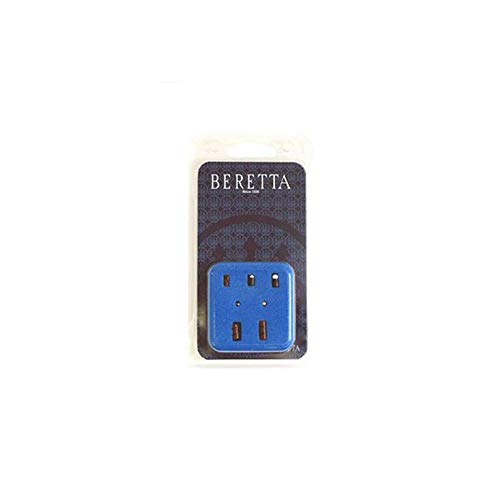
- BrandBeretta

- ARS Mark8.8
ARS Mark is a ranking system developed by bestairriflescopes.com. ARS Mark has no relationship or impact from any manufacturers or sales agent websites. Learn more
- BrandZOEKIM

- ARS Mark8.6
ARS Mark is a ranking system developed by bestairriflescopes.com. ARS Mark has no relationship or impact from any manufacturers or sales agent websites. Learn more
- BrandDead Ringer

- ARS Mark8.4
ARS Mark is a ranking system developed by bestairriflescopes.com. ARS Mark has no relationship or impact from any manufacturers or sales agent websites. Learn more
- BrandNumrich

- ARS Mark8.4
ARS Mark is a ranking system developed by bestairriflescopes.com. ARS Mark has no relationship or impact from any manufacturers or sales agent websites. Learn more
- BrandTRUGLO

- ARS Mark7.4
ARS Mark is a ranking system developed by bestairriflescopes.com. ARS Mark has no relationship or impact from any manufacturers or sales agent websites. Learn more
- BrandNumrich

- ARS Mark4.6
ARS Mark is a ranking system developed by bestairriflescopes.com. ARS Mark has no relationship or impact from any manufacturers or sales agent websites. Learn more
- BrandWilliams
Last update on 2026-10-01 / Affiliate links / Images, Product Titles, and Product Highlights from Amazon Product Advertising API


12 Best 22 Pcp Air Rifle For Hunting of 2026 With Quiet Power

7 Best 22 Pcp Air Rifle Under 300 of 2026 For Backyard Pest Control

10 Best 22 Break Barrel Air Rifles of 2026 For Backyard Pest Control

10 Best 30 Caliber Pcp Air Rifle of 2026 For Medium Game

Top Best 177 Air Rifle Under 100: Budget-Friendly Picks for 2026

How to Safely Reload Shotgun Shells at Home

11 Best Co2 Air Rifle For Pest Control of 2026 To Ensure Humane Dispatch

12 Best Inexpensive Air Rifles of 2026 For Dependable Backyard Accuracy






