
How To Install A Sling On A Rifle Without Hassle

How To Install A Sling On A Rifle sounds simple at first glance, yet plenty of people end up with a twisted strap, awkward rifle balance, or hardware that rattles every time they move. A poorly mounted sling turns a steady carry into an annoying chore, especially during long walks, range sessions, or backcountry trips. Small setup mistakes can shift weight unevenly, snag on clothing, or slow down shoulder transitions. That frustration builds fast, and honestly, nobody wants their rifle bouncing around like loose camping gear.
A properly installed sling changes the whole feel of a rifle. The rifle sits naturally against the body, movement becomes smoother, and fatigue eases up during extended carry. Comfortable positioning matters more than most people expect because even a lightweight rifle can feel heavier after several hours. Tight corners, uneven terrain, and quick stance adjustments become easier once the sling placement actually supports natural body movement instead of fighting against it.
Different sling styles create completely different experiences. A two-point sling offers stable carry and simple adjustment, while single-point setups prioritize quicker movement in tighter spaces. Three-point systems still exist, though some shooters find them bulky or cluttered around controls. Picking the wrong configuration often leads to rubbing, tangled straps, or limited mobility, so understanding the tradeoffs makes a noticeable difference before mounting anything permanently.
Attachment hardware also deserves attention because weak mounting points can create constant headaches. QD swivels provide quick removal and cleaner handling, while traditional sling studs remain dependable for rifles built around classic setups. Cheap hardware tends to loosen over time, produce annoying noise, or wear unevenly against the stock. A secure attachment keeps the rifle balanced and prevents unnecessary shifting during movement.
Fit adjustment matters just as much as installation. Some people tighten the sling too much and restrict shoulder transitions, while others leave excessive slack that causes the rifle to swing around awkwardly. The sweet spot keeps the rifle close enough for control without limiting access. Comfortable tension allows smoother carry whether standing, kneeling, or moving through rough terrain.
How To Install A Sling On A Rifle also depends heavily on intended use. Hunting setups often prioritize long-distance comfort and quiet movement, while tactical setups lean toward faster transitions and body retention. Range shooters may focus more on support positioning for steadier aim. One sling style won't magically fit every situation, and forcing the wrong setup usually creates more irritation than convenience.
Weather and gear layers influence sling comfort more than expected too. Thick jackets, chest rigs, or backpacks can completely change how a rifle hangs against the body. A sling that feels comfortable indoors might dig into the shoulder or twist badly once extra equipment enters the picture. Adjustable designs help compensate for seasonal clothing changes and different carry setups.
Proper sling placement isn't just about convenience. Better balance improves control, reduces unnecessary strain, and keeps the rifle accessible without awkward fumbling. A clean setup feels almost invisible during movement, which honestly is the whole point. Once the sling fits correctly and stays secure, carrying the rifle becomes far less distracting and far more natural.

- ARS Mark9.2
ARS Mark is a ranking system developed by bestairriflescopes.com. ARS Mark has no relationship or impact from any manufacturers or sales agent websites. Learn more
- BrandTen Point Gear
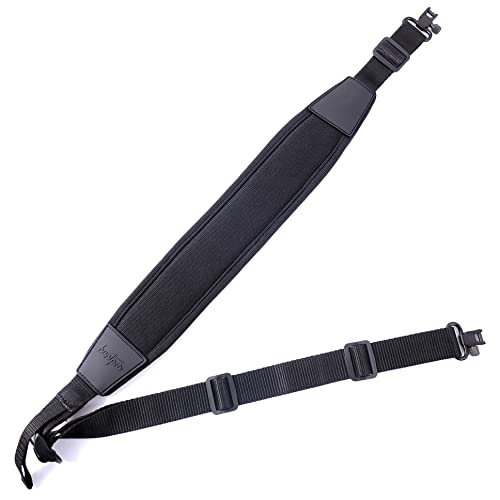
- ARS Mark9.2
ARS Mark is a ranking system developed by bestairriflescopes.com. ARS Mark has no relationship or impact from any manufacturers or sales agent websites. Learn more
- BrandHUNTPAL

- ARS Mark9.2
ARS Mark is a ranking system developed by bestairriflescopes.com. ARS Mark has no relationship or impact from any manufacturers or sales agent websites. Learn more
- BrandHUNTPAL

- ARS Mark9.0
ARS Mark is a ranking system developed by bestairriflescopes.com. ARS Mark has no relationship or impact from any manufacturers or sales agent websites. Learn more
- BrandUnderAlert
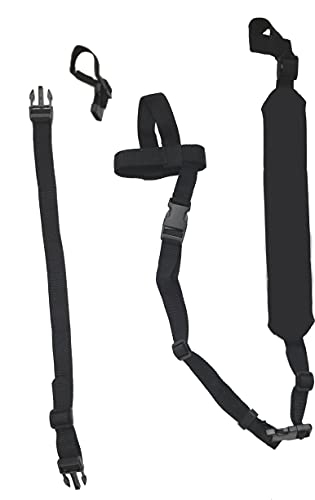
- ARS Mark9.0
ARS Mark is a ranking system developed by bestairriflescopes.com. ARS Mark has no relationship or impact from any manufacturers or sales agent websites. Learn more
- BrandEz GunsSling

- ARS Mark9.0
ARS Mark is a ranking system developed by bestairriflescopes.com. ARS Mark has no relationship or impact from any manufacturers or sales agent websites. Learn more
- BrandUnderAlert
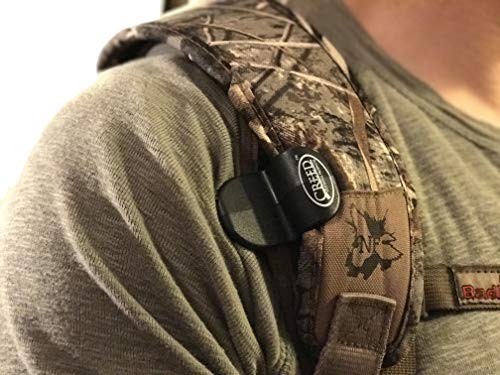
- ARS Mark8.6
ARS Mark is a ranking system developed by bestairriflescopes.com. ARS Mark has no relationship or impact from any manufacturers or sales agent websites. Learn more
- BrandSling Saddle

- ARS Mark8.4
ARS Mark is a ranking system developed by bestairriflescopes.com. ARS Mark has no relationship or impact from any manufacturers or sales agent websites. Learn more
- BrandSABADO
Last update on 2026-05-31 / Affiliate links / Images, Product Titles, and Product Highlights from Amazon Product Advertising API
How To Install A Sling On A Rifle
Long walks with a poorly balanced rifle can wear down your shoulder faster than most people expect. One loose strap or awkward mounting point turns a smooth carry into constant readjustment, and honestly, that gets old in a hurry. A properly mounted rifle sling changes the entire experience by improving comfort, stability, and faster access during movement. Plenty of shooters focus heavily on optics and accessories while overlooking the simple fact that a bad sling setup can make even a lightweight rifle feel clumsy.
Why Sling Placement Matters
Most sling problems don't come from the sling itself. Poor positioning usually causes the real headache. Mount the sling too far forward and the rifle may tilt awkwardly during movement, especially while climbing uneven ground or stepping around brush. Push the rear attachment too far back and the rifle can swing against your hip every few seconds, which gets irritating fast.
Balance plays a bigger role than many realize. A rifle should hang naturally against the body instead of fighting your movement. Good sling placement keeps the muzzle controlled while reducing shoulder strain during longer sessions outdoors. Small adjustments often create surprisingly noticeable improvements.
Some shooters prefer a tighter carry position for better retention, especially during movement-heavy situations. Others want more freedom for quicker shoulder transitions at the range. Both approaches can work well, but the sling needs enough adjustment range to support changing conditions. Cold-weather gear, backpacks, and layered jackets can completely alter sling tension.
Rifles with heavier barrels or large optics often require additional tweaking because the weight distribution changes dramatically. Front-heavy rifles tend to dip forward if the sling isn't mounted correctly. That constant downward pull becomes tiring after a few hours. A properly balanced setup reduces unnecessary fatigue and keeps the rifle easier to manage.
Choosing The Right Sling Style
A two-point sling remains the most common option for good reason. It offers solid support, easier adjustment, and stable carry across different shooting positions. Hunters, range shooters, and practical rifle users often stick with this setup because it handles multiple situations without adding unnecessary complexity. Simpler gear usually causes fewer problems over time.
Single-point slings create a completely different feel. They allow quicker movement around the body and faster shoulder transitions, but they also let the rifle swing more freely. That loose movement can become frustrating during longer walks or while climbing rough terrain. Compact rifles generally pair better with single-point setups than heavier precision rifles.
Three-point slings still show up occasionally, though opinions remain mixed. Some people appreciate the extra retention and stability. Others find the additional straps bulky around controls and awkward during fast handling. Extra material can snag gear, clothing, or chest rigs if the setup becomes overly cluttered.
Comfort matters more than tactical appearance. A sling might look impressive online yet feel miserable after thirty minutes of actual use. Wider padded slings distribute weight better across the shoulder, especially with heavier rifles. Narrow straps may dig into the body during extended carry and create hot spots over time.
Common Sling Hardware Options
Sling hardware often gets ignored until something loosens or rattles during movement. Traditional sling studs remain dependable and easy to use on many hunting rifles. They aren't flashy, but they stay practical and straightforward for people who want reliable attachment points without overcomplicating the setup.
QD swivels gained popularity because they allow quick sling removal without tools. They also provide cleaner movement and easier transport for rifles stored in cases or safes. Cheap swivels, though, can loosen unexpectedly or develop annoying play over time. Spending slightly more on reliable hardware usually prevents future frustration.
Some modern rifles include M-LOK or KeyMod mounting systems, which allow more flexibility for sling placement. That customization helps shooters fine-tune balance based on optics, barrel length, or preferred carry position. Still, too many attachment choices can create unnecessary confusion for beginners trying to keep things simple.
Noise reduction matters during outdoor use too. Metal-on-metal contact creates small rattles that become surprisingly noticeable in quiet conditions. Rubberized hardware coatings or properly tightened swivels help reduce that issue. Quiet movement makes carrying feel cleaner and less distracting overall.
Installing A Two Point Sling Correctly
A two-point sling setup usually starts with front and rear attachment points placed on opposite ends of the rifle. Sounds obvious, sure, but placement angles matter more than many people expect. The rifle should sit flat against the body instead of twisting outward awkwardly. Minor mounting adjustments can completely change comfort during movement.
Front attachment placement often works best near the end of the handguard or front sling stud. Rear attachment points usually sit near the stock end or buffer tube area depending on rifle style. A setup that's too narrow may allow excessive movement, while extremely wide spacing can feel restrictive during transitions.
Sling tension deserves patience during setup. Too loose and the rifle bounces around while walking. Too tight and shoulder transitions become awkward or uncomfortable. The ideal adjustment keeps the rifle secure while still allowing natural movement without fighting the strap constantly.
Practice matters after installation. Plenty of people mount the sling and immediately assume the job is done. Walking, kneeling, crouching, and shouldering the rifle reveal problems that static indoor adjustments often miss. A few minutes of movement testing can expose issues before they become frustrating outdoors.
Single Point Sling Setup Mistakes
Single-point slings look simple, but bad adjustment creates plenty of annoyance. Excess slack allows the rifle to swing directly into knees or gear during movement. Tightening the sling too aggressively can also limit shoulder transitions and create uncomfortable tension around the neck or chest.
Compact rifles generally handle single-point setups better because shorter overall length reduces unwanted swinging. Longer rifles tend to bounce more during walking or rapid movement. That constant shifting becomes distracting surprisingly fast, especially during longer range days or uneven hikes.
Attachment placement near the rear receiver area keeps movement centered around the body. Poor positioning can tilt the rifle awkwardly or force unnatural carry angles. Small changes in mounting position often improve comfort dramatically without replacing the sling itself.
Single-point setups also struggle with heavier rifles carrying suppressors, bipods, or large optics. Extra forward weight increases swing and creates more strain during carry. Some shooters eventually switch back to two-point systems after realizing how tiring prolonged movement becomes with heavier builds.
Adjusting Sling Length For Better Comfort
One sling length won't fit every situation. Winter jackets, chest rigs, backpacks, and body armor all affect how the rifle hangs during movement. A setup that feels comfortable indoors can suddenly feel restrictive once additional gear enters the picture. Adjustable slings help compensate for those changes quickly.
Quick-adjust pull tabs make a noticeable difference during active movement. Tightening the rifle close to the body while walking helps reduce bounce and improves control. Loosening the sling slightly during shooting positions creates smoother shoulder transitions and easier target engagement.
Over-tightening creates its own problems. Restricted movement often forces awkward shoulder positioning and slower handling. Some shooters mistakenly assume tighter automatically means better control, but overly rigid setups become exhausting after longer use. Comfort and mobility need balance.
Loose slings create constant movement during walking, especially across uneven terrain. Rifles swinging against hips or legs eventually become irritating enough to distract from the task at hand. A properly adjusted sling should feel supportive without demanding constant attention.
How Sling Width Affects Carry
Thin slings might look sleek, but narrow straps concentrate pressure into smaller areas across the shoulder. That pressure becomes uncomfortable surprisingly fast with heavier rifles or extended carry sessions. Wider slings spread weight more evenly and reduce fatigue during long outdoor use.
Padded sections help tremendously with rifles carrying optics, bipods, or suppressors. The added cushioning softens pressure points without making the setup bulky. Some padded slings feel stiff initially, though they usually become more comfortable after breaking in through regular use.
Extra width can create tradeoffs too. Very wide slings sometimes snag chest rigs or interfere with quick shoulder transitions. Bulky padding may also trap heat during warmer weather. Balance matters more than simply choosing the thickest sling available.
Material texture influences comfort as well. Slick nylon can slide around constantly against jackets, while rougher materials stay planted better during movement. Some shooters prefer slightly textured surfaces because they reduce unwanted shifting without needing excessive tension.
Reducing Sling Noise During Movement
Loose hardware creates more noise than most people expect. Small rattles from swivels or buckles become painfully obvious during quiet morning hunts or slow movement through wooded terrain. Tightening connection points properly reduces most of those distractions immediately.
Rubberized hardware covers help dampen metal contact while protecting rifle finishes from wear. Fabric keepers also prevent excess strap material from flapping around during movement. Tiny adjustments like these improve overall handling more than flashy upgrades sometimes do.
Cheap buckles often squeak under tension changes, especially during shoulder transitions. Better hardware materials reduce friction noise and maintain smoother adjustment over time. Spending slightly more upfront usually avoids repeated annoyance later.
Explore quieter rifle setups while reviewing suppressed 22 air rifle options designed for cleaner field movement and reduced sound signatures. Lower overall noise makes tracking movement and environmental sounds far easier during outdoor use.
Preventing Sling Twisting Problems
Twisted slings create constant frustration because they refuse to sit flat against the shoulder. Poor installation angles often cause this issue, especially with improperly aligned swivels or attachment points. Straightening the sling path usually solves the problem quickly.
Rotational freedom in the mounting hardware also affects twisting. Some QD swivels rotate too freely and allow the sling to wrap itself during repeated movement. Limited-rotation mounts help keep the sling aligned more consistently during active use.
Cheap webbing materials tend to fold and bunch more easily during carry. Stiffer materials maintain structure better while still flexing naturally against the body. Sling texture and flexibility matter more than appearance once real-world movement starts.
Longer slings with excessive slack usually twist more during walking. Tightening the setup slightly often improves alignment immediately. A clean sling path keeps the rifle easier to control while reducing constant readjustment throughout the day.
Using A Sling For Shooting Support
A rifle sling isn't only for carrying. Proper tension can stabilize the rifle during certain shooting positions and reduce arm fatigue noticeably. Hunters and precision shooters often use sling pressure to create steadier support during kneeling or seated shots.
Loop sling techniques take practice but improve rifle control considerably once learned correctly. Consistent sling tension helps minimize wobble during longer shots without requiring bulky support equipment. Simple techniques often provide more benefit than expensive accessories.
Over-tightening creates muscle strain instead of stability. The goal involves controlled support rather than forcing the rifle rigidly into position. Relaxed pressure usually produces steadier results than aggressive tension.
Explore better sight alignment techniques alongside best bow sight for whitetail hunting setups that emphasize cleaner target acquisition and steadier aiming habits in field conditions.
Best Way To Mount A Rifle Sling Securely
Hours on the range or long stretches through rough terrain expose every weakness in a sling setup pretty quickly. A strap that twists, slips, or digs into the shoulder turns focus away from shooting and toward constant adjustment. Plenty of people blame the sling first, but mounting position and setup mistakes usually create the real issue. A carefully installed rifle sling system improves control, comfort, and smoother handling without making the rifle feel bulky or awkward.
Rear Sling Placement Changes Rifle Balance
Rear sling positioning controls how the rifle hangs against the body more than most people expect. Attach the rear point too low on the stock and the rifle may lean outward during movement. That awkward angle creates unnecessary swinging while walking and constantly bumps against gear or clothing. A higher rear attachment often keeps the rifle tucked closer and easier to control.
Stock shape also changes how the sling behaves. Traditional hunting stocks usually pair well with rear sling studs near the buttstock, while adjustable tactical stocks often work better closer to the receiver area. Small shifts in attachment placement can dramatically change how the rifle carries across the shoulder.
People carrying rifles over longer distances usually benefit from setups that distribute weight more evenly across the upper body. Front-heavy rifles especially need proper rear support or the barrel constantly dips downward during movement. That repeated forward pull wears out shoulders surprisingly fast during longer hikes.
Explore lightweight field setups alongside best air rifle for possums options that emphasize manageable carry weight and smoother movement through wooded areas. Balanced gear tends to reduce fatigue before it becomes distracting.
Front Mount Position Impacts Control
Front sling placement directly affects muzzle stability and overall rifle movement. Mount the front attachment too close to the receiver and the rifle may rotate awkwardly during carry. Position it farther forward and the sling gains better leverage for controlling barrel movement while walking.
Handguard length matters quite a bit here. Longer handguards usually allow more flexibility for customizing sling angles and tension. Shorter rifles have fewer placement options, so each mounting position becomes more noticeable during use.
Rifles equipped with bipods, lights, or suppressors often require different sling positioning because additional front-end weight changes balance completely. Ignoring those weight changes usually creates shoulder fatigue and awkward movement. A sling setup should support the actual rifle configuration instead of relying on generic placement advice.
Quick transitions also improve with thoughtful mounting positions. A rifle hanging naturally against the chest becomes easier to shoulder without snagging gear or clothing. Good placement reduces fumbling and helps movement feel more fluid overall.
How Tight Sling Tension Should Feel
People often tighten slings far too aggressively during initial setup. A rifle strapped tightly against the body might seem stable at first, but movement becomes stiff and uncomfortable after extended use. Shoulder transitions start feeling restricted, especially while wearing heavier jackets or carrying additional equipment.
Moderate tension usually creates the best balance between control and flexibility. The rifle should stay close enough to avoid excessive bouncing while still moving naturally during stance changes. A little freedom helps the rifle flow with body movement instead of resisting it.
Terrain also changes how sling tension feels. Flat indoor ranges rarely expose the same problems that appear during climbing, crouching, or moving through uneven ground. Testing sling adjustments outdoors often reveals issues that simple indoor setups completely hide.
Quick-adjust systems make these changes much easier during active use. Pull-tabs or rapid sliders allow instant tightening and loosening depending on movement or shooting position. That flexibility helps adapt to changing conditions without stopping constantly to readjust straps manually.
Weather Conditions Affect Sling Performance
Cold temperatures stiffen certain sling materials and make adjustments harder to manage with gloves. Wet conditions create their own problems because slippery webbing may loosen during movement. Cheap padding tends to absorb moisture and stay uncomfortable for hours after exposure to rain or snow.
Textured nylon generally provides better grip against jackets and outdoor gear. Smooth materials sometimes slide excessively across layered clothing, forcing repeated adjustments throughout the day. Stable positioning matters more once fatigue starts setting in during longer outings.
Heat creates different issues altogether. Wide padded slings may trap sweat and feel bulky during warmer months, especially during active movement. Narrower lightweight slings breathe better but sometimes sacrifice comfort with heavier rifles. Tradeoffs always exist depending on climate and rifle weight.
Dust, mud, and debris also wear down hardware faster than many expect. Quick-detach swivels exposed to grit may lose smooth operation over time if neglected. Regular cleaning and occasional hardware checks help prevent annoying failures in the field.
Preventing Shoulder Fatigue During Long Carry
Heavy rifles create shoulder strain faster than most people anticipate. Large optics, loaded magazines, suppressors, and bipods add noticeable weight after several hours outdoors. Sling padding helps, but proper weight distribution matters even more during extended carry sessions.
Wider slings spread pressure across a larger area and reduce painful pressure points. Narrow straps tend to dig into muscles over time, especially with heavier rifle setups. Some shooters prefer minimalist slings initially, then switch to padded options after longer field use exposes the discomfort.
Alternating shoulder carry occasionally helps reduce muscle fatigue too. Constant pressure on one side creates soreness that slowly builds throughout the day. Adjustable slings allow easier carry changes without completely removing the rifle.
Backpacks complicate sling comfort more than many expect. Shoulder straps compete for space and sometimes push the rifle outward awkwardly. Testing gear combinations together before long trips helps avoid irritating surprises later.
Using Quick Adjust Features Properly
Quick-adjust slings simplify movement once people actually practice using them correctly. Tightening the rifle against the chest during walking keeps movement controlled and reduces unnecessary swinging. Loosening tension during shooting positions improves flexibility and smoother shoulder transitions.
Adjustment tabs should remain easy to access without searching blindly across the sling. Poor tab placement slows movement and becomes frustrating under pressure. Small ergonomic details matter more during real use than they do while standing still indoors.
Overcomplicated adjustment systems sometimes create more annoyance than benefit. Multiple dangling straps or excessive buckles increase snag risk around clothing and equipment. Cleaner sling designs often perform better simply because fewer components interfere during movement.
Practice matters here too. People often install a sling correctly but never spend time learning adjustment timing during active movement. A few repetitions during dry handling sessions make adjustments feel much more natural later.
Keeping Sling Hardware Reliable
Sling hardware failures rarely happen at convenient moments. Loose screws, worn swivels, or weak clips tend to reveal themselves after hours outdoors instead of safely inside the garage. Regular inspection helps catch those issues before they become genuine problems.
Thread locker on mounting screws can help prevent loosening caused by vibration and repeated movement. Some shooters skip that step entirely and end up chasing rattles or shifting hardware later. Small preventive maintenance saves time and frustration.
Metal hardware also benefits from occasional cleaning, especially after dusty range trips or wet weather exposure. Dirt buildup inside QD sockets may affect retention or smooth insertion. Simple maintenance keeps everything operating consistently over longer periods.
Explore compact training gear while reviewing best compound bow for 8 year old setups designed around manageable weight and easier handling for extended outdoor sessions. Comfortable gear encourages better movement habits and steadier control.
Why Cheap Slings Often Become Annoying
Low-cost slings usually reveal weaknesses pretty quickly during regular use. Thin stitching, slippery materials, and weak hardware create constant irritation long before complete failure occurs. A sling doesn't need luxury branding, but dependable construction matters once the rifle starts spending serious time outdoors.
Weak adjustment buckles tend to slip gradually during movement. That constant loosening changes rifle position throughout the day and forces repeated readjustment. Tiny annoyances like that slowly chip away at overall comfort.
Cheap padding materials also flatten quickly under heavier rifles. What initially feels soft sometimes compresses after a few range trips and loses much of its support. Better materials maintain shape longer and reduce shoulder discomfort more consistently.
Budget slings can still work reasonably well for lighter rifles or occasional range use. Problems usually appear once movement, distance, weather exposure, and additional gear start pushing the setup harder. Reliable equipment often proves worthwhile after repeated outdoor use highlights those differences.
Building A Sling Setup That Fits Your Routine
No sling setup works perfectly for every rifle or every activity. Hunting rifles carried through dense woods require different adjustments than compact rifles used primarily at the range. Trying to copy someone else's setup exactly often leads to disappointment because body size, gear load, and movement style all vary.
Practical testing exposes what actually feels comfortable. Walking stairs, kneeling, crouching, and transitioning shoulders reveal problems much faster than standing still indoors. A sling setup should support natural movement instead of forcing awkward positioning.
People carrying rifles for longer periods usually prioritize comfort and weight distribution first. Faster shoulder transitions matter more for movement-heavy shooting styles or tactical drills. The right balance depends entirely on how the rifle gets used most often.
Simple setups often hold up better over time because fewer moving parts create fewer opportunities for frustration. A properly adjusted sling should eventually fade into the background during use. Once the rifle hangs naturally and moves smoothly, the setup finally starts doing its job correctly.


12 Best 22 Pcp Air Rifle For Hunting of 2026 With Quiet Power

7 Best 22 Pcp Air Rifle Under 300 of 2026 For Backyard Pest Control

10 Best 22 Break Barrel Air Rifles of 2026 For Backyard Pest Control

10 Best 30 Caliber Pcp Air Rifle of 2026 For Medium Game

Top Best 177 Air Rifle Under 100: Budget-Friendly Picks for 2026

How to Safely Reload Shotgun Shells at Home

11 Best Co2 Air Rifle For Pest Control of 2026 To Ensure Humane Dispatch

12 Best Inexpensive Air Rifles of 2026 For Dependable Backyard Accuracy






