
How to Keep Toes Warm While Hunting

Staying warm in the wilderness is a battle every hunter knows too well, and nothing ruins the experience faster than freezing toes. How to keep toes warm while hunting isn’t just about comfort, it’s about maintaining focus, endurance, and safety. Cold feet can throw off your aim, shorten your trip, or even make you pack up early, leaving you frustrated. Hunters aren’t just looking for generic advice; they need solutions that work in bitter winds, damp swamps, and long hours of stillness. To keep your toes from turning into ice blocks, it’s crucial to pay attention to layering, sock materials, and boot insulation. Wool socks can wick away moisture better than cotton, while thermal liners add an extra layer of defense. At the same time, choosing boots with proper insulation can mean the difference between hours of comfort and painful shivering. But even the best gear isn’t enough without circulation-friendly strategies, like loosening laces slightly to avoid cutting off blood flow or wiggling toes periodically to stimulate warmth. Hunters also swear by modern tricks like heated insoles, rechargeable foot warmers, or even simple chemical heat packs. These small adjustments keep feet cozy during long sits in a blind or while tracking through frosty woods. Don’t underestimate the power of preparation either: drying boots the night before and carrying an extra pair of socks can be game-changing. The real key lies in balancing dryness, insulation, and blood circulation. By focusing on these proven approaches, hunters not only stay warm but also extend their hunting trips, boost accuracy, and enjoy the great outdoors without the distraction of frozen toes. Instead of enduring the misery of cold feet, learning how to keep toes warm while hunting ensures you stay steady, alert, and ready for that perfect shot.
Every hunter’s been there, you’re crouched in the cold, your breath fogging the air, and suddenly, your focus slips because your toes feel like blocks of ice. The thrill of the hunt can turn into sheer discomfort in minutes. That’s why knowing how to keep toes warm while hunting is more than a simple tip, it’s survival knowledge for anyone braving the elements. Hunters often underestimate the toll cold feet take on performance. Numb toes don’t just sting; they sap energy, dull reflexes, and sometimes force you to pack it in before you’re ready. The good news? You don’t have to accept frozen toes as part of the deal. With the right blend of gear, techniques, and preparation, you can stay warm from the ground up and keep your mind sharp for the chase. This isn’t about generic winter hacks, it’s about tried-and-true methods hunters actually use in blinds, treestands, and deep woods. From choosing the right boots and socks to incorporating clever warmth-boosting tactics, there are practical ways to extend your endurance in the cold. Learning these tricks means more than comfort, it’s the edge that keeps you steady, patient, and ready for success in the field.

- ARS Mark9.6
ARS Mark is a ranking system developed by bestairriflescopes.com. ARS Mark has no relationship or impact from any manufacturers or sales agent websites. Learn more
- BrandHotHands

- ARS Mark9.2
ARS Mark is a ranking system developed by bestairriflescopes.com. ARS Mark has no relationship or impact from any manufacturers or sales agent websites. Learn more
- BrandHotHands
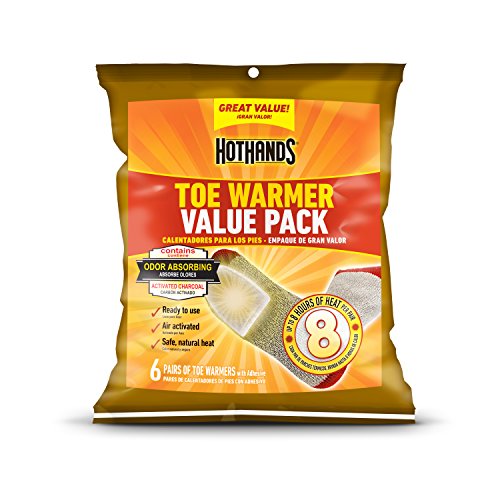
- ARS Mark9.2
ARS Mark is a ranking system developed by bestairriflescopes.com. ARS Mark has no relationship or impact from any manufacturers or sales agent websites. Learn more
- BrandHotHands

- ARS Mark9.2
ARS Mark is a ranking system developed by bestairriflescopes.com. ARS Mark has no relationship or impact from any manufacturers or sales agent websites. Learn more
- BrandHotHands

- ARS Mark9.2
ARS Mark is a ranking system developed by bestairriflescopes.com. ARS Mark has no relationship or impact from any manufacturers or sales agent websites. Learn more
- BrandHotHands

- ARS Mark8.8
ARS Mark is a ranking system developed by bestairriflescopes.com. ARS Mark has no relationship or impact from any manufacturers or sales agent websites. Learn more
- BrandBlack Squid
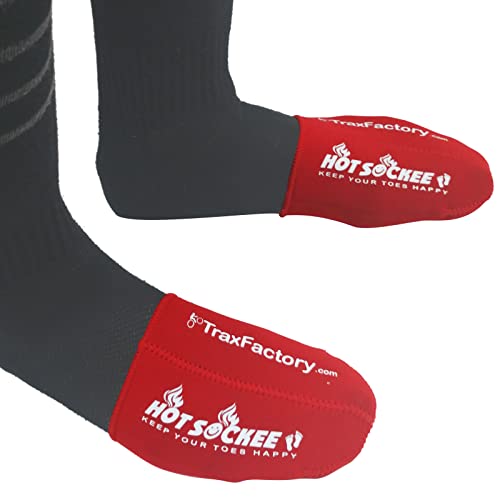
- ARS Mark8.4
ARS Mark is a ranking system developed by bestairriflescopes.com. ARS Mark has no relationship or impact from any manufacturers or sales agent websites. Learn more
- BrandHot Sockee

- ARS Mark8.4
ARS Mark is a ranking system developed by bestairriflescopes.com. ARS Mark has no relationship or impact from any manufacturers or sales agent websites. Learn more
- BrandMR.ICE

- ARS Mark8.4
ARS Mark is a ranking system developed by bestairriflescopes.com. ARS Mark has no relationship or impact from any manufacturers or sales agent websites. Learn more
- BrandHunter Safety System

- ARS Mark8.2
ARS Mark is a ranking system developed by bestairriflescopes.com. ARS Mark has no relationship or impact from any manufacturers or sales agent websites. Learn more
- BrandWORLD-BIO
Last update on 2025-10-29 / Affiliate links / Images, Product Titles, and Product Highlights from Amazon Product Advertising API
Every hunter knows the sting of frozen toes, it doesn’t just hurt, it steals your focus. Sitting in a blind or perching in a stand becomes nearly unbearable when your feet feel like blocks of ice. The result? You’re forced to cut your hunt short, losing out on opportunities you’ve waited weeks, maybe months, to experience. According to outdoor surveys, nearly 40% of hunters admit that cold feet are the main reason they end their day early.
Cold toes don’t just affect comfort, they impact performance and safety. Reduced circulation dulls reflexes, slows reaction times, and can make you less steady with your shot. In extreme cold, frostbite becomes a very real risk, turning what should be a memorable hunt into a medical concern. The reality is, no matter how good your gear or your aim, if your feet fail you, the hunt fails too.
Some hunters believe enduring the cold is part of the challenge. But in truth, toughness doesn’t replace preparation. Having the right gear, socks, and boot setup isn’t about luxury, it’s about giving yourself the best chance to succeed. Once you start treating warm toes as an essential hunting tool, you’ll notice longer hunts, better focus, and stronger outcomes.
That’s why it’s time to shift the mindset: staying warm isn’t optional. It’s as vital as carrying your rifle, maintaining silence, or knowing the wind. Warm toes equal sharp hunting instincts.
Let’s start where warmth begins: socks. Choosing the wrong pair is like sending an open invitation to cold feet. Cotton, though popular in everyday wear, is your worst enemy outdoors. It soaks up sweat and holds moisture, leaving your feet clammy and cold in minutes. Instead, hunters should rely on merino wool or synthetic blends that wick moisture away while trapping heat.
One trick seasoned hunters swear by is layering socks, a thin liner sock to pull moisture away, covered by a thicker insulating pair. This combo creates a microclimate inside your boots that keeps your toes dry and cozy. Just remember, tight layering cuts circulation, so balance insulation with room for blood flow.
Statistics back this up: studies on outdoor endurance athletes show that damp feet lose heat up to 25 times faster than dry feet. That’s a chilling number, literally. By investing in the right socks, you’re not just buying fabric, you’re buying time, comfort, and safety in the wild.
And don’t overlook the simple wisdom of packing extras. Swap out a damp pair midday, and suddenly your toes feel like you’ve hit the reset button. Smart hunters carry spare socks the way they carry ammunition, always prepared for a second round.
Socks alone can’t win this battle, boots are the fortress. Poorly insulated boots will betray you, no matter how good your socks are. Look for models with 400 to 1200 grams of Thinsulate or equivalent insulation depending on how frigid your hunting conditions are. More isn’t always better, though. Over-insulated boots can cause overheating and sweating, leading to dampness that chills you later.
Hunters in cold climates often prefer boots with removable liners. Why? Because you can dry them overnight, preventing next-day dampness. It’s a simple feature that saves countless hunts. Waterproofing is another essential. Step in a shallow stream or cross snowy terrain with non-waterproof boots, and you’ll regret it within minutes. Dry feet equal warm feet, there’s no way around it.
One seasoned hunter put it best: “Spend money on boots first. A great rifle won’t keep you in the stand if your feet give up.” That perspective explains why so many invest heavily in quality footwear. A reliable pair of boots becomes part of your hunting identity.
And remember, fit matters. Boots that are too tight choke circulation, while boots that are too loose let cold air slip in. Your ideal pair should feel snug yet roomy enough for thicker socks without pinching.
Even the best socks and boots can’t fully save you if blood flow slows down. Long hours of stillness, whether you’re glassing the field or waiting quietly in a stand, can cause circulation to plummet. That’s why smart hunters incorporate subtle movement to keep warmth alive.
A simple tactic is wiggling toes every few minutes. It sounds trivial, but this small motion pumps blood through your feet, fighting off the numbness. Flexing ankles, shifting weight, or even lightly stamping feet against the ground can generate just enough heat to stay comfortable without spooking nearby game.
Hunters also benefit from loosening laces slightly. Too-tight boots restrict circulation and can cause toes to freeze faster. By easing tension, you allow better blood flow, which naturally warms extremities.
It’s not just theory either, medical studies confirm that even minimal motion increases foot warmth by nearly 15%. That difference can be the line between enduring the cold or heading home early. By making circulation a conscious part of your hunting routine, you’ll drastically improve your endurance.
Sometimes nature’s cold demands backup. That’s where heated insoles, rechargeable warmers, and disposable heat packs step in. These modern tools can transform your boots into a warm haven. Rechargeable insoles with adjustable temperature settings allow you to tailor heat depending on conditions. Hunters in extreme climates swear by them.
Disposable heat packs remain a budget-friendly go-to. Slip one inside your boots, and you can enjoy 6 to 8 hours of consistent warmth. They’re lightweight, reliable, and easy to stash in your pack. While they don’t replace good gear, they add an extra layer of insurance when the mercury plummets.
Another rising favorite is battery-powered heated socks. Though pricier, they provide direct warmth to your toes, the area most prone to freezing. With advancements in lightweight batteries, hunters can now enjoy hours of steady, controlled heat without bulky setups.
The best part? These tools don’t require sacrificing mobility. You stay warm while remaining agile, alert, and ready for action. Adding heat boosters into your gear lineup might just be the smartest investment you’ll ever make for cold-weather hunts.
Hunters often underestimate the role of moisture control. Sweat is your biggest enemy in freezing weather, and once your feet get damp, the cold sinks in quickly. That’s why experts recommend using breathable boots and moisture-wicking socks together. This combination allows sweat to escape while blocking outside dampness from snow, slush, or wet ground.
Carrying foot powder or anti-perspirant sprays designed for athletes is another smart trick. These reduce sweat production and help keep your skin dry. A hunter who keeps feet dry can often last twice as long in a blind compared to someone fighting damp socks. Dryness equals endurance.
Some hunters even rotate between pairs of boots if conditions are especially wet. It might feel like overkill, but having a backup means you’re never at the mercy of soggy gear. The old adage rings true: take care of your feet, and your feet will take care of you.
Moisture management doesn’t stop at gear. Make it a routine to air out boots overnight and dry socks by the fire or heater. Every small habit here builds toward longer-lasting warmth in the field.
You can’t ignore the role of your own body in generating heat. Staying warm isn’t just about gear, it’s about metabolism and nutrition. Eating high-energy foods rich in protein and healthy fats before a hunt gives your body the fuel to produce heat longer. Hunters who snack on nuts, jerky, or trail mix often notice more consistent warmth in their toes.
Hydration also plays a surprising role. Dehydration reduces circulation, making your extremities cold faster. Sipping warm liquids like tea or broth during a hunt not only keeps you hydrated but also warms your core, which indirectly keeps toes warmer.
Caffeine, though tempting, can backfire. Too much restricts blood vessels, cutting off warmth to the feet. Instead, focus on steady energy sources that sustain body heat. The smarter your fuel choices, the less your toes will pay the price in the cold.
Think of your body as the furnace and your gear as insulation. If you don’t stoke the fire with proper food and drink, no amount of fancy boots or socks will save you.
Long before heated insoles or battery-powered socks, hunters relied on simple, clever methods to fight the cold. Many of these traditional tricks still hold value today. One common practice is slipping a layer of newspaper or wool felt inside boots. These materials add insulation and trap warmth, often making a noticeable difference.
Another old standby is placing a piece of cardboard between the boot sole and the ground while sitting in a stand. This thin barrier reduces direct heat loss into the frozen ground. Hunters swear by it, especially during all-day waits.
Some even carry small flasks of warm water to tuck near their feet during rest periods. Though not practical while moving, it provides quick relief during long still hunts. Simple, inexpensive hacks like these can extend your endurance when modern tools fail or batteries die.
Old-school wisdom reminds us that you don’t always need to spend big to stay warm, you just need to stay resourceful. And sometimes, the simplest solutions prove to be the most reliable.
The mental battle of staying warm shouldn’t be overlooked. The more you fixate on cold toes, the worse they feel. Hunters who mentally prepare themselves often outlast those who panic at the first sign of discomfort. Visualizing success and focusing on the hunt can keep your mind occupied, reducing the psychological impact of the cold.
That doesn’t mean ignoring genuine warning signs like numbness or pain. But maintaining confidence in your preparation and gear creates a positive feedback loop, the warmer you believe you are, the longer you endure.
Hunters also use routines to break the cycle of discomfort. Setting mental reminders to wiggle toes, adjust socks, or shift weight every few minutes prevents the creeping chill from taking control. As one seasoned hunter said, “I hunt with my mind first, my gear second.” That mindset proves the mental game is just as important as physical tactics.
Remember, endurance in the cold is equal parts preparation and attitude. By treating mental toughness as a tool, you give yourself another weapon in the fight against frozen toes.
Staying warm in the field isn’t about one magic fix, it’s about layering strategies. Proper socks wick away sweat, insulated boots lock in heat, circulation tricks keep blood flowing, and modern tech offers backup when nature bites hardest. Pair that with moisture control, smart nutrition, and mental focus, and you’ve got a complete system that keeps you sharp for hours.
The difference between a miserable hunt and a memorable one often comes down to this preparation. Hunters who prioritize foot warmth don’t just survive the cold, they thrive in it. They stay longer, shoot steadier, and walk away with stories of success instead of complaints about numb toes.
By weaving together gear, habits, and mindset, you take charge of the cold instead of letting it dictate your hunt. Warm toes aren’t luck, they’re the result of smart choices. And once you’ve mastered those choices, the cold becomes just another part of the challenge, not the reason to call it quits.


12 Best 22 Pcp Air Rifle For Hunting of 2026 With Quiet Power

7 Best 22 Pcp Air Rifle Under 300 of 2026 For Backyard Pest Control

10 Best 22 Break Barrel Air Rifles of 2026 For Backyard Pest Control

10 Best 30 Caliber Pcp Air Rifle of 2026 For Medium Game

Top Best 177 Air Rifle Under 100: Budget-Friendly Picks for 2026

How to Safely Reload Shotgun Shells at Home

11 Best Co2 Air Rifle For Pest Control of 2026 To Ensure Humane Dispatch

12 Best Inexpensive Air Rifles of 2026 For Dependable Backyard Accuracy






