
How to Lube a Crossbow Rail and Strings

Basic maintenance on a bow is simple routine care that should never cause stress. To protect the setup, spread a thin drop of liquid along each side of the arrow track and work string wax into the exposed cords. The entire chore takes under two minutes. The main trick is simply keeping heavy oils and sticky waxes out of the internal latch that holds the bowstring.
The exact routine depends on how often you shoot and the weather outside, since the track needs a fresh wipe every seventy-five to one hundred shots or after getting caught in the rain. Different models also feature different track metals that call for specific fluids, while the string cords always need soft wax rather than liquid oil. Following the right order keeps the bow quiet, fast, and completely safe to draw.
Rail Lube Versus Bowstring Wax: Knowing What Goes Where
Every time you pull the trigger, your crossbow releases hundreds of pounds of stored energy in a fraction of a second. The bowstring slams forward against the arrow track (the long grooved deck where the arrow rests), generating immediate friction and heat. Keeping those moving parts slick prevents premature wear, preserves arrow speed, and protects the delicate fibers of your string from burning up.
Many shooters hold a bottle of liquid oil in one hand and a tube of string wax in the other, completely unsure of where each product belongs. Putting the wrong lubricant in the wrong place can gum up your safety mechanisms or ruin expensive strings. Understanding the clear difference between the arrow track and the string bundle keeps your bow shooting smoothly season after season.
Liquid rail lubricant exists specifically for hard, non-porous surfaces. The arrow track is typically machined from aluminum or molded from durable composite materials. When the string travels down this channel, steel and synthetic polymer rub together under immense pressure. Liquid rail lube creates an ultra-thin barrier that reduces friction without collecting dirt or turning into sticky sludge.
String wax serves an entirely different purpose for your bowstring and harness cables. These lines consist of hundreds of tightly packed synthetic polymer strands under continuous tension. Over time, air, sun, and repeated flexing cause these fibers to dry out and fuzz up. String wax seals the bundle, locks out rain and moisture, and stops internal fibers from wearing against each other inside the strand.
The wrapped middle section of the string (often called the center serving) requires special attention. This is the reinforced segment wrapped in protective thread that directly strikes the arrow nock and rests inside the internal latch mechanism that holds the string (the trigger box). You should never apply wax to this wrapped middle section. Wax collects grit that can migrate straight into your trigger housing, which can create dangerous mechanical jams.
Manufacturer guidelines also dictate what fluid you should pick for the track. Some modern bow designs demand a specific liquid synthetic oil, while traditional designs occasionally allow a light wipe of dry wax along the rail deck. Always verify your owner guide before choosing a formula, especially if your bow uses high pull weight (how much muscular effort it takes to pull the bowstring back) to launch heavy hunting arrows.
Step-by-Step Guide to Lubricating the Arrow Track and Waxing Strings
Taking care of your crossbow takes less than five minutes once you know the basic sequence. You do not need specialized tools, but you do need a clean work area and a lint-free cloth. Work slowly and follow these steps in order to ensure complete coverage without making a mess.
- Wipe down the arrow track: Start by taking a clean, dry microfiber cloth and wiping the entire length of the arrow track from the trigger housing down to the front riser. Remove old lubricant residue, dust, field grime, and leftover carbon flecks. Never apply fresh lubricant over dirty film, because gritty residue acts like sandpaper against your string serving.
- Place drops on both sides of the track: Hold your bottle of liquid rail lubricant above the clean channel. Squeeze one or two tiny drops onto the flat deck on the left side of the track, and one or two drops on the right side. You only need a droplet the size of a pinhead. Excess fluid will not make the bow shoot faster and will only splatter across your optic when you fire.
- Spread the lubricant across the metal: Use the clean tip of your index finger to smooth the drops evenly down the length of the track. Coat the flat surface where the bowstring slides back and forth during the shot. Stop your finger about one inch before reaching the internal latch mechanism so fluid never pools near the trigger housing. When finished, the track should look faintly wet or glossy, with no standing puddles.
- Inspect the bowstring and harness cables: Look closely at the exposed bundles running between the cams or limb tips. Check for dry, white, or fuzzy fibers that show where the strands are thirsting for moisture. If you notice broken strands or deep gouges in the core bundle, stop shooting immediately and take the bow to an archery pro shop bow press technician for string replacement.
- Apply wax to the exposed string bundles: Uncap your tube of bowstring wax and extend the stick slightly, just like a tube of lip balm. Rub the wax stick directly along all exposed, unwrapped sections of the bowstring and split harness cables. Coat all sides of the fiber bundle thoroughly, but remember to skip the wrapped middle section that contacts the arrow nock.
- Melt the wax into the strands using friction: Pinch the waxed string lightly between your thumb and forefinger. Slide your fingers rapidly back and forth along the length of the bundle for several seconds. The heat created by friction melts the wax instantly, pulling it deep into the center of the bundle rather than leaving it sitting as a sticky paste on the outside. You can also use a small scrap of soft leather to protect your fingertips while generating heat.
Once you finish burnishing the wax, the string should feel smooth, pliable, and slightly tacky, with zero visible white clumps. Wipe off any wax that accidentally brushed against the metal frame or the wrapped center serving using your dry cloth. Proper routine care on your friction surfaces ensures smooth arrow release, whether you shoot casual targets or head into dense timber with a TenPoint TX Ultra 265 crossbow.
Critical Areas to Avoid and Safe Reapplication Schedules
Knowing where lubricant does not belong is just as critical as knowing where to put it. Crossbows rely on tight mechanical tolerances to hold back extreme limb pressure safely. Introducing slick chemicals or sticky wax into sensitive components can cause severe equipment damage or accidental firing.
Keep your wax and liquid lubricants completely away from the following parts:
- The internal latch mechanism (the trigger box): Liquid oils wash out factory grease and attract gritty dust into the internal sears, while heavy waxes can cause the latch pawls to stick open in cold weather.
- The arrow retention spring or retention brush: This small metal arm or brush holds the arrow securely down on the track. Saturating it with oil collects dirt and transfers slick residue onto arrow vanes, causing erratic arrow flight.
- The wrapped middle section of the bowstring: Waxing this center serving allows sticky residue to enter the trigger latch every time you cock the bow.
- Scope lenses and sight dials: Splattered lubricant blurs optical glass and can dissolve adhesive seals around aiming pins or side-to-side elevation dials.
Understanding when to reapply maintenance fluids depends on how often you pull the trigger and the environmental conditions you encounter. Target shooters who fire dozens of arrows in an afternoon require a much tighter schedule than hunters who fire only once or twice a month.
During regular target practice, apply rail lubricant every 75 to 100 shots. You can tell the track needs attention when the glossy sheen disappears and the metal feels dry to the touch. String wax lasts somewhat longer, usually needing reapplication every 150 to 200 shots, or whenever the string fibers begin to look dry and pale.
Hunting conditions demand extra vigilance. Wet weather, frost, and dust strip lubricants much faster than clean indoor range environments. If you carry your bow through steady rainfall or morning dew, dry the track completely as soon as you return to camp and apply a single drop of lube to prevent moisture from sitting on the metal deck.
When preparing your gear for off-season storage, clean both the track and strings thoroughly. Apply a fresh coat of wax to all exposed cable bundles to prevent the synthetic fibers from drying out in heated indoor air. Store the bow uncocked in a climate-controlled room away from hot attics, damp basements, or direct sunlight.
Selecting the Right Crossbow Maintenance Lubricants
Choosing proper archery maintenance supplies is an easy way to protect your equipment investment. Taking good care of friction tracks and synthetic cables is just as vital as finding the best TenPoint crossbow for hunting, because even top-tier gear loses speed and accuracy when friction builds up.
Never reach for general household oils, spray penetrants, or petroleum jelly when caring for your bow. Household oils contain petroleum distillates that actively dissolve synthetic bowstring materials and degrade plastic arrow nocks. Spray cans also use aerosol propellants that blast uncontrolled fluid into trigger boxes and delicate sight assemblies.
Dedicated rail lubricants use 100% synthetic fluids or specialized silicone formulas designed specifically for high-friction tracks. Look for odorless formulas, especially if you plan to hunt whitetail deer or elk, as wild game easily detects chemical odors lingering on your equipment. Squeeze bottles equipped with fine needle-dropper tips are ideal because they allow you to place small, controlled droplets without spilling fluid onto adjacent stock parts.
For string care, select a dedicated bowstring wax stick made with natural beeswax blended with conditioning softeners. Quality waxes melt quickly under simple hand friction without requiring dangerous external heat sources like hair dryers or open flames. A good wax stick should feel slightly soft at room temperature and remain flexible even during chilly autumn mornings in a hunting blind.

- ARS Mark8.6
ARS Mark is a ranking system developed by bestairriflescopes.com. ARS Mark has no relationship or impact from any manufacturers or sales agent websites. Learn more
- Brand.30-06 Outdoors
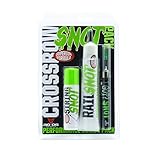
- ARS Mark8.0
ARS Mark is a ranking system developed by bestairriflescopes.com. ARS Mark has no relationship or impact from any manufacturers or sales agent websites. Learn more
- BrandG5 Outdoors
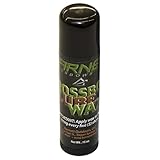
- ARS Mark7.9
ARS Mark is a ranking system developed by bestairriflescopes.com. ARS Mark has no relationship or impact from any manufacturers or sales agent websites. Learn more
- BrandBARNETT
Last update on 2026-10-20 / Affiliate links / Images, Product Titles, and Product Highlights from Amazon Product Advertising API
FAQs
Can household oils or petroleum jelly work as crossbow lubricant?
No, you should never use household oils, spray lubricants, or petroleum jelly on your crossbow. These products contain petroleum distillates that soften and rot synthetic bowstring materials over time. They also thin out rapidly under friction heat and attract grit that scratches the arrow track.
What should you do if lubricant accidentally enters the trigger box?
Dab away any visible pooled liquid around the housing opening using a clean, dry cotton swab. Do not spray solvents or water inside the housing to flush it out, as this removes essential factory grease. If the trigger feels sluggish, sticky, or fails to lock into the safe position reliably, have an archery shop inspect the mechanism before shooting again.
How does cold hunting weather change how you apply rail lube?
Freezing temperatures cause heavy oils and waxy residues to thicken, which can slow down arrow velocity and alter your point of impact downrange. When hunting in sub-freezing weather, use an ultra-thin synthetic rail fluid and apply it very sparingly. Check the arrow track before climbing into your tree stand to ensure no icy slush or gummy residue has accumulated along the flight groove.


12 Best 22 Pcp Air Rifle For Hunting of 2026 With Quiet Power

7 Best 22 Pcp Air Rifle Under 300 of 2026 For Backyard Pest Control

10 Best 22 Break Barrel Air Rifles of 2026 For Backyard Pest Control

10 Best 30 Caliber Pcp Air Rifle of 2026 For Medium Game

Top Best 177 Air Rifle Under 100: Budget-Friendly Picks for 2026

How to Safely Reload Shotgun Shells at Home

11 Best Co2 Air Rifle For Pest Control of 2026 To Ensure Humane Dispatch

12 Best Inexpensive Air Rifles of 2026 For Dependable Backyard Accuracy






