
How to Make a Gun Holster That Fits Right

How to make a gun holster starts with more than cutting leather or heating plastic. Fit, comfort, retention, and draw angle all play a huge role in whether the holster actually feels usable day after day. A poorly shaped holster can shift around, dig into your side, or loosen over time, and honestly, that gets old fast. Small details like belt attachment spacing or edge finishing can completely change how natural the setup feels.
Most people run into the same headaches early on. The firearm either sits too loose, grips too tightly, or rides at an awkward angle that makes carrying uncomfortable after a couple of hours. That’s why understanding holster retention, ride height, and body positioning matters before touching any tools. A little planning upfront saves a pile of frustration later.
Leather remains popular because it molds naturally over time and develops a broken-in feel that many people still prefer. Kydex, though, offers sharper retention and handles moisture far better during humid weather or sweaty range sessions. Neither material solves every problem perfectly, so the choice usually comes down to comfort expectations, maintenance habits, and daily carry conditions. Some setups even combine both materials to balance flexibility with rigidity.
Cutting corners during the molding stage usually backfires. Loose retention creates movement, while over-tight molding can scratch finishes or slow down the draw. Careful shaping around the trigger guard often makes the biggest difference because that area controls much of the locking tension. Smooth edges and rounded contours also prevent irritation against clothing or skin, especially during longer wear.
Good craftsmanship doesn’t always require fancy equipment, either. Plenty of reliable holsters come together with simple hand tools, patience, and repeated fit checks along the way. Consistent spacing on rivets or stitching helps the holster maintain its structure over time instead of warping unevenly. Attention to detail matters more than flashy materials.
Comfort tends to separate a holster that stays in the drawer from one that actually gets used. A rigid shape pressing into the hip or ribs can become unbearable after sitting, driving, or walking around all day. Slight adjustments to cant angle or sweat guard height often improve carry comfort dramatically. Tiny tweaks really can make or break the entire setup.
How to make a gun holster also involves understanding long-term durability. Moisture exposure, repeated drawing, and body heat all wear materials differently over time. Leather benefits from conditioning and careful drying, while Kydex usually needs occasional hardware tightening to maintain retention consistency. Paying attention to maintenance keeps the holster dependable instead of unpredictable.
Some people prefer minimalist inside-the-waistband designs for concealment, while others lean toward outside-the-waistband setups for easier access and comfort. Each style comes with tradeoffs that affect concealment, accessibility, and overall wearability. Matching the design to realistic daily use matters far more than copying trendy configurations. Practicality almost always wins in the long run.
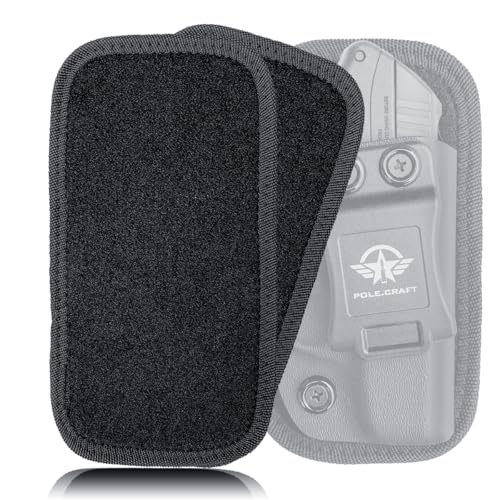
- ARS Mark9.4
ARS Mark is a ranking system developed by bestairriflescopes.com. ARS Mark has no relationship or impact from any manufacturers or sales agent websites. Learn more
- BrandPOLE.CRAFT
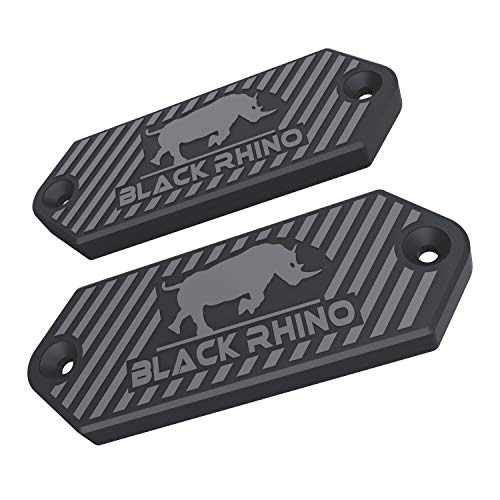
- ARS Mark9.2
ARS Mark is a ranking system developed by bestairriflescopes.com. ARS Mark has no relationship or impact from any manufacturers or sales agent websites. Learn more
- BrandFangool
- ARS Mark8.8
ARS Mark is a ranking system developed by bestairriflescopes.com. ARS Mark has no relationship or impact from any manufacturers or sales agent websites. Learn more
- BrandGHFY

- ARS Mark8.6
ARS Mark is a ranking system developed by bestairriflescopes.com. ARS Mark has no relationship or impact from any manufacturers or sales agent websites. Learn more
- BrandSZWRSKJ

- ARS Mark8.6
ARS Mark is a ranking system developed by bestairriflescopes.com. ARS Mark has no relationship or impact from any manufacturers or sales agent websites. Learn more
- BrandHEIMORIOTO

- ARS Mark8.6
ARS Mark is a ranking system developed by bestairriflescopes.com. ARS Mark has no relationship or impact from any manufacturers or sales agent websites. Learn more
- BrandLIBOSHENG

- ARS Mark8.6
ARS Mark is a ranking system developed by bestairriflescopes.com. ARS Mark has no relationship or impact from any manufacturers or sales agent websites. Learn more
- BrandLandFoxtac

- ARS Mark8.6
ARS Mark is a ranking system developed by bestairriflescopes.com. ARS Mark has no relationship or impact from any manufacturers or sales agent websites. Learn more
- BrandAomago

- ARS Mark8.4
ARS Mark is a ranking system developed by bestairriflescopes.com. ARS Mark has no relationship or impact from any manufacturers or sales agent websites. Learn more
- BrandLandFoxtac
- ARS Mark8.2
ARS Mark is a ranking system developed by bestairriflescopes.com. ARS Mark has no relationship or impact from any manufacturers or sales agent websites. Learn more
- BrandAIKATE
Last update on 2026-07-06 / Affiliate links / Images, Product Titles, and Product Highlights from Amazon Product Advertising API
How To Make A Gun Holster That Fits Right
Cheap holsters have a nasty habit of looking decent online and feeling terrible after a few hours on your belt. One edge digs into your side, the firearm shifts every time you sit down, and suddenly carrying feels more irritating than practical. That frustration pushes many people toward learning how to make a gun holster that actually matches their carry style, body shape, and comfort needs. A custom setup gives far more control over retention, draw angle, and long-term durability than many factory-made options sitting on store shelves.
Why Homemade Holsters Keep Gaining Attention
Store-bought holsters often force compromises that become obvious pretty quickly. One model may conceal well but collapse during reholstering, while another rides too high and constantly prints through clothing. Building your own holster allows you to focus on comfort, daily practicality, and the exact firearm dimensions instead of settling for “close enough.” Small details like sweat guard height or cant angle suddenly become adjustable instead of permanent annoyances.
Money plays a role too, honestly. A premium holster can cost a surprising amount, especially after adding upgraded clips, belt attachments, or custom finishes. Many people realize they can buy raw leather or Kydex sheets, basic hardware, and a few tools for less than the price of multiple disappointing holsters. That flexibility also makes future adjustments easier if carry preferences change later.
Another big factor is consistency. Factory holsters sometimes vary slightly in molding precision, especially around the trigger guard where retention matters most. A homemade design lets you repeatedly test fit during construction until the firearm locks into place with the amount of tension you actually prefer. That hands-on process often creates a better relationship between comfort and security.
Customization keeps pulling people in as well. Some prefer deep concealment with minimal bulk, while others prioritize smoother access during range practice or outdoor use. A handmade holster allows space for those personal tweaks without forcing extra features nobody asked for. Little things matter more than they seem at first.
Leather And Kydex Feel Completely Different
Leather has a softer personality right out of the gate. It flexes slightly against the body, molds over time, and usually feels warmer during colder weather. Many people stick with leather because the material develops a worn-in feel that gets more comfortable after repeated use. Still, leather requires more maintenance and reacts poorly to constant moisture exposure.
Kydex moves in the opposite direction. The material stays rigid, keeps its shape, and creates a sharper retention “click” around the firearm. That rigid shell improves consistency during draws and reholstering, especially for concealed carry setups where stability matters. Sweat and humidity also affect Kydex far less than traditional leather designs.
Each material comes with tradeoffs that become obvious through daily use. Leather can soften too much over time if it’s poorly reinforced, while Kydex may feel less forgiving against the hip during long sitting sessions. Neither option magically solves every carry issue, despite what online debates sometimes suggest. Comfort depends heavily on construction quality and body positioning.
Some hybrid holsters try balancing both materials together. A flexible leather or neoprene backing paired with a molded Kydex shell creates a mix of structure and comfort that appeals to many concealed carriers. Those combinations can work well, though cheaper hybrid models sometimes separate around the mounting hardware after repeated stress. Build quality still matters more than marketing language.
Proper Retention Changes Everything
Loose retention gets annoying fast. The firearm shifts while walking, moves during vehicle entry, and creates that constant need to readjust the holster throughout the day. Strong retention keeps the firearm stable while still allowing a smooth draw without excessive force. That balance takes patience during the molding process.
The trigger guard usually controls most of the locking tension in a holster. Too little pressure there creates movement, but too much pressure can slow the draw or wear down finishes over time. Careful molding around that area creates a cleaner retention point without crushing the entire firearm shape into the material. Tiny adjustments make noticeable differences.
Kydex builders often heat the material gradually before pressing it around the firearm mold. Rushing this process usually creates uneven retention or weak shaping around critical contact points. Leather behaves differently because wet molding requires time, pressure, and controlled drying conditions to hold its final shape properly. Both methods reward patience instead of speed.
Retention also changes depending on carry position. Appendix carry usually benefits from tighter control because movement near the front of the body becomes more noticeable. Strong-side carry may allow slightly softer retention without sacrificing stability. Personal movement patterns matter more than generic internet advice.
Small Comfort Tweaks Matter More Than Fancy Features
People often obsess over clips, rivets, or exotic materials while ignoring the simple comfort details that affect daily wear. A sharp corner pressing into the ribs can ruin an otherwise solid holster. Rounded edges, smoother contours, and proper ride height usually matter far more than decorative upgrades. Comfort decides whether the holster actually gets worn consistently.
Ride height affects concealment and accessibility at the same time. A firearm riding too low may hide better but become awkward to grip during the draw. Too high, and the setup can tilt outward or print through clothing more noticeably. Testing different positions before permanent assembly helps avoid frustration later.
Cant angle changes body movement more than many beginners expect. A slight forward cant may improve draw comfort during seated positions, while neutral cant often feels faster during standing range drills. Body shape also changes what feels natural. There’s no universal “correct” setup that works perfectly for everybody.
Sweat guards deserve more attention than they usually get. A properly shaped sweat guard protects the firearm from moisture while reducing sharp contact against the body. Oversized sweat guards, though, sometimes interfere with grip access or dig into the torso during bending. Balance matters everywhere in holster design.
Explore practical carry improvements with best bow under 800 gear ideas that focus on balanced handling and long-session comfort.
Cheap Hardware Causes Expensive Frustration
Weak screws and flimsy clips become obvious after a few weeks of daily movement. Hardware handles constant tension from sitting, bending, walking, and drawing, so cheap components rarely stay reliable for long. Thread-locking compounds help prevent screws from loosening during repeated movement. Skipping that small step often creates annoying maintenance problems later.
Belt clips deserve careful attention because they directly affect stability. Some clips grab aggressively but become difficult to remove, while others slide too easily during movement. A good clip balances hold strength with reasonable flexibility instead of forcing constant readjustments throughout the day. Retention means very little if the entire holster shifts around constantly.
Spacing between mounting points matters too. Clips positioned too closely together may cause the holster to rotate or lean awkwardly during movement. Wider spacing spreads weight more evenly and improves stability against the belt line. Comfort usually improves once the setup stops fighting natural body movement.
Rivets and eyelets also affect long-term structure. Poorly installed hardware can crack Kydex or create weak spots in leather over time. Consistent spacing and clean pressure during installation help preserve durability while keeping the holster shape stable. Strong construction doesn’t need flashy materials to stay dependable.
Wet Molding Leather Takes Patience
Leather holsters gain their shape through moisture, pressure, and drying time. Rushing the wet molding process usually creates soft retention or uneven contours that never fully tighten around the firearm. Damp leather should feel flexible but not soaked to the point where fibers begin weakening. Too much water often creates more problems than solutions.
Many builders wrap the firearm in plastic before molding to protect finishes from moisture exposure. That barrier also creates a slight spacing buffer, which helps prevent the final fit from becoming too tight once the leather dries completely. Gentle pressure around the trigger guard and slide areas usually produces the cleanest retention shape. Heavy-handed molding can distort the design quickly.
Drying conditions affect the final result more than people realize. Excessive heat may harden leather unevenly or cause cracking over time, while humid environments slow the curing process significantly. Controlled air drying creates more consistent structure without stressing the material unnecessarily. Patience really pays off here.
Edge finishing improves comfort and longevity at the same time. Rough leather edges rub against clothing, absorb sweat faster, and begin fraying after repeated wear. Burnishing tools, edge dye, and conditioning products create smoother surfaces that feel noticeably better during everyday carry. Tiny details keep stacking up throughout the build process.
Kydex Molding Requires Controlled Heat
Kydex becomes surprisingly workable once heated to the right temperature range. Too little heat leaves the material stiff and difficult to mold, while overheating creates bubbling, warping, or glossy surface damage. Even heating matters because cold spots resist shaping and create inconsistent retention around the firearm. Slow adjustments usually work better than aggressive heating.
Foam presses help distribute pressure evenly during molding. Without balanced pressure, one side may grip tightly while the other stays loose or uneven. Builders often spend more time refining the press setup than actually shaping the material itself. That preparation saves headaches during final fitting.
Trigger guard definition creates much of the retention feel in Kydex holsters. Pressing too hard across the entire firearm can create excessive friction during the draw. Controlled pressure around key locking points creates better retention without making the firearm difficult to remove. Precision matters far more than brute force.
Finishing work still matters after molding ends. Sharp Kydex edges can irritate skin and wear through clothing surprisingly fast. Sanding and smoothing every exposed edge creates a cleaner, more comfortable final product. Rough edges may seem minor at first, but daily carry makes those flaws impossible to ignore.
Carry Position Changes The Entire Experience
Appendix carry, strong-side carry, and outside-the-waistband setups all create completely different movement patterns. A holster that feels comfortable standing up may become miserable while driving or bending repeatedly throughout the day. Testing movement realistically helps reveal pressure points before permanent adjustments get locked in place. Everyday motion exposes weak design choices quickly.
Appendix carry often benefits from slimmer profiles and stronger retention because movement near the front of the body feels more noticeable. Excessive bulk becomes uncomfortable fast during sitting or vehicle use. Small wedge attachments sometimes help angle the grip inward for better concealment and reduced printing. Tiny geometry changes matter a lot here.
Strong-side carry typically spreads weight more naturally across the hip area. Many people find it more comfortable during extended standing or walking sessions. Draw angles also feel more intuitive for some body types in this position. Still, concealment may require looser clothing depending on firearm size.
Outside-the-waistband holsters prioritize accessibility and comfort differently. They usually feel less restrictive but sacrifice concealment unless covered carefully by outer garments. Outdoor work, range sessions, and colder weather often make outside carry more practical than deep concealment setups. Different routines call for different compromises.
Compare outdoor carry setups and gear balance through best wood for self bow material discussions that focus on durability and control.
How To Build A Comfortable Concealed Carry Holster
Hours of carrying can expose flaws that never show up during a quick mirror check at home. Pressure points creep in while driving, clips start shifting after repeated movement, and weak retention suddenly feels risky instead of convenient. Building a better setup around comfort, retention stability, and realistic movement patterns helps a homemade holster feel dependable instead of frustrating. Little adjustments often solve the exact problems that make many factory holsters end up forgotten in a drawer.
Edge Finishing Affects Daily Comfort
Sharp edges may seem minor during the build process, but they become impossible to ignore after hours of carry. Rough corners rub against clothing, irritate skin, and create pressure spots that slowly wear down patience throughout the day. Smooth edges improve comfort, reduce friction, and help the holster move naturally with the body instead of fighting against it. Sanding and polishing deserve more attention than many beginners expect.
Kydex edges usually need progressive sanding to avoid rough spots that scrape during movement. Starting with coarse grit and gradually moving toward finer sanding creates a cleaner contour without leaving jagged transitions behind. Rounded corners also reduce printing under lightweight clothing. Tiny finishing details make the holster feel far more refined.
Leather edges require a different approach because exposed fibers absorb sweat and wear unevenly over time. Burnishing tools compress those fibers into a smoother surface that feels better against skin and fabric. Edge dye and conditioning products also help seal moisture out while improving long-term durability. A rough leather edge ages badly if ignored.
Holsters built for all-day carry benefit from slightly softened contours around pressure zones. The lower muzzle edge, sweat guard corners, and belt attachment areas tend to create the most irritation during movement. Careful shaping in those spots improves wearability without changing retention strength. Comfort rarely depends on one big feature.
Bad Belt Support Ruins Good Holsters
A well-made holster still performs poorly if the belt underneath lacks structure. Weak belts flex too much, causing the firearm to lean outward or shift during walking and sitting. Strong belt support spreads weight evenly while helping the holster maintain a consistent draw position. Stability starts at the belt line.
Thin department store belts usually twist under the weight of a firearm and loaded magazine. That movement increases printing and creates constant readjustment throughout the day. Reinforced carry belts reduce sagging while improving overall comfort during longer wear sessions. Better support also helps concealment stay more consistent.
Clip spacing matters here too. Narrow attachment points may allow excessive movement during bending or twisting motions. Wider spacing spreads pressure across the belt and keeps the holster anchored more securely against the body. Even small changes in attachment geometry can noticeably improve comfort.
Outdoor carry setups often prioritize balance and stability in similar ways. Explore gear control ideas through best bow for short draw length setups that focus on handling comfort and reduced strain during extended use.
Draw Speed Depends On Consistency
Fast draws rarely come from aggressive movement alone. Consistency matters more because predictable positioning allows cleaner hand placement and smoother firearm access. A homemade holster should maintain the same angle and retention level every single time it’s worn. Muscle memory develops faster once movement patterns stop changing.
Loose clips and shifting belt positions slow everything down during stressful moments. Reaching for a firearm that has tilted or shifted slightly creates hesitation that feels awkward immediately. Stable mounting hardware helps maintain reliable grip access from the exact same angle every time. Repetition builds smoother performance.
Grip exposure also affects draw efficiency. Excessively tall sweat guards or overly deep carry positions may improve concealment slightly while making the draw more awkward. There’s always a tradeoff between concealment and accessibility. The smartest setups balance both instead of chasing extremes.
Practice reveals flaws quickly. Sitting, standing, bending, and vehicle entry all change how the holster behaves throughout the day. Testing those movements early during the build process prevents long-term frustration after everything becomes permanently assembled. Real-world movement tells the truth faster than theory.
Moisture Slowly Damages Poor Builds
Body heat and sweat create constant exposure to moisture during concealed carry. Leather absorbs that moisture gradually, softening over time if it isn’t treated properly. Kydex avoids absorption problems but may trap sweat against the body depending on the design. Material choice affects long-term maintenance more than many people expect.
Leather holsters benefit from occasional conditioning products that preserve flexibility without oversoftening the material. Too much conditioning weakens structure and retention, though, so moderation matters. Drying leather naturally after exposure also prevents cracking and stiffness later on. Excessive heat creates long-term damage surprisingly fast.
Kydex hardware needs periodic inspection because repeated movement loosens screws gradually over time. Thread-locking compounds help reduce this issue, but regular maintenance still matters. Small adjustments every few weeks often prevent larger problems later. Ignoring loose hardware usually leads to shifting retention or unstable carry angles.
Moisture also affects stitching and rivet areas differently depending on material thickness and daily conditions. Reinforced stress points help prevent premature wear during repeated movement and humidity exposure. Builders who account for sweat early usually end up with holsters that stay reliable longer. Environmental wear never really stops.
Concealment Depends On Body Movement
Standing still in front of a mirror doesn’t reveal much about concealment quality. Walking, reaching overhead, sitting down, and twisting around expose printing problems almost immediately. A good homemade holster should move naturally with the body instead of resisting every motion. Daily movement reveals the real test.
Grip length usually prints more than barrel length during concealed carry. Slightly adjusting cant angle or ride depth often improves concealment better than simply switching holsters entirely. Tiny positional changes create surprisingly noticeable improvements under lightweight clothing. Comfort and concealment tend to overlap here.
Body shape changes everything. A setup that hides perfectly on one person may feel awkward or print heavily on someone else. Homemade holsters allow those small personalized adjustments that factory models rarely provide. Fine-tuning the fit helps eliminate many common concealment frustrations.
Seasonal clothing changes also affect carry comfort and concealment patterns. Heavier winter layers may allow larger setups, while summer clothing often demands slimmer profiles and softer edges. Adaptability matters because carry conditions rarely stay identical year-round. Flexible design choices hold up better over time.
Cheap Materials Create Long-Term Problems
Budget materials often look acceptable during initial assembly but begin failing after repeated stress. Thin leather stretches unevenly, weaker Kydex loses shape under heat exposure, and low-grade hardware loosens faster than expected. Better materials improve retention consistency, structural stability, and daily comfort over longer periods. Shortcuts usually reveal themselves pretty quickly.
Leather thickness plays a major role in long-term structure. Thin leather may feel comfortable initially but collapse more easily around the opening after extended use. Heavier leather provides stronger retention and shape stability while resisting deformation better during daily carry. Balance still matters because excessive thickness increases bulk.
Kydex thickness affects rigidity and comfort differently. Thicker sheets create stronger structure but may feel stiffer against the body during movement. Thinner sheets reduce bulk but sometimes flex too much around attachment points over time. Material selection should match realistic carry expectations instead of internet trends.
Precision shooting accessories rely on similar durability tradeoffs. Compare support equipment through best bipod for varmint hunting discussions that focus on long-session stability and reliable field performance.
Testing The Holster Before Daily Carry Matters
New holsters should never jump straight into full-time carry without repeated testing first. Drawing, reholstering, walking, sitting, and bending reveal flaws that static inspections completely miss. Small adjustments feel easier before the hardware settles permanently into place. Testing saves frustration later.
Retention checks help confirm that the firearm stays secure during movement without becoming excessively difficult to draw. Tilting the unloaded holster carefully while monitoring retention strength exposes weak molding areas quickly. Minor heating or reshaping may correct those issues before they worsen. Controlled testing creates confidence.
Comfort testing matters just as much as retention. A holster that feels acceptable for fifteen minutes may become miserable after several hours of wear. Pressure points usually show up around clips, corners, or muzzle edges first. Catching those issues early prevents wasted effort on an otherwise solid build.
Daily routines should guide final adjustments. Vehicle use, office seating, outdoor movement, and seasonal clothing all affect how the holster behaves in practical situations. Homemade designs shine because they allow those personalized refinements instead of forcing one rigid factory setup onto every situation. Consistency, comfort, and realistic movement patterns usually separate dependable holsters from disappointing ones.


12 Best 22 Pcp Air Rifle For Hunting of 2026 With Quiet Power

7 Best 22 Pcp Air Rifle Under 300 of 2026 For Backyard Pest Control

10 Best 22 Break Barrel Air Rifles of 2026 For Backyard Pest Control

10 Best 30 Caliber Pcp Air Rifle of 2026 For Medium Game

Top Best 177 Air Rifle Under 100: Budget-Friendly Picks for 2026

How to Safely Reload Shotgun Shells at Home

11 Best Co2 Air Rifle For Pest Control of 2026 To Ensure Humane Dispatch

12 Best Inexpensive Air Rifles of 2026 For Dependable Backyard Accuracy






