
How to Make a Homemade Arrow Quiver That Lasts

How to make a homemade arrow quiver sounds simple at first glance, yet plenty of people end up wrestling with flimsy fabric, awkward straps, or arrows poking out at the wrong angle. A store-bought quiver can feel overpriced for something that should fit naturally into your setup. So, building one yourself starts making a whole lot of sense. A well-made DIY quiver gives better control over comfort, arrow spacing, weight balance, and even noise reduction while walking through brush or uneven ground.
Some folks want a rugged leather look. Others just need a lightweight option tossed together from canvas, PVC, or scrap fabric sitting in the garage. That flexibility is what keeps this project interesting. One material handles rainy conditions better, while another feels softer against the shoulder during long practice sessions. Little details matter more than expected, especially once arrows start rattling around every few steps.
Strap placement becomes a bigger deal than most people realize. Too loose, and the quiver swings like crazy during movement. Too tight, and it digs into the shoulder after twenty minutes outside. A homemade design lets you tweak those annoying pain points without getting stuck with factory measurements that never quite fit right. Honestly, that alone saves a lot of frustration.
Noise control also deserves attention. Hunting setups often fail because of tiny sounds people ignore indoors. Loose arrow shafts tapping against hard plastic can ruin a quiet moment fast. Adding soft inner lining, leather strips, or felt padding helps create a quieter carry system without turning the build process into a complicated mess. Small adjustments can completely change how practical the quiver feels outdoors.
Storage matters too, especially during longer practice days. Some homemade quivers include side pockets for wax, gloves, field points, or small tools. Others stay stripped down for speed and lighter weight. Neither approach is wrong. The trick is matching the build to real-world habits instead of copying flashy designs that look good online but become irritating after repeated use.
Durability sneaks into the conversation pretty quickly. Cheap stitching or thin straps tend to fail right where stress builds up most. Reinforced seams, rivets, thicker thread, and sturdy attachment points help the quiver survive repeated use without constant repairs. A rough-looking handmade setup can still hold up surprisingly well if the core structure stays solid.
How to make a homemade arrow quiver becomes far more rewarding once the design starts reflecting personal shooting style instead of generic templates. Some builds ride high across the back for faster movement. Others hang lower for easier reach during target practice. That freedom to customize changes the whole experience and makes the final result feel genuinely useful rather than decorative clutter collecting dust in a corner.

- ARS Mark10.0
ARS Mark is a ranking system developed by bestairriflescopes.com. ARS Mark has no relationship or impact from any manufacturers or sales agent websites. Learn more
- BrandCiltlurk

- ARS Mark9.8
ARS Mark is a ranking system developed by bestairriflescopes.com. ARS Mark has no relationship or impact from any manufacturers or sales agent websites. Learn more
- BrandSHENG-RUI
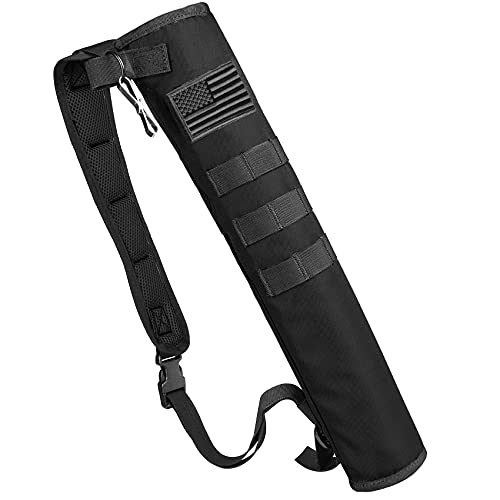
- ARS Mark9.2
ARS Mark is a ranking system developed by bestairriflescopes.com. ARS Mark has no relationship or impact from any manufacturers or sales agent websites. Learn more
- BrandKRATARC

- ARS Mark8.8
ARS Mark is a ranking system developed by bestairriflescopes.com. ARS Mark has no relationship or impact from any manufacturers or sales agent websites. Learn more
- BrandCosmos

- ARS Mark8.6
ARS Mark is a ranking system developed by bestairriflescopes.com. ARS Mark has no relationship or impact from any manufacturers or sales agent websites. Learn more
- BrandKURUGEILI
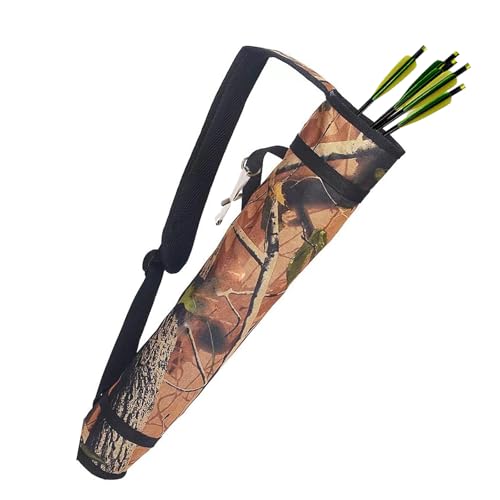
- ARS Mark8.6
ARS Mark is a ranking system developed by bestairriflescopes.com. ARS Mark has no relationship or impact from any manufacturers or sales agent websites. Learn more
- BrandKURUGEILI

- ARS Mark8.2
ARS Mark is a ranking system developed by bestairriflescopes.com. ARS Mark has no relationship or impact from any manufacturers or sales agent websites. Learn more
- BrandNRJSSCC

- ARS Mark7.0
ARS Mark is a ranking system developed by bestairriflescopes.com. ARS Mark has no relationship or impact from any manufacturers or sales agent websites. Learn more
- BrandBigKing
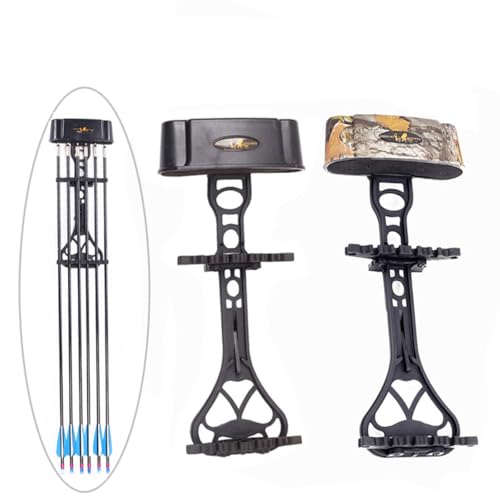
- ARS Mark5.2
ARS Mark is a ranking system developed by bestairriflescopes.com. ARS Mark has no relationship or impact from any manufacturers or sales agent websites. Learn more
- BrandFUNTRESS
Last update on 2026-05-23 / Affiliate links / Images, Product Titles, and Product Highlights from Amazon Product Advertising API
How To Make A Homemade Arrow Quiver
Cheap gear usually sounds fine until arrows start clattering around with every step or the shoulder strap twists halfway through target practice. That frustration pushes a lot of archers toward custom setups, especially after realizing a store-bought quiver doesn't always match real habits outdoors. How to make a homemade arrow quiver solves more than a storage problem. It creates a setup built around comfort, movement, and the little annoyances that quietly ruin long practice sessions.
Why Homemade Quivers Feel More Practical
Factory-made quivers often try to appeal to everybody, and honestly, that's part of the problem. One design sits too high on the back, another bounces during walks, and some barely hold arrows securely once the fabric softens. A homemade build changes that entire experience because the layout can match the exact number of arrows, shooting position, and carrying preference. Customization becomes the real advantage instead of flashy decoration.
Comfort usually becomes noticeable after about thirty minutes outdoors. Thin straps start digging into the shoulder, stiff materials rub against clothing, and poorly balanced quivers pull awkwardly to one side. A handmade design allows adjustments before those issues become permanent headaches. Small changes like wider straps or softer lining can dramatically improve long-session comfort.
Noise matters more than beginners expect. Hard plastic interiors can turn every movement into a loud rattle, especially while hiking through brush or uneven trails. Adding felt, leather scraps, or even old sweatshirt material inside the quiver creates a quieter setup without adding much weight. That simple fix improves arrow stability and reduces distracting sounds.
Cost plays a role too, no doubt about it. Some commercial quivers cost almost as much as starter bows, which feels excessive for a basic carrying tool. Homemade builds let people recycle denim, canvas bags, belts, or leftover leather into something genuinely functional. Explore more beginner-friendly gear setups with best bow for youth archery options that pair nicely with lightweight homemade quivers.
Materials That Hold Up Outdoors
Material choice affects nearly everything about the final build. Thin fabric may feel lighter at first, yet repeated arrow friction can wear holes surprisingly fast. Leather lasts longer and handles rough weather well, though it usually weighs more and takes extra effort to shape properly. Strong canvas sits somewhere in the middle and often becomes the easiest option for first-time builders.
PVC tubing keeps showing up in DIY quiver projects for good reason. The structure stays rigid, protects arrows from bending, and handles rain without much trouble. Still, hard plastic can feel uncomfortable against the body if padding isn't added around contact points. Wrapping the outer shell with cloth or leather softens that issue while improving overall grip.
Stitching deserves more attention than people expect. Weak thread starts separating near the bottom where arrow weight collects over time. Heavy-duty nylon thread or reinforced waxed cord helps prevent annoying repairs later. Those stronger seams improve durability without making the project overly technical.
Weather changes expose cheap materials quickly. Damp conditions can soften cardboard inserts, weaken glue, or stretch thin fabric out of shape. Better material choices reduce sagging and help maintain the quiver's structure through repeated use. Compare rugged outdoor setups with best takedown recurve bow for hunting combinations that often rely on sturdier quiver designs.
Getting The Right Quiver Size
Arrow length changes the entire balance of a homemade quiver. A tube that's too short leaves broadheads exposed, while overly deep designs make arrow retrieval awkward and slow. Most people find a few inches of extra space below the arrow tips helps protect the bottom without sacrificing quick access. That balance improves handling speed during practice.
Width matters just as much as height. Tight interiors create friction and force arrows together, especially with feather fletching. Wider builds prevent bending and allow smoother grabs without looking bulky or oversized. Nobody wants to wrestle arrows loose during rapid shooting drills.
Back quivers and hip quivers also behave differently once fully loaded. Back-mounted styles distribute weight evenly but can snag branches in wooded areas. Hip-mounted setups stay easier to reach yet sometimes bounce more during movement. Picking the right size depends heavily on actual use instead of appearance alone.
Arrow count changes comfort faster than expected. Carrying twelve arrows inside a soft quiver feels very different from carrying five. Extra weight shifts balance, strains stitching, and increases shoulder fatigue over time. A slightly smaller design often feels cleaner and more manageable for everyday backyard practice.
Strap Placement Changes Everything
Straps either make the quiver feel natural or turn it into a constant irritation. Thin straps tend to twist, especially while walking or kneeling. Wider shoulder sections spread weight more evenly and stop the edges from digging into clothing. That small upgrade creates a noticeable improvement in all-day comfort.
Adjustable straps help far more than fixed designs. Different jackets, hoodies, or weather layers completely change how the quiver sits against the body. Adjustable buckles or sliding loops allow quick repositioning without rebuilding the entire setup. Flexibility keeps the quiver usable through changing conditions.
Back angle affects arrow access too. Some quivers ride too vertically, forcing awkward shoulder movement just to grab arrows cleanly. A slight diagonal tilt usually feels smoother and reduces strain during repeated shooting sessions. Better positioning improves arrow retrieval speed without sacrificing stability.
Cheap attachment points tend to fail right where stress builds most. Rivets, reinforced stitching, or layered fabric patches help spread tension across a larger area. That extra support prevents straps from tearing loose after months of use. Explore stable shooting accessories with best rear rifle bag setups that also focus heavily on balance and weight distribution.
Leather Builds Versus Fabric Designs
Leather quivers carry a different feel the second they're worn outdoors. The material molds gradually to body shape, develops natural texture over time, and resists minor scrapes surprisingly well. Still, heavier leather can feel warm during summer practice or long hikes. That tradeoff matters more than aesthetics once the quiver stays on for hours.
Fabric builds stay lighter and easier to customize. Canvas, denim, or synthetic outdoor material allows easier stitching and faster adjustments during the build process. Fabric also accepts extra pockets or loops without much hassle. Those additions improve storage flexibility for gloves, wax, or spare field points.
Water exposure changes the conversation pretty quickly. Untreated leather absorbs moisture and becomes stiff if not maintained properly afterward. Fabric dries faster but may wear down sooner near the arrow opening where repeated friction happens. Neither option stays perfect forever, so maintenance expectations should stay realistic.
Visual style often influences the final decision too. Some people prefer rugged handmade leather with visible stitching and darker finishes. Others want cleaner fabric designs that blend into outdoor gear without drawing attention. The best setup usually balances appearance, comfort, and practical outdoor use instead of chasing one feature alone.
Quiet Carry Tricks That Actually Help
Arrow noise gets annoying fast once movement increases. Feathers brushing against hard interiors create scraping sounds that echo more than expected in quiet outdoor spaces. Soft lining materials reduce that friction and help arrows stay separated during movement. Felt remains popular because it stays inexpensive and easy to install.
Loose arrow tips create another common issue. Without a structured bottom section, arrows shift around every few steps and tap against each other repeatedly. Foam inserts or layered leather at the base help stabilize shafts while protecting broadheads from unnecessary wear. That extra support improves internal organization.
Draw speed matters too. Overstuffed quivers force awkward grabbing angles that slow everything down during practice. Spacing arrows slightly apart creates cleaner access without increasing overall size too much. A quieter setup usually becomes faster as well because nothing catches or tangles inside.
Outdoor movement changes how every sound carries. Wind, dry leaves, and branches already create enough background noise without adding rattling arrows into the mix. A properly padded homemade quiver feels calmer and more controlled during movement. Those small improvements make the setup feel noticeably more polished and dependable.
Easy Diy Arrow Quiver Ideas For Daily Practice
Arrow storage problems usually show up after the first few outdoor sessions, especially once gear starts rubbing, shifting, or catching on clothing. A homemade setup may look simple from the outside, yet the real value comes from how smoothly it fits into actual shooting routines. Small upgrades often solve the annoying little issues that factory quivers ignore completely. Comfort, quiet movement, and easy access tend to matter far more than decorative extras once practice becomes consistent.
Simple Pocket Additions That Help Outdoors
Extra storage sounds unnecessary until field points, gloves, and string wax start bouncing around loose inside a backpack. Small side pockets attached directly to the quiver keep everything easier to reach without interrupting practice. A narrow fabric pouch stitched along the outer edge works surprisingly well for compact tools. Those additions improve organization without making the quiver bulky.
Zipper pockets aren't always the best move, honestly. Dirt and moisture can jam cheap zippers faster than expected after repeated outdoor use. Snap closures or leather straps usually survive rough conditions longer while staying quieter during movement. That tradeoff helps maintain long-term reliability.
Weight balance changes once accessories get added. Heavy pockets hanging too low create awkward swinging during walks across uneven ground. Keeping storage near the upper half of the quiver helps stabilize movement and reduces shoulder fatigue. Little placement tweaks create a much cleaner carrying experience.
Smaller archers often struggle with oversized setups loaded down with unnecessary gear. Lightweight accessories paired with best left handed youth compound bow options usually feel easier to control during longer backyard sessions. That combination keeps movement smoother and prevents the setup from feeling clumsy or oversized.
Bottom Protection Stops Premature Wear
The lower section of a quiver absorbs more abuse than most people realize. Arrow tips repeatedly strike the same spot every single time the quiver gets loaded. Thin fabric bottoms wear out quickly, especially with field points or hunting tips pressing downward over time. Reinforced inserts dramatically improve durability.
Foam padding helps reduce noise, but tougher materials protect the structure better. Thick leather circles, layered rubber, or even wooden inserts create stronger support without much added weight. That reinforcement keeps arrow points from eventually poking through the base. Nobody enjoys repairing holes every few weeks.
Water exposure creates another issue near the bottom section. Damp ground, wet grass, and muddy trails gradually weaken untreated fabric. Waterproof coatings or sealed inner liners reduce moisture damage while helping the quiver keep its shape longer. Those adjustments improve weather resistance during rough outdoor conditions.
Rigid bottom support also changes how arrows sit inside the quiver. Better spacing prevents shafts from tangling together and keeps fletching from getting crushed under pressure. Stable arrow positioning improves draw consistency while reducing annoying movement during walks.
Back Quiver Or Hip Quiver Tradeoffs
Back quivers definitely look classic, but they aren't automatically better for every situation. Pulling arrows from behind the shoulder takes practice and flexibility, especially during repeated shooting drills. Some people love the natural movement once they adjust. Others get tired of awkward reaching after twenty minutes.
Hip quivers feel more direct and easier to access during target shooting. Arrows stay visible, retrieval feels faster, and weight sits lower against the body. That setup often works well during organized ranges where quick access matters more than compact movement. Better accessibility improves shooting rhythm.
Dense woods expose the weaknesses of larger back quivers pretty quickly. Branches catch against exposed arrow shafts constantly if the quiver rides too high. Hip-mounted setups avoid some of those snags but may bounce more while hiking. Each design solves one issue while creating another.
Comfort eventually decides the winner for most people. A homemade setup allows changes after real use instead of forcing someone into a fixed design forever. Better strap angles, lighter materials, or repositioned attachment points can completely reshape the experience. That flexibility becomes one of the biggest strengths of custom-built gear.
Arrow Separation Makes Retrieval Faster
Arrows packed tightly together become frustrating fast, especially with feather fletching rubbing constantly against neighboring shafts. Tight spacing slows retrieval and increases wear over time. Dividers or simple inner tubes help separate arrows cleanly without adding much complexity. Cleaner organization improves speed and reduces unnecessary snagging.
Some builders use foam inserts drilled with individual holes for each arrow shaft. That approach creates excellent stability, though it can add extra weight if thick foam gets used. Lightweight separators often strike a better balance between structure and portability. Smaller adjustments usually produce more realistic long-term comfort.
Broadheads create another challenge entirely. Sharp blades can damage neighboring arrows or slice soft fabric interiors if movement gets too rough. Protective sleeves or separated compartments reduce that risk significantly. Better protection keeps expensive arrows from wearing down prematurely.
Practice sessions become smoother once arrow access feels automatic. Less fumbling means more focus stays on shooting form instead of equipment frustration. A clean internal layout supports consistent movement, especially during repetitive drills or longer outdoor practice routines.
Balancing Weight For Longer Sessions
Heavy quivers usually don't feel terrible at first. The real discomfort creeps in gradually after an hour of walking, kneeling, or repeated shooting. Weight concentrated near one shoulder creates tension that spreads into the neck and upper back. Better balance improves endurance more than people expect.
Material choice changes the total carry weight dramatically. Thick leather, metal hardware, and oversized accessories may look rugged but can become exhausting during extended use. Lightweight canvas or mixed-material builds often feel easier to carry without sacrificing too much durability. Smart compromises usually outperform flashy designs.
Arrow count also deserves realistic planning. Carrying fifteen arrows might sound useful, yet many practice sessions only require six or seven. Smaller loads reduce strain while keeping movement more controlled. That lighter setup often feels cleaner and less distracting during repeated shooting drills.
Stable weight distribution matters beyond comfort too. A properly balanced quiver moves less during walking, crouching, or quick repositioning. That control helps maintain consistent body movement without constant readjustments. Better stability creates a smoother overall shooting experience.
Maintenance Habits That Extend Quiver Life
Dirt buildup sneaks into seams and inner lining faster than expected, especially after outdoor range trips or hunting walks. Shaking out debris regularly prevents small particles from grinding against fabric and stitching over time. Simple maintenance helps preserve material strength without requiring special products.
Leather quivers need occasional conditioning or the material gradually stiffens and cracks. Fabric setups require less care overall, though damp storage can create mildew or unpleasant odors surprisingly quickly. Letting the quiver dry completely before storage helps avoid long-term moisture damage. That habit protects both the material and stored arrows.
Strap hardware deserves regular inspection too. Loose rivets or stretched stitching often show warning signs before complete failure happens. Catching those weak points early prevents frustrating repairs later during active use. Better maintenance supports consistent reliability.
Outdoor gear naturally develops wear marks over time, and honestly, that's not always a bad thing. Scuffs, faded fabric, and softened leather usually reflect real use instead of neglect. A homemade quiver gains character gradually while still staying functional if the structural areas remain reinforced properly.
Small Custom Touches Improve Daily Use
Decorative details can stay practical instead of purely cosmetic. Finger loops, hanging rings, or stitched grip panels help make the quiver easier to handle during setup and storage. Small upgrades often improve daily convenience more than oversized design changes. Better usability supports faster routine handling.
Color choice affects visibility outdoors more than expected. Dark interiors make arrows harder to see during low light conditions, while lighter lining materials improve visibility without adding extra gear. That tiny detail speeds up retrieval during early morning or evening practice sessions.
Attachment loops for towels, gloves, or range accessories can simplify crowded shooting setups. Some people prefer minimalist designs, though others appreciate extra utility built directly into the quiver body. The best balance usually depends on actual shooting habits rather than appearance alone.
Stable support gear also matters during longer outdoor sessions. Pairing organized archery equipment with solid accessories like best bipod for remington 700 setups often creates a cleaner and less chaotic practice environment. Better organization reduces wasted movement and keeps attention focused on shooting form instead of scattered equipment.


12 Best 22 Pcp Air Rifle For Hunting of 2026 With Quiet Power

7 Best 22 Pcp Air Rifle Under 300 of 2026 For Backyard Pest Control

10 Best 22 Break Barrel Air Rifles of 2026 For Backyard Pest Control

10 Best 30 Caliber Pcp Air Rifle of 2026 For Medium Game

Top Best 177 Air Rifle Under 100: Budget-Friendly Picks for 2026

How to Safely Reload Shotgun Shells at Home

11 Best Co2 Air Rifle For Pest Control of 2026 To Ensure Humane Dispatch

12 Best Inexpensive Air Rifles of 2026 For Dependable Backyard Accuracy






