
How to Make a Wooden Bow That Feels Right

How to Make a Wooden Bow sounds simple at first glance, yet the moment the wood starts bending, reality hits a little differently. One wrong cut can throw off the limb balance. A rushed drying process can leave the bow twisted or weak. Plenty of first attempts end up looking decent on the wall but feeling awkward in the hand, and honestly, that frustration catches many people off guard.
Good bow building leans heavily on patience, wood behavior, and tiny adjustments that seem insignificant until the draw weight feels uneven. Hickory, oak, maple, and ash each react differently under tension, so understanding grain direction matters more than fancy tools. A smooth draw doesn't magically happen after shaping the stave. Careful scraping, checking limb symmetry, and easing tension gradually usually separate a usable bow from a stiff stick that fights back every time it's pulled.
Wood selection creates the foundation for everything else. Straight grain reduces weak points and lowers the chance of cracking during tillering. Knots, hidden twists, or moisture trapped inside the wood often become headaches later, especially after repeated use outdoors. That's why experienced builders spend more time inspecting the stave than many beginners expect.
Then comes the balancing act. Too thick, and the bow feels heavy and stubborn. Too thin, and the limbs lose strength fast. Ah, that's the tricky part nobody talks about enough. Small scrapes with a drawknife or rasp can completely change how the bow flexes, which is why slow progress usually pays off better than aggressive shaping.
How to Make a Wooden Bow also pulls people in because it feels grounded and hands-on. There's sawdust everywhere, uneven shavings piling near your boots, and that satisfying moment when the limbs finally bend evenly for the first time. The process carries a quiet rhythm that modern gadgets just don't offer anymore. Building something functional from raw wood scratches an itch many folks didn't even realize they had.
Durability matters too. A bow stored in damp conditions can warp before long, while poor sealing may dry the wood too aggressively. Protective oils, wax finishes, and proper storage help maintain flexibility without making the bow brittle. Little maintenance habits end up stretching the life of the bow far beyond what most people expect.
Another thing worth mentioning is comfort. Grip shape, string alignment, and limb taper all influence how natural the bow feels during repeated shots. Some designs shoot fast but feel rough on the hands. Others trade raw speed for smoother control, and honestly, many builders end up preferring that balance after extended use.
Traditional craftsmanship still carries weight because every bow develops its own personality. No two staves behave exactly alike. That's part of the charm. One piece of wood may bend gracefully after minimal shaping, while another demands constant tweaking before it settles into a reliable form. Those unpredictable moments keep the process engaging instead of robotic.

- ARS Mark9.4
ARS Mark is a ranking system developed by bestairriflescopes.com. ARS Mark has no relationship or impact from any manufacturers or sales agent websites. Learn more
- BrandCREATESPACE
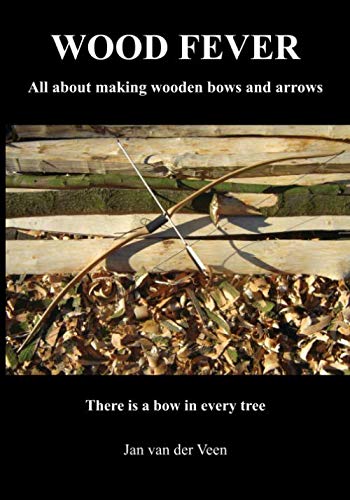
- ARS Mark9.4
ARS Mark is a ranking system developed by bestairriflescopes.com. ARS Mark has no relationship or impact from any manufacturers or sales agent websites. Learn more
- BrandMajosta

- ARS Mark8.8
ARS Mark is a ranking system developed by bestairriflescopes.com. ARS Mark has no relationship or impact from any manufacturers or sales agent websites. Learn more
- BrandStephen Graf

- ARS Mark8.6
ARS Mark is a ranking system developed by bestairriflescopes.com. ARS Mark has no relationship or impact from any manufacturers or sales agent websites. Learn more
- BrandSt. Martin's Griffin

- ARS Mark7.4
ARS Mark is a ranking system developed by bestairriflescopes.com. ARS Mark has no relationship or impact from any manufacturers or sales agent websites. Learn more
- BrandSkyhorse

- ARS Mark6.4
ARS Mark is a ranking system developed by bestairriflescopes.com. ARS Mark has no relationship or impact from any manufacturers or sales agent websites. Learn more
- BrandN/A
Last update on 2026-05-27 / Affiliate links / Images, Product Titles, and Product Highlights from Amazon Product Advertising API
How To Make A Wooden Bow
Cheap decorative bows hanging on workshop walls tend to look impressive right up until someone actually tries to draw them. The limbs creak, the string twists sideways, and the grip feels awkward after only a few shots. Building a reliable how to make a wooden bow project takes more patience than fancy equipment, and honestly, that's the part many people underestimate. Small carving decisions shape the entire feel of the bow, from draw smoothness to long-term durability.
Picking Wood That Won’t Fight Back
Wood selection decides almost everything before carving even begins. Straight grain matters far more than appearance because hidden twists and knots create weak spots that often crack under tension. Hickory handles stress well and forgives small beginner mistakes, while oak feels heavier but stays dependable if dried correctly. Maple produces a smoother finish, though it usually demands more careful shaping during tillering.
Freshly cut wood causes headaches if moisture remains trapped inside the stave. Damp staves bend unevenly, especially near the handle section where tension builds quickly during the draw. Air-drying helps stabilize the fibers, but rushing the process usually ends badly. Plenty of first-time builders learn that lesson the hard way after hearing a sharp split halfway through shaping.
Length matters too. Short bows pull harder and store energy differently, yet they punish mistakes much faster than longer staves. Longer designs forgive uneven tillering better, which helps during practice builds. A bow around six feet long often feels easier to balance for early projects.
Grain direction deserves close attention while inspecting the stave. Fibers running cleanly from end to end reduce sudden stress points during repeated shooting sessions. Slight curves can still work if the grain remains consistent, though heavy twists become frustrating fast. Careful inspection before cutting saves hours of repair work later.
Simple Tools Make Better Progress
Expensive woodworking gear looks tempting, but a reliable bow can come together using surprisingly basic equipment. A drawknife, rasp, cabinet scraper, and small hand saw handle most shaping tasks without much trouble. Sharp tools matter more than complicated machinery because rough cuts tear wood fibers instead of slicing them cleanly. That roughness weakens the limbs over time.
Control beats speed during carving. Aggressive cuts may feel satisfying at first, yet removing too much wood from one limb throws off balance almost immediately. Slow scraping keeps adjustments manageable and prevents panic repairs later. Plenty of experienced builders still rely on hand tools because they reveal how the wood reacts with each pass.
Workspace setup changes the whole experience. Poor lighting hides uneven bends during tillering, while unstable benches make carving awkward and tiring. Even a simple clamp arrangement helps maintain accuracy during shaping. Small comforts matter once several hours disappear into fine adjustments.
Protective gear deserves attention too. Wood dust builds quickly during sanding, especially with hickory or oak. Gloves help during rough carving, though many people remove them during finer shaping for better control. Safety glasses save plenty of regret once shavings start flying unexpectedly.
Shaping Limbs Without Ruining Flexibility
The first carving stage usually feels exciting until the limbs start bending unevenly. One side flexes deeply while the other barely moves, creating tension that can eventually snap the stave. Balanced limbs create the smooth pull most people expect from a traditional wooden bow. Achieving that balance takes patience more than raw woodworking talent.
Tillering becomes the real test of patience. Builders slowly remove wood while checking how evenly the limbs bend under tension. Tiny adjustments change the draw weight dramatically, especially near the outer limb sections. Removing too much material too quickly creates weak spots that never fully recover.
Thickness near the grip should remain stronger than the tips. Thin tips reduce overall weight and improve limb movement during release, but going too thin creates vibration and instability. A bow that rattles harshly after release often needs better tapering across the limbs. Those little details separate a smooth shooter from something that feels clumsy.
Heat correction sometimes helps stubborn staves settle into cleaner shapes. Gentle dry heat can ease mild twists or uneven bends, though overheating risks damaging the fibers permanently. Controlled adjustments work better than forcing dramatic corrections. Wood remembers stress longer than most people realize.
Bow String Setup Changes Everything
A carefully shaped bow still performs poorly with the wrong string setup. Loose strings create sluggish shots, while overly tight strings stress the limbs before shooting even begins. Proper brace height influences speed, comfort, and vibration more than many beginners expect. Tiny adjustments often change the entire shooting feel.
Natural string materials like linen or hemp carry traditional appeal, though synthetic materials resist moisture better during outdoor use. Dacron remains popular because it stretches slightly and reduces stress on wooden limbs. Fast-flight strings shoot quicker but sometimes strain traditional staves too aggressively. Matching the string to the bow design matters.
Nocking points deserve careful placement. Poor alignment sends arrows fishtailing unpredictably across the range, even if the bow itself feels balanced. A small serving wrap or brass nock helps maintain consistency during repeated shots. Little setup details often fix accuracy issues that people mistakenly blame on poor aim.
String maintenance keeps the bow reliable over time. Wax reduces fraying and protects fibers from moisture during humid weather. Loose strands should never be ignored because failure under tension happens suddenly. Consistent inspection prevents nasty surprises during practice sessions.
Grip Comfort Shapes Shooting Consistency
Uncomfortable grips ruin shooting sessions faster than weak arrows. Sharp edges press awkwardly into the palm, while oversized handles make consistent hand placement harder than it should be. A smoother grip encourages relaxed shooting, which improves arrow flight naturally. Tight, tense hands usually create sideways torque during release.
Handle shape affects long practice sessions more than people expect. Rounded grips reduce pressure points and feel steadier during repeated draws. Narrow handles suit smaller hands better, though extremely thin grips may feel unstable for stronger draw weights. Comfort matters because fatigue sneaks in gradually.
Leather wraps add texture and improve grip during sweaty outdoor sessions. Bare wood can become slippery once humidity rises or rain starts falling. Thin leather keeps the traditional look while adding a softer feel against the palm. Some builders also use hemp wrapping for extra texture.
Balance near the riser changes how stable the bow feels after release. Front-heavy designs dip awkwardly, while extremely light handles may feel twitchy during aiming. Careful shaping near the center keeps the bow responsive without feeling unstable. Small weight differences become surprisingly noticeable during repeated shooting.
Arrow Matching Prevents Frustrating Shots
Even a well-built bow performs terribly with mismatched arrows. Stiff shafts bounce unpredictably during release, while weak arrows flex too aggressively and lose accuracy quickly. Matching spine weight to draw strength keeps arrow flight cleaner and more forgiving. That's where many homemade setups quietly fail.
Arrow spine controls how the shaft flexes during release. Heavy draw weights demand stiffer shafts, while lighter bows work better with more flexible arrows. Improper spine creates sideways wobble that no amount of aiming correction fully fixes. Consistency begins long before the arrow leaves the string.
Arrow length also changes shooting behavior. Short arrows may feel faster but reduce safety margins during full draw. Longer shafts forgive slight draw inconsistencies better and often stabilize flight more smoothly. Beginners usually benefit from slightly longer setups until their form settles.
Feather fletching creates a quieter traditional feel compared to plastic vanes. Feathers compress naturally when passing the shelf, which helps traditional wooden bows shoot cleaner without complicated rests. Moisture affects feathers more heavily outdoors, though many archers still prefer the softer flight characteristics. Traditional setups trade convenience for feel in plenty of small ways.
Common Mistakes That Destroy Wooden Bows
Too much sanding near one limb section ruins more bows than dramatic accidents ever do. Builders often focus heavily on visible curves while ignoring how evenly tension spreads across the stave. Uneven tillering slowly stresses the weaker limb until cracks begin forming near the fades. Those cracks rarely stay small for long.
Dry firing remains one of the fastest ways to destroy a wooden bow. Releasing the string without an arrow sends energy directly into the limbs instead of transferring it forward. That violent shock can split the stave instantly or create hidden stress fractures that worsen later. One careless release can erase weeks of careful shaping.
Poor storage conditions quietly damage wooden bows over time. Leaning a bow near heaters dries the fibers unevenly and encourages warping. Damp basements create swelling that weakens long-term flexibility. Stable indoor temperatures help preserve draw consistency and limb alignment.
Ignoring tiny noises during shooting causes trouble too. Clicking sounds, sudden creaks, or visible twisting usually signal stress developing somewhere in the limbs. Continuing to shoot through those warning signs often turns minor issues into complete failures. Careful inspection after each session helps catch problems early.
Traditional Finishes That Protect The Wood
Raw wood absorbs moisture constantly, even in mild indoor conditions. Protective finishes help slow those environmental changes and preserve the bow's shape over time. Oils remain popular because they soak into the fibers rather than sitting heavily on the surface. That natural feel appeals to many traditional builders.
Linseed oil darkens the wood slightly while adding water resistance. Tung oil cures harder and offers stronger protection against humidity swings outdoors. Multiple thin coats usually perform better than thick applications that dry unevenly. Patience matters during finishing just as much as carving.
Wax finishes add another layer of moisture defense without making the bow overly glossy. Beeswax blends create a softer hand feel that many people prefer during long shooting sessions. Thick varnish sometimes looks attractive but can chip under repeated flexing. Flexible finishes age more gracefully on working bows.
Surface texture changes shooting comfort too. Overly slick finishes make grips slippery during humid weather, especially with sweaty hands. Slightly textured surfaces maintain better control without irritating the palm. Function should always outweigh appearance on a bow meant for regular use.
Improve aiming comfort with best bow sight for bad eyes if visibility starts causing inconsistent anchor points during practice.
Traditional Wooden Bow Building Tips For Better Accuracy
Lots of homemade bows feel decent during the first few shots, then slowly drift into frustrating territory after a week or two. Arrows start landing inconsistently, the limbs develop uneven bend patterns, and the grip suddenly feels uncomfortable during longer practice sessions. A stable traditional wooden bow depends on far more than basic carving. Tiny details shape how reliable the bow stays after repeated use outdoors.
Balancing Draw Weight Without Fatigue
Heavy draw weights look impressive until shoulders start burning halfway through practice. Many first-time builders remove too little material during tillering because they're afraid of weakening the limbs. That hesitation often creates stiff bows that feel exhausting after only a few shots. A smoother draw usually matters more than raw pull weight for everyday shooting.
Progressive limb flex helps distribute tension evenly from the fades toward the tips. Sudden stiff spots create jerky resistance during the draw cycle and increase stress on specific areas of the stave. Careful scraping keeps the bow feeling controlled instead of harsh. Those small adjustments improve shooting comfort more than most people expect.
Muscle fatigue also changes shooting consistency over time. Stronger draw weights can make anchor points drift subtly during extended sessions, especially for beginners still refining form. Moderate draw weights often produce tighter groups simply because the shooter stays relaxed longer. Comfort and repeatability usually outperform brute force.
Bowyers chasing cleaner shooting rhythm often compare limb geometry and handling styles from best hoyt bow ever made setups to study how smoother balance affects long shooting sessions.
Weather Changes Affect Wooden Limbs
Wood reacts constantly to humidity and temperature swings, even after sealing and finishing. Dry winter air pulls moisture from the fibers, while damp summer conditions can soften the limbs slightly over time. Those shifts may sound minor, yet they noticeably change draw feel and arrow flight. Consistency becomes harder without proper storage habits.
Humidity control matters especially for bows stored in garages, sheds, or unfinished basements. Excess moisture encourages slight warping near the tips and weakens long-term limb stability. Simple indoor storage with moderate airflow usually prevents most seasonal problems. Direct sunlight should stay off the bow whenever possible.
Rain exposure during outdoor shooting creates another layer of stress. Water soaking into exposed grain near the tips gradually weakens the wood if left untreated. Wiping the bow dry after use helps preserve limb integrity and prevents finish damage. Quick maintenance routines save a lot of repair work later.
Temperature swings also influence string tension. Cold weather stiffens certain string materials slightly, while heat may loosen brace height over time. Checking alignment before shooting keeps the setup predictable instead of frustrating. Small environmental changes affect traditional bows more than many people realize.
Arrow Flight Reveals Hidden Problems
Arrows rarely lie. Wobbling shafts, loud releases, or strange sideways kicks usually point toward tuning issues somewhere in the setup. Builders often blame themselves first, though the bow itself may simply need small adjustments. Watching arrow behavior carefully reveals details that static inspection misses.
Porpoising arrows often signal incorrect nocking point placement. Slight vertical movement during release reduces consistency and creates awkward impacts downrange. Raising or lowering the nocking point by tiny amounts usually smooths flight dramatically. Those little tuning steps matter more than expensive accessories.
Side-to-side fishtailing usually traces back to spine mismatch or uneven limb tension. Weak arrows flex excessively during release, while overly stiff shafts resist clean energy transfer. Properly matched arrows leave the string with smoother stabilization and quieter release sounds. Consistency improves quickly once the setup matches the bow's actual draw weight.
Noise levels reveal useful clues too. Sharp slapping sounds often indicate brace height problems or poorly matched string material. A smoother, softer release usually points toward balanced limb movement. Quiet bows tend to feel steadier in the hand as well.
Grip Position Changes Shot Consistency
Hand placement causes more inconsistency than many people expect. Tiny shifts in palm pressure change how the bow reacts during release, especially on lighter traditional setups. Tight gripping twists the riser slightly and sends arrows drifting unpredictably. Relaxed positioning keeps the limbs moving naturally.
Low wrist grips often feel steadier during instinctive shooting because they reduce tension in the forearm. High wrist styles can improve control for some shooters, though they demand cleaner form and repeatable positioning. Neither approach works perfectly for everyone. Personal comfort shapes consistency more than trends.
Finger pressure matters too. Squeezing tightly before release creates torque that changes arrow alignment instantly. A softer grip keeps the riser stable while allowing the bow to settle naturally after the shot. That relaxed feeling usually improves grouping faster than aggressive aiming adjustments.
Grip texture influences control during humid weather. Smooth polished wood may look attractive, but sweaty hands can shift unexpectedly during full draw. Thin leather wraps or textured finishes help maintain stability without making the grip bulky. Practical comfort beats flashy appearance every time.
Simple Maintenance Prevents Expensive Mistakes
Neglected bows slowly develop problems that feel mysterious until damage becomes obvious. Tiny cracks near the fades, loose serving wraps, and warped string loops often begin as small issues that are easy to miss. Regular inspections help catch those warning signs early. Five quiet minutes after shooting can save weeks of rebuilding.
String waxing remains one of the easiest maintenance habits with the biggest payoff. Dry fibers fray faster and absorb moisture unevenly, especially during outdoor practice. A light wax coating protects the strands and keeps tension more consistent between sessions. Over-waxing, though, creates sticky buildup that attracts dust.
Limb inspection should become routine after heavier shooting days. Fine stress lines near the back of the bow sometimes appear before larger cracks develop. Continuing to shoot through those signs increases the chance of catastrophic failure. Early repairs usually stay manageable if caught quickly.
Storage position matters more than people think. Leaving a strung bow leaning sideways against a wall gradually encourages uneven limb memory. Unstringing traditional bows after use reduces long-term stress and helps preserve shape. Stable storage keeps performance predictable.
Shooting Form Improves Homemade Bow Performance
A carefully built bow still struggles if shooting mechanics stay inconsistent. Jerky releases, collapsing shoulders, and rushed anchor points create scattered arrow groups no matter how clean the tillering looks. Traditional shooting rewards rhythm more than force. Smooth repetition builds accuracy steadily over time.
Anchor consistency creates repeatable arrow flight. Touching the same spot along the cheek or jaw during every draw stabilizes alignment naturally. Floating anchor points force constant visual corrections during aiming. Reliable contact points reduce mental guesswork.
Breathing patterns influence stability too. Holding breath too long creates tension in the shoulders and neck, especially during longer aiming cycles. Calm breathing keeps movement smoother and reduces fatigue during extended practice. Small physical habits quietly shape overall shooting quality.
Release mechanics deserve patience. Snatching fingers away from the string causes sideways deflection immediately after release. Cleaner releases happen when tension flows backward naturally instead of forcing the fingers open. Traditional bows respond strongly to subtle technique changes.
Traditional Accessories Can Improve Comfort
Bare-bones setups carry a classic appeal, though small accessories sometimes solve annoying problems without ruining the traditional feel. Finger tabs reduce soreness during longer sessions, especially on heavier draw weights. Arm guards prevent string slap that can quickly make practice miserable. Simple additions improve comfort without complicating the experience.
Bow sights remain controversial among traditional shooters, yet some setups genuinely help people struggling with vision consistency or changing light conditions. Older eyes especially benefit from cleaner aiming references during extended practice. Comfort and repeatability matter more than rigid shooting rules.
Explore best auto ranging bow sight options if distance judgment keeps causing inconsistent arrow placement across changing outdoor ranges.
Quivers also affect shooting rhythm more than expected. Back quivers look traditional but slow arrow access during active practice. Hip quivers allow smoother retrieval and reduce shoulder strain after long sessions. Small workflow improvements make practice feel far less clumsy.
Arrow rests deserve attention too. Rough shelf surfaces scrape feathers and interrupt clean arrow release. Thin leather or fur rests reduce friction and protect fletching during repeated shooting. Quiet contact points help maintain smoother arrow flight across different weather conditions.


12 Best 22 Pcp Air Rifle For Hunting of 2026 With Quiet Power

7 Best 22 Pcp Air Rifle Under 300 of 2026 For Backyard Pest Control

10 Best 22 Break Barrel Air Rifles of 2026 For Backyard Pest Control

10 Best 30 Caliber Pcp Air Rifle of 2026 For Medium Game

Top Best 177 Air Rifle Under 100: Budget-Friendly Picks for 2026

How to Safely Reload Shotgun Shells at Home

11 Best Co2 Air Rifle For Pest Control of 2026 To Ensure Humane Dispatch

12 Best Inexpensive Air Rifles of 2026 For Dependable Backyard Accuracy






