
How to Manually Cock a Crossbow Safely

How to manually cock a crossbow sounds pretty simple until the string pulls unevenly, your footing slips, or the draw weight suddenly feels twice as heavy halfway through the motion. Plenty of people assume brute force gets the job done, but that mindset usually creates crooked string alignment, shaky shots, and sore shoulders that stick around long after the session ends. A smooth manual cocking process depends more on body position, balance, and rhythm than raw strength. Small adjustments in stance and hand placement can completely change how stable the crossbow feels during setup.
Crossbows have a habit of exposing bad habits fast. One rushed movement can leave the string sitting off-center, and that tiny mistake often throws accuracy out the window. Frustration builds quickly after repeated missed shots, especially when the scope seems perfectly sighted in. That's why experienced shooters pay close attention to string alignment, foot placement, and controlled pulling pressure instead of yanking the string back in one aggressive motion. Consistency matters far more than speed.
Grip fatigue catches many people off guard, too. Pulling a heavy string repeatedly without proper technique strains wrists, elbows, and lower back muscles before the practice session even gets going. Stable footing helps distribute force more evenly across the body, reducing unnecessary tension during the cocking process. A balanced stance also keeps the rail aligned properly, which helps protect the crossbow from awkward torque or uneven wear over time.
Noise becomes another hidden annoyance. Jerky cocking motions often create louder mechanical sounds that can spook game or disrupt concentration at the range. Smooth, controlled movement keeps the process quieter and more predictable. Many shooters also underestimate how much moisture, dirt, or worn serving material affects manual cocking performance. A poorly maintained string can drag unevenly and create resistance that feels far heavier than normal.
Safety plays a bigger role than most people expect. Dry firing risks, misplaced fingers, and unstable positioning create problems in a split second. Crossbows store a surprising amount of energy, so careless handling can lead to damaged limbs or painful injuries fast. Controlled cocking habits help prevent accidental slips while improving long-term reliability. Reliable habits beat rushed shortcuts every single time.
Cold weather changes everything, honestly. Thick gloves reduce grip sensitivity, while stiff muscles make heavy draw weights feel even tougher. Humid conditions can also affect handling, especially during long outdoor sessions where sweaty hands reduce traction. Experienced shooters usually adapt their posture and pacing depending on the environment instead of forcing the same motion every time. Those little adjustments often separate comfortable practice from a miserable afternoon.
How to manually cock a crossbow also ties directly into shot consistency. Uneven string placement changes bolt flight more than many realize, especially at longer distances. Smooth pressure on both sides of the string helps maintain equal tension across the limbs. That balanced setup creates cleaner launches and steadier accuracy without forcing constant scope corrections later.
Patience pays off here. Rushing through the process usually creates unnecessary wear on serving material, rail components, and limb systems. Slow, repeatable motions protect both the equipment and the shooter. Reliable crossbow handling isn't about looking flashy at the range. It's about creating a steady process that feels controlled, safe, and repeatable every single time you draw the string back.

- ARS Mark9.4
ARS Mark is a ranking system developed by bestairriflescopes.com. ARS Mark has no relationship or impact from any manufacturers or sales agent websites. Learn more
- BrandSHENG-RUI
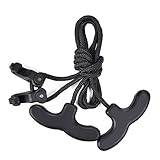
- ARS Mark9.2
ARS Mark is a ranking system developed by bestairriflescopes.com. ARS Mark has no relationship or impact from any manufacturers or sales agent websites. Learn more
- BrandELONG OUTDOOR

- ARS Mark9.2
ARS Mark is a ranking system developed by bestairriflescopes.com. ARS Mark has no relationship or impact from any manufacturers or sales agent websites. Learn more
- BrandArchery World
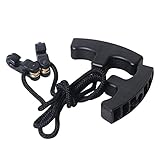
- ARS Mark9.2
ARS Mark is a ranking system developed by bestairriflescopes.com. ARS Mark has no relationship or impact from any manufacturers or sales agent websites. Learn more
- BrandSOPOGER

- ARS Mark9.2
ARS Mark is a ranking system developed by bestairriflescopes.com. ARS Mark has no relationship or impact from any manufacturers or sales agent websites. Learn more
- BrandHunter Ian Archery

- ARS Mark8.6
ARS Mark is a ranking system developed by bestairriflescopes.com. ARS Mark has no relationship or impact from any manufacturers or sales agent websites. Learn more
- BrandArcherest

- ARS Mark8.4
ARS Mark is a ranking system developed by bestairriflescopes.com. ARS Mark has no relationship or impact from any manufacturers or sales agent websites. Learn more
- BrandBow and arrow college

- ARS Mark8.2
ARS Mark is a ranking system developed by bestairriflescopes.com. ARS Mark has no relationship or impact from any manufacturers or sales agent websites. Learn more
- BrandAHOSOUTLY
Last update on 2026-05-27 / Affiliate links / Images, Product Titles, and Product Highlights from Amazon Product Advertising API
How To Manually Cock A Crossbow
Heavy draw weight catches people off guard fast. One second the crossbow feels manageable, then suddenly your shoulders tighten, the string twists unevenly, and the entire setup feels awkward. Plenty of accuracy problems actually start long before the bolt leaves the rail, which is why how to manually cock a crossbow matters far more than many shooters expect. Smooth handling, balanced force, and controlled body movement usually separate reliable shots from frustrating misses.
Start With Stable Foot Positioning
Slippery footing ruins consistency in a hurry. Wet grass, loose dirt, or uneven terrain can throw off your balance before the string even reaches the latch. Strong footing creates a safer foundation while reducing unnecessary strain on your back and shoulders. Most experienced shooters plant both feet firmly and keep their weight centered instead of leaning aggressively backward.
The stirrup placement matters more than people think. Your boot should sit fully inside the stirrup with steady downward pressure so the crossbow stays anchored during the pull. A partial foot position often causes wobbling, especially on heavier draw weights. That tiny movement can shift the string alignment enough to affect bolt flight later.
Posture also changes how difficult the pull feels. Bent knees and a straight back help distribute force evenly across your body instead of dumping tension into your lower spine. Pulling while hunched over usually creates shaky movement and shoulder fatigue. Smooth mechanics protect both muscle endurance and shooting consistency.
Cold weather adds another layer of frustration. Stiff muscles reduce flexibility, while bulky boots can make stirrup placement feel awkward. Controlled movement becomes even more important once temperatures drop. A slower, balanced setup prevents rushed mistakes that tend to happen when hands and shoulders tighten in colder air.
Keep The String Even Every Time
Uneven string alignment causes more missed shots than many realize. One side pulled slightly farther back changes limb tension and alters bolt trajectory without obvious warning signs. Crossbows demand symmetry, so both hands need equal pulling pressure throughout the motion. Tiny inconsistencies create larger problems at longer distances.
Center serving marks help track alignment during the pull. Some shooters place subtle visual references near the rail so they can quickly verify whether the string sits evenly before loading a bolt. That quick check takes seconds but saves endless frustration later at the target. Reliable accuracy often starts with those boring little habits.
Jerking the string backward creates unnecessary wobble. Controlled pressure keeps the rail steady while helping the latch engage more cleanly. Fast yanks may feel powerful, but they usually reduce precision and increase serving wear over time. Smooth tension protects the crossbow while helping your body stay balanced.
Hand placement deserves attention too. Fingers hooked unevenly against the string can tilt the pull angle slightly to one side. That imbalance becomes more noticeable on high draw weight setups. Balanced grip pressure helps maintain consistent tension across both limbs and supports cleaner bolt release later.
Reduce Shoulder And Back Strain
Sore shoulders after a few shots usually point toward bad mechanics rather than weak strength. Plenty of shooters try muscling through the draw using mostly arm power, which burns energy fast and creates shaky handling. Strong technique spreads the workload across the legs, back, and core instead. That balanced movement makes repeated cocking sessions far more manageable.
Breathing rhythm helps more than expected. Exhaling slowly during the pull keeps your body relaxed and reduces tension buildup around the neck and shoulders. Holding your breath often creates jerky movement and unnecessary strain. Calm breathing keeps the motion smoother from start to finish.
Body angle changes the pull force dramatically. Standing too upright limits leverage, while leaning too far backward stresses the lower spine. A slight rearward lean with stable footing usually creates the best balance between power and control. Small posture adjustments can make heavy draw weights feel noticeably easier.
Long practice sessions expose bad habits quickly. Fatigue reduces grip stability, especially after repeated pulls on hunting crossbows with aggressive draw resistance. Stretching beforehand and pacing yourself during practice protects your joints from overuse. Strong habits preserve comfort, accuracy, and long-term shooting confidence.
Watch For Common Safety Mistakes
Finger placement mistakes happen faster than people expect. Loose fingers drifting above the rail create a dangerous situation once the bolt fires. Crossbows generate serious forward force, and rail contact injuries can become ugly in a split second. Safe hand positioning should become automatic before worrying about speed or accuracy.
Dry firing creates another expensive problem. Forgetting to load a bolt before pulling the trigger sends stored energy directly through the limbs and string system instead of transferring it properly. That impact can crack components or damage the rail assembly. Careful loading habits protect the crossbow from unnecessary wear.
Worn serving material deserves close attention too. Frayed sections increase friction during manual cocking and can shift unevenly under tension. Regular inspections help catch problems before they grow into expensive repairs. A rough string often feels heavier and less predictable during the draw.
Noise control matters during hunting situations. Aggressive cocking motions create louder mechanical sounds that may spook nearby game. Slow, controlled movement keeps the setup quieter and more stable. Reliable safety habits usually improve overall handling at the same time.
Improve Accuracy Before The Shot
Crossbow accuracy starts long before the trigger break. Uneven cocking changes string alignment, which directly affects bolt flight and scope consistency. Plenty of shooters waste time adjusting optics when the real issue sits in the cocking process itself. Reliable setup habits remove that hidden variable.
Rail pressure should feel centered during the draw. Twisting the crossbow slightly while pulling shifts tension unevenly across the limbs. That imbalance can create unpredictable groupings even at moderate distances. Stable positioning keeps the rail aligned and the bolt path cleaner.
Bolt seating matters too. A partially seated bolt combined with uneven string placement creates sloppy launches that feel impossible to diagnose later. Experienced shooters double-check the nock position before disengaging the safety. Those tiny routine checks prevent frustrating misses at the range or in the field.
Muscle fatigue affects precision more than people admit. Tired shoulders and shaky arms reduce steadiness before the shot even begins. Controlled cocking preserves more energy for aiming and trigger control afterward. Better mechanics often lead to tighter groupings without changing any equipment.
Handle Heavy Draw Weight More Smoothly
High draw weights intimidate plenty of people during their first few sessions. The resistance feels manageable at first, then suddenly stacks hard near the end of the pull. Rushing through that final section usually causes uneven alignment and shoulder strain. Smooth pacing keeps the movement controlled from beginning to end.
Grip strength plays a role, but leverage matters more. Pulling with your entire upper body instead of relying only on your hands reduces fatigue significantly. Balanced mechanics also help prevent twisting during the draw. Efficient movement feels calmer and far less exhausting over time.
Humidity and sweat create another hidden challenge. Damp palms reduce traction and make the string feel unstable during heavier pulls. Many shooters carry small grip towels or textured gloves to improve control during long outdoor sessions. Better grip stability supports safer handling and cleaner alignment.
Repeated heavy pulls wear down concentration fast. Mental fatigue often leads to sloppy finger positioning or rushed safety checks. Slowing down between shots helps maintain consistent technique and reduces careless mistakes. Controlled rhythm usually beats brute force every single time.
Use Accessories Without Relying On Them
Cocking ropes help reduce draw resistance, but they don't magically fix poor habits. Uneven hand placement or unstable footing still creates alignment problems even with assistance tools attached. Good mechanics should stay consistent whether you're pulling manually or using added leverage. Accessories work best once the fundamentals already feel natural.
Some shooters switch between manual cocking and rope cocking depending on the environment. Tight tree stand spaces, muddy ground, or awkward body angles may make one method feel safer than the other. Flexibility matters because field conditions rarely stay perfect for long. Adapting your technique helps maintain consistent performance.
Storage habits affect accessories too. Frayed ropes, worn handles, or stretched cords reduce efficiency during the draw. Regular inspection prevents failures during hunting trips or long practice days. Small maintenance checks often prevent surprisingly annoying problems later.
Crossbow slings can also interfere during manual cocking if they're dangling loosely near the rail or string path. Organized gear placement keeps movement smoother and reduces distractions. Simple preparation usually creates a calmer shooting routine overall.
Explore smoother shooting setups with best takedown recurve bow for target archery if you want to improve control, balance, and shooting rhythm across different archery styles.
Adjust Technique For Hunting Conditions
Flat shooting ranges rarely prepare people for real outdoor terrain. Mud, wet leaves, steep hillsides, and cramped blinds all change how manual cocking feels in the moment. Stable footing becomes harder to maintain once the ground shifts beneath your boots. Controlled pacing matters even more during unpredictable conditions.
Heavy hunting clothing creates another challenge. Thick jackets reduce shoulder mobility and sometimes interfere with string clearance during the draw. Practicing while wearing actual hunting layers helps reveal awkward movements before opening day arrives. Better preparation reduces stress once the pressure builds outdoors.
Noise discipline becomes critical around cautious game. Fast cocking motions or sudden mechanical snaps can end an opportunity instantly. Slow movement paired with steady breathing keeps the process quieter and less disruptive. Calm mechanics support both accuracy and stealth.
Rain and moisture affect grip consistency too. Damp strings feel slightly different during tension, while slippery gloves reduce traction during heavier pulls. Many experienced hunters adjust their pace instead of forcing aggressive movement in bad weather. Patience usually keeps the entire process safer and smoother.
Upgrade outdoor comfort with best archery elk hunting pants for better mobility, quieter movement, and less distraction during long hunting sessions.
Manual Crossbow Cocking Tips For Better Accuracy
Missed shots get frustrating fast, especially after spending time dialing in your scope and carefully checking bolt alignment. Plenty of shooters blame the optics first, but uneven cocking habits quietly sabotage consistency long before the trigger breaks. Small shifts in string tension create surprisingly noticeable differences once the bolt leaves the rail. Better control during manual cocking often fixes accuracy problems that seem impossible at first.
Build Consistent Muscle Memory
Crossbow handling improves through repetition, not brute force. Smooth movement patterns eventually become automatic, which helps reduce uneven string placement during stressful moments. Many shooters rush the pull once fatigue kicks in, and that usually creates sloppy mechanics. Controlled pacing keeps the draw cleaner while protecting accuracy and body alignment.
Practice sessions should stay focused on quality instead of volume. Twenty controlled repetitions teach your muscles far more than fifty rushed pulls with inconsistent pressure. Stable hand placement and even shoulder movement matter every single time the string moves backward. Reliable habits reduce mental clutter once you're outdoors or dealing with target pressure.
Lighting conditions also affect muscle memory more than expected. Bright range conditions feel completely different compared to dim woods during early morning hunting hours. Limited visibility can throw off hand placement and body position if your routine isn't already deeply familiar. Consistent repetition helps maintain smooth handling regardless of the environment.
Body fatigue changes movement patterns too. Sore shoulders, cold hands, and tight lower back muscles make people compensate without realizing it. Those small adjustments often shift the string slightly off-center during the draw. Slower practice with careful attention to body position helps prevent those bad habits from settling in.
Control String Wear Before It Gets Worse
Serving wear sneaks up quietly. The string may look fine from a distance, but rough spots and flattened serving material create extra drag during manual cocking. That added friction often makes the pull feel heavier and less predictable over time. Regular inspection helps protect long-term reliability before small problems grow expensive.
Dirt and moisture create more friction than many shooters expect. Muddy conditions, dusty trails, and damp storage spaces slowly wear down serving material even if the crossbow isn't used heavily. Wiping down the rail and string after outdoor sessions helps reduce unnecessary abrasion. Simple maintenance keeps the draw smoother and quieter.
Rail lubrication deserves attention too. Too little lubrication increases friction, while too much creates messy buildup that traps debris around the string path. Balanced maintenance keeps movement cleaner during manual cocking without creating slippery handling problems. Controlled tension always feels more predictable on a properly maintained rail.
Temperature swings affect serving material as well. Cold weather stiffens the string slightly, while hot conditions sometimes soften wax unevenly across the serving. Those little differences change how the draw feels during longer shooting sessions. Consistent inspection helps maintain stable performance across changing seasons.
Improve shooting comfort with best recurve bow for tall person if longer draw setups and balanced posture matter during extended archery sessions.
Handle Tree Stand Cocking More Safely
Tree stand space disappears quickly once bulky gear enters the picture. Thick jackets, safety harnesses, and awkward seating positions make manual cocking far trickier than it feels on flat ground. Rushed movement inside cramped spaces usually creates unstable footing or uneven pulls. Slower positioning helps maintain safe handling without forcing awkward body angles.
Foot placement becomes harder on narrow platforms. A partially secured boot inside the stirrup creates wobble during the draw, especially with heavier crossbows. Many hunters pause briefly before pulling just to verify stable footing. That extra second helps prevent dangerous slips while maintaining cleaner alignment.
Upper body flexibility changes dramatically inside elevated setups. Tight harness straps and layered clothing reduce shoulder mobility, which can throw off pulling symmetry during the cocking motion. Practicing from realistic elevated positions prepares your muscles for those awkward angles before hunting season starts. Controlled repetition builds more confidence under pressure.
Noise matters even more from elevated positions. Metal platform vibration and sudden movement echo surprisingly far in quiet woods. Slow movement paired with steady breathing helps minimize unwanted sound during setup. Calm mechanics support both stealth and better shooting rhythm.
Fix Uneven Bolt Flight Problems
Bolts drifting unpredictably often trace back to inconsistent cocking rather than defective arrows or poor optics. Uneven string placement changes limb tension enough to affect flight path immediately after release. Some shooters chase scope adjustments endlessly without realizing the setup process caused the issue. Balanced tension usually tightens groupings faster than constant sight corrections.
Nock engagement deserves close attention before every shot. A bolt sitting slightly out of position creates sloppy launches and inconsistent energy transfer. Careful shooters check bolt seating automatically before disengaging the safety. Those tiny habits often separate reliable accuracy from frustrating guesswork.
Crosswind conditions exaggerate uneven launches too. Minor string alignment errors become far more noticeable once wind resistance pushes the bolt during longer shots. Stable cocking technique reduces those unpredictable flight changes and keeps the setup more repeatable. Reliable mechanics matter even more once outdoor conditions turn rough.
Heavy broadheads also expose alignment problems quickly. Additional front-end weight magnifies slight inconsistencies during release, especially at extended distances. Controlled manual cocking helps maintain balanced force across the limbs and supports cleaner energy transfer through the rail.
Manage Fatigue During Long Practice Sessions
Long shooting days wear people down faster than expected. Manual cocking repeatedly taxes the shoulders, forearms, and lower back even if the movement feels manageable at first. Muscle fatigue slowly changes body mechanics, which often leads to rushed pulls and uneven alignment later in the session. Smart pacing keeps your form cleaner for longer.
Hydration actually affects shooting consistency more than many realize. Dehydrated muscles tighten faster, reducing flexibility and smooth pulling motion during repeated draws. Plenty of experienced shooters take short recovery breaks between groups instead of forcing nonstop repetition. Better recovery supports steady control and more comfortable practice.
Grip pressure changes once fatigue sets in. Sweaty palms and tired forearms reduce traction against the string, especially during humid outdoor conditions. Small towels or textured gloves help maintain cleaner hand placement throughout longer range sessions. Better grip stability lowers the risk of uneven tension.
Stretching afterward helps preserve shoulder mobility too. Tight muscles from repeated pulling create stiffness that carries into future sessions if ignored. Gentle recovery work protects joints while reducing soreness after heavy practice days. Consistent recovery habits support long-term shooting comfort.
Use Better Sight Alignment Habits
Crossbow sights only work properly if the setup stays consistent beforehand. Uneven cocking shifts bolt flight enough to make even expensive optics feel unreliable. Some shooters waste hours adjusting pins and scopes when the string alignment keeps changing between shots. Stable setup habits help your sight system perform the way it should.
Eye focus matters during the entire shooting sequence, not just the aiming stage. Rushed cocking often leaves people mentally scattered before they even shoulder the crossbow. Slower preparation helps calm the body and improves concentration before lining up the shot. Controlled rhythm creates better target focus.
Lighting conditions affect sight visibility too. Early morning glare or dim evening shadows make rushed aiming even harder once fatigue builds. Strong cocking consistency removes one more variable from the shooting process. Cleaner preparation creates steadier confidence under difficult conditions.
Scope vibration can also loosen mounting hardware over time. Repeated rough handling during manual cocking adds unnecessary movement around the rail and optic assembly. Careful setup protects your sight system while maintaining steadier alignment shot after shot. Better handling usually improves equipment longevity at the same time.
Upgrade aiming consistency with best hunting sights for archery if low-light visibility and cleaner target alignment matter during hunting season.
Stay Calm During High Pressure Moments
Adrenaline changes everything once a real shot opportunity appears. Heart rate climbs, breathing shortens, and people start rushing movements they normally handle smoothly at the range. Manual cocking becomes much harder if your body suddenly feels tense and shaky. Controlled breathing helps restore steadier movement before the shot setup begins.
Cold hands create another challenge during stressful moments. Reduced finger sensitivity makes string grip less predictable, especially while wearing thick gloves. Many shooters loosen their pace intentionally once conditions feel tense or rushed. Slowing down helps maintain safe control under pressure.
Environmental distractions pile up quickly outdoors. Wind noise, moving branches, and shifting terrain pull attention away from body positioning during the draw. A deeply familiar cocking routine helps keep your movements automatic even when concentration gets divided. Reliable habits protect consistency once the pressure spikes.
Some hunters practice stress drills before the season starts. Elevated heart rate exercises followed by controlled shooting routines help simulate real hunting conditions without needing actual field pressure. That preparation builds steadier movement patterns once adrenaline kicks in. Calm mechanics often create better results than rushing for speed.
Maintain Better Long Term Crossbow Performance
Crossbows last longer when the cocking process stays controlled and consistent. Aggressive pulling, uneven string tension, and careless handling gradually increase wear across the rail and limb system. Small maintenance habits reduce long-term stress on critical components. Better handling protects both performance and repair costs.
Storage conditions matter more than many expect. Damp garages and overheated vehicle interiors slowly affect strings, serving material, and rail lubrication over time. Stable indoor storage helps maintain smoother cocking performance throughout the year. Consistent care prevents annoying surprises before hunting trips or practice sessions.
Loose hardware also deserves routine inspection. Repeated vibration from rough handling sometimes loosens mounting screws around scopes, quivers, and rail systems. Quick equipment checks help catch problems before accuracy starts slipping unexpectedly. Stable gear supports cleaner shooting consistency overall.
Good habits eventually become automatic. Smooth body mechanics, steady string alignment, and calm pacing create a more reliable shooting experience from start to finish. Manual cocking feels less exhausting once the process turns consistent and predictable. Better preparation supports safer handling, cleaner accuracy, and stronger confidence every time the crossbow comes off the rack.


12 Best 22 Pcp Air Rifle For Hunting of 2026 With Quiet Power

7 Best 22 Pcp Air Rifle Under 300 of 2026 For Backyard Pest Control

10 Best 22 Break Barrel Air Rifles of 2026 For Backyard Pest Control

10 Best 30 Caliber Pcp Air Rifle of 2026 For Medium Game

Top Best 177 Air Rifle Under 100: Budget-Friendly Picks for 2026

How to Safely Reload Shotgun Shells at Home

11 Best Co2 Air Rifle For Pest Control of 2026 To Ensure Humane Dispatch

12 Best Inexpensive Air Rifles of 2026 For Dependable Backyard Accuracy






