
How to Measure Your Hand for Archery Gloves Right

How to measure your hand for archery gloves sounds simple at first glance, yet plenty of archers end up frustrated after buying gloves that pinch fingers, slide around the wrist, or rub the string in all the wrong spots. A glove that feels awkward can throw off consistency fast. Tiny sizing mistakes often turn smooth shots into a distracting mess, especially during longer practice sessions where hand fatigue sneaks in before you even notice it.
Finger length matters more than many people expect. A glove with fingertips that bunch up can reduce sensitivity on the string, while one that's too short creates pressure that becomes irritating after repeated shots. That’s where proper measurements come into play. Taking accurate numbers across the palm and fingers helps create a snug yet natural fit, which keeps hand movement steady instead of clumsy and stiff.
Comfort also changes depending on weather and shooting style. Cold mornings can make leather tighten slightly, while humid afternoons may cause gloves to feel looser after extended wear. Archers who shoot daily usually notice these little quirks pretty quickly. A properly measured glove leaves enough flexibility for movement without feeling sloppy or bulky around the joints.
Archery glove sizing isn’t just about width either. Wrist closure, palm stretch, and finger spacing all influence how natural the release feels. Some gloves feel fine while standing still, but the moment a bowstring starts moving, pressure points appear out of nowhere. Measuring carefully before buying helps avoid that irritating cycle of ordering replacements over and over again.
Soft leather gloves may stretch over time, while synthetic materials tend to hold their shape longer. That tradeoff catches many people off guard. A glove that feels slightly firm at first might eventually settle into a comfortable fit, but one that already feels loose rarely improves later. Paying attention to material behavior can save both money and patience.
Hand measurements should always be taken with relaxed fingers instead of a clenched fist. Tension changes the width of the palm and can skew sizing numbers. A flexible measuring tape wrapped around the widest part of the hand usually gives the cleanest result. Then, finger length measurements help fine-tune sizing charts that vary between brands.
How to measure your hand for archery gloves becomes even more useful once shooting habits are considered. Some archers prefer a close, tactile feel for traditional bows, while others lean toward slightly padded protection during long target sessions. Neither approach is wrong. The real goal is keeping finger movement smooth and predictable while protecting the skin from repetitive string friction.
Little details make a surprising difference. Stitch placement near the fingertips, glove thickness, and even wrist strap tension can affect consistency during release. A well-fitted glove feels almost invisible after a while, which honestly says everything. Good sizing keeps attention on the target instead of constant readjustments between shots.

- ARS Mark9.2
ARS Mark is a ranking system developed by bestairriflescopes.com. ARS Mark has no relationship or impact from any manufacturers or sales agent websites. Learn more
- BrandSeektop

- ARS Mark9.2
ARS Mark is a ranking system developed by bestairriflescopes.com. ARS Mark has no relationship or impact from any manufacturers or sales agent websites. Learn more
- BrandSeektop
- ARS Mark9.2
ARS Mark is a ranking system developed by bestairriflescopes.com. ARS Mark has no relationship or impact from any manufacturers or sales agent websites. Learn more
- BrandSeektop

- ARS Mark9.0
ARS Mark is a ranking system developed by bestairriflescopes.com. ARS Mark has no relationship or impact from any manufacturers or sales agent websites. Learn more
- BrandMARKEEP

- ARS Mark9.0
ARS Mark is a ranking system developed by bestairriflescopes.com. ARS Mark has no relationship or impact from any manufacturers or sales agent websites. Learn more
- BrandMighty Musk
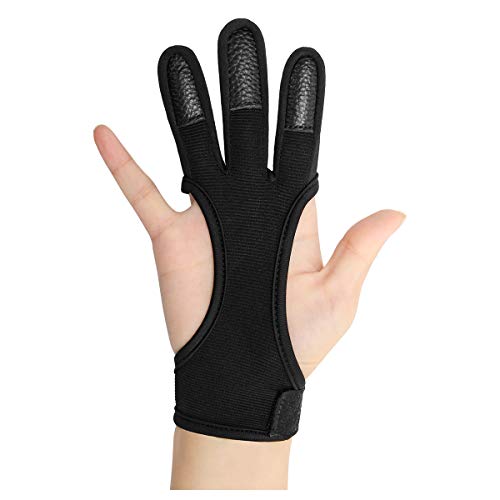
- ARS Mark9.0
ARS Mark is a ranking system developed by bestairriflescopes.com. ARS Mark has no relationship or impact from any manufacturers or sales agent websites. Learn more
- BrandCoolrunner
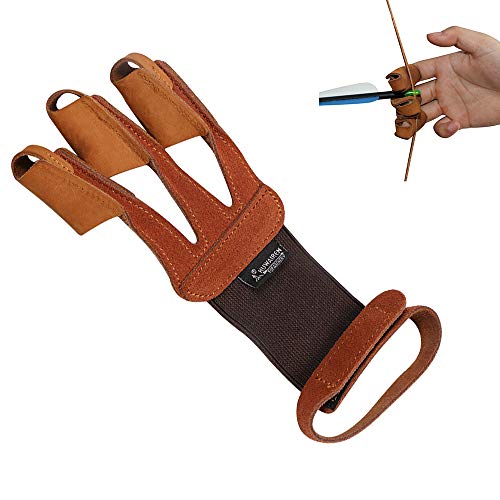
- ARS Mark8.8
ARS Mark is a ranking system developed by bestairriflescopes.com. ARS Mark has no relationship or impact from any manufacturers or sales agent websites. Learn more
- BrandHuntingdoor
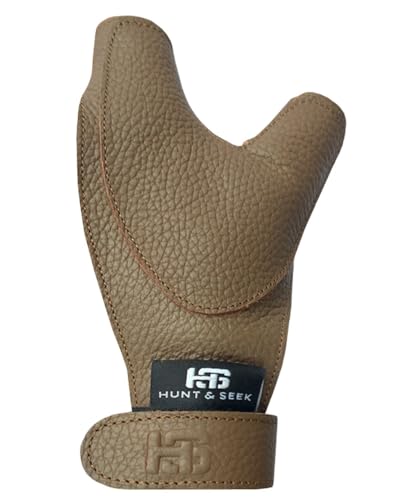
- ARS Mark8.4
ARS Mark is a ranking system developed by bestairriflescopes.com. ARS Mark has no relationship or impact from any manufacturers or sales agent websites. Learn more
- BrandHunt & Seek

- ARS Mark8.2
ARS Mark is a ranking system developed by bestairriflescopes.com. ARS Mark has no relationship or impact from any manufacturers or sales agent websites. Learn more
- BrandPrespollw
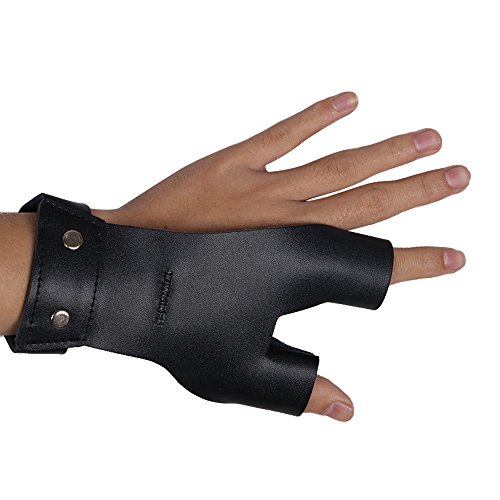
- ARS Mark8.0
ARS Mark is a ranking system developed by bestairriflescopes.com. ARS Mark has no relationship or impact from any manufacturers or sales agent websites. Learn more
- BrandTOPARCHERY
Last update on 2026-05-27 / Affiliate links / Images, Product Titles, and Product Highlights from Amazon Product Advertising API
How To Measure Your Hand For Archery Gloves
Nothing ruins a clean shooting rhythm faster than finger pinch, loose leather, or stiff material bunching around the knuckles. A glove that feels “close enough” during the first few shots can suddenly become irritating halfway through practice. That’s exactly why how to measure your hand for archery gloves matters more than many archers expect. Proper sizing keeps the release smoother, reduces friction hotspots, and helps maintain a more natural finger position through repeated draws.
Why Glove Fit Changes Your Release
Finger pressure shifts constantly during shooting. A glove that’s slightly oversized often twists against the string, especially during repetitive target sessions. That tiny movement can make releases feel inconsistent without the archer immediately realizing what’s causing it. Stable finger alignment and controlled string contact usually start with proper glove measurements instead of expensive accessories.
Leather stretching creates another issue that catches plenty of people off guard. Fresh gloves sometimes feel tight during the first few sessions, but softer leather gradually molds around the hand. Synthetic materials behave differently and usually keep their original shape longer. That tradeoff matters because a glove that already feels loose in the beginning may become annoyingly sloppy after regular use.
Cold weather changes glove fit too. Fingers stiffen slightly in lower temperatures, while damp summer conditions can soften leather and create extra movement around the fingertips. Archers who practice outdoors throughout the year often notice these small changes immediately. Consistent sizing becomes much more valuable once weather conditions start shifting week after week.
Hand fatigue also builds faster with poor sizing. Tight finger stalls reduce flexibility and create pressure near the joints, especially during longer practice sessions. Loose fingertips create their own problem by reducing sensitivity against the bowstring. A properly measured glove usually disappears from your awareness after several shots, which honestly says everything about good fit.
Measuring Palm Width The Right Way
Most sizing charts begin with palm width for a reason. The widest section of the hand gives the clearest starting point for glove sizing. A flexible measuring tape wrapped around the palm, just below the knuckles and excluding the thumb, usually provides the cleanest number. Accurate palm measurements help prevent gloves from feeling restrictive during full draw positions.
Relaxed fingers matter while measuring. Clenching the fist changes palm width and creates numbers that don’t reflect normal shooting posture. Many sizing mistakes happen because people measure with tension in their hands instead of keeping them loose and natural. A calm hand position creates a much more realistic fit later.
Different brands interpret measurements differently too. One medium glove may feel roomy while another feels tight around the palm despite similar sizing charts. Reading material descriptions helps narrow things down before buying. Thin deerskin leather, for example, behaves differently than thicker synthetic padding designed for heavier draw weights.
Wrist fit deserves attention as well. Gloves with loose wrist straps often shift slightly during release, especially after repeated shots. A stable wrist closure helps keep finger placement consistent from shot to shot. That extra stability becomes surprisingly noticeable once practice sessions start getting longer.
Finger Length Mistakes That Cause Problems
Finger length gets ignored constantly, yet it affects comfort almost immediately. Gloves with fingertips extending too far beyond the fingers create bunching against the string. That excess material can dull sensitivity and slightly alter release timing. Precise finger coverage keeps movement cleaner and more predictable.
Short fingertips create even bigger headaches. Tight seams pressing against fingernails or knuckles quickly become uncomfortable during repetitive shooting. Archers using heavier bows usually feel this problem faster because finger pressure increases with higher draw weight. Proper measurements help avoid those irritating pressure points before they ever start.
Middle finger measurements usually provide the most useful reference point. Measuring from the finger base to the tip helps compare sizing charts more accurately across brands. Some gloves naturally fit longer fingers better, while others feel noticeably shorter despite similar palm widths. Paying attention to both dimensions reduces guesswork dramatically.
Finger shape matters too. Slim fingers sometimes float inside wider fingertip designs, while broader fingers may feel squeezed inside narrow cuts. Material flexibility can compensate slightly, but only up to a point. Balanced finger fit helps maintain control without sacrificing comfort.
Leather Versus Synthetic Material Fit
Leather gloves develop character over time. Softer materials gradually conform to hand shape and create a more natural feel after repeated use. That break-in period can feel frustrating during the beginning though, especially if the glove initially feels snug. Patience usually pays off with leather, but sizing still needs to start reasonably close.
Synthetic gloves behave differently. They generally hold their structure longer and resist stretching during humid weather. Some archers prefer this consistency because the fit remains predictable throughout the season. Others dislike the stiffer feel, especially during long shooting sessions where flexibility becomes more important.
Thin leather improves tactile feedback against the string. That closer connection helps many traditional archers maintain a smoother release feel. Heavier padded synthetic gloves provide more protection but can reduce finger sensitivity slightly. Neither approach is automatically better because shooting style changes what feels comfortable.
Maintenance affects glove longevity too. Leather exposed repeatedly to sweat or moisture without proper care may stiffen unevenly over time. Synthetic materials usually tolerate rough conditions better but sometimes trap heat inside the glove. Material choice influences both sizing behavior and long-term comfort.
How Draw Weight Affects Glove Sizing
Lighter draw weights rarely expose glove fit issues immediately. A glove might seem comfortable during casual shooting but feel completely different once heavier bows enter the picture. Increased pressure amplifies tight seams, loose fingertips, and stiff material faster than expected. Proper sizing becomes much more noticeable as finger strain increases.
Archers shooting traditional bows often prefer thinner gloves for better string feel. Compound shooters sometimes lean toward extra fingertip protection during longer target practice. Those preferences influence sizing decisions because thicker material changes how tightly the glove wraps around the fingers. A snug fit with thick padding can suddenly feel restrictive after repeated shots.
Finger circulation matters during extended sessions. Gloves that squeeze too tightly near the joints may create numbness after prolonged use. Loose gloves cause their own frustration by shifting repeatedly during release. Balanced sizing helps maintain comfort without sacrificing control or protection.
Bow setup also changes pressure distribution slightly. Three-finger under shooting styles often create different contact points compared to split-finger techniques. Some gloves accommodate those styles better than others depending on seam placement and fingertip reinforcement. Measuring carefully helps narrow down better-fitting options before purchase.
Common Sizing Errors During Online Orders
Guessing based on regular winter glove size causes problems constantly. Archery gloves fit differently because finger sensitivity and release consistency matter far more than simple warmth or casual comfort. A glove that feels fine for daily wear may feel awkward once tension from the bowstring enters the picture. Archery-specific fit requires more precision.
Ignoring brand sizing charts creates another common mistake. Some manufacturers design slimmer athletic fits, while others build roomier traditional styles. Comparing measurements directly against brand charts reduces surprises later. Spending two extra minutes measuring usually saves the hassle of returns and replacements.
Photos online can also mislead expectations. Thick padding sometimes appears bulky in pictures but feels comfortable during actual use. Thin leather may look sleek yet stretch more than expected after several weeks. Reading detailed material descriptions often reveals more useful information than product photos alone.
To improve shooting comfort during outdoor practice sessions, explore best bow for field archery setups that balance weight, grip, and long-session control. Matching glove fit with the right equipment often creates a more relaxed shooting experience overall.
Signs Your Current Glove Fits Poorly
Finger soreness appearing in the same spots repeatedly usually signals sizing problems. Pressure concentrated near seams or fingertip edges often means the glove dimensions don’t match the hand properly. Minor discomfort during the first few shots tends to become much worse later in the session. Repeated friction rarely fixes itself with time.
String feel provides another clue. Gloves that deaden sensitivity too much can make releases feel disconnected and inconsistent. Overly loose material sometimes folds against the fingertips during release, creating strange pressure changes from shot to shot. Small fit issues often reveal themselves through inconsistent shooting rhythm.
Wrist shifting creates problems too. Gloves sliding slightly after each release force constant readjustment between shots. That interruption becomes irritating surprisingly fast during target practice. A secure wrist fit helps maintain more reliable hand positioning.
Visual wear patterns often reveal trouble spots. Fingertips wearing unevenly or seams fraying early usually indicate poor alignment during release. Gloves that fit properly tend to wear more evenly across pressure points. Watching how materials age over time can reveal sizing mistakes people initially missed.
Choosing Better Finger Protection
Different fingertip thicknesses change the shooting experience dramatically. Thin protection increases sensitivity but may wear faster during heavy practice schedules. Thick padding absorbs pressure better but sometimes reduces the clean string feel some archers prefer. Balanced protection usually creates the best long-term comfort.
Stitch placement matters more than many expect. Raised seams near contact points can create rubbing after repeated shots, especially with heavier draw weights. Flat stitching tends to feel smoother during longer sessions. Small construction details often separate comfortable gloves from frustrating ones.
Glove flexibility changes hand fatigue levels too. Stiff finger stalls force extra effort during full draw positions, especially across colder temperatures. Softer materials allow fingers to move naturally without resistance. That freedom helps reduce tension buildup during repetitive shooting.
For archers building a backyard practice setup, compare durable options through best archery target for compound bow recommendations that handle repeated shooting without wearing down too quickly.
Best Ways To Size Archery Gloves Accurately
Finger comfort starts becoming a serious issue once practice sessions stretch longer than expected. Tiny fit problems that seem harmless during the first dozen shots can slowly build into sore fingertips, stiff knuckles, and inconsistent releases. That’s why accurate archery glove sizing matters far beyond simple comfort alone. A properly fitted glove helps maintain smoother finger movement, steadier string contact, and better shooting rhythm without constant distractions.
How Finger Shape Affects Glove Comfort
Not every hand follows the same proportions. Some archers have broader fingertips with shorter fingers, while others deal with narrow hands and long finger length that standard gloves rarely accommodate properly. Those differences matter because fingertip pressure changes dramatically depending on how material wraps around the hand. Finger shape compatibility often matters just as much as overall glove size.
Loose fingertip space creates subtle movement during release. That extra shifting can slightly alter how the string rolls off the fingers, especially during repetitive target shooting. A glove might technically “fit” according to the size chart yet still feel awkward because the finger stalls don’t match natural hand shape. Small mismatches tend to show up quickly once shooting volume increases.
Broad knuckles create another challenge. Gloves that fit perfectly around the fingertips sometimes squeeze too tightly across the middle joints during full draw. That restriction increases hand fatigue faster than expected, especially during colder weather where flexibility already decreases slightly. Balanced flexibility keeps the hand moving naturally instead of fighting against stiff material.
Hand dominance also changes wear patterns over time. The drawing hand absorbs repeated string pressure while the opposite hand remains mostly relaxed. Gloves that initially feel symmetrical may gradually stretch unevenly after extended use. Watching where pressure builds can reveal sizing problems that weren’t obvious during the first few sessions.
Why Wrist Support Changes Shooting Stability
Wrist movement influences more than most people realize. A glove shifting near the wrist during release often changes finger positioning slightly from shot to shot. That inconsistency becomes frustrating during target practice because the issue feels difficult to pinpoint at first. Secure wrist support helps stabilize the entire release process.
Velcro closures behave differently than elastic wrist bands. Adjustable straps usually provide more control, especially for archers whose wrist size falls between standard measurements. Elastic designs feel comfortable initially but can loosen gradually after repeated exposure to sweat and outdoor conditions. That subtle movement sometimes becomes noticeable only after longer practice sessions.
Heavy winter layers complicate fit too. Gloves paired with jackets or thick sleeves occasionally bunch near the wrist and restrict natural movement. A slimmer wrist design often feels cleaner during outdoor shooting because it reduces interference around the draw hand. Those little details matter more once temperatures start dropping.
Comfort and shooting control also improve with equipment that matches body proportions. For shorter draw setups, compare compact options through best compound bow for short draw length recommendations that focus on balance and manageable handling.
Breaking In New Archery Gloves Properly
Fresh gloves rarely feel perfect straight out of the package. Leather usually needs several shooting sessions before softening around the joints and fingertips. Some archers panic too early and assume the sizing is wrong after only a handful of shots. Mild tightness often relaxes naturally once the material starts adapting to hand movement.
Overstretching creates its own problem though. Pulling aggressively on damp leather or forcing excessive flexibility can weaken seams faster than expected. Gentle break-in sessions work better than trying to rush the process. A glove should gradually contour to the hand without becoming overly loose around pressure points.
Synthetic gloves need less break-in time but sometimes feel stiffer during cold weather. That rigidity may reduce finger sensitivity slightly during the first few sessions outdoors. Softer synthetic blends usually become more comfortable once body heat warms the material. Controlled flexibility helps preserve consistent release feel.
Storage conditions matter more than people think. Gloves left inside hot vehicles or damp range bags often stiffen unevenly over time. Leather exposed repeatedly to moisture without proper drying may shrink slightly near seams. Consistent care helps preserve sizing accuracy much longer.
How Sweat And Weather Affect Fit
Long practice sessions create moisture buildup faster than expected. Sweaty fingertips soften leather gradually, which can slightly loosen the fit around high-contact areas. Archers practicing during humid summer weather often notice their gloves feeling different by the end of the session compared to the beginning. Moisture management plays a bigger role than many realize.
Cold weather creates almost the opposite effect. Leather tends to stiffen slightly in lower temperatures, making tight gloves feel even more restrictive during the draw cycle. Fingers also lose flexibility faster in colder conditions, which amplifies sizing mistakes immediately. Gloves with a little natural flexibility usually handle seasonal shifts more comfortably.
Rain introduces another challenge entirely. Wet gloves often stretch temporarily while shooting, then tighten again once fully dried. Repeated soaking and drying cycles can alter material shape over time if proper care gets ignored. Consistent maintenance helps preserve both fit and durability.
Ventilation matters during extended practice. Gloves trapping excessive heat may create slippery fingertips and reduced comfort after repeated shots. Breathable materials usually feel more stable during warm-weather sessions. That extra airflow keeps finger movement smoother without creating bulky padding.
Differences Between Hunting And Target Gloves
Target shooting gloves usually prioritize finger sensitivity and repetitive comfort. Thin leather construction often provides a cleaner feel against the string while maintaining enough protection for longer sessions. Hunting gloves sometimes lean toward durability and weather resistance instead. Those differences change how sizing should feel across the fingers and palm.
Heavier hunting gloves occasionally include reinforced fingertips for rough outdoor use. Extra layers protect against wear but may slightly reduce tactile feedback during release. Some archers enjoy the added cushion, while others prefer thinner materials for cleaner string feel. Purpose-specific glove design changes overall comfort dramatically.
Mobility matters more during active outdoor movement. Gloves that feel comfortable while standing still at the range may become annoying during hikes through rough terrain or colder environments. Flexible wrist construction and breathable materials often improve all-day comfort. Small design differences become obvious once movement increases.
Outdoor gear setup matters too. Archers interested in lightweight field equipment sometimes compare survival-style shooting tools alongside bow setups. For compact outdoor shooting gear, explore best slingshot for hunting rabbits options built for portability and steady handling.
Why Cheap Gloves Often Wear Unevenly
Budget gloves sometimes look surprisingly decent during the first few uses. Problems usually appear after repeated practice sessions once weak stitching and uneven material thickness start breaking down. Fingertips may stretch inconsistently or develop pressure points near the seams. Material consistency affects long-term comfort more than flashy appearance.
Thin synthetic layers occasionally create hot spots against the fingers during heavier draw cycles. Those pressure areas become increasingly irritating as shooting volume rises. Gloves built with uneven padding also tend to wear out faster near the release fingers. Early wear patterns usually reveal quality issues pretty quickly.
Seam placement often separates durable gloves from frustrating ones. Rough stitching located near string contact points creates rubbing after extended practice. Smoother internal construction reduces irritation significantly during repetitive shooting. Small manufacturing details influence comfort every single session.
Cheap wrist closures also loosen faster over time. Velcro losing grip strength may cause the glove to shift subtly after repeated shots. That instability affects release consistency more than most people expect. Reliable fit depends on the entire glove structure, not just fingertip sizing alone.
Simple Adjustments For Better Fit
Minor sizing problems don’t always require replacing the glove immediately. Some leather gloves respond well to careful conditioning that softens stiff pressure points without overstretching the material. Controlled flexibility improvements often help gloves settle more naturally around the fingers. Small fit adjustments sometimes solve surprisingly annoying problems.
Finger tabs inside certain gloves may compress unevenly after repeated use. Rotating practice gloves occasionally helps reduce uneven wear across pressure points. Some archers even reserve one glove for heavy outdoor sessions and another for precision target practice. That rotation extends glove lifespan noticeably.
Trimmed fingernails help more than people expect. Tight fingertips often feel worse simply because longer nails press against the internal seams during release. Keeping nails shorter reduces unnecessary pressure inside the glove. Little habits like that improve comfort without spending extra money.
Hand stretching before practice also changes how gloves feel. Stiff fingers entering a shooting session may create extra pressure near tight seams or reinforced fingertips. A few minutes of finger mobility work usually helps the glove settle more naturally during the first shots. Comfortable shooting often depends on preparation as much as equipment.


12 Best 22 Pcp Air Rifle For Hunting of 2026 With Quiet Power

7 Best 22 Pcp Air Rifle Under 300 of 2026 For Backyard Pest Control

10 Best 22 Break Barrel Air Rifles of 2026 For Backyard Pest Control

10 Best 30 Caliber Pcp Air Rifle of 2026 For Medium Game

Top Best 177 Air Rifle Under 100: Budget-Friendly Picks for 2026

How to Safely Reload Shotgun Shells at Home

11 Best Co2 Air Rifle For Pest Control of 2026 To Ensure Humane Dispatch

12 Best Inexpensive Air Rifles of 2026 For Dependable Backyard Accuracy






