
How to Mount a Quiver on a Compound Bow Right

How to mount a quiver on a compound bow sounds straightforward until a rattling setup, poor balance, or awkward arrow access starts affecting every shot. A properly mounted quiver does more than carry arrows. It helps maintain stability, reduces unnecessary movement, and keeps essential gear within easy reach during practice sessions or long days in the field.
Bow balance often becomes the first thing people notice after installing a quiver. A setup that sits too far from the riser can make the bow feel heavier on one side, while loose mounting hardware may introduce vibration and unwanted noise. Small installation details can create a surprisingly large difference in overall comfort. That's why paying attention to alignment, mounting position, and hardware tension matters from the start.
Arrow accessibility plays a major role as well. Nobody wants to fumble around while trying to retrieve an arrow, especially when focus and timing matter. A well-positioned quiver keeps arrows secure while still allowing smooth removal when needed. At the same time, proper placement helps prevent broadheads or fletchings from interfering with other bow accessories.
Then there's the issue of noise. Ah, that's where many setups fall short. Even a high-quality quiver can create unwanted sounds if mounting brackets aren't tightened correctly or if contact points aren't seated properly. Paying attention to these seemingly minor adjustments can help create a quieter and more dependable setup that feels natural during every shot.
Many archers also want flexibility. Some prefer detachable quivers for quick transitions between hunting and target shooting, while others keep their quiver mounted permanently. Understanding how different attachment systems work makes it easier to choose the right approach for specific situations. A little preparation upfront often prevents frustration later.
Comfort remains another overlooked factor. A compound bow that feels balanced during a short session can become tiring after hours of carrying and shooting. Proper quiver placement helps distribute weight more effectively, making the bow easier to handle. Over time, this can contribute to a more consistent shooting experience and improved confidence behind every shot.
How to mount a quiver on a compound bow ultimately involves more than attaching a few screws. The process combines equipment compatibility, balance management, arrow accessibility, and vibration control into one practical adjustment. Getting these details right creates a cleaner, more reliable setup that supports accuracy and makes time on the range or in the field far more enjoyable.
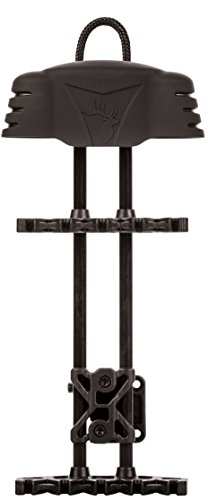
- ARS Mark9.2
ARS Mark is a ranking system developed by bestairriflescopes.com. ARS Mark has no relationship or impact from any manufacturers or sales agent websites. Learn more
- BrandTrophy Ridge

- ARS Mark9.2
ARS Mark is a ranking system developed by bestairriflescopes.com. ARS Mark has no relationship or impact from any manufacturers or sales agent websites. Learn more
- BrandG5 Outdoors
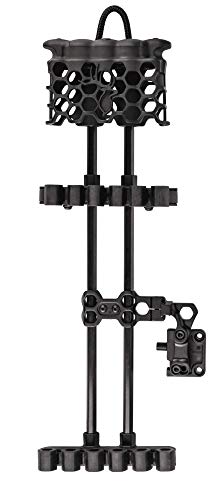
- ARS Mark9.2
ARS Mark is a ranking system developed by bestairriflescopes.com. ARS Mark has no relationship or impact from any manufacturers or sales agent websites. Learn more
- BrandTrophy Ridge

- ARS Mark9.0
ARS Mark is a ranking system developed by bestairriflescopes.com. ARS Mark has no relationship or impact from any manufacturers or sales agent websites. Learn more
- BrandBohning

- ARS Mark8.8
ARS Mark is a ranking system developed by bestairriflescopes.com. ARS Mark has no relationship or impact from any manufacturers or sales agent websites. Learn more
- BrandTrophy Ridge

- ARS Mark8.8
ARS Mark is a ranking system developed by bestairriflescopes.com. ARS Mark has no relationship or impact from any manufacturers or sales agent websites. Learn more
- BrandSAS

- ARS Mark8.4
ARS Mark is a ranking system developed by bestairriflescopes.com. ARS Mark has no relationship or impact from any manufacturers or sales agent websites. Learn more
- BrandTRUGLO

- ARS Mark7.0
ARS Mark is a ranking system developed by bestairriflescopes.com. ARS Mark has no relationship or impact from any manufacturers or sales agent websites. Learn more
- BrandHuntinghome

- ARS Mark7.0
ARS Mark is a ranking system developed by bestairriflescopes.com. ARS Mark has no relationship or impact from any manufacturers or sales agent websites. Learn more
- BrandBigKing
Last update on 2026-08-05 / Affiliate links / Images, Product Titles, and Product Highlights from Amazon Product Advertising API
How To Mount A Quiver On A Compound Bow
Few things are more frustrating than drawing your bow and noticing it feels awkward, noisy, or slightly off balance. A lot of that discomfort traces back to a poorly installed quiver rather than the bow itself. Learning how to mount a quiver on a compound bow helps create a more stable shooting platform, improves arrow access, and reduces the annoying rattles that can show up at the worst possible moment. A properly mounted quiver becomes part of the bow instead of feeling like an accessory hanging off the side.
Why Proper Quiver Mounting Matters
A quiver does much more than hold arrows. Its position directly affects bow balance, weight distribution, and overall shooting comfort. Even a lightweight quiver can change how a compound bow feels in the hand if it's mounted incorrectly.
Many archers focus heavily on sights, stabilizers, and releases while overlooking the impact of quiver placement. That oversight often leads to subtle issues that become noticeable after several hours of shooting. Fatigue can build faster, especially when carrying a bow over long distances.
Noise becomes another concern. Loose mounting brackets, improperly tightened bolts, or poor contact points can create vibrations that travel through the bow. A quiet setup is a major advantage because unwanted sounds can draw attention long before a shot opportunity arrives.
Proper installation also protects equipment. A securely mounted quiver reduces movement during transport and prevents unnecessary wear on arrows, broadheads, and mounting hardware. Small adjustments today can help avoid bigger problems later.
Identifying Your Quiver Mounting System
Not every quiver attaches the same way. Modern compound bows commonly use fixed mounting systems, detachable systems, or quick-release brackets. Identifying the design before installation prevents unnecessary frustration.
Most hunting bows include pre-drilled mounting holes on the riser. These holes are designed specifically for quiver brackets and allow for a clean, secure attachment. Manufacturers generally position them to maintain reasonable balance while keeping arrows accessible.
Quick-detach systems have become especially popular because they allow archers to remove the quiver quickly while practicing at the range. That flexibility provides a different feel during target shooting while maintaining convenience in the field. The tradeoff is that extra components require occasional inspection.
Some older bows may require adapter plates or specialty brackets. Compatibility should always be verified before installation begins. A mismatched mounting system often causes alignment problems that affect performance later.
Gathering The Right Tools Before Installation
A successful installation starts with simple preparation. Most setups require only a few basic tools, but having everything ready prevents interruptions halfway through the process. The most common requirement is a set of Allen wrenches that match the mounting hardware.
Clean mounting surfaces also matter. Dirt, debris, or dried residue between the bracket and riser can create tiny gaps that lead to movement. A quick wipe with a clean cloth often improves the final fit.
Thread-locking compound can help maintain bolt security over time. Many archers use a removable thread locker on mounting screws to prevent gradual loosening caused by vibration. That extra step provides long-term stability without making future adjustments difficult.
Good lighting helps more than people expect. Small alignment issues become easier to spot when every mounting point is clearly visible. Taking an extra few minutes during setup often saves time troubleshooting later.
Attaching The Mounting Bracket Correctly
The mounting bracket serves as the foundation of the entire quiver system. If the bracket shifts, every other component becomes less stable. Begin by aligning the bracket with the riser's designated mounting holes.
Insert bolts loosely at first rather than fully tightening them immediately. This allows minor adjustments before everything is locked into place. Small movements during this stage can improve overall alignment significantly.
Check that the bracket sits flush against the riser. Gaps between surfaces often indicate interference from debris or incorrect positioning. A flush fit helps maximize stability while minimizing unwanted vibration.
Tighten hardware gradually using alternating turns. That approach distributes pressure more evenly and helps avoid alignment issues. Once secured, the bracket should feel completely solid with no noticeable movement.
Positioning The Quiver For Better Balance
Balance can make or break the shooting experience. A quiver mounted too far from the riser creates additional leverage, making the bow feel heavier and less stable. Keeping the quiver close to the bow usually improves handling.
Many modern quivers include adjustment slots that allow fine-tuning. Those adjustments help bring arrow weight closer to the bow's centerline. Even small positioning changes can noticeably improve comfort.
Arrow count influences balance as well. A fully loaded quiver carries considerably more weight than a partially loaded one. Testing the bow with the number of arrows typically carried in real situations produces more realistic results.
Archers often describe a well-balanced bow as feeling natural at full draw. That sensation comes from proper weight distribution rather than simply reducing overall weight. Balance and weight are related, but they aren't the same thing.
Checking Arrow Clearance And Accessibility
Arrow access should feel smooth and predictable. Struggling to remove an arrow wastes time and creates unnecessary movement. Proper positioning allows quick retrieval without disrupting shooting rhythm.
Fletchings deserve special attention during setup. Contact between vanes and other accessories can cause damage over time. Clearance checks help prevent wear that may eventually affect arrow flight.
Broadhead users should verify spacing carefully. Sharp blades positioned too close to cables, strings, or accessories create unnecessary risks. Maintaining adequate separation protects both equipment and safety.
Practice retrieving arrows several times after installation. Real-world testing often reveals minor issues that aren't obvious during a visual inspection. Small adjustments can dramatically improve ease of use and overall convenience.
Reducing Noise And Vibration
Quiet equipment matters. Vibrations that seem insignificant on the practice range can become much more noticeable in calm outdoor conditions. Noise reduction starts with secure mounting hardware and proper bracket alignment.
Rubber dampeners help absorb vibration in many setups. Some quivers include integrated dampening materials, while others rely on accessories installed separately. Both approaches can contribute to a quieter shooting experience.
Inspect contact points throughout the quiver assembly. Loose arrow grippers, rattling components, or worn inserts often create sounds that are easy to overlook initially. Finding those issues early prevents ongoing annoyance.
Many experienced archers periodically shake their bow gently after installation. Any noticeable rattle indicates that something still requires attention. Eliminating movement remains one of the simplest ways to improve stealth and confidence.
Common Mounting Mistakes To Avoid
Overtightening hardware ranks among the most common mistakes. Excessive force can damage threads, deform brackets, or create unnecessary stress on components. Secure does not mean excessively tight.
Ignoring manufacturer recommendations causes problems too. Mounting systems are designed with specific hardware configurations in mind. Substituting random bolts or spacers can introduce alignment issues.
Skipping periodic inspections allows small problems to grow. Vibration naturally affects equipment over time, and mounting hardware should be checked regularly. A quick inspection takes only a few moments.
Many archers also underestimate the importance of compatibility. Not every quiver fits every bow equally well. Verifying fitment before installation helps avoid frustration and unnecessary modifications.
To improve broadhead performance after mounting your setup, explore best broadhead for 40 lb bow options that match arrow weight and bow configuration more effectively.
Best Way To Attach A Quiver To A Compound Bow
A bow that feels balanced in the shop can behave very differently after a few miles of walking, climbing, or repeated shooting. Small setup details often reveal themselves only after real use. That's why refining the installation after the initial mount is just as important as attaching the quiver in the first place. A few thoughtful adjustments can improve comfort, consistency, and overall confidence every time the bow leaves the rack.
Testing The Setup Before Heading Out
Many archers tighten the hardware, load the arrows, and assume everything is ready. That approach can lead to surprises later. A better habit is spending time with the bow after installation and paying attention to how it behaves during actual shooting sessions.
Draw the bow several times with the quiver fully loaded. Notice whether the bow wants to lean to one side or if extra effort is required to keep the sight level. Even slight imbalances become more obvious after repeated shots.
Walking around with the bow matters too. Carrying a compound bow across uneven ground often exposes weaknesses in a setup that seemed perfectly acceptable at the range. Movement can reveal rattles, shifting brackets, or clearance issues that remain hidden while standing still.
Practice sessions also create opportunities to evaluate accessory compatibility. Many shooters upgrading visibility later choose to pair their setup with a bow sight for bad eyes to improve target acquisition while maintaining a comfortable shooting posture.
Adjusting Quiver Height For Better Handling
Height adjustments are often overlooked. Yet moving a quiver slightly higher or lower can noticeably change how the bow feels during carrying and shooting. Most modern quivers provide some degree of vertical adjustment through slotted brackets.
A lower position can help keep arrows closer to the center of gravity. That arrangement often creates a more compact feel and reduces the sensation of top-heavy weight distribution. Still, lowering the quiver too much may interfere with other accessories.
A higher position sometimes improves arrow access, especially while wearing bulky clothing. The tradeoff is that extra weight higher on the bow can alter balance. Testing both positions helps determine which arrangement feels most natural.
Comfort remains the deciding factor. A setup that allows smooth movement, stable aiming, and easy arrow retrieval generally performs better over long periods than one focused on a single adjustment point.
Managing Weight Without Sacrificing Convenience
Every arrow adds weight. A fully loaded quiver may feel fine at the beginning of the day but noticeably heavier after hours of carrying. Managing that weight effectively starts with understanding actual needs rather than simply maximizing capacity.
Some archers carry more arrows than they'll realistically use. Reducing unnecessary weight can improve maneuverability and lessen fatigue. The difference may seem minor initially, yet those ounces add up over time.
Arrow construction affects weight as well. Heavier shafts and broadheads contribute more mass to the bow side of the setup. Maintaining reasonable balance often requires considering the entire arrow package rather than the quiver alone.
Convenience still matters. Carrying too few arrows creates its own frustrations. The goal is finding a practical balance between preparedness and comfort rather than pushing either extreme.
Maintaining Hardware Throughout The Season
Mounting bolts experience vibration every time the bow is fired. Even a properly installed quiver can gradually loosen after extended use. Routine inspections help catch these issues before they become larger problems.
A quick check takes only a few minutes. Verify that screws remain snug, brackets stay aligned, and arrow grippers still hold arrows securely. Consistency in maintenance often prevents unexpected failures.
Weather conditions can influence equipment too. Rain, dust, temperature changes, and repeated transport all place stress on mounting systems. Regular cleaning helps preserve reliability and extends component life.
Replacing worn rubber components deserves attention as well. Dampeners, inserts, and arrow retention materials naturally wear over time. Fresh components often restore quiet operation and improve arrow security.
Preventing Common Arrow Damage Issues
Arrow damage sometimes begins with quiver placement rather than shooting mistakes. Constant rubbing against accessories can wear fletchings, loosen vanes, or create subtle imperfections that affect performance.
Inspect arrows periodically after transport. Small contact marks often indicate clearance problems that should be corrected immediately. Ignoring them can lead to progressively worse wear.
Broadhead users need to remain especially attentive. Sharp blades positioned too closely to cables or accessories can create expensive damage surprisingly quickly. Proper spacing protects both equipment and safety.
Arrow retention should feel secure but not excessive. Overly tight grippers can deform vanes over time, while loose retention allows arrows to shift unnecessarily. Achieving the right balance helps preserve arrow integrity.
Balancing Hunting And Target Shooting Needs
A setup that excels in hunting situations may not feel ideal at the target range. Many archers notice they prefer different bow characteristics depending on the activity. Quiver systems allow flexibility when configured thoughtfully.
Quick-detach quivers simplify the transition between environments. Removing the quiver during target practice can reduce side weight and create a cleaner feel. Reattaching it later restores field readiness.
Others prefer leaving the quiver mounted year-round. Consistent equipment configuration means every practice shot mirrors real-world conditions more closely. That approach can help reinforce muscle memory and familiarity.
The better option depends on personal preferences, equipment choices, and shooting goals. Neither approach is automatically right or wrong. What matters most is maintaining consistency and confidence.
Integrating Other Bow Accessories Smoothly
A quiver rarely exists in isolation. Compound bows often carry sights, stabilizers, rests, wrist slings, and other accessories that compete for space. Integration becomes increasingly important as equipment grows more complex.
Accessory placement should support the bow's overall balance rather than create new issues. Sometimes moving a single component slightly improves the entire setup. Small changes often produce surprisingly noticeable results.
Shooters who enjoy experimenting with equipment configurations frequently compare different support systems and accessories. Some even review products such as the ar 15 bipod keymod for insights into stability principles that apply across various precision-focused gear setups.
The best configuration usually develops through gradual refinement rather than one major adjustment. Evaluating each accessory's impact helps create a cleaner, more efficient arrangement that supports long-term shooting comfort.
Recognizing Signs That A Setup Needs Refinement
Equipment often provides subtle clues when adjustments are needed. Increased vibration, shifting balance, loose-feeling arrows, or unusual noises rarely appear without a reason. Paying attention to those signals prevents larger problems.
Changes in shooting performance sometimes point toward equipment issues rather than technique. If accuracy suddenly feels inconsistent, checking the quiver system is a logical first step. Hardware movement can influence overall stability more than many people realize.
Visual inspections remain valuable. Look for worn contact points, shifted brackets, damaged inserts, or changes in arrow alignment. Small details frequently reveal the source of ongoing frustrations.
Confidence grows when equipment feels predictable. A properly mounted quiver contributes to stable handling, quiet operation, and dependable performance, allowing more focus on execution and less attention on gear concerns.


12 Best 22 Pcp Air Rifle For Hunting of 2026 With Quiet Power

7 Best 22 Pcp Air Rifle Under 300 of 2026 For Backyard Pest Control

10 Best 22 Break Barrel Air Rifles of 2026 For Backyard Pest Control

10 Best 30 Caliber Pcp Air Rifle of 2026 For Medium Game

Top Best 177 Air Rifle Under 100: Budget-Friendly Picks for 2026

How to Safely Reload Shotgun Shells at Home

11 Best Co2 Air Rifle For Pest Control of 2026 To Ensure Humane Dispatch

12 Best Inexpensive Air Rifles of 2026 For Dependable Backyard Accuracy






