
How to Oil a BB Gun Without Ruining the Seals?

Grabbing a standard can of household lubricant from the garage seems like the easiest way to free up a sluggish BB gun. In reality, petroleum-based sprays dissolve the soft rubber seal rings inside, so proper maintenance requires just one or two drops of pure silicone oil. That small amount is plenty to stop gas leaks, protect the internal valves, and keep moving metal parts sliding freely.
The exact spot to apply the lubricant depends on how the gun builds pressure. A model that runs on carbon dioxide cartridges needs oil right on the rubber gas seal, while a multi-pump rifle needs it along the pump hinge and air intake. Matching the safe oil to your specific mechanism keeps the compression chamber airtight. Here is how to place each drop properly without flooding the barrel.
Petroleum oils destroy rubber seals while pure silicone protects them
Every BB gun relies on soft rubber parts to trap air and push the shot out of the barrel. These parts are usually small rubber seal rings (O-rings) or molded synthetic cups hidden inside the firing valve. If those rubber parts dry out, air slips past them, and your gun loses its power. But reaching for the wrong can of oil on your workbench will ruin those seals in minutes.
Common household spray lubricants like WD-40 are penetrating solvents, not lubricants. When you spray a solvent into an airgun, it strips away the factory grease and dissolves synthetic rubber. The rubber gets soft, swells up like a soaked sponge, and turns into sticky black goo. Standard firearm oils, motor oil, and sewing machine oils cause the same destruction because they contain petroleum distillates that eat synthetic rubber.
Petroleum oils also create a serious safety hazard called dieseling (oil catching fire from rapid air compression). When an airgun piston or valve slams shut, it squeezes air into a tiny pocket in a fraction of a second. This sudden pressure generates intense heat, just like a diesel truck engine. If petroleum vapors are sitting in that chamber, the heat ignites the oil with a loud bang, scorching the valve and cracking internal metal parts.
You must always use 100 percent pure silicone oil or specialized, non-petroleum airgun chamber oil. Pure silicone does not eat rubber or plastic. It coats the rubber seal ring, keeps it flexible, and withstands extreme pressure without catching fire. A single tiny bottle of airgun-rated silicone oil costs only a few dollars and will last for years of backyard plinking.
Apply oil directly to seals and external pivot hinges
The exact spot where you place your drops of oil depends entirely on how your gun builds pressure. Airguns fall into three main mechanical styles: models powered by disposable gas cartridges, pump-action rifles, and spring-powered lever guns. Here is how to service each style step by step.
Oiling CO2 powered BB guns
CO2 models are rifles and pistols powered by disposable gas cartridges. These guns have a piercing pin (the needle that punctures the gas bottle) surrounded by a soft rubber seal ring inside the grip or magazine. Every time you pierce a fresh cartridge, cold gas rushes past that seal and slowly dries out the rubber.
- Make sure the gun is completely unloaded and remove any empty gas cartridge from the grip.
- Inspect the tip of your fresh, unpunctured gas cartridge to ensure it is clean and free of metal shavings.
- Place exactly one drop of airgun silicone oil directly on the rounded tip of the new cartridge.
- Slide the cartridge into the gun and tighten the screw until the piercing pin punctures the metal neck.
- Shoot a few practice rounds into a safe backstop. When the gas expands into the firing valve, it carries a fine mist of oil through the internal passages, lubricating the rubber seal ring automatically. If you shoot a realistic CO2 pistol for weekend practice, this simple routine keeps the entire gas track sealed and leak-free.
Oiling multi-pump pneumatic BB guns
Multi-pump pneumatics are rifles powered by 3 to 10 forearm hand pumps. These airguns have a long steel compression tube under the barrel and a pump arm that swings open on a hinge. Inside the tube sits a pump piston with a soft synthetic wiper that compresses the air.
- Open the forearm pump handle all the way forward to expose the open slot in the steel pump tube.
- Look inside the slot to spot the pump piston arm and the foam or synthetic wiper cup.
- Put one single drop of airgun oil directly onto the foam wiper inside the pump tube.
- Place one drop of oil on each pivot point (the hinge where parts swing or pump) along the metal pump linkage.
- Close the pump handle and pump the rifle three times without loading a BB. Store the gun with two pumps of air inside to keep the internal valve held closed against dust.
Oiling spring-piston and lever-action BB guns
Spring-action BB guns use a heavy internal spring to drive a piston forward when you pull the trigger. Classic lever-action models, like a lever-action BB gun for backyard plinking, cock that spring using an under-barrel lever. These guns require oil only on external joints, not inside the firing tube.
- Cock the lever halfway open so you can see the metal joints that connect the lever to the receiver.
- Place one small drop of oil on each metal pivot point where the lever swings against the frame.
- Wipe away any excess liquid with a clean rag so oil does not run down into the trigger group.
- Never pour oil down the shot tube or directly into the main spring chamber, because liquid oil in the spring tube causes violent dieseling and throws black smoke into your face.
One or two drops every few hundred shots is plenty
Airguns require far less lubrication than traditional powder-burning firearms. Pouring oil into an air rifle does not make it shoot faster. It only gums up the trigger and attracts grit. Follow this simple checklist to keep your dosage correct:
- CO2 cartridge models: Place one drop of silicone oil on the cartridge tip every third or fourth gas cylinder you install. You do not need to oil every single bottle.
- Multi-pump pneumatic rifles: Place one drop on the pump wiper and one drop on the pump hinges every 250 to 500 shots. If you only shoot occasionally, add one drop at the start of the summer plinking season.
- Spring and lever-action guns: Place one drop on the lever hinges every 500 to 1,000 shots, or whenever the cocking stroke starts to feel dry and stiff.
- Long-term storage routine: If you plan to store your BB gun in a closet or cabinet for the winter, place one drop of silicone oil on the main seal before putting it away. This stops the rubber from drying, shrinking, and cracking while sitting idle.
If you have not shot your gun in a couple of years, do not pump it aggressively right away. Place a drop of silicone oil on the dry seal, let the gun sit upright on its buttstock for an hour so the fluid can soak into the rubber, and then cycle the action gently.
Excess oil causes smoky dieseling and fouls the barrel
Too much oil causes just as much damage as running a gun bone-dry. Knowing what to avoid will save you from stripped seals, sticky valves, and ruined shooting sessions. Keep these common mistakes in mind whenever you service your gun.
Never squirt oil down the barrel. Steel BBs are smooth round balls for plinking, and they feed through a narrow magnetic track or spring follower into the breach. If you flood the barrel with oil, the sticky fluid coats the internal walls and catches dirt, dust, and lint. That sludge creates a paste that jams the BB feeding gate and ruins your accuracy.
Never flood the compression chamber. When excess oil pools inside the air tube of a high-pressure pump gun or spring rifle, rapid compression ignites the fluid. This dieseling (oil catching fire from rapid air compression) produces a loud gunshot noise, a flash of flame, and a blast of smelly grey smoke. The sudden heat burns through the rubber seal ring and can warp the internal valve stem.
Never store a CO2 gun with a pressurized gas bottle clamped inside. Leaving a full or half-used cartridge inside the gun keeps continuous, heavy pressure on the rubber seal ring around the piercing pin. Over time, that constant crushing force flattens the rubber permanently. When you finally remove the cartridge, the seal stays crushed like a flat pancake and will leak gas around the next bottle you insert.
Never use aerosol spray cans with plastic straw nozzles. Aerosol cans contain chemical propellants that chill the metal rapidly and degrade delicate synthetic seals. Use a squeeze bottle with a needle tip instead so you can place a single drop exactly where you want it without overspray.
Fresh oil can revive dry seals but cannot fix cracks
If your BB gun is hissing, dropping velocity, or failing to hold air when you pump it, a dry seal is usually the culprit. Before taking the gun apart or throwing it in the trash, use this quick checklist to test whether fresh oil can save it:
- Listen for the leak: Install a fresh CO2 cartridge or pump the rifle three times in a quiet room. Hold the gun near your ear. If you hear a faint hissing sound coming from the grip or the loading port, gas is escaping past a seal.
- Try the oil soak method: Put two generous drops of airgun silicone oil directly onto the piercing pin or pump cup. Stand the gun upright in a corner so gravity draws the oil down into the valve seat. Wait 30 to 60 minutes for the dry rubber to absorb the fluid and swell back to its original shape.
- Check the compression: After an hour, try charging the gun again. If the hissing stops and the BB shoots with a crisp pop, the seal was simply dry and the oil restored its flexibility.
- Inspect for torn rubber: If the gun still hisses loudly or dumps its entire charge of gas immediately, look closely at the rubber seal ring with a small flashlight. If you see chunks missing, deep gouges, or hardened white flakes, the rubber is torn or brittle.
No amount of oil will repair a split or torn seal. When a rubber seal ring is cracked or physically gouged, you must unscrew the valve assembly and install a fresh factory replacement seal. If you do not feel comfortable opening the valve body with hand tools, contact the manufacturer or a local airgun repair shop to replace the valve pack safely.
Choose dedicated silicone oils with needle tips for easy control
Keeping an air rifle running smoothly requires simple maintenance supplies designed specifically for pneumatic mechanisms. You do not need an expensive workbench setup, but you do need the right type of fluid and an applicator that prevents messy spills.
Look for bottles labeled specifically as 100 percent silicone airgun oil or non-petroleum chamber lubricant. These formulas contain zero solvents, meaning they will never eat synthetic rubber, swell plastic magazines, or cause dangerous dieseling inside high-pressure valves. A medium-weight silicone fluid clings to vertical seals without turning gummy in cold weather.
Choose bottles that feature narrow metal needle tips or precision dropper caps. The piercing pin on a gas gun and the wiper arm on a pump rifle sit inside deep, narrow recesses. A micro-needle tip lets you place a single, neat drop right onto the rubber seal ring without splashing oil across the frame, stock, or grips. Keeping a small bottle of pure silicone in your range bag ensures your seals stay soft and your airgun shoots at full power every weekend.
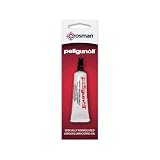
- ARS Mark9.0
ARS Mark is a ranking system developed by bestairriflescopes.com. ARS Mark has no relationship or impact from any manufacturers or sales agent websites. Learn more
- BrandCrosman

- ARS Mark8.4
ARS Mark is a ranking system developed by bestairriflescopes.com. ARS Mark has no relationship or impact from any manufacturers or sales agent websites. Learn more
- BrandCLENZOIL

- ARS Mark8.0
ARS Mark is a ranking system developed by bestairriflescopes.com. ARS Mark has no relationship or impact from any manufacturers or sales agent websites. Learn more
- BrandQucship
Last update on 2026-10-16 / Affiliate links / Images, Product Titles, and Product Highlights from Amazon Product Advertising API


12 Best 22 Pcp Air Rifle For Hunting of 2026 With Quiet Power

7 Best 22 Pcp Air Rifle Under 300 of 2026 For Backyard Pest Control

10 Best 22 Break Barrel Air Rifles of 2026 For Backyard Pest Control

10 Best 30 Caliber Pcp Air Rifle of 2026 For Medium Game

Top Best 177 Air Rifle Under 100: Budget-Friendly Picks for 2026

How to Safely Reload Shotgun Shells at Home

11 Best Co2 Air Rifle For Pest Control of 2026 To Ensure Humane Dispatch

12 Best Inexpensive Air Rifles of 2026 For Dependable Backyard Accuracy






