
How to Practice Archery at Home Without Bad Habits

How to practice archery at home sounds simple at first. Grab a bow, clear a little space, and start shooting, right? Well, not exactly. Small mistakes indoors can quietly turn into frustrating habits outdoors, especially with posture, release timing, and anchor consistency. A cramped setup, weak lighting, or rushing through practice sessions often creates more problems than progress.
Solid home practice starts with control, not speed. A short training session focused on stance, draw cycle, and breathing usually pays off more than flinging arrows nonstop. Plenty of archers hit a wall because they chase distance before fixing alignment. Funny enough, slowing things down often tightens groups faster than aggressive shooting ever will.
Safety matters more than people expect inside a garage, basement, or backyard lane. Arrows ricochet. Pets wander around. Neighbors peek over fences at the worst possible moment. A durable backstop, clear shooting direction, and realistic shooting distance help reduce stress and keep practice smooth instead of chaotic.
Blank bale drills deserve more credit than they get. Shooting close to a target without obsessing over score helps sharpen release mechanics and muscle memory. That repetitive rhythm trains the body to react naturally instead of fighting tension every shot. Honestly, many experienced archers still rely on these drills because they expose flaws fast.
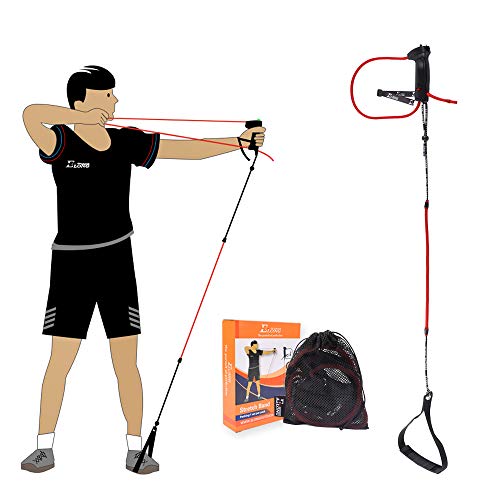
How to practice archery at home also depends heavily on space limitations. Tight indoor areas work better for form training and resistance band exercises than full-power shooting. Long draw holds, mirror checks, and controlled releases build stability without needing a massive range. Those quieter routines may not look exciting, but they often clean up shaky fundamentals better than endless target sessions.
Then there’s the mental side. Archery has a sneaky way of punishing distraction. One rushed shot after a stressful day can throw off an entire session. Building a calm pre-shot routine at home creates consistency that carries into tournaments, hunting trips, or weekend range practice. Little rituals matter more than most people admit.
Equipment setup can either help or irritate the whole experience. Poor arrow storage, unstable targets, or cheap lighting quickly become annoying distractions. A cleaner shooting lane with organized gear encourages more frequent practice because everything feels easier to manage. Nobody wants to waste half the session untangling arrows or adjusting collapsing targets.
Strength training quietly supports better shooting too. Resistance bands, shoulder mobility drills, and back exercises help maintain smoother draw cycles while reducing fatigue. Archery punishes weak stabilizing muscles over time, especially during longer sessions. Consistent conditioning keeps form from falling apart once the shoulders start burning.
- ARS Mark9.0
ARS Mark is a ranking system developed by bestairriflescopes.com. ARS Mark has no relationship or impact from any manufacturers or sales agent websites. Learn more
- BrandIS-TONGTU

- ARS Mark8.8
ARS Mark is a ranking system developed by bestairriflescopes.com. ARS Mark has no relationship or impact from any manufacturers or sales agent websites. Learn more
- Brandprocener
- ARS Mark8.8
ARS Mark is a ranking system developed by bestairriflescopes.com. ARS Mark has no relationship or impact from any manufacturers or sales agent websites. Learn more
- BrandFENJANER

- ARS Mark8.2
ARS Mark is a ranking system developed by bestairriflescopes.com. ARS Mark has no relationship or impact from any manufacturers or sales agent websites. Learn more
- BrandLWANO
- ARS Mark8.2
ARS Mark is a ranking system developed by bestairriflescopes.com. ARS Mark has no relationship or impact from any manufacturers or sales agent websites. Learn more
- BrandHunter Ian Archery

- ARS Mark8.2
ARS Mark is a ranking system developed by bestairriflescopes.com. ARS Mark has no relationship or impact from any manufacturers or sales agent websites. Learn more
- Brand- QI HUO JU -

- ARS Mark6.8
ARS Mark is a ranking system developed by bestairriflescopes.com. ARS Mark has no relationship or impact from any manufacturers or sales agent websites. Learn more
- BrandSOPOGER

- ARS Mark-
ARS Mark is a ranking system developed by bestairriflescopes.com. ARS Mark has no relationship or impact from any manufacturers or sales agent websites. Learn more
- BrandBrand: D. McKay Co
Last update on 2026-05-27 / Affiliate links / Images, Product Titles, and Product Highlights from Amazon Product Advertising API
How To Practice Archery At Home
Rainy evenings, crowded ranges, and tight schedules can wreck practice consistency faster than a bad release. Plenty of archers end up shooting only once every couple of weeks, then wonder why their form feels shaky all over again. A reliable home setup changes that rhythm completely. How to practice archery at home becomes less about firing endless arrows and more about building consistent muscle memory, smoother mechanics, and calmer shot execution in a familiar environment.
Build A Safe Practice Area First
A sloppy setup causes more stress than progress. Arrows skipping off hard surfaces, cramped shooting lanes, or poor lighting can turn a simple session into a frustrating mess. Start with a clear shooting direction and a durable backstop that actually stops missed shots instead of “mostly” stopping them. Safety always matters more than squeezing extra distance into a tiny space.
Garage practice works surprisingly well for short-distance drills. Basements and fenced backyards can also handle controlled sessions if the area stays quiet and distraction-free. A thick foam target or layered archery netting reduces bounce-back risks while protecting nearby walls and fences. Small upgrades like rubber floor mats help prevent damaged arrows during low shots.
Lighting changes everything indoors. Dim overhead bulbs create strange shadows around the sight picture and strain the eyes after a while. Bright, even lighting makes anchor points easier to repeat consistently. A clean shooting lane also helps maintain mental focus instead of constantly dodging clutter or adjusting gear.
Noise matters more than people expect too. Repeated impacts in a small room can feel irritating after twenty or thirty shots. Foam targets reduce sound noticeably compared to dense bag targets on concrete floors. Calmer surroundings help reinforce steady breathing and smoother releases instead of rushed shooting.
Fix Form Problems Before They Become Habits
Bad habits love repetition. One collapsed shoulder or rushed release repeated a few hundred times starts feeling “normal,” even though accuracy keeps drifting sideways. Home sessions work best when they focus on clean movement patterns instead of nonstop shooting volume. Slower reps usually expose flaws much faster.
Mirror drills help more than many people admit. Watching shoulder alignment, head position, and elbow rotation during the draw cycle immediately reveals tension issues. Tiny corrections made early prevent weeks of frustration later at the range. Body alignment becomes easier to maintain once visual feedback enters the routine.
Blank bale practice strips away target panic almost instantly. Shooting at close range without scoring removes pressure and forces attention back onto mechanics. Release timing, grip pressure, and anchor consistency suddenly stand out clearly. Plenty of competitive archers still rely on blank bale sessions because they sharpen shot execution without distractions.
Video recordings also reveal ugly habits nobody notices during live shooting. Leaning backward, overgripping the bow, or collapsing after release becomes obvious once replayed slowly. Phone tripods cost less than a dozen arrows yet provide valuable feedback every session. Consistent review keeps sloppy mechanics from sneaking back in.
Train Strength Without Shooting Hundreds Of Arrows
Archery punishes weak stabilizer muscles faster than most beginners expect. Shoulders burn, back tension fades, and the final shots of the session suddenly scatter across the target. Building draw strength outside shooting practice keeps form cleaner for much longer. Resistance bands handle this job surprisingly well.
Long draw holds create endurance that transfers directly into steadier aiming. Draw the bow or resistance band smoothly, hold for ten to fifteen seconds, then release carefully. Repeating controlled holds trains smaller support muscles that often fatigue first. Stronger stabilizers usually lead to cleaner follow-through and less shaking under pressure.
Rows, face pulls, and shoulder mobility drills also deserve attention. Archery depends heavily on upper-back engagement rather than raw arm strength. Weak back muscles force the shoulders to overcompensate, which often causes soreness and inconsistent releases. Better mobility keeps the draw cycle smoother and more natural.
Overtraining becomes a real problem indoors because practice feels so convenient. Shooting hundreds of arrows daily without recovery can irritate elbows and shoulders quickly. Shorter sessions with focused goals usually outperform marathon practice anyway. Consistency beats exhaustion nearly every time.
Create A Repeatable Shot Routine
Archery gets weirdly emotional sometimes. One bad shot can snowball into ten rushed arrows if frustration takes over. A repeatable pre-shot routine helps calm the brain before release. Small habits create stability during stressful sessions.
Breathing patterns matter more than people realize. Slow inhaling during setup and controlled exhaling before release helps reduce tension through the shoulders and hands. Tight muscles often cause plucking or collapsing at release. Relaxed breathing encourages smoother execution under pressure.
Mental checkpoints simplify consistency. Grip pressure, anchor contact, sight picture, then release. Keeping the sequence identical each shot helps the body react automatically instead of overthinking mechanics. Many experienced shooters rely on these routines because they reduce panic during tougher shooting conditions.
Distractions ruin rhythm fast at home. Phones buzzing, pets wandering nearby, or random interruptions break concentration repeatedly. Dedicated practice windows create cleaner focus and more useful repetitions. Even thirty uninterrupted minutes can improve mental discipline more than a chaotic two-hour session.
Use Short Distance Drills The Right Way
Long-distance shooting looks impressive, but tight home spaces rarely allow it safely. Short-distance drills still build valuable accuracy if they focus on precision instead of ego. Five-yard practice can expose release flaws faster than thirty-yard shooting because mistakes appear immediately. Close-range sessions reward clean mechanics, not lucky shots.
Small targets sharpen concentration dramatically. Tiny dots, playing cards, or narrow vertical tape strips force the eyes to settle carefully. Group size often matters more than distance during indoor sessions. Better grouping usually signals improving consistency rather than random accuracy streaks.
Arrow retrieval becomes easier during shorter sessions too. Less walking keeps the body relaxed and allows more focused repetitions without constant interruption. That rhythm helps reinforce smoother timing between shots. Little details like this quietly improve practice quality.
Short distances also help reduce target panic. Many archers tense up once they see larger gaps between arrows and target. Close shooting builds confidence gradually while allowing careful review of form changes. Confidence grows naturally once the body starts trusting the release process again.
Choose Equipment That Fits Home Practice
Heavy draw weights feel exciting at first, then become exhausting halfway through practice. Lower poundage often works better indoors because it allows more controlled repetitions without destroying form. Smooth shooting beats overpowering the bow every single time. Strong technique matters far more than brute force.
Arrow choice matters inside tighter spaces too. Lightweight arrows can bounce unpredictably off harder surfaces if the target setup isn't ideal. Durable shafts with reliable fletching handle repeated short-range impacts better over time. Keeping spare arrows nearby also prevents unnecessary interruptions during sessions.
Portable targets simplify storage and setup in shared spaces. Bulky layered targets may stop arrows effectively but become annoying to move constantly. Compact foam targets balance convenience and durability for casual home use. Organized gear encourages more practice because setup feels less like a chore.
Bow noise can become irritating indoors after repeated shots. String silencers and vibration dampeners reduce echo noticeably in garages or basements. Quieter shooting creates a calmer environment while making practice less disruptive for everyone nearby. Small equipment tweaks often improve the overall experience more than expensive upgrades.
Prepare For Outdoor Hunting And Range Sessions
Home practice builds mechanics, but outdoor conditions still introduce chaos. Wind, uneven terrain, changing light, and nerves can throw off even experienced archers. Indoor sessions should prepare the body to adapt smoothly once those variables appear. Controlled home drills create a stable foundation for unpredictable environments.
Bowhunters especially benefit from practicing awkward body positions. Kneeling shots, seated draws, or angled releases help simulate real hunting scenarios inside limited spaces. These drills expose balance problems quickly. Explore reliable gear options through best bow for archery hunting setups that prioritize smoother control in realistic field conditions.
Footwear changes shooting stability more than many people expect. Slippery garage floors or uneven backyard terrain can shift posture subtly during release. Practicing with supportive footwear creates more realistic balance during hunting preparation. Upgrade traction and ankle support with best hunting boots for archery recommendations suited for rough outdoor movement.
Beginner setups deserve careful attention too. Oversized bows or harsh draw cycles create unnecessary frustration during home sessions. Lighter takedown bows simplify storage while encouraging cleaner mechanics during shorter practice windows. Compare practical starter options through best takedown recurve bow for beginners guides built around manageable control and easier learning curves.
Best Ways To Practice Archery At Home Daily
Motivation drops fast when practice starts feeling repetitive or frustrating. Plenty of archers set up targets at home with good intentions, then slowly stop shooting because sessions feel stale or progress stalls out. Daily improvement usually comes from small adjustments instead of dramatic changes. Best ways to practice archery at home daily revolve around building repeatable habits, reducing mental fatigue, and making every shot feel intentional instead of rushed.
Stop Rushing Through Practice Sessions
Speed ruins more practice sessions than most people realize. Shooting arrows too quickly often hides weak anchor points, collapsing shoulders, and inconsistent follow-through. Slowing down creates cleaner repetition and better awareness of body movement. A calm shooting rhythm usually improves accuracy faster than blasting through large arrow counts.
Short pauses between shots help reset breathing and posture. Those few extra seconds prevent sloppy releases caused by tension or impatience. Plenty of experienced shooters step back after every arrow just to keep their form steady. Small resets make a noticeable difference during longer home sessions.
Music, phones, and background noise also distract the brain more than expected. Constant interruptions break concentration and encourage careless shooting patterns. Quiet sessions allow better focus on grip pressure, release timing, and sight alignment. A cleaner mental state supports consistent execution from beginning to end.
Fatigue creeps in quietly too. Once the shoulders start trembling or the release hand feels stiff, form usually falls apart fast. Stopping earlier often helps more than forcing extra shots. Quality repetitions beat exhausted shooting every single time.
Train Your Eyes To Aim More Calmly
Target panic frustrates beginners and experienced archers alike. The sight pin floats around, anxiety kicks in, then the release gets punched too early. Calm aiming takes practice, especially during home sessions where people tend to rush. Building patience behind the shot matters a lot.
Holding drills improve aiming control without needing constant arrow release. Draw the bow, settle the sight gently, hold for several seconds, then let down carefully. This exercise teaches patience while strengthening stabilizer muscles at the same time. Better control often leads to smoother release timing.
Eye focus matters too. Staring aggressively at the target usually increases tension in the shoulders and neck. Softer visual focus keeps the body more relaxed while maintaining clear sight alignment. Relaxed eyes often help calm the entire shot process.
Lighting changes aiming consistency indoors. Shadows around the target or bright glare from windows can distort sight pictures quickly. Stable lighting creates a cleaner visual reference and reduces eye fatigue during longer sessions. Comfortable visibility supports steady concentration throughout practice.
Practice In Different Body Positions
Flat-footed shooting becomes predictable after a while. Real outdoor conditions rarely allow perfect stance and smooth footing every time. Practicing kneeling shots, seated positions, or angled draws prepares the body for more realistic situations. These variations expose balance problems almost immediately.
Kneeling drills strengthen lower-body stability while forcing better upper-body alignment. Weak posture becomes obvious once the body loses normal standing support. Controlled kneeling shots help reinforce cleaner back tension and steadier releases. The body learns how to adapt without panicking.
Seated shooting also teaches patience and tighter movement control. Drawing while seated limits unnecessary body motion and encourages cleaner mechanics. Some archers even use stools indoors to mimic blind or tree stand positions. Those small adjustments improve body awareness in unpredictable environments.
Longbow shooters especially benefit from these position drills because traditional setups rely heavily on instinctive movement control. Explore practical setups through best long bow deer hunting guides that focus on smoother handling during uneven shooting situations.
Reduce Shoulder Strain During Longer Sessions
Archery soreness usually starts in the shoulders first. Tight upper traps, weak back engagement, and poor warmups can make home practice miserable after only a few rounds. Better movement prep helps prevent that downward spiral. Healthy shoulders support cleaner shot mechanics over time.
Resistance bands warm up the draw muscles without exhausting them early. Light pulling exercises activate the upper back and loosen stiff joints before shooting begins. Five minutes of prep often prevents soreness that lasts for days afterward. Warm muscles simply perform more smoothly.
Stretching aggressively before shooting sometimes backfires though. Overstretched shoulders can feel unstable during anchor and release. Gentle mobility work usually performs better than deep static stretching right before practice. Controlled motion keeps joints responsive without feeling loose or shaky.
Recovery matters too. Ice packs, rest days, and lighter practice sessions prevent overuse problems from building gradually. Plenty of archers ignore small shoulder pain until it starts affecting release consistency. Taking recovery seriously protects both accuracy and long-term shooting comfort.
Use Cross Training To Sharpen Focus
Archery depends heavily on mental control, not just physical repetition. Some days the body feels fine, yet concentration falls apart after a few bad shots. Cross-training activities help sharpen patience and focus outside regular shooting practice. Mental discipline transfers surprisingly well between hobbies.
Target sports involving breath control often complement archery nicely. Slow trigger control, sight alignment, and calm timing all reinforce similar concentration habits. Practice routines from best air gun pellets target shooting setups can help improve patience during precision-focused training sessions.
Walking or light cardio also helps reduce tension buildup before shooting. Tight muscles and elevated stress levels tend to create rushed releases and shaky aiming. Even a quick walk around the block can settle the mind before practice begins. Relaxed movement supports better rhythm during shooting.
Visualization drills deserve attention too. Mentally rehearsing clean shots trains the brain to repeat smoother movement patterns later on. Many experienced archers quietly use visualization before tournaments or hunting trips. Calm mental rehearsal reinforces confidence under pressure.
Keep Home Practice Interesting Over Time
Repeating identical drills every day gets boring fast. Motivation fades once practice feels more like a chore than progress. Small changes keep sessions mentally fresh while still reinforcing strong mechanics. Variety helps prevent burnout without sacrificing consistency.
Switching target sizes creates different focus demands. Tiny dots sharpen precision while larger targets encourage smoother shot flow and confidence. Alternating drills keeps the brain engaged instead of drifting into autopilot. Better engagement often improves long-term consistency.
Friendly scoring challenges can also make practice more enjoyable. Set realistic goals instead of chasing impossible perfection every session. Tracking small improvements over weeks builds motivation naturally. Progress feels more rewarding once results become visible over time.
Changing shooting pace helps too. Some days benefit from slow technical drills while others feel better with flowing rhythm shooting. Balancing structure and enjoyment prevents home practice from becoming mentally exhausting. Sustainable routines usually outperform intense short-lived motivation bursts.
Improve Arrow Control In Small Spaces
Tight practice areas force archers to become more precise with every movement. Limited space exposes poor arrow handling, rushed nocking, and awkward body positioning almost immediately. Cleaner organization creates smoother practice flow and fewer annoying interruptions. Efficient movement matters more indoors than many people expect.
Arrow racks or simple wall storage keep equipment from rolling around the floor between ends. Constant bending and searching for gear disrupts concentration and wastes energy. Organized setups encourage more focused shooting sessions because everything stays within reach. Small conveniences often improve practice consistency dramatically.
Low ceilings create another challenge for taller archers or longer bows. Careless drawing angles can damage arrows, walls, or even ceiling fixtures. Controlled draw paths reduce unnecessary movement and help reinforce better alignment. Tight environments reward disciplined mechanics.
Compact shooting spaces also encourage better follow-through habits. Overaggressive releases become obvious immediately because the body has less room to compensate. Smoother execution feels cleaner and more repeatable once unnecessary motion disappears. Efficient movement usually leads to stronger shot control.


12 Best 22 Pcp Air Rifle For Hunting of 2026 With Quiet Power

7 Best 22 Pcp Air Rifle Under 300 of 2026 For Backyard Pest Control

10 Best 22 Break Barrel Air Rifles of 2026 For Backyard Pest Control

10 Best 30 Caliber Pcp Air Rifle of 2026 For Medium Game

Top Best 177 Air Rifle Under 100: Budget-Friendly Picks for 2026

How to Safely Reload Shotgun Shells at Home

11 Best Co2 Air Rifle For Pest Control of 2026 To Ensure Humane Dispatch

12 Best Inexpensive Air Rifles of 2026 For Dependable Backyard Accuracy






