
How to Practice Archery in an Apartment Smartly

How to Practice Archery in an Apartment starts with one simple truth: limited space doesn't have to wreck your shooting rhythm. Plenty of archers hit a frustrating wall after moving into smaller living spaces. Suddenly, long backyard sessions disappear, ranges feel too far away, and gear ends up collecting dust in the corner. Still, consistency matters more than giant shooting lanes, and that's where smart indoor practice quietly changes the whole game.
Apartment walls, low ceilings, thin floors, and curious neighbors can make indoor archery feel risky at first. Nobody wants a damaged wall or a complaint sliding under the door after a loud release. That's why safety setup, controlled drills, and low-impact equipment matter so much indoors. Foam targets, stretch bands, blank bale practice, and form training can sharpen shooting mechanics without needing massive distance or high draw weight.
Small-space practice also exposes flaws that outdoor sessions sometimes hide. Tiny posture mistakes, shaky anchor points, inconsistent grip pressure, or rushed releases suddenly stand out like a sore thumb. Oddly enough, that frustration becomes useful. Slowing everything down inside a tighter environment often improves shot discipline, body alignment, and repeatable movement patterns far more effectively than firing endless arrows outdoors.
Noise becomes another sneaky challenge people rarely expect. Releasing arrows indoors can echo harder than anticipated, especially with hardwood floors and bare apartment walls. Soft floor mats, rubber dampeners, layered curtains, and compact backstops help cut vibration and reduce that sharp snapping sound. A quieter setup keeps practice sessions comfortable without turning every shot into a mini announcement for the entire building.
Daily repetition tends to matter more than marathon sessions anyway. Fifteen focused minutes with resistance bands or a short target lane can build stronger muscle memory than occasional weekend shooting binges. That's the beauty of how to practice archery in an apartment. Convenience removes excuses, and once equipment stays ready nearby, squeezing in quick drills becomes second nature.
Gear choices matter quite a bit indoors too. Heavy hunting setups aren't always practical in tighter spaces, especially near furniture, electronics, or shared walls. Compact bows, lower-poundage trainers, and safe arrow alternatives make apartment sessions far less stressful. Separately, to improve release consistency and form control, explore lightweight resistance trainers designed specifically for archery movement patterns.
Then there's the mental side of training, which honestly gets overlooked way too often. Apartment practice naturally slows the pace and forces concentration on breathing, posture, and execution instead of rapid-fire shooting. That calmer rhythm strengthens focus under pressure, helping transitions back to outdoor ranges feel smoother and more controlled. Funny enough, cramped indoor sessions sometimes create cleaner form than wide-open fields ever do.

- ARS Mark10.0
ARS Mark is a ranking system developed by bestairriflescopes.com. ARS Mark has no relationship or impact from any manufacturers or sales agent websites. Learn more
- BrandKURUGEILI

- ARS Mark9.2
ARS Mark is a ranking system developed by bestairriflescopes.com. ARS Mark has no relationship or impact from any manufacturers or sales agent websites. Learn more
- BrandField Logic

- ARS Mark9.2
ARS Mark is a ranking system developed by bestairriflescopes.com. ARS Mark has no relationship or impact from any manufacturers or sales agent websites. Learn more
- BrandAUVIM

- ARS Mark9.0
ARS Mark is a ranking system developed by bestairriflescopes.com. ARS Mark has no relationship or impact from any manufacturers or sales agent websites. Learn more
- BrandBOW TRAINER

- ARS Mark8.2
ARS Mark is a ranking system developed by bestairriflescopes.com. ARS Mark has no relationship or impact from any manufacturers or sales agent websites. Learn more
- BrandLWANO
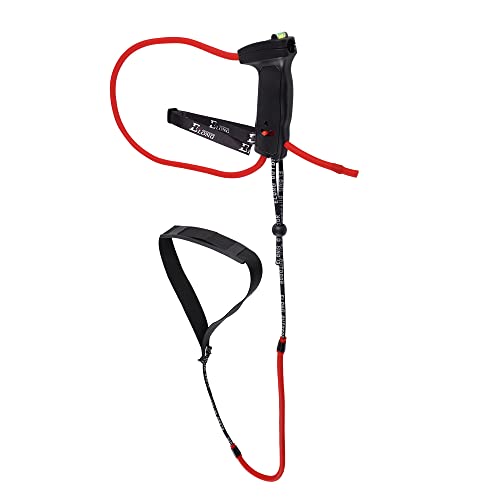
- ARS Mark8.2
ARS Mark is a ranking system developed by bestairriflescopes.com. ARS Mark has no relationship or impact from any manufacturers or sales agent websites. Learn more
- BrandNIKA ARCHERY
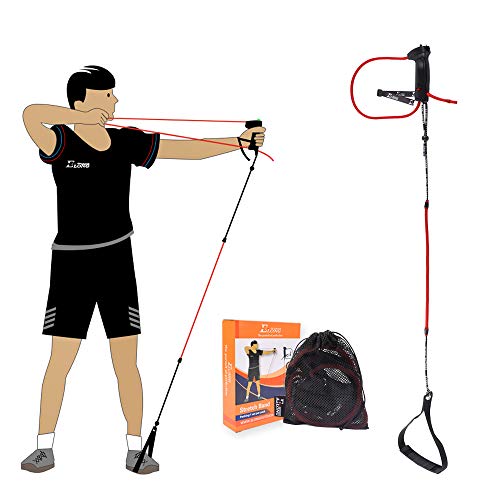
- ARS Mark8.2
ARS Mark is a ranking system developed by bestairriflescopes.com. ARS Mark has no relationship or impact from any manufacturers or sales agent websites. Learn more
- BrandHunter Ian Archery

- ARS Mark8.2
ARS Mark is a ranking system developed by bestairriflescopes.com. ARS Mark has no relationship or impact from any manufacturers or sales agent websites. Learn more
- BrandLWANO

- ARS Mark8.0
ARS Mark is a ranking system developed by bestairriflescopes.com. ARS Mark has no relationship or impact from any manufacturers or sales agent websites. Learn more
- BrandELONG OUTDOOR

- ARS Mark7.8
ARS Mark is a ranking system developed by bestairriflescopes.com. ARS Mark has no relationship or impact from any manufacturers or sales agent websites. Learn more
- BrandVEVOR
Last update on 2026-05-27 / Affiliate links / Images, Product Titles, and Product Highlights from Amazon Product Advertising API
How To Practice Archery In An Apartment
Small apartments have a funny way of exposing every weak habit in archery. One loose release, one rushed draw, and suddenly a lamp shakes or an arrow skips farther than expected. That tension makes plenty of people stop practicing altogether, even though how to practice archery in an apartment can actually improve form consistency, body control, and shooting focus far better than chaotic outdoor sessions. Tight spaces force cleaner movement, slower pacing, and smarter training habits, which honestly isn't a bad tradeoff at all.
Creating A Safe Indoor Shooting Space
Safety changes everything inside an apartment. Outdoor habits don't translate perfectly once drywall, furniture, and nearby neighbors enter the picture. A thick foam target backed by layered moving blankets helps reduce bounce-back while protecting walls from accidental misses. Plenty of archers also add dense rubber mats behind targets because extra impact absorption lowers both damage risk and noise.
Distance matters more than people expect. Even a short lane of six to ten feet can improve anchor consistency, release timing, and draw alignment without needing a full range setup. Smaller distances encourage controlled repetition instead of chasing distance for ego reasons. That's usually where apartment practice becomes surprisingly productive.
Ceiling height deserves attention too. Recurve bows and long stabilizers can clip overhead lights faster than expected, especially in older apartments with lower ceilings. Compact setups reduce that stress immediately. To improve beginner-friendly indoor shooting setups, explore best bow for beginners archery for smaller-space equipment ideas that fit tighter layouts better.
Noise sneaks up on people during indoor practice. String vibration echoes harder against apartment walls than outdoors, and repeated shots can irritate neighbors quickly. Soft floor rugs, thick curtains, and limb dampeners reduce sharp vibration noise noticeably. That little adjustment keeps practice quieter without turning the apartment into a construction project.
Why Blank Bale Practice Sharpens Form
Blank bale shooting looks boring at first. No scoring rings. No distance challenge. No dramatic target impact. Still, this drill quietly builds some of the strongest muscle memory an archer can develop because attention shifts fully toward movement quality instead of aiming obsession.
Close-range blank bale sessions strip away distractions. Shoulders settle more naturally, grip pressure relaxes, and breathing patterns become easier to notice. That's where hidden flaws start waving red flags. A collapsing bow arm or rushed release suddenly feels obvious instead of invisible.
Many apartment archers rely on lower draw weight during indoor drills. Heavy poundage indoors tends to increase tension and shortens practice sessions because fatigue kicks in faster. Lighter setups encourage longer repetition cycles without stressing shoulders or elbows unnecessarily. More controlled reps usually beat fewer sloppy shots every single time.
Some coaches compare blank bale work to slow-motion training in sports. The body learns cleaner sequencing because speed and distance stop dominating attention. Oddly enough, archers often shoot better outdoors after spending weeks practicing quietly indoors. That slower pace rewires habits in a good way.
Managing Apartment Noise Without Stress
Thin apartment walls can make a bowstring sound twice as loud as expected. Hardwood flooring reflects vibration upward and sideways, which explains why downstairs neighbors sometimes notice practice even during daytime hours. Soft materials absorb a surprising amount of impact noise. Thick rugs, foam workout mats, and wall curtains help soften echo significantly.
Arrow targets matter too. Dense foam blocks generally create less impact noise than bag targets packed tightly with synthetic fill. Some archers even hang layered carpet scraps behind targets to reduce the slap sound after release. Little tweaks like that make indoor practice far less nerve-racking.
Timing helps more than expensive gear sometimes. Early mornings and late evenings aren't ideal for repeated shooting sessions in shared buildings. Midday practice usually creates fewer complaints because surrounding apartment noise naturally masks small sounds. That simple adjustment prevents awkward conversations later.
Neighbors tend to react better when they aren't surprised. A quick polite conversation explaining controlled indoor practice often removes tension before it starts. People worry less once they realize arrows aren't flying across hallways. That transparency builds peace of mind for everyone involved.
Training Without Shooting Real Arrows
Apartment practice doesn't always require firing arrows at all. Resistance bands replicate draw movement effectively while removing nearly every safety concern tied to indoor shooting. Short sessions with stretch trainers strengthen back tension, shoulder stability, and release mechanics without risking damaged walls or furniture.
Mirror drills help more than people expect. Watching posture during draw cycles exposes shoulder creep, uneven stance balance, and awkward wrist positioning instantly. Plenty of archers think their form feels solid until they actually watch themselves moving through each phase slowly. Mirrors don't lie.
Holding drills build endurance fast. Drawing and maintaining anchor position for controlled intervals strengthens stabilizing muscles responsible for steadier shots outdoors. Those tiny shoulder muscles fatigue quickly at first, which surprises many archers. Consistent indoor holds gradually increase shooting stamina without firing a single arrow.
Apartment-safe release trainers also reduce bad habits tied to target panic. Without worrying about hitting a bullseye, archers focus entirely on execution rhythm and smooth follow-through. That mental reset becomes incredibly valuable later at outdoor ranges where pressure returns.
Keeping Motivation Alive In Tight Spaces
Indoor practice gets repetitive fast without structure. Shooting ten random arrows after work rarely builds meaningful improvement because focus drifts almost immediately. Short themed sessions usually work better indoors. One day might center on release timing, while another targets stance stability or breathing rhythm.
Tracking progress helps motivation stick around longer. Small improvements feel invisible without notes, especially during apartment practice where distance shooting stays limited. Recording draw consistency, shot timing, or hold duration creates measurable progress even without traditional scoring. Those little wins keep practice from feeling stale.
Mental fatigue hits harder indoors too. Repeating drills inside the same room can feel claustrophobic after a while. Rotating between resistance bands, blank bale work, posture drills, and light shooting keeps sessions mentally fresh. Variety prevents boredom from wrecking consistency.
Some people expect apartment practice to feel identical to outdoor shooting. It won't. The goal shifts toward precision movement, controlled repetition, and habit correction instead of high-volume target shooting. Accepting that difference makes indoor sessions far more rewarding.
Common Apartment Practice Mistakes
Overconfidence causes more indoor accidents than lack of skill. Plenty of experienced archers assume short-distance shooting removes risk completely, then skip safety layers because the setup feels temporary. That's usually when arrows glance off furniture or punch through weak backstops. Controlled environments still demand serious caution.
Heavy draw weight creates another common issue indoors. Stronger bows increase vibration, fatigue, and accidental form breakdown during cramped practice sessions. Lower poundage often produces cleaner mechanics because the body stays relaxed longer. Indoor training isn't about brute force anyway.
People also rush setup quality way too often. Leaning a target against drywall without additional protection almost guarantees future regret. Dense backing material, stable target positioning, and clear shooting lanes matter every single session. Safe repetition only happens with reliable preparation.
Ignoring recovery creates problems too. Apartment archers sometimes overtrain because short practice sessions seem harmless. Shoulder strain builds quietly through repetitive draws and holding drills, especially with poor posture. Rest days and mobility work protect joint health far better than grinding through discomfort.
Building Better Focus Indoors
Apartment training sharpens concentration in weirdly effective ways. Small distractions become impossible to ignore at first. Traffic noise, television sounds, hallway footsteps, or cramped movement areas all compete for attention constantly. Learning to settle focus despite interruptions strengthens mental discipline far beyond standard range shooting.
Breathing patterns become easier to monitor indoors because the environment stays controlled. Slow inhale cycles before drawing often reduce unnecessary shoulder tension almost immediately. That calmer rhythm creates steadier execution and smoother releases. Tiny breathing adjustments can change shot consistency more than expensive equipment upgrades.
Visual focus drills also help sharpen aim without firing arrows. Many apartment archers practice maintaining sight alignment on tiny indoor targets while controlling breathing and posture. Those quiet repetitions train patience instead of speed. Slowing down often improves accuracy outdoors later.
Discipline matters more than motivation over time. Some evenings feel productive while others feel awkward and clumsy. Consistent indoor sessions build reliability because practice happens regardless of mood swings or weather conditions. That's where daily repetition quietly becomes the real advantage.
Making Small Spaces Feel More Functional
Furniture placement changes apartment practice dramatically. Moving coffee tables, lamps, or fragile decorations before shooting sessions creates safer movement zones and lowers stress instantly. Clear lanes improve confidence because distractions stop crowding the shooting area. Even tiny adjustments can make cramped rooms feel surprisingly usable.
Portable setups help people stick with training longer. Foldable foam targets, collapsible stands, and compact gear storage prevent apartments from feeling permanently converted into mini archery ranges. Convenience matters because complicated setups often kill consistency. Easier access leads to more frequent practice.
Lighting deserves more attention than many realize. Dim indoor corners create eye strain during repeated focus drills, especially during evening sessions after work. Bright indirect lighting improves target visibility without creating harsh glare on sights or lenses. Cleaner lighting also helps posture feel more natural.
Storage solutions protect equipment too. Leaving bows exposed near heaters, windows, or crowded walkways increases wear faster than expected. Wall-mounted racks and soft cases keep equipment organized while reducing accidental damage risk. Separately, for easier equipment handling during tighter practice setups, explore best ground blind bow holder for stable storage ideas that reduce clutter indoors.
Apartment Archery Training Tips For Small Indoor Spaces
Long practice gaps can wreck confidence faster than most archers expect. A few missed weeks often turn smooth shooting habits into stiff draws, shaky anchors, and inconsistent releases. That's exactly why apartment archery training matters so much for people stuck with limited room, packed schedules, or lousy weather outside. Small indoor routines help maintain muscle memory, shot rhythm, and mental focus without depending on a full outdoor range every single week.
Using Daily Drills To Build Consistency
Consistency usually slips because practice feels inconvenient. Dragging gear across town after work sounds exhausting once life gets busy, especially during colder seasons or rainy weekends. Indoor drills remove that barrier completely. A short twenty-minute session inside an apartment can reinforce release timing, shoulder alignment, and stance stability far better than occasional marathon range trips.
Structured repetition works best indoors. Random shooting tends to create sloppy habits because attention drifts too easily in cramped spaces. Focusing each session on one small skill keeps progress steady. One evening might target draw control while another centers on clean follow-through.
Many archers quietly underestimate the value of slow repetition. Holding anchor position for controlled intervals strengthens stabilizing muscles responsible for steadier aim outdoors. That slower pace also exposes hidden tension around the neck and shoulders. Once those weak points become visible, fixing them gets far easier.
Indoor routines should stay realistic. Practicing seven days straight with heavy draw weight often leads to sore shoulders and burned-out motivation. Shorter sessions with controlled intensity build better long-term discipline because recovery stays manageable. Consistency beats exhaustion every time.
Reducing Target Panic Inside Small Rooms
Target panic creeps into archery quietly. One rushed release becomes another, then suddenly every shot feels tense and awkward. Apartment practice creates a calmer environment where archers can slow everything down without range pressure or distractions. That controlled pace helps rebuild shooting confidence one clean repetition at a time.
Close-distance drills reduce anxiety naturally. Shooting from a few feet away removes the obsession with scoring and lets the brain focus entirely on execution. Plenty of archers notice smoother releases almost immediately once accuracy pressure disappears. Simpler sessions often create cleaner mechanics.
Breathing patterns matter more indoors because distractions become easier to notice. Tight jaw tension, shallow breathing, or rushed draw cycles stand out quickly during quiet apartment practice. Controlled inhale and exhale timing helps stabilize both posture and focus. That calmer rhythm usually carries back into outdoor shooting later.
Mental resets help too. Some archers spend entire sessions without firing arrows at all, relying only on stretch trainers and release drills. Those quieter repetitions retrain the brain to trust proper movement again. That's where mental recovery starts replacing frustration.
Protecting Walls And Furniture During Practice
Apartment practice feels stressful without reliable protection behind the target. One bad bounce or accidental miss can damage drywall faster than people expect. Thick foam blocks combined with layered moving blankets reduce that risk dramatically. A stronger backstop creates peace of mind before every shot.
Target placement changes everything indoors. Shooting directly toward windows, televisions, or crowded furniture areas creates unnecessary tension during practice. Clear lanes help archers relax because the environment feels controlled instead of cluttered. That comfort improves focus immediately.
Some people rely on lightweight portable targets for convenience, but smaller targets can shift during repeated shots. Stable target stands prevent tipping while reducing noise from impacts against hard surfaces. Heavier setups often feel safer in tighter rooms. Stability matters more than flashy gear indoors.
Storage habits also deserve attention. Leaving arrows loose around apartments increases the chance of damaged shafts or stepped-on fletching. Wall-mounted racks and compact storage bins keep equipment organized while protecting fragile components. That small habit extends gear longevity surprisingly well.
Why Form Training Matters More Indoors
Indoor practice shifts attention away from distance and back toward movement quality. That change frustrates some people initially because fewer arrows fly across long lanes. Still, apartment sessions often improve technical precision faster than outdoor shooting because distractions disappear. Every flaw becomes harder to ignore.
Posture errors stand out quickly in confined spaces. Leaning backward during draw cycles or collapsing shoulders after release feels awkward almost instantly indoors. Mirrors help expose those issues in real time. Watching movement patterns carefully builds stronger body awareness over time.
Grip pressure becomes another major focus indoors. Tight hands create subtle torque problems that ruin accuracy outdoors later. Slow indoor drills encourage relaxed grip positioning because archers aren't chasing target scores constantly. Cleaner grip mechanics usually translate into smoother releases.
Even foot positioning improves indoors. Small spaces naturally force archers to become more intentional with stance setup because movement room stays limited. Controlled positioning builds repeatable alignment habits without relying on guesswork. That foundation strengthens shot consistency outdoors later.
Handling Frustration During Apartment Practice
Indoor training can feel repetitive after a while. Shooting at the same wall every evening doesn't exactly create outdoor adventure energy. That's why many apartment archers lose momentum after the excitement fades. Structured goals help keep sessions productive instead of mentally draining.
Tracking tiny improvements changes perspective quickly. Measuring steadier hold time, cleaner releases, or reduced shoulder tension gives visible signs of progress without relying on distance scoring. Those small victories matter because indoor practice rarely feels dramatic. Progress tends to show up quietly.
Bad sessions happen too. Some nights the bow feels awkward, focus drifts, and every draw seems off balance. That's completely normal during repetitive indoor routines. Pushing through every frustrating session usually creates worse habits instead of better performance.
Recovery matters just as much as repetition. Stretching shoulders, wrists, and upper back muscles prevents stiffness from building during frequent indoor practice. Small mobility routines improve joint comfort while reducing strain from repeated draw cycles. Healthy shoulders keep practice sustainable long term.
Making Apartment Practice Feel Less Cramped
Tight apartments can make shooting feel boxed in mentally as much as physically. Rearranging furniture before practice sessions creates a cleaner visual lane that immediately feels less stressful. Even moving a single chair or lamp can open enough room for smoother movement. Little layout changes make indoor training feel far more comfortable.
Lighting affects focus more than many people realize. Dim corners strain the eyes during repeated aiming drills, especially after long workdays. Brighter indirect lighting reduces visual fatigue while helping target alignment feel clearer. Better visibility improves shooting concentration almost immediately.
Ventilation matters too. Small rooms heat up quickly during repeated draw cycles and holding drills, especially in apartments without strong airflow. Fresh air helps maintain comfort during longer sessions while reducing mental fatigue. A stuffy practice space drains motivation surprisingly fast.
Some archers even create portable indoor stations they can set up and remove within minutes. Foldable targets, compact stands, and soft floor mats keep the apartment functional without leaving equipment scattered everywhere. Convenience keeps practice consistent because setup feels less annoying.
Practicing During Off-Season Months
Cold weather and shorter daylight hours usually crush outdoor shooting routines. Apartment practice helps bridge that gap without letting months slip away completely. Indoor drills maintain draw strength, release timing, and mental focus while outdoor conditions stay miserable. That continuity makes spring shooting feel far less rusty.
Winter training often shifts toward physical conditioning. Stretch trainers and holding drills strengthen upper back muscles responsible for steadier aim and cleaner posture. Those supporting muscles fatigue quickly without regular work. Indoor repetition keeps them active during slower seasons.
Mental training matters during off-season months too. Visualization drills inside quiet apartments sharpen concentration without firing arrows constantly. Many archers mentally rehearse draw sequences, anchor points, and follow-through while maintaining calm breathing rhythms. Those habits reinforce smoother execution later outdoors.
Gear maintenance fits naturally into indoor routines as well. Cleaning arrows, checking strings, and inspecting limb bolts during slower practice months prevents equipment surprises later. Small maintenance habits protect equipment reliability before busy outdoor seasons return.
Balancing Apartment Practice With Outdoor Shooting
Indoor routines help sharpen mechanics, but outdoor shooting still matters for distance judgment and environmental adaptation. Wind resistance, uneven footing, and changing lighting conditions challenge archers differently outside. Apartment sessions should support outdoor practice rather than replace it completely. Both environments build different strengths.
Transitioning back outdoors feels smoother after consistent indoor repetition. Anchor points stay familiar, posture feels cleaner, and release timing usually sharpens faster than expected. Archers who maintain regular apartment routines often spend less time rebuilding fundamentals each season. That's a huge advantage over starting from scratch repeatedly.
Some apartment archers also use indoor sessions to prepare for hunting practice later in the year. Controlled repetition indoors helps stabilize movement patterns before shifting toward realistic outdoor scenarios. To improve preparation for seasonal setups and scouting habits, explore best deer attractant bow season for practical field-related ideas connected to bow practice timing.
Outdoor practice also highlights which indoor habits transfer effectively and which need adjustment. Tight indoor shooting sometimes creates overly rigid posture or slower shot timing outdoors. Balancing both environments creates stronger adaptability overall. That flexibility builds more reliable shooting habits over time.
Avoiding Gear Choices That Hurt Indoor Practice
Oversized setups create headaches inside apartments quickly. Long stabilizers, heavy draw weight, and bulky accessories increase noise while reducing maneuverability in tight rooms. Compact gear feels easier to control indoors because movement stays cleaner and more comfortable. Smaller setups reduce unnecessary frustration.
Arrow selection matters too. Heavy hunting arrows create louder impacts and stronger rebound force against indoor targets. Lighter practice arrows generally feel safer in shorter shooting lanes. Controlled impact reduces wear on both targets and apartment walls.
Some archers experiment with alternative indoor tools during colder months. Foam-tipped arrows, release trainers, and low-poundage practice bows help maintain routine without overwhelming small spaces. Those adjustments make apartment sessions feel more practical long term.
People practicing in apartments sometimes compare archery gear choices to equipment decisions in other precision-focused hobbies where control matters more than raw power. That same mindset shows up in conversations around best pellet gun varmint control setups where balance, handling, and manageable force become more valuable than unnecessary excess indoors.


12 Best 22 Pcp Air Rifle For Hunting of 2026 With Quiet Power

7 Best 22 Pcp Air Rifle Under 300 of 2026 For Backyard Pest Control

10 Best 22 Break Barrel Air Rifles of 2026 For Backyard Pest Control

10 Best 30 Caliber Pcp Air Rifle of 2026 For Medium Game

Top Best 177 Air Rifle Under 100: Budget-Friendly Picks for 2026

How to Safely Reload Shotgun Shells at Home

11 Best Co2 Air Rifle For Pest Control of 2026 To Ensure Humane Dispatch

12 Best Inexpensive Air Rifles of 2026 For Dependable Backyard Accuracy






