
How to Practice Instinctive Archery Naturally

How to Practice Instinctive Archery often sounds simple on paper, yet plenty of archers hit a wall after the honeymoon phase wears off. One day the arrows group tightly, then suddenly everything drifts left, drops low, or feels awkward for no obvious reason. That inconsistency frustrates people fast because instinctive shooting depends heavily on rhythm, repetition, and body awareness instead of relying on sight pins or constant adjustments. Small habits matter more than most realize, and even tiny changes in anchor position or posture can quietly wreck accuracy.
Muscle memory plays a massive role here, but forcing it usually backfires. Archers who overanalyze every shot tend to stiffen their release and lose natural flow. Smooth repetition creates stronger shooting instincts than obsessing over technical perfection. Strange as it sounds, relaxed shooting sessions often produce cleaner groups than tense “serious” practice routines. That’s why many experienced shooters focus on consistent form, breathing control, and target focus rather than chasing endless micro-corrections.
Distance also changes everything. Practicing too far too early usually leads to frustration, rushed releases, and bad habits that become stubborn over time. Starting close builds confidence and lets the subconscious absorb movement patterns naturally. Then, little by little, stepping farther back trains depth judgment without overwhelming the brain. Plenty of archers skip this progression and end up fighting their own instincts instead of strengthening them.
Lighting, fatigue, weather, and even mental stress can influence instinctive shooting more than people expect. A rough workday or tired shoulders can throw timing completely off. Some sessions feel effortless while others feel like throwing arrows blindfolded, and honestly, that’s part of the process. Building reliable instincts means learning how your body reacts under different conditions instead of expecting robotic consistency every single day.
Target selection matters too. Tiny bullseyes sometimes create tension because the brain starts aiming too hard. Larger aiming spots encourage smoother releases and more fluid motion. Oddly enough, stump shooting, foam animals, and varied outdoor targets often sharpen instinctive skills faster than repetitive indoor lane shooting. The changing scenery forces faster visual processing and teaches the brain to adapt naturally.
Shot timing deserves attention as well. Holding too long creates hesitation and collapses form. Quick, controlled shooting with steady rhythm usually works better for instinctive archery because the subconscious responds best before doubt creeps in. Many seasoned archers develop a repeatable shooting cadence that keeps the mind quiet and the body relaxed.
Progress rarely happens in a straight line. Some days feel rough, then suddenly everything clicks out of nowhere. That unpredictable rhythm frustrates beginners but becomes familiar over time. Trusting repetition, staying patient, and focusing on clean execution instead of perfect scores helps build genuine instinctive accuracy that holds up under pressure.

- ARS Mark9.6
ARS Mark is a ranking system developed by bestairriflescopes.com. ARS Mark has no relationship or impact from any manufacturers or sales agent websites. Learn more
- BrandBohning

- ARS Mark9.2
ARS Mark is a ranking system developed by bestairriflescopes.com. ARS Mark has no relationship or impact from any manufacturers or sales agent websites. Learn more
- BrandLegend
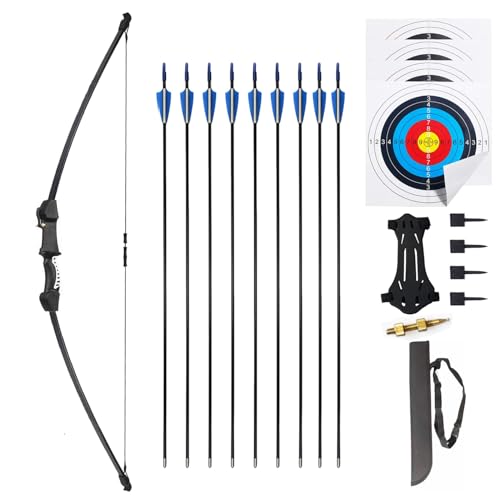
- ARS Mark9.0
ARS Mark is a ranking system developed by bestairriflescopes.com. ARS Mark has no relationship or impact from any manufacturers or sales agent websites. Learn more
- BrandMxessua

- ARS Mark9.0
ARS Mark is a ranking system developed by bestairriflescopes.com. ARS Mark has no relationship or impact from any manufacturers or sales agent websites. Learn more
- Brandlenpestia

- ARS Mark8.8
ARS Mark is a ranking system developed by bestairriflescopes.com. ARS Mark has no relationship or impact from any manufacturers or sales agent websites. Learn more
- BrandJOYIN

- ARS Mark8.2
ARS Mark is a ranking system developed by bestairriflescopes.com. ARS Mark has no relationship or impact from any manufacturers or sales agent websites. Learn more
- BrandNorthSpoor

- ARS Mark8.0
ARS Mark is a ranking system developed by bestairriflescopes.com. ARS Mark has no relationship or impact from any manufacturers or sales agent websites. Learn more
- BrandDeerseeker Outdoor

- ARS Mark7.8
ARS Mark is a ranking system developed by bestairriflescopes.com. ARS Mark has no relationship or impact from any manufacturers or sales agent websites. Learn more
- BrandLWANO
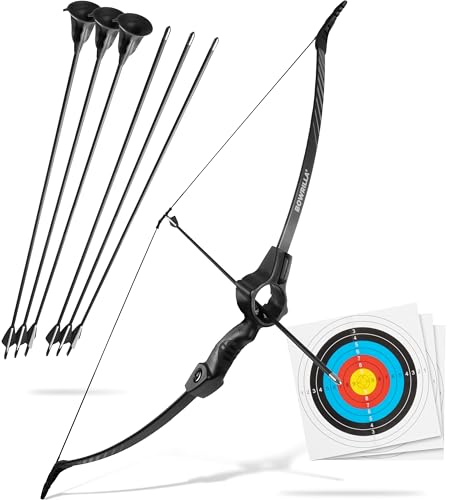
- ARS Mark7.0
ARS Mark is a ranking system developed by bestairriflescopes.com. ARS Mark has no relationship or impact from any manufacturers or sales agent websites. Learn more
- BrandBOWRILLA

- ARS Mark6.8
ARS Mark is a ranking system developed by bestairriflescopes.com. ARS Mark has no relationship or impact from any manufacturers or sales agent websites. Learn more
- BrandDEERACE
Last update on 2026-05-27 / Affiliate links / Images, Product Titles, and Product Highlights from Amazon Product Advertising API
How To Practice Instinctive Archery Naturally
Missing the target by a foot after a “perfect” release can mess with your head fast. Plenty of archers start instinctive shooting expecting effortless accuracy, then end up frustrated because every arrow seems to have its own opinion. How to practice instinctive archery becomes far more manageable once the focus shifts away from chasing perfect bullseyes and toward building repeatable habits. Smooth body movement, relaxed timing, and visual focus matter more than fancy accessories or endless adjustments.
Why Instinctive Shooting Feels So Difficult
Most people struggle early because the brain wants immediate results. Instinctive archery doesn’t hand out instant consistency, though. The body has to build natural coordination through repetition, and that process takes patience most people honestly don’t expect. Tight muscles, overthinking, and rushed shooting usually show up before confidence ever does.
Target panic creeps in quietly too. One rough practice session can turn a calm release into a jerky snap shot that feels impossible to control. The frustrating part is that forcing correction often makes the issue worse. Archers who constantly analyze every arrow tend to interrupt the subconscious timing that instinctive shooting depends on.
Distance becomes another hidden problem. Shooting too far too early creates panic because the brain can’t process trajectory naturally yet. Close-range practice helps develop visual instinct without overwhelming the mind. Plenty of experienced traditional shooters still warm up from short distances because it keeps rhythm smooth.
Gear confusion doesn’t help either. Some people switch arrows, tabs, gloves, or brace height every few days looking for a miracle fix. That constant tweaking interrupts consistency and prevents muscle memory from settling in properly. Stable equipment and repetitive shooting habits usually produce stronger results than endless experimentation.
Building A Reliable Shooting Routine
Routine matters more than motivation. A quick twenty-minute session repeated consistently often sharpens instinctive accuracy faster than exhausting weekend marathons. Short sessions keep the body fresh and help preserve clean shooting mechanics. Fatigue tends to create sloppy releases and collapsing posture without people noticing.
Starting each session with blank bale shooting helps calm the mind down. No scoring. No pressure. Just draw, anchor, release, and follow through. This simple drill trains body alignment and rhythm without the distraction of aiming anxiety. Surprisingly, many archers improve faster once scoring stops dominating every practice session.
Breathing rhythm deserves more attention than most give it. Holding breath during full draw creates tension through the shoulders and forearm. Relaxed breathing keeps movement fluid and prevents stiff releases. A smoother breathing cycle often leads to noticeably cleaner arrow flight within days.
Consistency also means practicing with similar form every time. Tiny anchor point changes can send arrows drifting unpredictably. Repeating the same draw path, head position, and release timing builds stronger subconscious reference points. That repetition gradually turns awkward movement into automatic coordination.
Close Range Practice Changes Everything
A lot of frustration disappears once archers move closer to the target. Five-yard practice may seem boring at first, but it allows the brain to absorb motion patterns without panicking over precision. That calmer environment strengthens shooting confidence faster than struggling from long distance. Confidence matters more than ego during instinctive training.
Close-range shooting also exposes flaws immediately. Jerky releases, collapsing shoulders, and inconsistent anchors become easier to spot when arrows impact quickly. The shorter distance removes excuses and reveals how the body actually moves through the shot cycle. That feedback helps correct habits before they become deeply ingrained.
Another advantage involves reducing mental clutter. Long-range shooting encourages people to consciously aim instead of trusting body coordination. Closer targets help quiet that instinct to over-control every shot. Over time, the subconscious starts connecting body position with impact location naturally.
Many traditional archers return to close-range shooting after rough practice days. That reset rebuilds rhythm and prevents frustration from spiraling. Strange as it sounds, stepping closer often produces larger improvements than endlessly grinding from difficult distances. Progress grows faster once the brain stops feeling threatened by every missed arrow.
Learning To Focus On The Target
Eyes play a massive role in instinctive shooting. Many beginners stare at the arrow tip or bounce attention between the bow and target. That split focus disrupts timing and weakens subconscious distance judgment. Strong instinctive shooters lock attention directly onto the target spot they want to hit.
Soft visual focus usually works better than aggressive staring. Tension builds quickly once people try too hard to “burn a hole” into the target. Relaxed concentration keeps the body fluid and improves release timing. The goal involves letting the brain process distance naturally instead of consciously calculating angles.
Target size changes visual behavior too. Tiny bullseyes create pressure and encourage over-aiming. Larger spots reduce anxiety and allow smoother execution. Foam animal targets, stumps, and uneven outdoor objects often improve real-world shooting instincts faster than repetitive paper circles.
Outdoor shooting introduces valuable variety as well. Different lighting conditions, terrain, and target elevations force the brain to adapt naturally. Flat indoor lanes can become mentally stale after a while. Dynamic practice environments sharpen visual processing and build stronger instinctive reactions over time.
Body Position And Shot Timing
Bad posture quietly destroys consistency. Leaning backward, collapsing shoulders, or gripping the bow too tightly creates unpredictable arrow flight even with decent aim. Stable posture keeps movement repeatable and reduces strain through the shot cycle. Small posture corrections often produce immediate improvements.
Shot timing matters just as much. Holding at full draw too long invites doubt into the release process. Most instinctive shooters perform better with a smooth draw-and-release rhythm instead of endless aiming hesitation. The subconscious reacts more naturally before conscious analysis takes over.
Anchor pressure deserves attention too. Pressing too hard into the face creates tension that affects release direction. A lighter, repeatable anchor point improves comfort and helps preserve consistent alignment. Smooth contact beats aggressive force every single time.
Muscle fatigue changes mechanics faster than people realize. Form often breaks down quietly after too many arrows. Shoulders rise. Releases stiffen. Concentration fades. Stopping before exhaustion helps preserve quality repetition and prevents bad habits from sneaking into muscle memory.
Common Mistakes That Slow Progress
Jumping between shooting styles confuses the body. One week using gap shooting, then instinctive the next, creates conflicting habits that delay progress. Consistent technique gives the subconscious a clearer pattern to learn from. Switching methods constantly usually leads to frustration.
People also rush distance progression far too quickly. Hitting decent groups at ten yards doesn’t automatically mean the body is ready for twenty-five. Gradual progression helps strengthen distance judgment without overwhelming confidence. Skipping steps tends to create shaky releases and panic aiming.
Obsessing over arrow grouping can become another trap. Tight groups matter, sure, but smooth execution matters more during skill development. Some practice days feel ugly despite solid mechanics. Other days feel effortless. Chasing perfection every session often creates unnecessary pressure.
Equipment mismatches cause issues too. Extremely heavy draw weights encourage collapsing form and rushed shots. Lighter bows usually help develop cleaner technique during instinctive training. Strong mechanics built on manageable draw weight outperform brute-force shooting almost every time.
Mental Pressure And Target Panic
Target panic frustrates archers because it feels irrational. The body suddenly releases before proper anchor or refuses to settle calmly on target. Anxiety builds, confidence drops, and practice turns exhausting. Breaking that cycle requires slowing everything down and rebuilding mental control step by step.
Blank bale drills help retrain timing without visual stress. Shooting without aiming sounds strange at first, but it teaches the body to relax during release. Many archers notice smoother shots within a few sessions because mental pressure finally decreases. Confidence grows once the brain stops anticipating failure.
Short practice sessions also reduce psychological fatigue. Endless shooting after frustration sets in usually deepens bad habits. Walking away for the day sometimes protects progress better than forcing another hundred arrows. Rest matters more than stubborn repetition.
Confidence builds through successful repetition, not self-criticism. Harsh internal dialogue creates tension that spreads into the shot cycle. Calm focus and patient repetition help restore smoother rhythm over time. Strong instinctive shooting relies heavily on trusting the process instead of demanding instant perfection.
Outdoor Practice Sharpens Real Instincts
Flat indoor targets only teach part of the story. Outdoor practice introduces changing light, uneven footing, wind drift, and awkward angles that challenge natural coordination. Those variables train the subconscious far more effectively than repetitive lane shooting. Real instinctive skill develops through adaptability.
Stump shooting remains popular for good reason. Random natural targets force faster visual processing and improve distance estimation naturally. The changing scenery also keeps practice mentally fresh, which helps maintain motivation. Repetitive indoor sessions can become stale surprisingly fast.
Terrain changes body posture too. Shooting uphill or downhill teaches balance adjustments that flat ground never exposes. These awkward shooting positions improve body awareness and strengthen coordination under pressure. Outdoor practice tends to reveal weaknesses indoor ranges hide.
Cold weather practice introduces another layer of challenge. Heavy jackets and stiff fingers can alter release timing and anchor position. To stay comfortable during winter shooting sessions, explore cold weather bow hunting clothing that allows better shoulder mobility and cleaner string clearance.
Clothing And Gear Affect Shooting Form
Loose sleeves and bulky layers can quietly sabotage consistency. String contact against clothing changes arrow flight more than many people expect. Clean releases depend heavily on minimizing distractions around the bowstring path. Even small fabric interference can throw off instinctive rhythm.
Comfort matters too. Tight gloves, slippery tabs, or awkward arm guards create subtle tension during release. Reliable gear helps the body relax because fewer distractions compete for attention. Smooth repetition depends on feeling physically comfortable throughout the shot cycle.
Outdoor archery clothing also affects movement efficiency. Heavy jackets sometimes restrict shoulder rotation and change anchor position. Flexible layers improve mobility while still protecting against rough weather conditions. For quieter movement and less restrictive shooting posture, compare hunting clothes for archery designed for smoother bow handling.
Footwear deserves more attention than people usually give it. Slippery boots or unstable footing affect balance during release. Stable lower-body positioning helps preserve shot consistency even on uneven outdoor terrain. Tiny balance issues often spread upward into the shoulders and release hand.
Best Ways To Improve Instinctive Archery Accuracy
Plenty of archers hit a frustrating plateau after the early excitement fades away. Arrows start drifting for no obvious reason, confidence drops, and every release suddenly feels forced instead of natural. Improving instinctive archery accuracy usually has less to do with aiming tricks and more to do with body awareness, repetition, and mental calmness. Small adjustments in rhythm, posture, and focus often create bigger improvements than expensive equipment upgrades.
How Repetition Builds Natural Accuracy
Instinctive shooting depends heavily on repetition because the subconscious learns through patterns, not conscious calculation. Repeating the same draw motion, anchor point, and release timing helps the brain connect body movement with arrow impact. That connection develops slowly, but once it starts clicking, shooting feels smoother and far less stressful. Consistency matters more than flashy practice drills.
Many archers sabotage progress by changing technique too often. One rough practice day sends them hunting for a new anchor point, different release style, or altered stance. Constant experimentation interrupts muscle memory development and creates confusion during the shot cycle. Staying patient with one repeatable process usually produces steadier gains.
Arrow count matters too, but quality repetition beats mindless volume every time. Shooting hundreds of sloppy arrows teaches the body bad habits surprisingly fast. Short sessions with focused execution help preserve clean mechanics and reduce physical fatigue. Tired shoulders and sore fingers quietly wreck shooting form before people even realize it.
Routine also builds emotional control. Familiar movement patterns reduce anxiety because the brain knows what to expect during each shot. That calmness becomes incredibly valuable once pressure enters the picture. Smooth repetition gradually turns instinctive shooting into something that feels less mechanical and more automatic.
Why Shot Timing Affects Every Arrow
Hesitation creates all kinds of problems during instinctive shooting. Holding too long at full draw usually invites doubt, tension, and collapsing posture into the release process. Most instinctive shooters perform better with a controlled but steady rhythm that keeps movement fluid. Fast panic shooting causes issues too, so balance matters.
Good timing often feels almost effortless. The draw reaches anchor smoothly, visual focus settles naturally, and the release happens without overthinking. That relaxed sequence helps preserve clean arrow flight because the body stays connected instead of fighting itself. Jerky timing usually sends arrows drifting left or right unpredictably.
Breathing rhythm supports timing more than many people expect. Holding breath creates stiffness through the chest and shoulders. Relaxed breathing keeps muscles looser and helps the release stay cleaner. Even a few seconds of unnecessary tension can completely alter shot execution.
Some archers count silently during the shot cycle to maintain rhythm. Others rely on feel alone. Both approaches can work as long as the process remains repeatable and calm. Consistent timing teaches the subconscious how to coordinate movement without conscious interference.
Target Variety Sharpens Real Instincts
Paper targets have value, but repetitive circles can become mentally stale after a while. Outdoor targets create a more dynamic environment that challenges visual processing and depth perception naturally. Foam animals, hanging objects, and uneven terrain force the brain to adapt instead of relying on memorized distances. That variation strengthens instinctive judgment over time.
Stump shooting remains popular because it removes scoring pressure completely. Random natural targets encourage smoother shooting and faster visual decisions. The changing scenery also keeps practice interesting, which helps prevent burnout during long training periods. Mental freshness matters more than people usually think.
Different lighting conditions teach the eyes how to process depth more effectively. Bright sunlight, cloudy skies, and shaded woods all influence target perception differently. Practicing only in controlled indoor environments can limit adaptability later. Outdoor shooting exposes weaknesses that flat range practice often hides.
Terrain changes body mechanics too. Shooting uphill or downhill forces posture adjustments and balance corrections that sharpen coordination. Uneven ground teaches archers how to stabilize movement under less predictable conditions. Those challenges build stronger real-world shooting habits.
Managing Frustration During Practice
Bad shooting days happen to everyone. One frustrating session doesn’t erase progress, even though it sometimes feels that way in the moment. Many archers spiral mentally after a few missed shots and start forcing corrections too aggressively. That emotional reaction usually creates even worse shooting form.
Walking away briefly can help reset the brain faster than grinding through anger. Mental fatigue affects release timing, posture, and visual focus more than most people realize. Calm practice sessions produce stronger results because the body stays relaxed during execution. Frustration tends to spread tension through every part of the shot cycle.
Blank bale shooting helps rebuild confidence after rough sessions. Shooting at close range without aiming pressure lets the subconscious reconnect with clean movement patterns. This simple drill restores natural shooting rhythm surprisingly quickly. Plenty of experienced traditional shooters still rely on it regularly.
Progress also tends to arrive unevenly. Some weeks feel stagnant, then suddenly accuracy improves out of nowhere. That unpredictable growth pattern frustrates impatient archers, but it’s completely normal. Consistent repetition eventually creates breakthroughs the body couldn’t manage earlier.
How Bow Weight Changes Shooting Form
Heavy draw weights often create hidden problems for instinctive shooters. Shoulders tense up, releases become rushed, and anchor consistency starts falling apart after only a few arrows. Many people assume stronger bows automatically improve performance, but poor mechanics usually cancel out any advantage. Clean execution matters far more.
Lighter draw weights help develop smoother technique because the body stays relaxed during the shot cycle. Relaxed muscles improve release consistency and reduce fatigue during longer practice sessions. Strong mechanics built with manageable resistance usually transfer better later if draw weight increases gradually.
Fatigue changes posture faster than expected. Elbows collapse, bow arms wobble, and visual focus weakens after too much strain. Some archers don’t notice form breakdown until arrow grouping suddenly spreads everywhere. Lower draw weights often expose cleaner technique because the body can maintain alignment longer.
Bow balance matters too. Poorly balanced setups create awkward hand pressure and inconsistent follow-through. Smooth handling encourages steadier movement and cleaner releases. Comfortable equipment supports instinctive shooting far better than setups that constantly fight the archer’s body mechanics.
Improving Focus During Hunting Practice
Hunting situations create a completely different type of pressure compared to casual target shooting. Elevated heart rate, awkward body positions, and limited shooting windows challenge even experienced archers. Practicing realistic hunting scenarios helps prepare the brain for those stressful moments. Static range shooting only covers part of the equation.
Moving between shooting positions builds adaptability. Kneeling shots, uphill angles, and quick target acquisition drills improve coordination under pressure. Those uncomfortable practice situations strengthen real-world readiness because they force faster decision-making. Controlled chaos sharpens instinctive reactions better than predictable routines.
Gear setup affects movement efficiency during hunting practice too. Bulky clothing or awkward accessories can interfere with anchor position and string clearance. Flexible setups improve mobility while reducing distractions during release. For hunters comparing sight systems alongside instinctive shooting methods, explore 3 pin bow sight hunting setups that support faster target acquisition in changing terrain.
Cold fingers and heavy gloves can also alter release feel dramatically. Practicing in real weather conditions helps reveal those problems before an actual hunt. The more realistic the training environment becomes, the easier it feels to adapt under pressure later.
Equipment Maintenance Supports Consistency
Loose hardware quietly ruins shooting consistency. Vibrations from repeated shooting can loosen accessories, alter brace height, or shift nocking points over time. Small mechanical changes sometimes create confusing accuracy problems that feel impossible to diagnose. Regular inspection helps maintain stable bow performance.
String condition matters more than many archers expect. Worn serving material and frayed strands affect release smoothness and arrow flight. Basic maintenance keeps the bow feeling predictable from session to session. Consistency builds confidence, especially during instinctive shooting.
Arrow condition deserves equal attention. Bent shafts, damaged fletching, and loose inserts can create erratic flight patterns even with solid shooting mechanics. Rotating arrows regularly and checking for wear helps prevent confusing practice results. Tiny equipment flaws often create surprisingly large inconsistencies.
Some adjustments require the right tools too. Tightening hardware carelessly can damage threads or overtighten critical components. To handle bow maintenance more safely and efficiently, learn practical torque control techniques with how use impact gun methods that reduce unnecessary strain on equipment.
Trusting Instinct Instead Of Forcing Aim
One of the hardest lessons in instinctive archery involves letting go of conscious control. Many people keep trying to “steer” arrows at the last second, especially after a few misses. That forced correction interrupts natural coordination and usually creates even worse results. Trust develops slowly through repetition.
The subconscious processes distance and movement faster than most people realize. Once solid shooting habits settle in, the body starts reacting naturally without deliberate calculation. That automatic response depends heavily on consistent practice habits and relaxed execution. Overthinking tends to shut the process down.
Visual focus should stay target-centered instead of bouncing between the arrow and the spot. Strong instinctive shooters commit fully to the target while allowing the body to handle alignment naturally. That commitment creates smoother timing and steadier follow-through. Doubt often appears the moment visual focus starts wandering.
Patience matters more than flashy progress. Some days arrows group tightly without effort, then the next session feels rough again. Those ups and downs happen throughout instinctive shooting development. Repetition, calm focus, and realistic expectations gradually turn scattered practice into dependable instinctive accuracy.


12 Best 22 Pcp Air Rifle For Hunting of 2026 With Quiet Power

7 Best 22 Pcp Air Rifle Under 300 of 2026 For Backyard Pest Control

10 Best 22 Break Barrel Air Rifles of 2026 For Backyard Pest Control

10 Best 30 Caliber Pcp Air Rifle of 2026 For Medium Game

Top Best 177 Air Rifle Under 100: Budget-Friendly Picks for 2026

How to Safely Reload Shotgun Shells at Home

11 Best Co2 Air Rifle For Pest Control of 2026 To Ensure Humane Dispatch

12 Best Inexpensive Air Rifles of 2026 For Dependable Backyard Accuracy






