
How to Pull a Crossbow Back Safely and Easily

Use your legs, not your back. Slide one foot firmly into the front stirrup (the metal hoop on the nose), hook on a rope cocking cord, and stand straight up using your legs until the latch clicks. This simple rope tool cuts the required pull weight in half while keeping the string centered on the rail, which protects your bow and keeps your arrows flying straight.
The exact effort needed changes with the draw weight of your bow, since some models pull at well over one hundred and fifty pounds. Your own back and shoulder comfort also plays a role, as does the tool you pick. While lighter setups allow a careful barehand pull, heavier models often call for a small hand crank so you never strain a muscle. The steps below walk through the entire motion from proper foot placement to that final locking click.
How to Pull a Crossbow Back with a Rope Cocker Step by Step
Pulling a bowstring back until it locks into place is called cocking the crossbow. Modern hunting bows store massive energy in short limbs, meaning the pull weight (the amount of muscular effort it takes to pull the bowstring back) often tops 150 to 200 pounds. A rope cocker uses simple pulley wheels inside plastic handles to cut that physical effort in half. Just as importantly, it keeps the string centered on the rail (the flat top track where the arrow rests), which prevents erratic arrow flight. Follow these steps to cock your bow safely every single time.
-
Step 1: Put the front foot stirrup flat on the ground and step firmly inside it.
The stirrup is the sturdy metal foot hoop located at the very front tip of your crossbow. Point the bow straight down toward dry, level ground. Slip your dominant foot completely through the opening until the arch of your boot presses flat against the bottom bar of the stirrup.
Reason: This pins the bow securely to the ground. Your body weight prevents the limbs from jumping up or slipping away under heavy tension as you pull upward.
-
Step 2: Check your safety switch position before hooking the string.
Look at the trigger box at the rear of the flight track. On many modern hunting models, the safety switch must rest on the FIRE position before you pull the string back. This allows the internal latch (the metal claw that catches and holds the string) to pivot open and receive the bowstring. When the string hits the claw, the bow automatically clicks into the SAFE position. Check your owner manual, because some older designs require you to leave the safety on SAFE during the pull.
Reason: If the safety switch is in the wrong position, the internal claw stays locked shut. The string will hit a solid metal wall and refuse to catch, wasting your physical effort.
-
Step 3: Lay the middle of the cocking rope behind the trigger box.
Hold the rope cocking device by its two handles and drape the center section of the cord across the rear stock. Most crossbows have a small molded groove or a recessed track positioned right behind the scope mount specifically for this rope.
Reason: Keeping the rope seated in this channel centers the cord. If the rope slips off-center, you will pull harder on one side of the bow than the other.
-
Step 4: Attach both rope hooks to the bowstring facing downward.
Slide the two plastic or metal hooks onto the bowstring, placing each hook tight against the outer edges of the rail track. Make sure the open hook mouths point down toward the ground or face directly outward away from the barrel.
Reason: Facing the hooks downward stops them from lifting off the string mid-draw. It also keeps the hard hook edges from rubbing against your scope mount or scratching the arrow track.
-
Step 5: Shorten any cord slack so your hands start near your knees.
Check the tension of the rope before you begin to lift. If the cocking cord is too long, your hands will reach your chest before the bowstring reaches the trigger box, leaving you with zero lifting power. Tie a simple adjustment knot inside one of the T-handles so you must bend your knees slightly to attach the hooks.
Reason: Starting with taut cord at knee height lets you use your powerful leg muscles to do the heavy lifting rather than straining your forearms or lower back.
-
Step 6: Stand straight up in one smooth motion using your legs.
Grab the handles with an overhand grip, keep your arms straight, and brace your core. Drive your heel into the ground inside the stirrup and stand straight up, pulling the handles up along your sides until your hands reach your hips.
Reason: Your legs and hips are far stronger than your arms and upper back. Standing up smoothly draws the string back evenly along both sides of the barrel.
-
Step 7: Pull until you hear a loud click, then ease your grip slowly.
Keep pulling upward until the bowstring enters the trigger housing and you hear a distinct, sharp metallic snap. Do not let go of the handles immediately. Relax your upward pull slowly to feel if the internal latch holds the full tension of the string.
Reason: Easing tension gradually confirms that the internal claw has grabbed the string firmly. If the latch did not catch, slowly lowering your hands prevents the string from snapping forward dangerously.
Pulling the Crossbow String by Hand Without an Assist Tool
You can pull a crossbow string back using just your bare hands, but it is rarely the best choice. This method is practical only on youth models or older recurve crossbows with a very light pull weight, typically under 120 pounds. On modern compound bows, pulling a heavy string barehanded pinches your fingers painfully and demands tremendous arm strength. Even strong shooters struggle to keep the draw smooth when fighting high string tension with raw grip strength.
The biggest danger of cocking by hand is uneven limb tension. When you pull a bowstring with your fingers, your dominant hand naturally pulls slightly harder than your non-dominant hand. Even an eighth of an inch of uneven pull shifts the center serving (the tightly wrapped protective thread in the middle of the string) off-center. When you lock the string into the trigger claw unevenly, one bow limb holds more tension than the other.
When you fire a bow that was cocked unevenly, the limbs release energy at slightly different rates. The string twists as it launches forward down the rail. This throws your arrow off target, causing inconsistent groups that no scope adjustment can fix. Over time, cocking unevenly twists the bow limbs and wears out the center serving prematurely.
If you find yourself in the woods without a cocking aid and must pull by hand, use strict technique. Place your foot securely in the stirrup. Place your index, middle, and ring fingers of both hands under the string, keeping your index fingers pressed tightly against the sides of the rail track. Pull straight upward along the track in one fast, steady motion, using the sides of the rail as a physical guide to keep your hands level. Listen for the click, verify the latch holds, and take your hands away carefully.
How to Confirm the String Latch and Safety Are Locked
Before you remove the cocking hooks, unhook your foot, or load an arrow, you must confirm that the trigger box safely holds the drawn string. Walking away from an unlatched bow can cause sudden misfires. Run through this quick safety checklist every single time you cock your bow:
- Listen for the mechanical snap: Never assume the string caught just because you reached the end of the rail. You must hear and feel the sharp, solid click of the metal latch claw swinging around the center serving.
- Inspect the safety switch: Look down at the safety button or lever on the side of the stock. On bows with automatic safeties, the switch should have slid firmly from FIRE to SAFE. If the switch remains on FIRE, the latch mechanism has not fully completed its cycle.
- Perform the slow tension release: Ease your lifting force downward by an inch or two while keeping your foot in the stirrup. If the bowstring stays locked in place while the cocking rope goes slack, the claw is doing its job.
- Check string alignment markings: Take a white paint pen or silver marker and make two small marks on your bowstring right where it meets the edges of the rail when uncocked. When you pull the bow back, check that these marks sit perfectly even on both sides of the trigger box. If one mark is tucked inside the trigger housing and the other sits outside, uncock the bow and pull it again.
Using a Crank Cocking Device for Heavy Pull Weights
A crank cocking device is a small mechanical winch that mounts directly to the buttstock of the crossbow. Instead of pulling the full weight with your legs and back, you turn a small hand crank handle that winds high-strength cords around an internal spool. A crank device uses mechanical gear ratios to reduce a punishing 200-pound pull weight down to an easy 5 to 15 pounds of turning force. You can turn the handle using just two fingers.
Crank devices solve several major physical hurdles for hunters. They allow shooters with shoulder reconstructions, arthritis, or lower back problems to enjoy archery without pain. They also allow you to cock the bow quietly and safely while seated inside a cramped ground blind or an elevated tree stand, where standing up to pull a rope cocker is awkward or dangerous. Many hunters looking for the best crossbow setups for hunting deliberately choose models built with integrated cranking systems for this exact reason.
Using a crank requires steady attention to detail. You slide the cocking sled down the rail track until it clips over the bowstring. Insert the crank handle into the receiver port on the side of the stock, hold the bow securely, and turn the handle clockwise. Most cranks feature an internal ratchet clutch that prevents the handle from spinning backward if your hand slips off the grip. Continue turning until the sled pulls the string into the latch and you hear the trigger box click. Once locked, release the crank clutch, remove the handle, and stow the sled securely back into its housing.
Dangerous Cocking Mistakes That Cause Dry Fires and Injuries
Crossbows store immense kinetic energy under tension. A careless mistake during the cocking process can bend equipment, damage bow limbs, or cause severe personal injury. Watch out for these common errors:
- Letting go of the rope handles mid-pull: If you lose your grip or give up halfway through drawing the string back, the bowstring will snap forward with violent force. This can launch the heavy cocking hooks into your face, hands, or scope optic. If you feel yourself losing your balance or grip, keep your foot planted and slowly lower the string back down to the resting position.
- Resting your thumb over the rail: When drawing the bow back, keep your hands, thumbs, and fingers wrapped around the cocking handles. Never touch the top of the flight rail track. If the string slips or catches your thumb against the barrel under hundreds of pounds of pressure, it can cause severe crushing injuries or broken bones.
- Dry-firing the bow after cocking: A dry fire happens when a crossbow releases its stored energy without an arrow loaded in the track. Without the heavy weight of an arrow to absorb the shock, that raw energy vibrates violently through the limbs, cams, and cables. A dry fire can shatter composite limbs, snap strings, and fling sharp composite shrapnel in every direction. Never pull the trigger to see if the bow cocked properly without an arrow loaded and a safe target in front of you.
- Cock-pulling with uneven rope lengths: Always inspect the rope cocker before using it. If the cord slipped through one handle, making one side longer than the other, the hooks will pull the bowstring at an angle. This places severe, twisting torque on one limb tip and can derail the string from the wheel cams.
- Cocking on loose gravel or muddy ground: If your boot slips out of the front stirrup while you are pulling upward at full draw, the crossbow will rocket upward directly toward your face. Always clear away wet leaves, mud, and loose rocks before planting your foot inside the hoop.
What to Look for in a Crossbow Cocking Aid
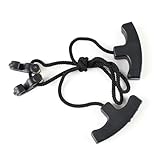
Choosing the right draw assist tool comes down to your physical strength, your hunting style, and your specific bow design. A standard rope cocker remains the most affordable, lightweight, and dependable tool for most archers. When shopping for a rope tool, look for a thick, braided cord that resists stretching under heavy load. Models with cord lengths around 48 inches offer plenty of room to adjust and tie custom knots, making it easy to fit the rope to your personal height and arm reach.
Inspect the construction of the hooks and handles. The hooks should feature durable, smooth nylon or coated polymer that will not gouge the metal finish of your arrow rail. Deep hook channels help the cord stay firmly seated against the bowstring without rolling off sideways. T-shaped handles made of textured, impact-resistant plastic give you a secure, non-slip grip when pulling with cold or wet hands in late-season hunting weather. Many archers choose comprehensive, ready-to-shoot hunting packages that include factory-matched cocking ropes built specifically to fit the contour of that bow stock.
If you have limited upper body strength, back pain, or hunt primarily from small blinds, an integrated crank cocking device is well worth the extra investment. Check whether the crank mounts directly inside the stock or requires a separate bracket. Look for silent-clutch mechanisms so you can crank the bow in the woods without alerting nearby game. Finally, make sure the crank sled is compatible with your bow manufacturer, as different brands use distinct track widths and hook profiles.
- ARS Mark9.3
ARS Mark is a ranking system developed by bestairriflescopes.com. ARS Mark has no relationship or impact from any manufacturers or sales agent websites. Learn more
- BrandMoyujian

- ARS Mark9.0
ARS Mark is a ranking system developed by bestairriflescopes.com. ARS Mark has no relationship or impact from any manufacturers or sales agent websites. Learn more
- BrandSOPOGER

- ARS Mark7.8
ARS Mark is a ranking system developed by bestairriflescopes.com. ARS Mark has no relationship or impact from any manufacturers or sales agent websites. Learn more
- BrandArcherest
- ARS Mark7.5
ARS Mark is a ranking system developed by bestairriflescopes.com. ARS Mark has no relationship or impact from any manufacturers or sales agent websites. Learn more
- BrandMoyujian
Last update on 2026-10-19 / Affiliate links / Images, Product Titles, and Product Highlights from Amazon Product Advertising API
FAQs
Why is my crossbow string not catching in the trigger box?
The most common cause is an incorrect safety switch position. Many trigger boxes feature an internal safety lock that must sit on FIRE so the claw can swing open to receive the string. Check the rail for debris, verify your rope hooks pull all the way into the housing, and confirm the safety lever is set according to your manual.
Can pulling a crossbow back by hand ruin arrow accuracy?
Yes, pulling barehanded almost always results in an uneven draw because one hand naturally exerts more muscular force than the other. This places uneven tension on the two bow limbs, twisting the string and causing erratic side-to-side arrow flight. A rope cocker or crank keeps the string centered, ensuring repeatable accuracy.
How do I uncock a crossbow safely if I do not take a shot?
Never try to uncock a standard crossbow by holding the string with your hands and pulling the trigger. The safe method is to load an inexpensive, dedicated unloading arrow tipped with a field point and shoot it into a soft dirt mound or a portable target block. Some premium bows feature built-in de-cocking mechanisms that let you unwind the crank safely without firing an arrow.
How do I pull the string back safely inside a small hunting blind?
Cocking a crossbow inside a tight blind with a rope cocker is difficult because you need enough ceiling clearance to stand fully upright over the bow. Sit flat on your chair, place the bow stirrup firmly on the ground between your boots, and keep your back straight as you draw upward. If your blind ceiling is too low, step outside the blind to cock the bow, or upgrade to a compact crank cocking device that works while seated.


12 Best 22 Pcp Air Rifle For Hunting of 2026 With Quiet Power

7 Best 22 Pcp Air Rifle Under 300 of 2026 For Backyard Pest Control

10 Best 22 Break Barrel Air Rifles of 2026 For Backyard Pest Control

10 Best 30 Caliber Pcp Air Rifle of 2026 For Medium Game

Top Best 177 Air Rifle Under 100: Budget-Friendly Picks for 2026

How to Safely Reload Shotgun Shells at Home

11 Best Co2 Air Rifle For Pest Control of 2026 To Ensure Humane Dispatch

12 Best Inexpensive Air Rifles of 2026 For Dependable Backyard Accuracy






