
How To Purchase A Gun In California Without Stress

How To Purchase A Gun In California can feel like walking through a maze blindfolded the first time around. Paperwork stacks up fast, legal terms sound stiff and cold, and one tiny mistake can slow the whole process down. Plenty of people assume buying a firearm works the same everywhere, then suddenly realize California plays by a completely different rulebook. That surprise alone trips up a lot of otherwise careful buyers.
State regulations push buyers through background checks, residency verification, firearm safety requirements, and mandatory waiting periods before anything leaves the store. That sounds overwhelming at first, sure, but the process becomes far less intimidating once each step gets broken down into plain English. California firearm laws revolve heavily around documentation and compliance, so preparation matters more than rushing. A missing utility bill or outdated ID can derail an entire purchase faster than most expect.
Then there’s the emotional side of the process nobody really talks about. Some people feel uncertain asking questions at a gun store because they don’t want to sound inexperienced. Others worry about buying the wrong firearm for home defense, range use, or recreational shooting. Confidence usually comes from understanding the process before stepping into the store, not after standing awkwardly at the counter trying to figure things out on the fly.
California’s approved handgun roster, magazine restrictions, and transport laws add another layer that catches many buyers off guard. One model available in another state might not even be legal for sale locally. That’s why researching firearm compliance ahead of time saves both money and frustration. Nobody enjoys getting attached to a firearm online only to learn it can’t legally transfer through a licensed dealer.
Cost also sneaks up on people. The firearm itself is only part of the equation because background check fees, taxes, safety equipment, storage solutions, and range supplies quickly pile onto the final total. A realistic budget helps prevent regret purchases and keeps expectations grounded. Smart buyers usually leave room for essentials like ear protection, cleaning gear, and a proper gun safe instead of blowing every dollar on the firearm alone.
Patience becomes part of the experience too. California’s waiting period frustrates plenty of first-time buyers who expect instant pickup after payment. Still, that delay gives people time to review safe handling practices, storage habits, and transportation rules before bringing a firearm home. Oddly enough, many experienced gun owners admit the extra time helped them feel more prepared and less impulsive about their purchase.
How To Purchase A Gun In California also involves understanding responsibility long before heading to the range. Secure storage laws matter, especially inside homes with children or shared living spaces. Safe firearm ownership goes beyond legal compliance because one careless moment can create lifelong consequences. Responsible handling, regular practice, and proper storage habits shape the ownership experience far more than flashy accessories ever will.
Local gun shops often make the process smoother than giant chain retailers because staff members usually understand California-specific laws inside and out. A knowledgeable dealer can explain paperwork requirements, approved firearm options, and legal limitations without drowning buyers in technical jargon. Good guidance cuts through confusion quickly. That practical support matters a lot during a purchase process already packed with enough rules and fine print.

- ARS Mark10.0
ARS Mark is a ranking system developed by bestairriflescopes.com. ARS Mark has no relationship or impact from any manufacturers or sales agent websites. Learn more
- BrandN/A

- ARS Mark7.5
ARS Mark is a ranking system developed by bestairriflescopes.com. ARS Mark has no relationship or impact from any manufacturers or sales agent websites. Learn more
- BrandGamo
- ARS Mark10.0
ARS Mark is a ranking system developed by bestairriflescopes.com. ARS Mark has no relationship or impact from any manufacturers or sales agent websites. Learn more
- BrandBrand: Gun Law Pr
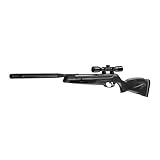
- ARS Mark8.3
ARS Mark is a ranking system developed by bestairriflescopes.com. ARS Mark has no relationship or impact from any manufacturers or sales agent websites. Learn more
- BrandGamo

- ARS Mark8.2
ARS Mark is a ranking system developed by bestairriflescopes.com. ARS Mark has no relationship or impact from any manufacturers or sales agent websites. Learn more
- BrandN/A
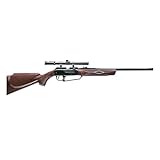
- ARS Mark8.3
ARS Mark is a ranking system developed by bestairriflescopes.com. ARS Mark has no relationship or impact from any manufacturers or sales agent websites. Learn more
- BrandDaisy
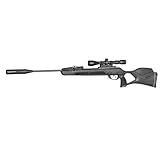
- ARS Mark8.4
ARS Mark is a ranking system developed by bestairriflescopes.com. ARS Mark has no relationship or impact from any manufacturers or sales agent websites. Learn more
- BrandGamo
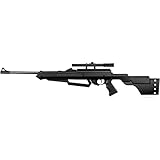
- ARS Mark9.5
ARS Mark is a ranking system developed by bestairriflescopes.com. ARS Mark has no relationship or impact from any manufacturers or sales agent websites. Learn more
- BrandBarra

- ARS Mark7.3
ARS Mark is a ranking system developed by bestairriflescopes.com. ARS Mark has no relationship or impact from any manufacturers or sales agent websites. Learn more
- BrandUmarex

- ARS Mark8.7
ARS Mark is a ranking system developed by bestairriflescopes.com. ARS Mark has no relationship or impact from any manufacturers or sales agent websites. Learn more
- BrandGamo
- ARS Mark9.0
ARS Mark is a ranking system developed by bestairriflescopes.com. ARS Mark has no relationship or impact from any manufacturers or sales agent websites. Learn more
- BrandDaisy

- ARS Mark8.8
ARS Mark is a ranking system developed by bestairriflescopes.com. ARS Mark has no relationship or impact from any manufacturers or sales agent websites. Learn more
- BrandCrosman

- ARS Mark8.5
ARS Mark is a ranking system developed by bestairriflescopes.com. ARS Mark has no relationship or impact from any manufacturers or sales agent websites. Learn more
- BrandDPMS
Last update on 2026-07-27 / Affiliate links / Images, Product Titles, and Product Highlights from Amazon Product Advertising API
How To Purchase A Gun In California
Walking into a California gun store without preparation can turn into a frustrating mess pretty quickly. One missing document, an outdated address, or confusion about firearm restrictions can delay the process for days. Plenty of buyers expect a simple retail transaction, then suddenly realize California firearm laws demand patience, paperwork, and close attention to detail. Learning how to purchase a gun in California ahead of time saves money, reduces stress, and helps avoid legal headaches that catch many first-time buyers off guard.
State Laws Change The Entire Buying Process
California handles firearm purchases far differently than many other states. Buyers face mandatory background checks, waiting periods, and strict firearm eligibility rules before taking anything home. Some people feel blindsided after seeing firearms online that can’t legally transfer into California due to roster restrictions or magazine limitations. That disconnect creates frustration fast, especially for buyers expecting a quick online purchase.
Residency verification causes more problems than most people anticipate. A driver’s license alone often isn’t enough because dealers may also require utility bills, vehicle registration, or government-issued documents showing a matching address. Tiny mismatches between paperwork can stall the transaction immediately. Something as small as an outdated apartment number creates unnecessary delays.
California also requires buyers to complete a Firearm Safety Certificate unless they qualify for an exemption. The test itself isn’t impossible, but plenty of people walk in unprepared and feel rattled by the legal questions. Spending a little time reviewing safety rules and transportation laws beforehand makes the experience far smoother. Confidence tends to calm nerves during the process.
Gun stores vary quite a bit in how they explain regulations. Some shops patiently guide buyers through every form while others assume customers already know the rules. That difference matters because unclear explanations leave many people second-guessing themselves halfway through the paperwork. A knowledgeable local dealer often becomes the most valuable part of the buying experience.
Choosing The Right Firearm Before Buying
Impulse buying creates regret surprisingly often in California firearm purchases. A handgun that looks impressive online may feel uncomfortable in the hand or completely miss the buyer’s actual needs. Home defense, recreational shooting, and hunting all demand different setups. Picking the wrong firearm usually leads to wasted money and extra frustration later.
Handgun size, recoil, grip angle, and weight all affect comfort more than beginners expect. Compact pistols feel easier to carry but can produce sharper recoil that surprises inexperienced shooters. Full-size models generally offer better control, though they take up more storage space and feel heavier during extended range sessions. Small tradeoffs change the shooting experience dramatically.
Shotguns and rifles create their own challenges too. California compliance laws affect features like stocks, grips, and magazine configurations, so buyers need to verify legality before committing to a purchase. Plenty of people assume a firearm advertised nationally will automatically qualify for California sale. That assumption burns buyers constantly.
Trying rental firearms at a local range helps eliminate guesswork. Grip comfort, trigger feel, recoil control, and sight visibility become obvious within minutes of live fire. Spending a little money on rentals can prevent expensive mistakes later. Explore practical firearm setups while reviewing best bow for beginner hunters if outdoor recreation and hunting gear are also part of the plan.
Background Checks And Waiting Period Rules
California’s mandatory ten-day waiting period frustrates a lot of buyers at first. Some walk into the store expecting same-day pickup, then suddenly realize they’ll leave empty-handed after payment. That delay feels annoying, sure, but it also gives buyers time to organize storage equipment, review transport laws, and think carefully about their purchase. Rushed firearm decisions rarely end well.
The background check process reviews criminal history, restraining orders, mental health disqualifications, and other eligibility concerns. Most approvals happen smoothly, but delayed responses sometimes occur even for lawful buyers. Common issues include outdated identification records, mismatched addresses, or database errors. Patience matters more than panic during delays.
People moving into California from another state often face extra confusion. Firearms legally owned elsewhere still need to comply with California regulations after relocation. Magazine capacity restrictions and assault weapon definitions catch many new residents off guard. Ignoring those details can create legal problems nobody wants attached to firearm ownership.
Some buyers try rushing the process by bouncing between dealers after delays or denials. That approach usually creates more confusion instead of solving anything. Calm communication with the dealer often clears up simple documentation problems faster than aggressive reactions. Staying organized remains one of the strongest advantages during firearm transactions.
Proof Of Residency Mistakes That Delay Purchases
Proof-of-residency requirements trip people up constantly because the rules sound simpler than they really are. California dealers usually need documents showing both identity and physical residence, and those records must match closely. A utility bill with an old address or abbreviated street name can create issues immediately. Tiny inconsistencies matter far more than buyers expect.
Vehicle registration often works well because it’s government-issued and tied directly to residency. Utility bills can help too, though some dealers reject certain digital statements depending on formatting. Buyers relying on temporary paperwork or recently changed addresses should call ahead before visiting the store. One quick phone call saves hours of wasted time.
REAL ID complications also surprise buyers occasionally. Some California licenses marked “Federal Limits Apply” require additional citizenship or legal residency documentation during firearm transactions. Buyers rarely anticipate that requirement until the dealer points it out at the counter. Stress levels rise fast once the paperwork problem appears mid-purchase.
Organized buyers usually carry multiple backup documents just in case something gets rejected. That extra preparation reduces tension and prevents repeat store visits. Small details create big delays in California firearm purchases, so preparation matters more than speed. Smooth transactions almost always start with organized paperwork.
California Approved Handgun Roster Confusion
The California handgun roster creates constant confusion because many nationally advertised pistols aren’t legal for retail sale inside the state. Buyers browse reviews online, settle on a specific model, then discover dealers legally can’t transfer it. That disconnect frustrates plenty of people who assume firearm availability works the same nationwide. California’s roster system changes the landscape significantly.
Approved handguns must meet state-specific requirements tied to testing and compliance standards. Some manufacturers stop renewing models on the roster, which slowly reduces availability over time. Buyers sometimes pay higher prices simply because legal California versions remain harder to find. Limited supply changes pricing quickly.
Private party transfers follow different rules in some situations, which adds another layer of confusion. Certain off-roster firearms may legally transfer between California residents through licensed dealers, though restrictions still apply. Buyers jumping into these transactions without guidance can easily misunderstand the legal boundaries. Dealer clarification becomes extremely important here.
Patience helps during roster research because availability shifts often. One shop may have limited compliant inventory while another carries several legal options ready for pickup. Calling stores before visiting prevents wasted trips and unnecessary disappointment. Strong preparation reduces frustration dramatically.
Safe Storage Requirements Matter More Than Buyers Expect
California places heavy emphasis on safe firearm storage, especially in homes with children or shared living spaces. Buyers sometimes focus entirely on the firearm itself while ignoring storage equipment until the last minute. That approach usually backfires because proper safes and lockboxes add meaningful cost to the overall purchase. Responsible ownership starts long before range day.
Quick-access handgun safes remain popular for home defense because they balance security with accessibility. Smaller lockboxes fit apartments well, though larger gun safes provide stronger theft protection and additional storage capacity. Space limitations influence decisions heavily, especially in smaller California homes. Not every storage option fits every living situation.
Trigger locks and cable locks help satisfy legal transport and storage expectations, but they’re not always convenient for everyday use. Some buyers prefer biometric safes while others trust mechanical lock systems more. Each setup carries tradeoffs tied to speed, battery reliance, and long-term reliability. Real-world practicality matters more than flashy marketing.
Secure storage habits also help protect firearm owners legally after a theft or accident. Negligent storage cases create serious consequences that extend far beyond financial loss. Responsible ownership involves thinking ahead instead of reacting afterward. Compare youth-friendly outdoor gear alongside best bow for youth archery for families exploring safe recreational equipment together.
Buying Online Still Requires California Compliance
Online firearm shopping looks simple at first glance, but California rules still control the final transfer process. Buyers can’t have firearms shipped directly to their home unless they hold specific federal licenses. The firearm must transfer through a licensed California dealer who handles the paperwork, waiting period, and background check. Plenty of first-time buyers misunderstand that immediately.
Transfer fees add another expense many people overlook during online purchases. Some dealers charge modest amounts while others tack on substantial transfer costs, storage fees, or compliance modification charges. Cheap online pricing can become less attractive after those extra expenses pile up. Comparing final costs matters more than focusing only on sticker price.
California compliance remains critical before ordering anything online. A firearm with prohibited features may arrive at the dealer only to get rejected during transfer. That situation creates shipping complications, refund issues, and unnecessary frustration. Verifying legality beforehand prevents expensive mistakes.
Ammo purchases follow strict rules too. Background checks now apply to ammunition transactions inside California, and online ammunition orders typically require dealer processing as well. Buyers unfamiliar with those restrictions often feel caught off guard during checkout. Researching state requirements ahead of time keeps expectations realistic.
Range Practice Builds Confidence After Purchase
Owning a firearm without regular practice creates a false sense of security. Plenty of people buy a handgun for home defense, store it away, then barely touch it afterward. That hesitation usually comes from discomfort, lack of familiarity, or uncertainty about handling techniques. Confidence grows through repetition, not ownership alone.
Range practice exposes weaknesses quickly. Grip issues, poor trigger control, and sight alignment mistakes become obvious after a few magazines. Those early struggles frustrate many new owners, but they’re completely normal. Consistent practice usually improves performance far faster than people expect.
Indoor ranges offer controlled environments for beginners, though noise and confined shooting lanes can feel intimidating initially. Outdoor ranges provide more breathing room but sometimes require extra travel and equipment. Each environment offers different advantages depending on comfort level and shooting goals. Trying both often helps new owners settle into a routine.
Firearm ownership also overlaps with broader outdoor interests for many Californians. Hunting, camping, and wildlife preparation often lead people toward other field skills over time. Explore practical outdoor preparation tips through how to skin a turkey for another hands-on perspective tied to hunting and field processing.
California Gun Purchase Steps After Approval
Buying the firearm is only part of the process. Plenty of California gun owners feel confident after approval paperwork clears, then suddenly realize the real responsibility starts once the firearm leaves the store. Transportation rules, storage laws, maintenance habits, and range safety all matter far more than flashy accessories or impulse upgrades. A little preparation after pickup prevents expensive mistakes and unnecessary legal trouble later.
Safe Transportation Prevents Expensive Mistakes
California firearm transport laws catch many owners off guard because assumptions from movies or online forums usually don’t match reality. Handguns generally need to stay unloaded and locked inside a secure container during transportation. Tossing a pistol into a backpack or center console creates legal problems fast. Locked storage inside the vehicle matters more than many buyers initially realize.
Rifles and shotguns follow slightly different transport expectations, though keeping them unloaded remains critical. Ammunition storage also deserves attention because loose rounds rolling around the car create unnecessary safety concerns. Responsible owners usually separate firearms and ammunition during travel for added security. Small habits reduce stress during traffic stops or unexpected situations.
Range bags with lockable compartments help simplify transportation without adding much bulk. Some people rely on compact handgun vaults that fit under seats or inside trunks for daily security. The setup doesn’t need to feel overly tactical or dramatic. Practical storage usually works best.
Outdoor enthusiasts often build firearm transportation habits alongside broader hunting preparation. Explore dependable hunting equipment through best over under turkey shotgun while comparing storage and transport setups that fit longer field trips.
First Range Visits Feel Intimidating At First
Walking into a shooting range for the first time rattles plenty of people. Loud gunfire, strict safety commands, and experienced shooters nearby can make beginners feel completely out of place. That nervous feeling fades quicker than expected once range staff explain the process clearly. Most regular shooters care far more about safe behavior than perfect accuracy.
Eye protection and hearing protection matter immediately. Indoor ranges get surprisingly loud, especially near larger calibers or short-barreled firearms. Cheap foam earplugs alone often aren’t enough for comfort during extended sessions. Many shooters eventually combine earplugs with earmuffs for stronger noise reduction.
Slow practice beats rushing every single time. New owners sometimes burn through ammunition quickly while learning almost nothing from the experience. Controlled shooting pace, careful grip adjustments, and attention to trigger control improve accuracy far faster. Patience builds stronger shooting habits than speed.
Rental lanes help people test firearms before buying additional models later. Some owners realize compact pistols feel harder to control than expected while larger frames suddenly make sense after live practice. Real shooting experience changes opinions quickly. Hands-on time usually teaches more than online reviews ever could.
Cleaning Habits Affect Reliability Over Time
Many first-time owners underestimate how dirty firearms become after regular range sessions. Powder residue, carbon buildup, and lubricant breakdown gradually affect reliability if ignored too long. Firearms don’t need obsessive cleaning after every magazine, but basic maintenance absolutely matters. Neglect eventually creates malfunctions nobody wants during critical moments.
Cleaning kits don’t need to be complicated or expensive. A quality bore brush, patches, solvent, lubricant, and microfiber cloth handle most routine maintenance tasks just fine. Overspending on specialty tools rarely improves results for casual owners. Consistent habits matter more than massive equipment collections.
Over-lubrication creates problems too. Some new gun owners soak internal parts with oil thinking more lubrication automatically improves reliability. Excess oil actually attracts debris and grime inside the firearm. Thin, controlled lubrication usually works better for long-term performance.
Different firearms demand slightly different maintenance schedules depending on usage and environment. Dusty outdoor conditions, frequent shooting, or humid storage spaces accelerate buildup faster than climate-controlled safes. Owners who pay attention to wear patterns usually catch small problems before they turn serious. That awareness becomes part of responsible ownership.
Home Defense Planning Requires Realistic Thinking
Buying a firearm for home defense often starts emotionally after break-in fears, neighborhood concerns, or personal safety worries. Reality feels different once people begin thinking about storage access, family members, and high-stress decision making. Hollywood-style assumptions fade quickly under practical consideration. Responsible planning matters far more than dramatic fantasies.
Quick-access safes help balance readiness with legal and household safety concerns. Leaving loaded firearms unsecured inside nightstands or closets creates obvious risks, especially in shared homes. Responsible owners think through access speed, storage location, and emergency communication ahead of time. Preparation reduces panic during stressful situations.
Training also matters far beyond simple ownership. People who never practice drawing safely, operating controls, or handling malfunctions often freeze under pressure. Calm repetition builds familiarity that becomes useful later. Confidence comes from routine, not from owning expensive equipment.
Some firearms simply fit home defense better than others depending on recoil tolerance, room size, and user comfort. Lightweight revolvers, for example, may feel easy to store but produce surprisingly sharp recoil. Full-size pistols generally offer softer shooting characteristics and easier control during practice. Tradeoffs shape every firearm decision.
Private Party Transfers Have Different Rules
Private firearm transfers between California residents still require licensed dealer processing in most cases. Plenty of people assume face-to-face cash sales remain completely unrestricted, then quickly realize state law says otherwise. Dealer involvement helps document ownership transfers and maintain legal compliance. Skipping the process creates unnecessary legal exposure.
Private party transfers sometimes allow access to off-roster handguns unavailable through regular retail channels. That possibility attracts many buyers searching for discontinued or limited California-legal models. Prices often run higher because supply stays limited. Scarcity affects local firearm markets constantly.
Transfer appointments at busy gun stores occasionally require scheduling days ahead. Buyers expecting a quick meetup transaction can get frustrated once paperwork, waiting periods, and background checks enter the picture again. California doesn’t waive those requirements simply because the seller is another resident. The process remains heavily regulated.
Careful buyers inspect firearm condition closely before agreeing to transfers. Cosmetic wear usually matters less than internal maintenance, function checks, and overall handling feel. Spending extra time evaluating the firearm prevents buyer regret later. Rushing private sales rarely ends well.
Budget Planning Stops Regret Purchases
New firearm owners often focus entirely on the purchase price while forgetting about everything else tied to ownership. Ammunition, storage, range fees, cleaning supplies, replacement sights, and training classes quickly increase overall costs. A budget pistol paired with poor practice habits rarely creates a satisfying experience. Balanced spending matters more than chasing the cheapest option available.
Ammunition costs surprise people constantly, especially for popular defensive calibers during periods of high demand. Practice becomes harder when owners can’t comfortably afford range time. Buying a firearm without budgeting for ammunition limits long-term skill development. Consistent practice should remain part of the original purchase plan.
Training classes also deserve consideration. Professional instruction helps correct grip mistakes, unsafe handling habits, and poor shooting mechanics early. Plenty of owners waste months reinforcing bad habits alone before finally seeking help. Early coaching often saves money and frustration long term.
Outdoor recreation expenses overlap for many firearm owners too. Hunting trips, field gear, and camping setups gradually become part of the equation over time. Compare practical hunting equipment through best compound bow under 500 while building realistic outdoor budgets that actually match long-term use.
Firearm Ownership Carries Daily Responsibility
Owning a firearm in California involves much more than passing paperwork and completing a purchase. Daily habits shape whether ownership stays safe, lawful, and manageable over time. Secure storage, calm handling, regular maintenance, and ongoing education all matter long after the waiting period ends. Responsible ownership becomes routine through repetition.
Situational awareness matters too. Careless conversations, sloppy transportation habits, or unsecured firearms inside vehicles create unnecessary risks that responsible owners actively avoid. Firearm ownership attracts attention quickly in certain environments, so discretion often becomes part of safe ownership. Quiet responsibility usually serves people better than showing off.
Laws also change periodically in California, which means owners should stay informed about updated regulations tied to transportation, storage, or compliance rules. Relying on outdated internet advice causes confusion fast. Local firearm instructors and trusted dealers usually provide more reliable guidance than random online arguments. Staying informed protects owners legally and practically.
Plenty of people start the process feeling overwhelmed by paperwork, restrictions, and legal terminology. Confidence usually grows once each step becomes familiar and manageable in real-world situations. Careful preparation, consistent practice, and realistic expectations make firearm ownership feel far less intimidating over time. Responsible habits ultimately shape the entire experience.


12 Best 22 Pcp Air Rifle For Hunting of 2026 With Quiet Power

7 Best 22 Pcp Air Rifle Under 300 of 2026 For Backyard Pest Control

10 Best 22 Break Barrel Air Rifles of 2026 For Backyard Pest Control

10 Best 30 Caliber Pcp Air Rifle of 2026 For Medium Game

Top Best 177 Air Rifle Under 100: Budget-Friendly Picks for 2026

How to Safely Reload Shotgun Shells at Home

11 Best Co2 Air Rifle For Pest Control of 2026 To Ensure Humane Dispatch

12 Best Inexpensive Air Rifles of 2026 For Dependable Backyard Accuracy






