
How To Purchase A Gun In Maryland Without Stress

How To Purchase A Gun In Maryland can feel like walking through a maze the first time around. Paperwork stacks up fast, state rules seem scattered all over the place, and one tiny mistake can slow everything down. Plenty of people assume the process is straightforward until they hit waiting periods, training requirements, or dealer questions they weren’t prepared for. That’s usually where frustration kicks in, especially after spending hours researching conflicting advice online.
Maryland doesn’t treat every firearm purchase the same way, and that catches many buyers off guard. Handguns involve stricter requirements, while long guns often move through a different process entirely. Some buyers walk into a store expecting a quick transaction, only to realize they still need fingerprinting, a qualification license, or extra documentation. That confusion can drain both time and money before the purchase even gets close to approval.
Preparation changes everything. Having identification ready, understanding state eligibility rules, and knowing what forms dealers expect can make the process smoother from the start. Small details matter more than people expect, too. An outdated address on a license or incomplete paperwork can create delays that stretch far longer than anticipated, and nobody enjoys making repeat trips to the gun shop over avoidable issues.
Cost surprises also tend to creep in quietly. Beyond the firearm itself, Maryland buyers often run into fees tied to fingerprinting, background checks, training courses, and transfer processing. Those extra expenses can add up fast, particularly for someone budgeting carefully before making a purchase. A little planning ahead keeps the experience grounded instead of financially irritating halfway through.
Safety responsibilities play a huge role in the process as well. Maryland expects firearm owners to understand storage laws, transportation rules, and legal limitations tied to possession. Skipping over those details can create unnecessary legal trouble later, even for people with no bad intentions whatsoever. Solid information upfront keeps the ownership experience practical, responsible, and far less stressful.
Timing matters more than many expect. Some buyers assume they’ll leave the same day with a handgun, then realize Maryland’s waiting period changes the entire timeline. Others get frustrated after discovering certain firearm models may have restrictions or additional review steps attached to them. Knowing those realities early helps avoid disappointment and keeps expectations realistic from the very beginning.
How To Purchase A Gun In Maryland also involves choosing where to buy. Local firearm dealers, private transfers, and online purchases each come with different procedures and paperwork requirements. Some shops move buyers through the process smoothly, while others may have longer backlogs or stricter appointment systems. Exploring reliable dealers with organized processes can save a surprising amount of stress and wasted time.
Then there’s the emotional side nobody talks about enough. Buying a firearm isn’t like grabbing another household item off a shelf. People want confidence in their decisions, reassurance they’re following the law correctly, and clarity before signing official forms. A straightforward breakdown of the process helps remove second-guessing and replaces uncertainty with practical confidence that actually sticks.
- ARS Mark10.0
ARS Mark is a ranking system developed by bestairriflescopes.com. ARS Mark has no relationship or impact from any manufacturers or sales agent websites. Learn more
- BrandMILITARIA

- ARS Mark7.5
ARS Mark is a ranking system developed by bestairriflescopes.com. ARS Mark has no relationship or impact from any manufacturers or sales agent websites. Learn more
- BrandGamo
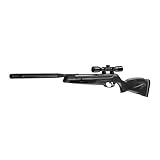
- ARS Mark8.3
ARS Mark is a ranking system developed by bestairriflescopes.com. ARS Mark has no relationship or impact from any manufacturers or sales agent websites. Learn more
- BrandGamo
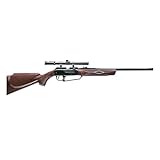
- ARS Mark8.3
ARS Mark is a ranking system developed by bestairriflescopes.com. ARS Mark has no relationship or impact from any manufacturers or sales agent websites. Learn more
- BrandDaisy
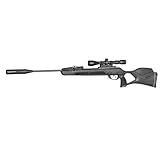
- ARS Mark8.4
ARS Mark is a ranking system developed by bestairriflescopes.com. ARS Mark has no relationship or impact from any manufacturers or sales agent websites. Learn more
- BrandGamo
- ARS Mark9.5
ARS Mark is a ranking system developed by bestairriflescopes.com. ARS Mark has no relationship or impact from any manufacturers or sales agent websites. Learn more
- BrandBarra

- ARS Mark7.3
ARS Mark is a ranking system developed by bestairriflescopes.com. ARS Mark has no relationship or impact from any manufacturers or sales agent websites. Learn more
- BrandUmarex

- ARS Mark8.7
ARS Mark is a ranking system developed by bestairriflescopes.com. ARS Mark has no relationship or impact from any manufacturers or sales agent websites. Learn more
- BrandGamo
- ARS Mark9.0
ARS Mark is a ranking system developed by bestairriflescopes.com. ARS Mark has no relationship or impact from any manufacturers or sales agent websites. Learn more
- BrandDaisy

- ARS Mark8.8
ARS Mark is a ranking system developed by bestairriflescopes.com. ARS Mark has no relationship or impact from any manufacturers or sales agent websites. Learn more
- BrandCrosman

- ARS Mark8.5
ARS Mark is a ranking system developed by bestairriflescopes.com. ARS Mark has no relationship or impact from any manufacturers or sales agent websites. Learn more
- BrandDPMS
Last update on 2026-07-30 / Affiliate links / Images, Product Titles, and Product Highlights from Amazon Product Advertising API
How To Purchase A Gun In Maryland Safely
Sticker shock hits a lot of first-time buyers before they even touch a firearm. Fees pile up, paperwork drags on, and Maryland’s rules can feel like somebody scattered puzzle pieces across three different websites. How To Purchase A Gun In Maryland gets much easier once the process is broken into realistic steps instead of vague legal jargon. A little preparation saves time, prevents rejected paperwork, and helps avoid those awkward moments standing at the gun counter with missing documents.
Start With Maryland Firearm Eligibility
Maryland doesn’t hand out firearm approvals casually, and that surprises plenty of people. State law checks criminal history, mental health disqualifiers, and several federal restrictions before a purchase moves forward. Buyers who rush into the process without checking eligibility often waste money on application fees they can’t recover. Legal eligibility, accurate records, and clean documentation matter more than flashy gear or expensive firearms.
Handgun purchases usually create the most confusion. Maryland requires a Handgun Qualification License for many handgun buyers, and skipping that step instantly slows everything down. Some exceptions exist, but most buyers still need fingerprinting, background checks, and safety training before approval happens. That catches people off guard because neighboring states may follow very different rules.
Residency proof causes headaches too. A driver’s license with an outdated address can trigger delays even if everything else looks fine. Dealers typically compare identification closely, especially during regulated firearm transactions. Small details turn into big problems fast once state paperwork enters the system.
Federal law still applies on top of Maryland regulations. Age restrictions, domestic violence convictions, and certain protective orders can block purchases regardless of local approval attempts. Buyers sometimes assume state approval automatically overrides federal law, but that’s not how firearm transfers work. Federal compliance and state compliance operate side by side.
Get Familiar With The HQL Process
The Handgun Qualification License frustrates many buyers because it adds time before the actual purchase even begins. Maryland requires approved training and fingerprinting before issuing the license in most situations. Some people expect a quick online form and move on, but the process demands more preparation than that. Training requirements, state review periods, and fingerprint scheduling all affect timing.
Training classes usually cover firearm safety, storage basics, and Maryland transportation rules. Most courses don’t feel overly technical, but they still require attention because mistakes during the application process create delays later. Fingerprinting appointments may also depend on local availability. Waiting until the last minute can stretch the timeline much longer than expected.
Online advice often creates confusion around exemptions. Active law enforcement officers, some military members, and certain collectors may qualify for exceptions, but assumptions create problems. Buyers should verify exemption status directly through official Maryland guidance instead of relying on random forum comments. Internet rumors waste plenty of time.
Application processing times vary throughout the year. Backlogs sometimes build during election cycles or periods of increased firearm demand. Buyers expecting immediate approval usually end up irritated by the wait. Patience matters because Maryland’s review process rarely moves at lightning speed.
Know The Difference Between Handguns And Long Guns
Maryland treats handguns and long guns differently, and mixing those rules together creates confusion fast. A buyer walking into a store for a shotgun usually faces a different process than somebody buying a handgun. That distinction changes paperwork, waiting periods, and licensing requirements. Purchase categories, background checks, and state restrictions vary depending on firearm type.
Long guns generally involve fewer hurdles for eligible buyers. Standard rifles and shotguns often move through the federal background check system without requiring an HQL. Still, Maryland bans or restricts certain firearm configurations, especially around magazine capacity and regulated rifle models. Buyers should verify legality before spending money online or arranging transfers.
Handgun purchases typically include Maryland’s waiting period. That catches first-time buyers off guard because they expect same-day pickup after payment. Dealers cannot legally release regulated firearms until state approval clears. Even buyers with prior experience in other states may find Maryland’s process slower than expected.
Private sales create another layer of confusion. Maryland still requires legal transfer procedures for regulated firearms, and skipping those requirements can create serious legal trouble later. Some buyers assume private transactions bypass state law completely, but regulated firearm transfers still require compliance. Transfer documentation and dealer processing protect both parties.
Prepare Your Documents Before Visiting A Dealer
Walking into a gun shop unprepared wastes everybody’s time. Dealers typically need identification, residency proof, and licensing paperwork before the transaction can even begin. Missing documents often force buyers to leave and come back later, which gets old quickly. Organization, accurate paperwork, and current identification help transactions move smoother.
Maryland buyers should double-check addresses across all documents. An old address on a driver’s license paired with a new utility bill can complicate the process if details don’t line up properly. Dealers usually follow strict compliance rules because mistakes create legal risks for them too. Nobody behind the counter wants problems with state audits.
Some firearm stores operate by appointment during busy periods. Calling ahead prevents wasted trips and gives buyers a chance to ask about required paperwork beforehand. Shops often explain current wait times, transfer fees, and firearm availability over the phone. That simple step saves frustration later.
Digital copies alone may not always work. Physical identification documents remain important during regulated purchases, especially for first-time handgun buyers. Bringing backups helps too. Something as small as a damaged ID card can unexpectedly delay approval.
Understand Maryland Waiting Periods
Patience becomes part of the process pretty quickly in Maryland. Handgun purchases usually involve a waiting period even after payment and paperwork submission. Buyers expecting instant pickup often feel blindsided once dealers explain the timeline. Approval delays, background reviews, and state processing all shape the waiting period experience.
The waiting period exists regardless of excitement or urgency. Maryland State Police review applications before regulated firearms can legally leave the dealer. Some approvals move smoothly, while others take longer because of administrative backlogs or application discrepancies. Tiny paperwork mistakes can stretch delays beyond the standard timeline.
First-time buyers often spend the waiting period second-guessing their decisions. That’s normal. Firearm ownership carries legal and practical responsibilities, so hesitation sometimes creeps in after the purchase begins. Reviewing storage plans and transportation rules during the wait can actually help reduce anxiety later.
Dealers generally cannot speed up the state process. Calling repeatedly for updates rarely changes anything once paperwork enters the approval system. Buyers usually feel less stressed when expectations stay realistic from the beginning. Maryland’s process simply moves at its own pace.
Choose A Reliable Maryland Firearm Dealer
Not every gun shop operates the same way, and buyers notice that pretty quickly. Some stores stay organized, explain regulations clearly, and handle transfers efficiently. Others create confusion with poor communication or inconsistent inventory updates. Dealer experience, staff knowledge, and clear policies make a noticeable difference during firearm purchases.
Busy firearm stores sometimes rush conversations, especially during high-demand periods. Buyers who ask questions shouldn’t feel pressured or brushed aside. Good dealers explain Maryland requirements without acting irritated about basic concerns. A professional atmosphere usually signals better transaction management overall.
Transfer fees also vary more than people expect. Online firearm purchases may look cheaper initially, then local transfer costs erase the savings completely. Comparing dealer pricing ahead of time helps avoid unpleasant surprises later. Some stores post transfer fees publicly while others discuss them only in person.
To improve hunting preparation alongside firearm ownership, explore best food plot for early bow season strategies that support better wildlife patterns and seasonal planning. Maryland hunters often combine firearm practice with smarter land management before deer season opens.
Learn Maryland Transportation Rules
Owning a firearm legally doesn’t automatically mean carrying or transporting it however you want. Maryland transportation laws create confusion because they differ from rules in many neighboring states. Buyers who ignore transportation regulations risk unnecessary legal trouble during routine travel. Safe transport, locked storage, and lawful destinations matter every time a firearm leaves home.
Handguns generally must stay unloaded and secured during transportation unless a person has a valid carry permit. Tossing a loaded firearm into a glove compartment can create immediate legal issues during a traffic stop. Maryland expects firearm owners to handle transportation carefully and predictably. Convenience doesn’t override state law.
Travel destinations matter too. Transporting firearms typically requires lawful reasons like hunting, target shooting, training, or firearm repair visits. Random vehicle storage without a clear purpose can create unnecessary complications if questioned by law enforcement. Keeping range bags organized and documentation accessible helps avoid confusion.
Interstate travel adds another layer of responsibility. Maryland residents crossing into neighboring states should review firearm laws before traveling because regulations change quickly across state lines. Something considered lawful in one state may create problems elsewhere. State-specific compliance remains critical during travel.
Budget Beyond The Firearm Purchase
A lot of first-time buyers focus entirely on the firearm price tag and forget everything else attached to ownership. Maryland buyers often pay for training classes, fingerprints, ammunition, storage equipment, and transfer fees before the process even settles down. Costs stack up fast. Realistic budgeting, secure storage, and practice expenses deserve attention from the start.
Cheap storage solutions create long-term problems. Maryland firearm owners should think carefully about secure storage, especially in homes with children or frequent visitors. A reliable safe or lockbox costs more upfront but prevents serious risks later. Cutting corners here rarely pays off.
Ammunition expenses surprise many people too. Practice matters because firearm ownership without range time builds shaky confidence and poor habits. Prices fluctuate depending on caliber and market demand, which makes consistent practice harder for some buyers. Planning ahead keeps range trips realistic instead of financially frustrating.
Buyers interested in alternative shooting platforms sometimes compare firearms with archery equipment before committing to one direction. Explore best compound bow for adults options for hunting or target shooting setups that require different training routines and maintenance expectations.
Maryland Gun Purchase Steps For First Time Buyers
Second-guessing hits a lot of people right after they submit firearm paperwork in Maryland. Questions start bouncing around fast. Did the form get filled out correctly? Will the background check cause delays? Could one small mistake force the whole process to restart? Maryland gun purchase steps for first time buyers feel far less stressful once the confusing parts are broken into practical decisions instead of legal buzzwords and rushed conversations at the gun counter.
Safe Storage Matters Before Bringing A Gun Home
A surprising number of buyers spend weeks researching firearms and almost no time thinking about storage. That usually changes fast after the purchase paperwork starts moving forward. Maryland takes safe firearm storage seriously, especially in homes with children or shared living spaces. Responsible ownership starts before the firearm ever reaches the house.
Cheap storage options can create long-term headaches. Lightweight lockboxes may work for temporary transport, but they often disappoint people looking for stronger theft protection. Heavier safes cost more upfront, though they usually provide better security and more room for future storage needs. A cramped safe becomes annoying pretty quickly once extra magazines, documents, and cleaning gear pile up.
Humidity control matters more than many first-time buyers realize. Maryland summers can get sticky, and moisture buildup inside poorly ventilated storage spaces may lead to corrosion over time. Silica packs or dehumidifier rods help reduce that risk without adding much maintenance. Moisture protection, locked storage, and organized access keep firearms in better condition for years.
People sharing homes should also think carefully about accessibility. A bedside safe with quick-entry access might fit one household, while another setup may require fully separated storage for safety reasons. Every home has different routines, schedules, and risks. Practical storage decisions usually work better than copying somebody else’s setup online.
Learn Maryland Carry And Possession Laws
Buying a firearm legally doesn’t automatically mean carrying it everywhere legally. Maryland has specific rules tied to public possession, transportation, and concealed carry permits. Buyers who skip this research often assume ownership rights automatically cover daily carry situations. Carry permits, restricted locations, and state transportation laws all deserve attention early.
Some places remain off-limits even for lawful firearm owners. Government buildings, schools, and certain private businesses may restrict firearm possession regardless of permit status. Walking into the wrong location without checking policies first can create serious legal trouble. That’s why experienced firearm owners usually verify local restrictions before traveling.
Vehicle carry creates confusion too. Maryland transportation rules generally require firearms to remain unloaded and secured unless the owner has legal carry authorization. Tossing a handgun into a center console because it feels convenient can quickly become a problem during a routine traffic stop. Responsible transport habits reduce risk for everybody involved.
Permit approval timelines also vary depending on application volume and documentation quality. Some buyers expect instant approval after submitting paperwork, then get frustrated waiting for updates. Patience becomes part of the process in Maryland more often than people expect. Strong preparation usually prevents unnecessary setbacks.
Build Confidence Through Regular Practice
Owning a firearm without practicing regularly creates shaky habits and nervous handling. Plenty of first-time buyers purchase a gun, lock it away, and barely touch it afterward because they don’t feel fully comfortable yet. Confidence grows through repetition, not guesswork. Range time, safe handling routines, and consistent practice matter far more than owning expensive equipment.
Indoor shooting ranges help many beginners ease into firearm handling without dealing with weather or outdoor distractions. Ear protection, lane rentals, and ammunition costs add up over time, though regular visits still improve familiarity faster than occasional shooting sessions. Small improvements become noticeable pretty quickly. Reloading confidence, trigger control, and target consistency all sharpen with practice.
Practice sessions also reveal practical issues people overlook during purchases. Some handguns feel too bulky after extended shooting. Others produce more recoil than expected, especially for new shooters. Buyers often realize grip size and comfort matter more than flashy marketing claims once real range time begins.
Families introducing younger shooters to safe firearm culture sometimes explore beginner-friendly alternatives before moving into full firearm training. Compare training approaches and youth equipment options through best compound bow for youth beginners setups that encourage patience, focus, and controlled shooting habits.
Common Maryland Gun Purchase Mistakes
Small mistakes cause more delays than most buyers expect. One missing document, incorrect address, or incomplete application can force the process into frustrating back-and-forth corrections. Buyers often assume dealers will fix every issue automatically, but state paperwork doesn’t work that way. Accuracy, patience, and careful review reduce unnecessary delays dramatically.
Impulse buying creates problems too. Some people rush toward the first firearm that looks appealing without thinking about realistic use, storage space, or recoil management. That excitement fades quickly if the firearm feels uncomfortable during practice sessions. Practical fit matters more than hype or internet bragging rights.
Ignoring total ownership costs also catches buyers off guard. Ammunition, secure storage, training classes, and range memberships sometimes end up costing nearly as much as the firearm itself during the first year. Buyers who budget only for the gun often feel financially stretched afterward. A realistic spending plan prevents regret later.
Online firearm discussions create confusion as well. Maryland laws shift over time, and outdated forum advice can spread misinformation surprisingly fast. Buyers should verify legal details through reliable state resources or licensed dealers instead of random social media arguments. Solid information saves time and stress.
Online Gun Purchases In Maryland
Online firearm shopping sounds simple until transfer rules enter the picture. Buyers often see lower prices online, place orders quickly, then realize Maryland transfer requirements still apply before pickup happens. Federal law requires firearms purchased online to ship through licensed dealers. Dealer transfers, shipping timelines, and state compliance still control the final process.
Transfer fees vary widely between Maryland gun shops. One store may charge modest processing costs, while another stacks on higher administrative fees that erase online savings completely. Calling local dealers before ordering online prevents ugly surprises later. Nobody enjoys discovering hidden costs after the firearm already ships.
Inventory availability also creates delays. Some online sellers advertise firearms that aren’t actually ready for immediate shipment, which frustrates buyers expecting quick transfers. Shipping, dealer intake processing, and Maryland waiting periods can stretch timelines longer than expected. Realistic expectations keep frustration manageable.
Accessories purchased online deserve attention too. Maryland restricts certain magazine capacities and firearm configurations, so buyers should double-check state compliance before ordering extras. Saving money on a deal means very little if the item can’t legally transfer into Maryland afterward.
Talk Through The Purchase Before Signing
Questions feel uncomfortable for some first-time buyers standing at the gun counter. Nobody wants to sound inexperienced or confused in front of store employees or other customers. Still, asking clear questions usually prevents bigger mistakes later. Clarification, policy review, and dealer communication protect buyers from avoidable problems.
Good firearm dealers typically explain transfer timelines, return policies, and Maryland compliance rules without acting annoyed. Buyers should feel comfortable asking about firearm fit, recoil expectations, or ammunition recommendations before completing paperwork. A rushed transaction often leaves people feeling uncertain afterward. Confidence matters during firearm ownership.
Firearm fit affects long-term comfort more than many people realize. Grip angle, slide weight, trigger reach, and recoil impulse all feel different once handled in person. Something that looks great online may feel awkward after five minutes at the counter. Hands-on comparison usually leads to smarter decisions.
Buyers interested in low-light shooting accessories or recreational shooting gear sometimes compare firearm setups with tracer-based systems used in training environments. Explore how do airsoft tracer units work explanations for a better look at illuminated projectile tracking and practice visibility concepts.
Prepare For Long Term Firearm Ownership
The purchase itself only starts the process. Firearm ownership brings ongoing responsibilities tied to maintenance, safe handling, legal compliance, and regular training. Buyers focused only on the excitement of purchase day often overlook the habits required afterward. Long-term maintenance, safe handling, and consistent education matter just as much as the firearm itself.
Cleaning routines don’t need to feel overly technical, but neglect creates reliability issues over time. Carbon buildup, neglected lubrication, and poor storage conditions eventually affect performance. Basic cleaning supplies and a simple maintenance schedule usually solve most common problems before they grow larger.
Maryland firearm laws can also change over time. Owners who stay informed about transportation updates, permit rules, and storage requirements reduce the chances of accidental violations later. Responsible ownership means staying current instead of assuming laws never shift. Legal awareness remains part of firearm ownership long after the purchase finishes.
Practice, patience, and preparation usually shape the best ownership experiences. Buyers who stay organized, ask thoughtful questions, and spend time building safe habits tend to feel more confident over time. Maryland’s firearm process may seem intimidating at first, but steady preparation removes much of the confusion that overwhelms first-time buyers.


12 Best 22 Pcp Air Rifle For Hunting of 2026 With Quiet Power

7 Best 22 Pcp Air Rifle Under 300 of 2026 For Backyard Pest Control

10 Best 22 Break Barrel Air Rifles of 2026 For Backyard Pest Control

10 Best 30 Caliber Pcp Air Rifle of 2026 For Medium Game

Top Best 177 Air Rifle Under 100: Budget-Friendly Picks for 2026

How to Safely Reload Shotgun Shells at Home

11 Best Co2 Air Rifle For Pest Control of 2026 To Ensure Humane Dispatch

12 Best Inexpensive Air Rifles of 2026 For Dependable Backyard Accuracy






