
How to Purchase a Gun Online Without Costly Mistakes

How to Purchase a Gun Online sounds simple at first glance, yet plenty of buyers hit a wall halfway through the process. One wrong assumption about shipping laws, transfer paperwork, or local regulations can quickly turn excitement into frustration. Some people jump into flashy listings and cheap prices, only to realize later that hidden transfer fees, restricted models, or unreliable sellers changed the entire deal. A smoother experience usually starts with patience, careful reading, and a realistic understanding of how online firearm transactions actually work.
Price tags grab attention fast, but the real story sits in the fine print. Shipping costs, background check requirements, and local dealer transfer charges can quietly stack up before the firearm even reaches your hands. That’s why experienced buyers focus on the full purchase process instead of obsessing over a discount banner. Reliable communication, verified seller policies, and transparent return procedures matter far more than a flashy promotion that disappears after checkout.
Federal regulations create another layer people often underestimate. Firearms bought online usually can’t ship directly to a home address, and that catches many first-time buyers off guard. A licensed dealer commonly handles the transfer, paperwork, and background verification before the firearm changes hands. Skipping those details or assuming every state follows identical rules can create delays that drag on longer than expected.
How to Purchase a Gun Online also involves understanding the difference between impulse buying and practical ownership. A compact handgun suited for concealed carry serves a totally different purpose than a long-range hunting rifle or a home-defense shotgun. Plenty of shoppers end up regretting a purchase because they focused on appearance or internet hype rather than comfort, intended use, and manageable recoil. Firearms aren’t one-size-fits-all, and rushing that decision usually leads to wasted money.
Reviews help, sure, but not every glowing comment tells the full truth. Some online discussions exaggerate performance while ignoring maintenance needs, aftermarket costs, or ammunition availability. Real-world ownership often comes down to smaller details like grip texture, trigger feel, sight visibility, and how easy the firearm is to clean after repeated use. Those practical factors rarely sound exciting, yet they shape long-term satisfaction more than trendy marketing phrases ever could.
Then there’s the issue of seller reputation. A polished website doesn’t automatically mean dependable service, and that’s where many people get burned. Trusted firearm retailers typically provide detailed product descriptions, clear compliance policies, and responsive customer support before the order is placed. Secure payment systems, documented return procedures, and transparent inventory updates also separate serious businesses from sketchy operations that leave customers chasing unanswered emails.
Ammunition compatibility and accessory support deserve attention too. Some firearms use calibers that are harder to locate locally, especially during high-demand periods. Others may require expensive magazines, specialty optics, or custom holsters that raise ownership costs long after the initial purchase. Buyers who think several steps ahead usually avoid the regret that follows an emotional late-night checkout session.
How to Purchase a Gun Online becomes far less stressful once the process feels predictable instead of mysterious. Understanding transfer requirements, comparing verified sellers, checking local laws, and evaluating practical firearm features can save both time and money. Nobody enjoys surprise fees, rejected paperwork, or a firearm that feels uncomfortable after the first range visit. A careful approach keeps the experience smoother, safer, and a whole lot less frustrating from start to finish.

- ARS Mark8.5
ARS Mark is a ranking system developed by bestairriflescopes.com. ARS Mark has no relationship or impact from any manufacturers or sales agent websites. Learn more
- BrandDPMS

- ARS Mark7.5
ARS Mark is a ranking system developed by bestairriflescopes.com. ARS Mark has no relationship or impact from any manufacturers or sales agent websites. Learn more
- BrandGamo

- ARS Mark9.0
ARS Mark is a ranking system developed by bestairriflescopes.com. ARS Mark has no relationship or impact from any manufacturers or sales agent websites. Learn more
- BrandUmarex
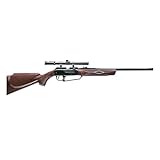
- ARS Mark8.3
ARS Mark is a ranking system developed by bestairriflescopes.com. ARS Mark has no relationship or impact from any manufacturers or sales agent websites. Learn more
- BrandDaisy

- ARS Mark8.7
ARS Mark is a ranking system developed by bestairriflescopes.com. ARS Mark has no relationship or impact from any manufacturers or sales agent websites. Learn more
- BrandCrosman

- ARS Mark7.5
ARS Mark is a ranking system developed by bestairriflescopes.com. ARS Mark has no relationship or impact from any manufacturers or sales agent websites. Learn more
- BrandUmarex

- ARS Mark8.3
ARS Mark is a ranking system developed by bestairriflescopes.com. ARS Mark has no relationship or impact from any manufacturers or sales agent websites. Learn more
- BrandUmarex

- ARS Mark7.9
ARS Mark is a ranking system developed by bestairriflescopes.com. ARS Mark has no relationship or impact from any manufacturers or sales agent websites. Learn more
- BrandUmarex
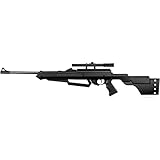
- ARS Mark9.5
ARS Mark is a ranking system developed by bestairriflescopes.com. ARS Mark has no relationship or impact from any manufacturers or sales agent websites. Learn more
- BrandBarra
Last update on 2026-07-27 / Affiliate links / Images, Product Titles, and Product Highlights from Amazon Product Advertising API
How To Purchase A Gun Online
Sticker shock hits fast after people realize the listed firearm price rarely reflects the full bill. Transfer fees, background checks, shipping charges, and local compliance rules can quietly pile on before the firearm ever reaches the counter. That’s where How To Purchase A Gun Online becomes more than a casual internet search. A smoother buying experience usually starts with careful planning, realistic expectations, and knowing exactly where hidden problems tend to show up.
Know Your State And Local Restrictions
State laws create some of the biggest headaches in online firearm purchases. A handgun approved in one state may face magazine restrictions, waiting periods, or outright bans somewhere else. Plenty of buyers get excited about a deal, complete the checkout process, then discover the firearm can’t legally transfer to their local dealer. That frustration wastes both time and money, especially after paying non-refundable shipping charges.
Legal compliance should always come before browsing flashy firearm listings. Federal law generally requires online firearm purchases to ship to a licensed dealer rather than directly to a residence. That dealer then conducts the background check and final transfer paperwork. Skipping research or assuming every seller automatically handles compliance details can create a nasty surprise halfway through the process.
Local ordinances also matter more than many expect. Some counties and cities add their own restrictions related to magazine capacity, firearm registration, or ammunition purchases. Buyers sometimes focus only on federal rules and completely miss local requirements until the transfer gets delayed. A few minutes spent checking local regulations can prevent weeks of frustration later.
Experienced firearm owners usually keep a short list of trusted local FFL dealers before buying online. That step sounds small, yet it makes the process dramatically easier. Dealers vary quite a bit in transfer fees, communication speed, and willingness to handle online orders. Some stores practically welcome transfers, while others act irritated the second the shipment arrives.
Compare Firearm Sellers Before Spending Money
A slick website doesn’t guarantee reliable service. Some firearm retailers update inventory accurately and communicate clearly, while others leave customers waiting days for basic order confirmations. Buyers often focus heavily on price and ignore seller reputation until problems appear. That’s usually the moment cheap deals stop looking so attractive.
Transparent policies separate dependable sellers from risky ones. A trustworthy firearm retailer normally explains shipping timelines, transfer requirements, return conditions, and payment policies upfront. Vague wording about “processing delays” or unclear refund procedures should raise concern immediately. Nobody enjoys chasing unanswered emails after several hundred dollars already left the bank account.
Inventory accuracy matters more than people realize. Some websites display firearms that technically aren’t available yet still accept orders anyway. That can leave buyers stuck in extended backorder situations with little communication. Reliable sellers typically provide updated stock information instead of creating confusion with outdated listings.
Customer reviews help, though they need a little skepticism. Angry comments sometimes come from buyers frustrated about legal restrictions rather than actual seller mistakes. On the flip side, endless glowing praise without specifics can feel suspicious too. Balanced feedback mentioning communication quality, shipping speed, and transfer support usually tells the more useful story.
Choose The Right Firearm For Real-Life Use
Impulse buying trips up a surprising number of people entering the firearm market. A pistol that looks sharp in online photos may feel awkward, snappy, or uncomfortable during actual use. Marketing images can’t explain recoil feel, grip shape, trigger pull, or sight visibility. That’s why practical thinking usually beats emotional buying.
Purpose-driven selection helps narrow choices quickly. A home-defense firearm serves a completely different role than a concealed carry handgun or a long-range hunting rifle. Buyers who ignore intended use often end up purchasing something difficult to handle or expensive to maintain. Firearms should fit realistic needs instead of internet fantasy scenarios.
Caliber selection deserves serious thought too. Some calibers remain widely available and reasonably priced, while others become difficult to locate during periods of high demand. Ammunition costs add up fast after repeated range trips. People sometimes buy uncommon calibers because the firearm looked interesting online, then regret it once they start paying for ammo.
Comfort matters more than ego. Larger calibers and ultra-lightweight handguns may sound appealing, but they can create unpleasant recoil for newer shooters. A firearm that feels manageable encourages regular practice and safer handling habits. Consistency usually matters far more than raw power for most practical situations.
Explore reliable firearm accessories before finalizing your setup through best bipod for ar 15 under 100 recommendations that focus on realistic field stability instead of flashy marketing promises.
Check Transfer Fees Before Checkout
Transfer fees catch first-time buyers off guard all the time. A firearm advertised at an attractive price can suddenly become far less appealing after adding transfer charges, shipping costs, and local taxes. Some dealers charge modest fees, while others stack surprisingly high administrative costs onto every incoming transfer. That difference changes the total purchase price quickly.
Budget awareness keeps expectations grounded. Buyers often focus entirely on the listed firearm price without calculating the full transaction cost. Smart shoppers contact local FFL dealers before ordering online and ask about transfer pricing upfront. That single phone call can prevent annoying surprises later.
Some dealers also charge storage fees if paperwork delays stretch too long. Background check delays occasionally happen for reasons completely unrelated to the buyer. A firearm sitting at the dealer for extended periods can trigger additional charges depending on store policy. Reading those details beforehand helps avoid unnecessary stress.
Shipping insurance deserves attention too. Firearms represent expensive purchases, and damaged shipments create serious frustration. Reliable retailers usually provide shipping protection options during checkout. Paying a little extra for secure handling often feels worthwhile compared to fighting through a lost or damaged package claim.
Avoid Common Online Firearm Scams
Scam websites pop up constantly, especially during periods of heavy firearm demand. Some fake retailers advertise unrealistically low prices to lure buyers into wire transfers or unprotected payment methods. Once the payment clears, communication disappears completely. That’s a brutal lesson for anyone rushing toward what looked like a bargain.
Suspicious pricing usually signals trouble. If a rare firearm suddenly appears far below normal market value, caution should kick in immediately. Legitimate sellers still compete on pricing, but extreme discounts often point toward fraud. A little skepticism can save hundreds or even thousands of dollars.
Payment methods reveal a lot about seller legitimacy. Reputable firearm retailers typically accept protected payment systems like major credit cards. Scam operations often push cryptocurrency, gift cards, or direct bank transfers because recovering those funds becomes difficult. Buyers should treat unusual payment demands as a serious warning sign.
Website quality alone doesn’t guarantee safety either. Some scam operations build surprisingly polished storefronts that look professional at first glance. Checking business history, customer reviews, and contact responsiveness provides a much clearer picture. Real firearm retailers usually maintain consistent communication and verifiable licensing information.
Prepare For The Background Check Process
Background checks create anxiety for some buyers, mostly because the process feels mysterious before experiencing it firsthand. Federal law generally requires licensed dealers to conduct the verification before transferring the firearm. That step applies whether the purchase started online or inside a physical store. Buyers expecting instant pickup sometimes feel surprised by the timing involved.
Accurate paperwork keeps the process moving smoothly. Small mistakes like incorrect addresses, mismatched identification details, or incomplete forms can slow things down quickly. Dealers handle these transactions daily, so paying close attention to instructions makes a noticeable difference. Rushing through paperwork rarely ends well.
Delays don’t automatically mean denial. Administrative reviews sometimes occur because of similar names, outdated records, or additional verification requirements. That waiting period frustrates plenty of buyers, yet patience matters during the process. Aggressive behavior toward store staff won’t speed anything up and usually creates unnecessary tension.
Government-issued identification should always match current residency information before starting the transfer. Expired documents or outdated addresses create avoidable complications. Buyers who organize paperwork ahead of time usually finish the transfer process with far less stress. Preparation saves time, and honestly, it saves nerves too.
Think Beyond The Firearm Itself
Owning a firearm involves more than completing the purchase. Safe storage, cleaning supplies, extra magazines, optics, and ammunition all become part of the long-term cost. Buyers focused only on the firearm price sometimes overlook the practical equipment needed afterward. Reality tends to hit hard during the first range trip.
Secure storage should never feel optional. A quality safe or lockable storage setup protects against unauthorized access and accidental handling. Smaller apartments, shared living spaces, and homes with children create extra responsibility. Responsible ownership starts long before the first round ever gets loaded.
Maintenance requirements also vary between firearm types. Some models tolerate neglect better than others, while certain platforms demand more frequent cleaning and lubrication. New owners often underestimate how much residue builds up after repeated shooting sessions. Learning basic maintenance early helps preserve reliability and long-term function.
Explore beginner-friendly shooting gear through best recurve bow for beginner setups that focus on manageable handling, smoother learning curves, and practical outdoor use without overwhelming new enthusiasts.
Best Way To Buy A Firearm Online Legally
Excitement fades pretty quickly after the firearm arrives at the dealer and the buyer suddenly realizes they skipped half the preparation work. Ammo hasn’t been purchased, storage plans feel rushed, and the firearm itself may not even fit comfortably in the hand. That’s where the best way to buy a firearm online legally becomes less about clicking “buy now” and more about building a setup that actually makes sense long term. Smart preparation saves money, reduces frustration, and keeps ownership far more practical.
Build A Safe Storage Plan Early
A firearm purchase without a storage plan creates unnecessary risk right out of the gate. Smaller apartments, shared homes, and busy households can complicate safe firearm access faster than people expect. Buyers sometimes assume they’ll “figure it out later,” but later usually turns into rushed decisions and weak security habits. Secure firearm storage should already be handled before pickup day arrives.
Quick-access safes appeal to many handgun owners because they balance accessibility with controlled access. Larger long-gun safes offer stronger protection, though they demand more floor space and a bigger budget. Some buyers underestimate how heavy full-size safes actually are until delivery day becomes a logistical nightmare. Measuring available space early helps avoid ugly surprises.
Humidity control matters too, especially in warmer climates or damp basements. Moisture buildup inside storage cases can slowly damage metal surfaces and internal components over time. Basic dehumidifier packs or safe-mounted rods help reduce that issue without adding much maintenance. Rust prevention becomes a whole lot easier with small preventative steps.
Travel habits also shape storage needs. Someone frequently transporting firearms to the range may benefit from lockable hard cases with reinforced corners and reliable latches. Cheap cases sometimes crack near the hinges after repeated use, which creates another annoying expense later. Spending carefully upfront often prevents replacing damaged gear within a few months.
Practice With The Firearm Before Modifying It
New owners often fall into the customization rabbit hole immediately after purchasing a firearm online. Extended magazines, upgraded triggers, optics, lights, and compensators start piling into shopping carts before the firearm even gets fired once. That approach sounds exciting, but it can hide the firearm’s natural strengths and weaknesses. Practical shooting experience should come first.
A stock firearm usually tells a more honest story about handling characteristics. Trigger weight, recoil impulse, grip comfort, and sight alignment become easier to evaluate without aftermarket parts muddying the experience. Plenty of people spend hundreds on upgrades before realizing the firearm itself doesn’t suit their shooting style. That’s an expensive lesson.
Range time also reveals smaller frustrations impossible to spot online. Some pistols develop hot spots on the hand after several magazines, while certain rifles feel awkward during standing shots. Others may function flawlessly but prove annoying to clean afterward. Real-world handling exposes those tradeoffs quickly.
Consistent practice matters more than cosmetic upgrades for most firearm owners. Familiarity with controls, reload habits, and recoil management builds confidence far faster than expensive accessories ever will. A simple, reliable setup usually beats a heavily modified firearm that barely gets used.
Explore affordable outdoor shooting setups through best compound bow under 300 options that focus on manageable performance, practical durability, and steady accuracy without draining the entire gear budget.
Learn Ammunition Costs Before Committing
Ammunition pricing changes how often many people actually practice. A firearm chambered in a rare or expensive caliber may look appealing online, but range sessions can become painfully expensive later. Buyers sometimes focus entirely on the firearm price and completely ignore long-term ammo costs. That mistake catches up fast.
Common calibers generally stay easier to locate during supply shortages. Popular options like 9mm or .223 Remington usually return to shelves faster after market spikes compared to niche calibers. Availability matters because inconsistent practice slows skill development. Nobody improves much by rationing ammo out of frustration.
Storage space deserves attention too. Ammunition piles up quicker than expected after a few bulk purchases. Proper containers help keep rounds dry, organized, and protected from moisture fluctuations. Tossing boxes loosely into closets or garages often leads to damaged packaging and poor organization.
Range ammunition and defensive ammunition also serve different purposes. Practice rounds typically prioritize affordability, while defensive loads focus more heavily on reliability and terminal performance. New firearm owners sometimes assume every box performs identically. Spending time learning those differences prevents expensive misunderstandings later.
Pay Attention To Warranty And Support
Warranty support becomes surprisingly important after the excitement of the initial purchase fades. Mechanical issues, damaged sights, feeding problems, or defective magazines occasionally happen even with respected firearm manufacturers. Buyers who skip warranty research may end up frustrated during repair requests later. Responsive customer support often matters just as much as the firearm itself.
Some manufacturers handle warranty claims quickly with prepaid shipping labels and clear communication. Others drag out response times or create confusing service procedures that test everyone’s patience. Reading real customer experiences about repair support usually reveals more than flashy marketing language. Practical ownership includes knowing how problems get handled after the sale.
Dealer support also affects the buying experience. Local FFL dealers willing to answer questions and inspect shipments carefully can save buyers from accepting damaged firearms unknowingly. Good communication helps smooth over issues before they turn into long disputes. A dependable dealer relationship becomes valuable over time.
Replacement part availability deserves consideration too. Certain firearm platforms support enormous aftermarket ecosystems, while others make basic parts difficult to locate. A broken extractor or damaged magazine shouldn’t require weeks of internet scavenger hunts. Widely supported firearms generally create fewer long-term headaches.
Separate Online Hype From Real Ownership
Internet firearm culture loves exaggeration. One reviewer claims a pistol feels flawless, another says the same firearm belongs in the trash, and suddenly new buyers feel stuck in the middle. Online opinions help narrow choices, but they shouldn’t replace hands-on evaluation and practical thinking. Realistic expectations usually lead to smarter purchases.
Social media clips rarely show boring ownership details like cleaning time, ammo sensitivity, or storage limitations. A compact handgun may look easy to carry online while actually feeling uncomfortable during all-day wear. Large rifles with aggressive accessories can become exhausting during extended range sessions. Real-life usage tells a much different story than polished internet photos.
Trendy firearms also tend to spike in price during popularity waves. Buyers chasing hype sometimes overpay for models that settle back to normal pricing months later. Patience saves money more often than people expect. The firearm market swings pretty hard depending on demand cycles and political news.
Balanced research usually beats emotional buying. Watching several reviews, handling similar firearms locally, and speaking with experienced owners creates a more grounded perspective. Internet excitement fades quickly once real ownership responsibilities show up.
Train Regularly Instead Of Relying On Ownership Alone
Buying a firearm doesn’t magically create skill or confidence. Plenty of people purchase firearms online, store them away, and barely practice afterward. Months later, basic handling feels awkward because familiarity never developed. Regular training matters far more than ownership itself.
Simple drills build useful habits without requiring expensive tactical courses. Safe loading procedures, trigger control, reload practice, and target transitions all improve through repetition. Even short range visits help maintain comfort with the firearm. Consistency beats intensity almost every time.
Dry-fire practice also helps sharpen handling skills without burning through ammunition. Safe dry-fire routines improve sight alignment and trigger discipline while costing virtually nothing. Some owners ignore dry-fire practice because it feels less exciting than live shooting. That’s unfortunate because the benefits add up quickly.
Airsoft platforms occasionally help newer shooters practice grip positioning, movement, and basic sight tracking before investing heavily in centerfire ammunition. Explore realistic training replicas through best airsoft glock options that mirror familiar handgun ergonomics while keeping practice sessions more affordable.
Think Long Term Before Buying Again
Impulse firearm collecting drains budgets fast. One online purchase turns into another before the first firearm even gets properly used. Accessories pile up, ammunition stock becomes inconsistent, and safe space disappears quicker than expected. Long-term planning keeps ownership more organized and financially manageable.
Experienced firearm owners often focus on versatility instead of sheer quantity. A dependable handgun, practical rifle, and manageable shotgun typically cover most realistic needs without creating unnecessary clutter. Constantly chasing every new release rarely improves actual shooting ability. Familiarity usually matters more than variety.
Maintenance time increases with every additional firearm too. Cleaning schedules, lubrication checks, optic battery replacements, and storage management become harder to track across oversized collections. Some people enjoy that hobby side of ownership, while others quickly realize it feels overwhelming. Honest self-assessment helps avoid regret purchases.
Intentional buying habits create a smoother ownership experience over time. Firearms chosen carefully for practical reasons tend to stay useful much longer than purchases driven entirely by internet trends or temporary excitement. Thoughtful ownership usually feels less stressful, less expensive, and far more rewarding after the novelty wears off.


12 Best 22 Pcp Air Rifle For Hunting of 2026 With Quiet Power

7 Best 22 Pcp Air Rifle Under 300 of 2026 For Backyard Pest Control

10 Best 22 Break Barrel Air Rifles of 2026 For Backyard Pest Control

10 Best 30 Caliber Pcp Air Rifle of 2026 For Medium Game

Top Best 177 Air Rifle Under 100: Budget-Friendly Picks for 2026

How to Safely Reload Shotgun Shells at Home

11 Best Co2 Air Rifle For Pest Control of 2026 To Ensure Humane Dispatch

12 Best Inexpensive Air Rifles of 2026 For Dependable Backyard Accuracy






