
How To Put A Sling On A Rifle Without Hassle

How To Put A Sling On A Rifle sounds simple until the sling twists sideways, loosens halfway through a walk, or digs into your shoulder like a sack of bricks. Plenty of people grab a sling, clip it on fast, and figure the job’s done. Then the rifle swings awkwardly, bangs against gear, or refuses to sit comfortably while moving through rough ground. Small setup mistakes create big annoyances, especially during long range sessions or early morning hunts.
Proper sling placement changes the entire feel of a rifle. A well-balanced setup keeps the firearm closer to the body, cuts down shoulder strain, and makes transitions smoother during movement. Also, the mounting position matters more than most expect. Front and rear attachment points affect stability, carry angle, and how quickly the rifle can be shouldered when timing suddenly matters.
Different sling styles create completely different experiences. A traditional two-point sling keeps things steady and practical for general carry, while adjustable tactical slings allow quicker movement in tighter spaces. Single-point setups feel fast and flexible, though they can bounce around more than expected during long walks. That tradeoff catches many people off guard after only a few minutes outdoors.
Comfort becomes a bigger deal the longer a rifle stays on your shoulder. Thin straps may feel fine at first, but after miles of walking, pressure builds fast. Wider padded slings spread weight more evenly and reduce fatigue during extended trips. Little details like quick-adjust tabs, swivels, and attachment hardware also make a noticeable difference once weather, gloves, and muddy conditions enter the picture.
Rifle sling installation also depends heavily on the firearm itself. Some rifles include factory sling studs, while others need M-LOK mounts, QD sockets, or rail adapters. Trying to force the wrong hardware into place usually leads to rattling parts, poor balance, or scratched finishes. Matching the sling system to the rifle setup keeps everything secure without unnecessary headaches.
Then there’s movement. A poorly adjusted sling lets the rifle flop around with every step, which gets irritating real fast. A properly tightened setup keeps the rifle snug without restricting access. That balance between mobility and retention separates a comfortable carry from an awkward one. Once adjusted correctly, carrying the rifle starts feeling natural instead of clunky.
How To Put A Sling On A Rifle isn’t only about attaching straps and hardware. It’s about improving control, reducing strain, and creating a setup that actually works in realistic conditions. Mud, uneven terrain, layered clothing, and long hours outside expose weak setups quickly. A solid sling arrangement keeps movement smoother, handling steadier, and frustration way down when conditions stop playing nice.

- ARS Mark9.2
ARS Mark is a ranking system developed by bestairriflescopes.com. ARS Mark has no relationship or impact from any manufacturers or sales agent websites. Learn more
- BrandDDOUT

- ARS Mark9.2
ARS Mark is a ranking system developed by bestairriflescopes.com. ARS Mark has no relationship or impact from any manufacturers or sales agent websites. Learn more
- BrandVVAAGG

- ARS Mark9.0
ARS Mark is a ranking system developed by bestairriflescopes.com. ARS Mark has no relationship or impact from any manufacturers or sales agent websites. Learn more
- BrandUnderAlert
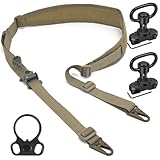
- ARS Mark9.0
ARS Mark is a ranking system developed by bestairriflescopes.com. ARS Mark has no relationship or impact from any manufacturers or sales agent websites. Learn more
- BrandWarBull

- ARS Mark9.0
ARS Mark is a ranking system developed by bestairriflescopes.com. ARS Mark has no relationship or impact from any manufacturers or sales agent websites. Learn more
- BrandHUNTPAL

- ARS Mark8.8
ARS Mark is a ranking system developed by bestairriflescopes.com. ARS Mark has no relationship or impact from any manufacturers or sales agent websites. Learn more
- BrandBlue Force Gear
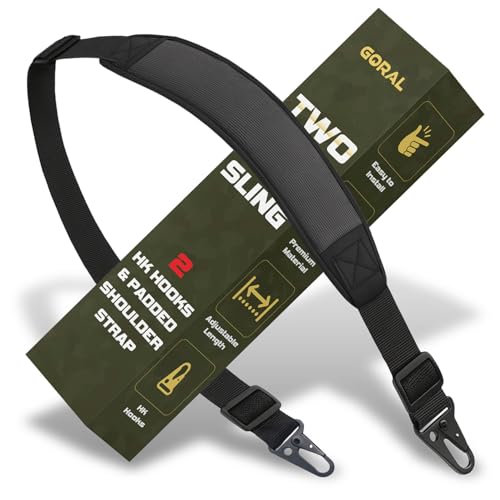
- ARS Mark8.8
ARS Mark is a ranking system developed by bestairriflescopes.com. ARS Mark has no relationship or impact from any manufacturers or sales agent websites. Learn more
- BrandGORAL
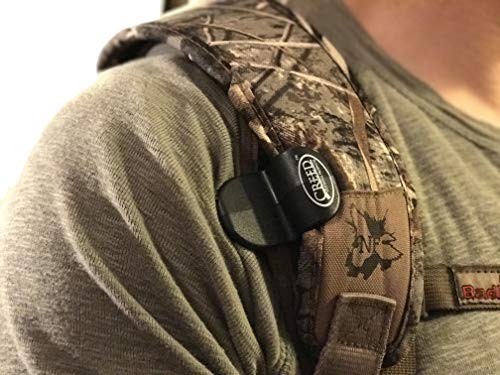
- ARS Mark8.6
ARS Mark is a ranking system developed by bestairriflescopes.com. ARS Mark has no relationship or impact from any manufacturers or sales agent websites. Learn more
- BrandSling Saddle

- ARS Mark8.4
ARS Mark is a ranking system developed by bestairriflescopes.com. ARS Mark has no relationship or impact from any manufacturers or sales agent websites. Learn more
- BrandGejoy

- ARS Mark8.2
ARS Mark is a ranking system developed by bestairriflescopes.com. ARS Mark has no relationship or impact from any manufacturers or sales agent websites. Learn more
- BrandUnderAlert
Last update on 2026-05-31 / Affiliate links / Images, Product Titles, and Product Highlights from Amazon Product Advertising API
How To Put A Sling On A Rifle
Long walks through rough terrain can turn irritating fast if a rifle keeps sliding off your shoulder or smacking into your side every few steps. Cheap mounting setups, loose straps, and poorly placed sling points create more frustration than most people expect. A properly fitted sling changes that experience completely, and how to put a sling on a rifle becomes less about hardware and more about comfort, control, and staying steady during real movement. Small adjustments often create the biggest difference, especially during extended range days, hunting trips, or outdoor training sessions where fatigue creeps in quietly.
Why Sling Placement Matters
A rifle sling does far more than carry weight from one point to another. Poor placement creates awkward balance, uneven pressure on the shoulder, and annoying swinging that gets old within minutes. Proper positioning keeps the rifle stable against the body while still allowing quick access. That balance between comfort, mobility, and weapon retention matters more than people usually realize.
Front sling attachment points heavily influence how the muzzle sits during movement. Mounting too close to the center often causes the barrel to drift unpredictably while walking. Moving the front attachment farther forward helps keep the rifle flatter against the body. That small shift reduces unnecessary movement and improves stability during hikes or uneven terrain.
The rear sling position affects shoulder comfort and transition speed. A rear attachment near the stock's end creates a more traditional carry feel, while closer mounting points allow faster transitions for tighter movement. Neither setup is automatically better. Terrain, rifle size, and personal preference all shape what feels practical during actual use.
Rifles with poor sling balance quickly become tiring. Shoulder fatigue builds gradually, especially with optics, loaded magazines, and added accessories increasing total weight. A properly balanced sling setup spreads weight more evenly and reduces strain across the upper back. Explore smoother carrying techniques with best compound bow for bad shoulders for additional ideas on reducing shoulder fatigue during long outdoor sessions.
Choosing The Right Sling Style
Different sling styles create completely different carrying experiences. Two-point slings remain popular because they offer a practical mix of control and simplicity. The rifle stays relatively secure while still allowing fast shoulder transitions. That versatility works well for hunting, recreational shooting, and general outdoor movement.
Single-point slings feel faster and more flexible at first glance. The rifle hangs centrally and allows rapid movement from shoulder to shoulder. Still, they come with tradeoffs. Rifles attached with single-point setups tend to bounce around while walking, especially during longer distances or uneven ground.
Three-point slings exist too, though they can feel cluttered if improperly adjusted. Extra straps sometimes snag on gear or clothing during movement. Some shooters appreciate the added retention, while others find the complexity irritating after prolonged use. Personal comfort plays a huge role here.
Quick-adjust slings continue gaining popularity because field conditions change constantly. Tightening the rifle close to the chest during hikes and loosening it during shooting sessions improves overall flexibility. That adjustability becomes especially useful during cold weather when jackets and layered clothing change how the sling fits across the body.
Installing Sling Swivels Correctly
Sling swivels might seem like tiny hardware pieces, but weak installation causes endless headaches. Loose swivels rattle, shift unexpectedly, or fail under pressure. Solid attachment hardware keeps the rifle secure and prevents unnecessary movement during carry. Spending extra time checking swivel fitment saves frustration later.
Most traditional rifles already include sling studs built into the stock. Attaching swivels usually requires pressing the swivel latch and locking it into place securely. That part sounds easy enough, though poorly seated swivels sometimes pop loose during movement. Giving each attachment point a firm tug helps confirm proper installation.
Modern rifles often use QD sockets instead of standard studs. QD systems allow quick attachment and removal without tools, which makes transportation and storage easier. Dirt and grit can interfere with locking mechanisms over time, though. Regular inspection keeps the connection reliable.
M-LOK and Picatinny rail systems require compatible sling mounts. Trying to force mismatched hardware almost always creates alignment problems or loose connections. Stable mounting matters because rifle movement increases significantly once extra accessories add weight. Reliable attachment hardware keeps the sling from becoming the weakest part of the setup.
Adjusting Sling Length Properly
A sling that's too loose quickly turns irritating. The rifle swings around while walking, smacks against knees or gear, and becomes harder to stabilize quickly. Tightening the sling closer to the body reduces unnecessary movement while improving overall comfort. That simple adjustment often solves half the complaints people have about slings.
Over-tightening creates a different set of problems. A rifle strapped too tightly against the chest slows shoulder transitions and restricts movement during awkward positioning. Quick access matters, especially in unpredictable outdoor situations. The ideal adjustment keeps the rifle secure without feeling restrictive.
Standing posture changes sling fit more than expected. Thick jackets, chest rigs, or backpacks all affect how the rifle hangs across the body. Sling adjustments that feel perfect indoors may feel awkward outdoors after several hours. Minor tweaks throughout the day are completely normal.
Practical movement testing helps expose weak adjustments quickly. Walking, kneeling, crouching, and transitioning shoulders reveal whether the sling setup actually works under motion. Compare lightweight carrying setups with best arrows for youth compound bow to see how balance and weight distribution impact long outdoor sessions.
Common Sling Installation Mistakes
Twisted straps create discomfort surprisingly fast. A sling that folds or rolls under shoulder pressure digs into clothing and skin during extended use. Straightening the strap before tightening everything down prevents unnecessary irritation later. That tiny detail often gets ignored during rushed installations.
Mounting hardware backward causes another common issue. Some swivels and QD mounts rotate differently depending on orientation. Improper placement limits movement and creates awkward rifle angles during carry. Paying attention to swivel direction improves natural movement immediately.
Cheap hardware creates long-term reliability problems. Weak clips, thin plastic buckles, or poorly machined mounts eventually loosen under repeated movement. Sling systems endure constant tension, dirt exposure, and shifting weight outdoors. Durable hardware reduces the chance of unexpected failures during heavy use.
People also tend to ignore sling width. Narrow slings concentrate pressure into smaller areas, which becomes uncomfortable after long hikes or range days. Wider padded slings spread weight more evenly across the shoulder. That added comfort becomes noticeable faster than most expect.
Carrying Techniques That Reduce Fatigue
Traditional shoulder carry works fine for short movement, though fatigue builds quickly with heavier rifles. Keeping the sling diagonally across the chest distributes weight more evenly and prevents the rifle from sliding constantly. That method also improves retention during uneven terrain or crowded environments. Small changes in carry style often make long sessions far less exhausting.
Patrol carry positions keep the rifle accessible while reducing arm strain. The firearm stays centered against the chest instead of hanging loosely off one shoulder. That positioning improves balance and reduces swinging movement during fast walking. It also helps protect optics and accessories from accidental impacts.
Back carry methods work better for steep climbs or extended movement where immediate access matters less. The rifle stays more secure behind the shoulder while leaving both hands free for climbing or gear management. Loose sling adjustments create problems here, though. Rifles shift unpredictably if the sling isn't tightened properly.
Fatigue rarely appears instantly. Shoulder strain builds gradually after miles of movement, especially with heavy optics or loaded magazines attached. A comfortable sling setup reduces tension across the neck and upper back. That extra comfort often extends shooting focus and overall endurance during long outdoor sessions.
Weather And Outdoor Conditions
Rain changes how sling materials behave. Nylon straps absorb less moisture than some padded cloth designs, which helps maintain lighter carry weight during wet conditions. Waterlogged slings feel heavier and dry slowly once soaked. Material choice matters more during multi-day outdoor trips than casual range sessions.
Mud and dirt create problems for adjustable buckles and QD mounts. Fine debris works its way into moving parts and gradually affects smooth adjustment. Cleaning sling hardware regularly prevents stiffness and unexpected sticking. Neglected hardware becomes frustrating fast once conditions turn rough.
Cold weather changes how slings feel across heavy jackets and gloves. Thick winter layers alter sling length significantly, often requiring adjustment before movement feels comfortable again. Gloves also make smaller adjustment tabs harder to manipulate. Larger pull tabs become surprisingly helpful once temperatures drop.
Hot weather creates different annoyances altogether. Sweat buildup increases friction and irritation around the neck and shoulder during long walks. Breathable padded slings reduce rubbing and discomfort better than narrow straps. Comfort becomes increasingly important once heat and humidity start draining energy throughout the day.
Rifle Types And Sling Compatibility
Lightweight hunting rifles typically balance differently than tactical carbines or precision rifles. A slim bolt-action rifle often feels comfortable with a simple two-point sling setup. Heavy rifles carrying bipods, optics, and accessories usually benefit from wider padded slings that spread weight more evenly. Matching the sling to the rifle setup improves handling noticeably.
AR-style rifles frequently use QD sockets or rail-mounted sling points for flexibility. Those systems allow rapid adjustment depending on optics, body armor, or carrying style. Sling placement closer to the receiver increases maneuverability in tighter spaces. Farther mounting points improve stability during longer movement.
Precision rifles create additional challenges because of extra weight and bulk. Thin slings become uncomfortable quickly once large scopes and heavy barrels enter the equation. Wider padded designs reduce shoulder fatigue during transport between shooting positions. Stability matters more once rifles become heavier and less compact.
Compact carbines usually prioritize faster movement and easier transitions. Single-point or quick-adjust slings feel more practical for shorter rifles with lighter setups. Still, lighter rifles can swing around aggressively if the sling adjustment stays too loose. Stable retention prevents constant repositioning during movement.
Improving Stability During Shooting
A rifle sling can actually improve shooting stability when used correctly. Tightening the sling against the support arm creates additional tension that helps steady the rifle during standing shots. Competitive shooters have relied on sling-supported positions for decades because the added stability genuinely helps. Small adjustments in tension can noticeably affect sight movement.
Loop sling techniques provide even greater support for precision shooting positions. Wrapping the sling around the support arm creates a firmer shooting platform while reducing muscle fatigue. The setup takes practice, though. Incorrect tension often creates more wobble instead of less.
Prone shooting positions also benefit from proper sling adjustment. A stable sling setup keeps the rifle more controlled while reducing shoulder strain during longer sessions behind the optic. Tight, consistent tension helps maintain steadier positioning across uneven ground. That extra support becomes especially useful during slower precision shooting.
Explore steadier hand positioning techniques with best finger tab for traditional archery to improve consistency and reduce fatigue during extended shooting sessions. Small adjustments in support gear often create more noticeable results than expected once hours of repetition enter the picture.
Best Way To Attach A Rifle Sling Securely
Nothing ruins a long day outdoors faster than a rifle that constantly shifts, digs into your shoulder, or swings around every time you crouch down. Bad sling setups feel manageable at first, then slowly become exhausting after miles of movement or hours at the range. A secure carry system changes the entire experience, especially once rifle balance, comfort, and quick access all start working together naturally. Small setup decisions often separate a frustrating carry from one that feels smooth and controlled all day long.
How Sling Position Changes Rifle Control
Rifle movement becomes much easier to manage once the sling sits in the correct position. Front-heavy setups often cause the barrel to dip constantly during movement, which becomes irritating fast during long walks. A properly placed front attachment helps distribute weight more evenly across the shoulder and chest. That little adjustment reduces swinging while improving overall control.
Rear sling placement affects comfort more than many people expect. Mounting too far back sometimes causes the stock to pull awkwardly against the shoulder during transitions. Shifting the rear point slightly forward creates smoother movement and better balance during active carry. Those small changes matter a lot once heavier optics or accessories enter the setup.
Tighter sling positioning usually improves rifle retention in rough terrain. Loose slings tend to bounce around during climbs, uneven trails, or quick movement between positions. Keeping the rifle closer to the body reduces unnecessary shifting and protects mounted accessories from accidental bumps. Stability becomes especially noticeable after several hours outdoors.
Body size and clothing layers also change how a sling fits. Heavy winter jackets, backpacks, or chest rigs alter rifle position more than people expect. Sling setups that feel fine indoors sometimes become awkward once extra gear enters the picture. Constant minor adjustments are completely normal during real outdoor use.
Differences Between Fixed And Adjustable Slings
Fixed slings keep things simple, and plenty of shooters still prefer them for hunting rifles or lightweight setups. Once adjusted correctly, they stay consistent without requiring much attention during use. That simplicity feels refreshing for people who dislike fiddling with straps every few minutes. Fewer moving parts also mean fewer things that can loosen unexpectedly.
Adjustable slings provide far more flexibility during movement. Tightening the rifle close to the chest while hiking keeps things secure, then loosening it for shooting improves mobility. Quick-adjust tabs become especially useful during changing terrain or awkward shooting positions. That adaptability helps reduce fatigue during longer outings.
Some adjustable systems include oversized pull tabs for easier use with gloves. Cold weather turns tiny adjustment hardware into a real annoyance surprisingly fast. Larger tabs make sling adjustments smoother without forcing shooters to remove gloves constantly. Comfort details like that become noticeable during harsh outdoor conditions.
Quick-adjust systems do have limitations, though. Extra hardware increases bulk slightly, and cheaper adjustment buckles sometimes loosen during repeated movement. Reliable materials matter because slings endure constant tension, friction, and exposure to dirt or moisture. Strong stitching and dependable buckles hold up better over time.
Reducing Shoulder Fatigue During Long Carry
Heavy rifles create shoulder strain much faster than most people expect. Optics, bipods, loaded magazines, and mounted lights add weight gradually until carrying becomes uncomfortable halfway through the day. Wider slings spread that pressure across a larger surface area, reducing sharp pressure points. That simple change often improves endurance immediately.
Padded slings help reduce irritation during extended movement, especially with heavier setups. Thin straps tend to dig into the shoulder after miles of walking, particularly through uneven terrain. Extra padding softens that pressure while keeping the rifle more stable against the body. Comfort becomes increasingly important during long-range sessions or hunting trips.
Sling material affects comfort too. Some synthetic materials feel stiff against the neck or trap heat during warm weather. Softer padded designs usually feel more comfortable during long use, though they may absorb more moisture during rain. Every setup involves tradeoffs depending on weather and terrain.
Explore lightweight carry setups and shoulder-friendly gear with best draw weight for recurve bow beginner to reduce strain during long outdoor practice sessions. Comfortable support gear helps maintain focus once fatigue starts creeping in slowly.
Using QD Mounts And Rail Systems
QD sling systems became popular for good reason. Quick-detach mounts allow fast removal during transport, storage, or maintenance without needing extra tools. That flexibility feels convenient once rifles start carrying multiple accessories or different sling setups. A reliable QD system also helps simplify cleaning routines.
Cheap QD mounts create problems quickly. Loose locking systems rattle during movement or shift under tension, which becomes distracting fast. Solid steel mounts usually stay more secure than lower-grade alternatives during repeated use. Durability matters because sling points absorb constant stress while moving.
M-LOK and Picatinny systems allow more flexibility for front sling placement. Positioning the mount farther forward improves rifle stability during carry, while closer mounting increases maneuverability in tighter spaces. Different rifles respond differently depending on overall balance and barrel length. Testing several positions often reveals what feels most natural.
Dirt and debris eventually affect moving hardware. Mud, dust, and moisture work into QD buttons and rail mounts over time, especially during rough outdoor use. Occasional cleaning keeps everything functioning smoothly and reduces the risk of sticking or partial locking. Reliable hardware becomes more important the farther you travel from easy repairs.
Practical Carry Positions For Real Movement
Traditional shoulder carry feels natural for short distances, though heavier rifles quickly expose its limitations. Rifles slide backward, shift unevenly, or bounce around while climbing over rough terrain. Cross-body carry positions usually distribute weight more evenly while improving overall retention. That extra stability reduces constant readjustment during movement.
Patrol carry positions keep the rifle centered against the chest for easier access. This setup improves balance and prevents excessive swinging while walking. It also keeps optics and accessories more protected from impacts against rocks, brush, or vehicle interiors. Controlled positioning reduces unnecessary wear over time.
Back carry methods free up both hands during steep climbs or difficult terrain. Tight sling adjustment becomes important here because loose rifles shift unpredictably while walking. A stable setup keeps the rifle from drifting sideways or slamming into gear during movement. Proper tension matters more once trails become uneven.
Transition speed changes depending on sling position too. Loose setups allow faster shoulder transitions but sacrifice stability during movement. Tighter setups improve retention while slightly slowing access. Personal preference, rifle size, and intended use all influence which compromise feels practical.
Keeping Sling Hardware Reliable
Hardware failure usually starts small. A loose swivel, weak buckle, or worn strap might not seem serious until movement causes the rifle to shift unexpectedly. Regular inspection prevents most problems before they become frustrating or dangerous. Sling systems absorb constant tension every time the rifle moves.
Metal swivels generally outlast thin plastic alternatives during rough use. Plastic components save weight, though repeated stress and temperature changes eventually wear them down faster. Cold weather especially exposes weaker materials once plastic becomes brittle. Reliable mounting hardware handles outdoor abuse more consistently.
Stitching quality matters just as much as hardware strength. Weak stitching near adjustment points often frays after repeated movement and weight shifts. Heavy rifles create constant stress on sling seams during long carry sessions. Reinforced stitching improves long-term durability noticeably.
Moisture creates another problem many people overlook. Wet slings absorb dirt and sweat over time, especially after repeated outdoor trips. Cleaning straps occasionally prevents grime buildup and helps preserve flexibility. Neglected slings gradually stiffen and become less comfortable against the shoulder.
How Sling Tension Affects Accuracy
Rifle slings can improve stability during shooting if adjusted properly. Tightening the sling against the support arm creates tension that helps steady the rifle during standing shots. Competitive shooters have used sling tension techniques for years because the added support genuinely helps reduce movement. Small adjustments in tension often produce noticeable results.
Prone shooting positions benefit heavily from stable sling support. A properly tightened sling reduces shoulder fatigue while helping maintain a consistent position behind the rifle. Long shooting sessions become more manageable once muscle strain decreases slightly. Stability matters more during precision-focused shooting.
Loop sling techniques provide additional support but require practice. Improper tension often creates awkward positioning instead of improving stability. New shooters sometimes overtighten the sling and end up fighting against the rifle rather than controlling it smoothly. Patience and repetition matter here.
Support gear influences consistency more than many expect. Explore steady shooting accessories and grip techniques with best nitro piston air pistol to improve overall handling and reduce fatigue during longer practice sessions. Small support adjustments often sharpen consistency faster than expected.
Mistakes That Make Rifle Slings Annoying
Twisted slings create discomfort almost immediately. A rolled strap digs into the shoulder and neck during movement, especially once heavier rifles enter the setup. Straightening the sling fully before tightening everything down prevents unnecessary irritation later. Tiny setup details often create the biggest comfort improvements.
People also tend to overtighten slings trying to reduce movement. That approach limits mobility and slows shoulder transitions, particularly during awkward shooting positions. A little movement is normal and usually preferable to a setup that feels restrictive. Balance matters more than total rigidity.
Cheap padding creates another common issue. Some padded slings flatten quickly after repeated use, losing most of their cushioning within months. Better padding materials maintain support longer during heavy outdoor use. Comfort becomes increasingly important once long hikes or extended range days pile up.
Ignoring rifle balance causes endless frustration too. Front-heavy rifles behave differently than lightweight carbines or slim hunting rifles. Sling placement should complement the rifle's weight distribution instead of fighting against it. A balanced setup simply feels smoother and less tiring during real-world movement.


12 Best 22 Pcp Air Rifle For Hunting of 2026 With Quiet Power

7 Best 22 Pcp Air Rifle Under 300 of 2026 For Backyard Pest Control

10 Best 22 Break Barrel Air Rifles of 2026 For Backyard Pest Control

10 Best 30 Caliber Pcp Air Rifle of 2026 For Medium Game

Top Best 177 Air Rifle Under 100: Budget-Friendly Picks for 2026

How to Safely Reload Shotgun Shells at Home

11 Best Co2 Air Rifle For Pest Control of 2026 To Ensure Humane Dispatch

12 Best Inexpensive Air Rifles of 2026 For Dependable Backyard Accuracy






