
How to Put on a Finger Tab for Archery Right

How to put on a finger tab for archery sounds simple at first glance, yet plenty of shooters still end up wearing it backward, tightening it too much, or placing the leather in a way that throws off the release. Tiny setup mistakes can turn a smooth shot into a frustrating mess. Fingers start aching, arrows drift sideways, and confidence drops faster than expected. A properly fitted tab changes the whole rhythm of shooting because the string slides cleaner and the hand stays more relaxed through the draw.
New archers often wrestle with stiff leather, awkward finger placement, and straps that never seem to sit comfortably. One minute the tab feels loose, then suddenly it pinches during anchor. That inconsistency creates hesitation, especially during longer practice sessions where hand fatigue sneaks in quietly. A stable setup helps maintain clean release mechanics, better comfort, and steadier shot timing without overthinking every movement.
Finger tabs aren't all shaped the same either, and that's where confusion creeps in. Split-finger styles feel different from three-under tabs, while adjustable shelves and finger spacers can either help or annoy depending on hand shape. Some archers prefer a snug fit that barely moves, while others want a little flexibility during anchor. The trick isn't copying somebody else's setup. It's building a feel that supports consistent string contact and keeps pressure evenly distributed across the fingers.
Leather thickness also plays a bigger role than many realize. Thin material gives sharper string feedback but can sting after repeated shots, especially with heavier draw weights. Thick leather softens pressure nicely, though it sometimes dulls the release until broken in properly. That's why experienced shooters spend time adjusting, trimming, and softening tabs instead of using them straight out of the package. Small changes create surprisingly noticeable differences in shot comfort and overall control.
Moisture, sweat, and repeated shooting gradually reshape the tab too. A setup that felt great during the first week may suddenly twist or slide after heavy practice. That's perfectly normal. Finger tabs slowly mold to the hand over time, and occasional readjustments keep them working smoothly instead of becoming a distraction at full draw.
Archery rewards repeatable habits more than brute force. A properly worn finger tab supports that repeatability by reducing friction, protecting sensitive skin, and helping the string leave the fingers evenly. Once the fit feels natural, attention shifts away from sore fingertips and back toward aiming, breathing, and follow-through. That smoother shooting cycle is exactly why learning how to put on a finger tab for archery the right way matters far more than most people expect.

- ARS Mark9.4
ARS Mark is a ranking system developed by bestairriflescopes.com. ARS Mark has no relationship or impact from any manufacturers or sales agent websites. Learn more
- BrandBICASTER
- ARS Mark9.4
ARS Mark is a ranking system developed by bestairriflescopes.com. ARS Mark has no relationship or impact from any manufacturers or sales agent websites. Learn more
- BrandBICASTER
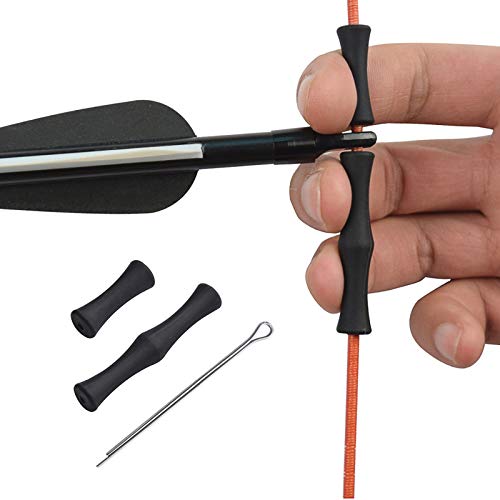
- ARS Mark9.0
ARS Mark is a ranking system developed by bestairriflescopes.com. ARS Mark has no relationship or impact from any manufacturers or sales agent websites. Learn more
- BrandEOUS

- ARS Mark8.8
ARS Mark is a ranking system developed by bestairriflescopes.com. ARS Mark has no relationship or impact from any manufacturers or sales agent websites. Learn more
- BrandHide & Drink

- ARS Mark8.6
ARS Mark is a ranking system developed by bestairriflescopes.com. ARS Mark has no relationship or impact from any manufacturers or sales agent websites. Learn more
- BrandRingsun

- ARS Mark8.6
ARS Mark is a ranking system developed by bestairriflescopes.com. ARS Mark has no relationship or impact from any manufacturers or sales agent websites. Learn more
- BrandMiokun

- ARS Mark8.2
ARS Mark is a ranking system developed by bestairriflescopes.com. ARS Mark has no relationship or impact from any manufacturers or sales agent websites. Learn more
- BrandZelerdo
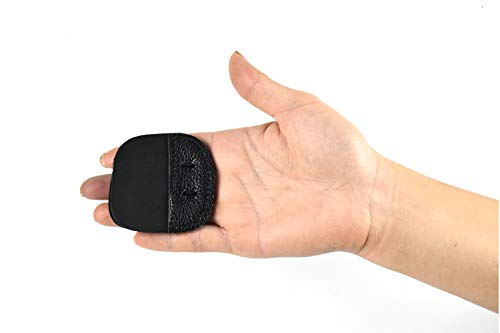
- ARS Mark7.8
ARS Mark is a ranking system developed by bestairriflescopes.com. ARS Mark has no relationship or impact from any manufacturers or sales agent websites. Learn more
- BrandWindfulogo

- ARS Mark7.6
ARS Mark is a ranking system developed by bestairriflescopes.com. ARS Mark has no relationship or impact from any manufacturers or sales agent websites. Learn more
- BrandBear Archery
Last update on 2026-05-27 / Affiliate links / Images, Product Titles, and Product Highlights from Amazon Product Advertising API
How to Put on a Finger Tab for Archery
Pulling back a bowstring shouldn’t leave your fingers screaming or your accuracy wobbling. Sore fingertips, inconsistent releases, and uneven pressure make shooting more frustrating than fun. Grasping the right setup from the start creates a rhythm where the string glides cleanly and the hand stays relaxed. Knowing how to put on a finger tab for archery correctly ensures smoother shots and steadier aim without fighting the leather or straps.
Finger Tab Fit Basics
The snugness of a tab matters more than most shooters expect. Too tight, and circulation suffers, creating numbness and stiffness; too loose, and the tab slides around, throwing off accuracy and release consistency. A proper fit keeps the leather stable across all fingers while letting the string slide effortlessly. Adjust the strap just enough to secure the tab without cramping movement, giving both comfort and control. Paying attention to these details builds a foundation for better shooting rhythm immediately.
Leather thickness influences how the tab feels at anchor. Thin leather allows sharper string contact but may sting after repeated shots, while thicker leather softens pressure and adds durability. Over time, any tab molds slightly to the hand, improving comfort and consistency with every draw. Checking fit before practice helps prevent unnecessary finger fatigue, keeping sessions productive. Minor tweaks can make a major difference in hand alignment and follow-through.
Finger placement depends on shooting style. Three-under and split-finger techniques change where the string meets the fingers, affecting how force distributes across the hand. Using the right positioning ensures the string leaves cleanly and reduces torque on the bow. Practicing with proper alignment reinforces muscle memory, which translates into smoother, more predictable shots. Understanding this balance is essential for consistent string release.
Some tabs include finger spacers, shelves, or adjustable features. These additions enhance consistency and prevent accidental sliding during anchor. Test different setups to see what complements your hand shape, draw length, and preferred shooting style. A well-chosen tab eliminates minor frustrations and reinforces confidence in every draw.
Leather Orientation and Protection
Incorrect leather placement can change shot dynamics dramatically. Folded corners or rough edges might rub or catch the string, causing uneven releases and soreness. Ensure the smooth side contacts the string while the tab contours to the curve of the fingers. This setup reduces friction and finger trauma while supporting clean, repeatable releases. Paying attention to orientation prevents common mistakes that subtly erode performance over time.
Additional protection can be added with leather softeners or breaking-in routines. Proper conditioning keeps material flexible, reducing pinch points and enhancing comfort. Experienced archers often spend a few sessions breaking in new tabs to avoid sudden pressure points. Soft, well-aligned leather supports sustained practice and long-term finger comfort.
Moisture and sweat influence leather behavior. Slight dampening may make the tab cling to the string differently, altering release feel. Maintaining dry hands or using absorbent solutions ensures consistency across shots. Tab maintenance is a small but crucial detail for reliable performance and durability.
Check for tears or wear in high-friction areas. Over time, damage can cause uneven string contact and unexpected finger pain. Early detection and replacement safeguard both hand comfort and shooting accuracy. Leather upkeep ensures that key factors of protection and control remain intact throughout frequent practice.
Anchor Point and Hand Alignment
Anchor placement directly affects how the arrow leaves the bow. Misaligned hand position may rotate the wrist or twist the fingers, creating inconsistencies. A finger tab helps standardize contact across shots, letting the string exit smoothly every time. Consistent hand alignment reduces torque and promotes repeatable shot mechanics. Practicing precise placement ensures the tab complements your anchor rather than interferes with it.
Some archers mark spots on the tab for finger contact points. This visual cue encourages consistent placement across different sessions and prevents slipping during full draw. Maintaining a steady anchor is easier when the tab supports the natural contour of the fingers. Small refinements in position lead to substantial improvements in shot precision.
Finger spacing on the tab also influences power distribution. Even subtle deviations can tilt the arrow mid-release. Ensuring proper separation of fingers helps the string travel in a straight line and reduces lateral force. Adjusting placement gradually trains the muscles to maintain optimal release tension without added strain.
In addition, wrist position impacts stability at the anchor. Tab design should complement wrist posture rather than force adjustments. Properly fitted tabs encourage natural positioning, making it easier to maintain a consistent shot cycle and better follow-through every time.
Common Mistakes to Avoid
Many archers over-tighten straps hoping for more control. Excess tension restricts movement and can produce erratic releases, defeating the purpose of a finger tab. The key is balance: secure but flexible. Observing the feel of the string sliding across the leather helps determine correct strap tightness, preserving fluidity and finger health.
Ignoring leather wear is another pitfall. Old or cracked tabs change the release characteristics, often unpredictably. Regular inspection and replacement prevent inconsistent shots and finger discomfort. Recognizing these issues early maintains accuracy and consistency in every session.
Incorrect finger placement causes subtle torque issues. Fingers too close together or misaligned with the string alter arrow flight. Practicing precise, repeatable finger positioning minimizes deviation and strengthens muscle memory for consistent shooting. Small refinements accumulate into significant improvements over time.
Neglecting hand rotation and wrist alignment compounds errors. Even slight deviations can shift the string path and disturb arrow trajectory. Checking both tab fit and hand orientation reinforces proper form, making each shot cleaner and more predictable. Maintaining control and stability is the ultimate goal.
Choosing the Right Tab Material
Leather type affects feedback and comfort. Thinner materials provide crisp, responsive releases but can sting during heavy draws. Thicker leather cushions pressure, prolonging comfort but slightly softening string feel. Selecting a material that balances feedback with protection ensures reliable release and finger comfort over long practice sessions.
Some modern tabs incorporate synthetic layers for durability and moisture resistance. These blends reduce stretch and wear while maintaining a consistent texture. The right material minimizes adjustments and supports steady performance under varying conditions. Experimenting with options helps find a combination that matches shooting style.
Material flexibility influences adaptability to different string types and draw weights. Stiff tabs might resist movement, causing subtle misalignments, while overly soft leather can deform unpredictably. Matching the tab material to both equipment and personal technique maximizes control and consistency.
Color and texture are minor but practical considerations. Darker tabs reduce glare from sunlight, while textured surfaces prevent string slipping. Attention to these details contributes to comfortable handling and dependable release across diverse environments.
Tab Maintenance and Longevity
Regular cleaning preserves the shape and feel of the tab. Dirt or debris between leather layers can interfere with string contact and cause friction. Gentle wiping and conditioning keep the material supple, sustaining accuracy and comfort over repeated use.
Proper storage prevents warping. Leaving tabs in extreme heat or moisture can deform leather and compromise fit. Storing in a dry, controlled environment extends life span and ensures each session starts with predictable performance. Longevity hinges on consistent care and awareness of material integrity.
Replacing worn components like straps or finger spacers maintains a secure fit. Over time, these minor elements degrade and subtly affect release dynamics. Proactive replacement preserves control and precision while preventing injury from compromised equipment.
Monitoring wear patterns provides insight into shooting habits. Uneven leather contact might indicate adjustment needs in finger placement or anchor. Addressing these issues maintains consistent release mechanics and long-term comfort, reinforcing skill development across practice cycles.
Best Way To Wear A Finger Tab In Archery
Shots start falling apart fast once the release hand feels tense or awkward. Plenty of archers keep adjusting sights and blaming arrows while the real problem sits right on their fingers. A tab that twists, pinches, or slides during anchor can quietly wreck consistency over an entire practice session. Building a reliable routine around finger pressure, tab placement, and release timing helps every shot feel calmer and far more repeatable.
Finger Pressure During The Draw
Many archers grip the string too aggressively without realizing it. Excess tension builds in the fingertips and forearm, making the release feel sticky instead of smooth. A properly positioned tab should support the string while keeping the hand relaxed enough to maintain natural movement. Maintaining balanced finger pressure helps the string roll away cleanly instead of snapping sideways at release.
Middle finger pressure usually carries most of the load during the draw cycle. Spreading tension evenly across the index and ring finger prevents painful hot spots and reduces uneven string movement. Some shooters accidentally overload the top finger, especially during longer practice sessions, which creates unnecessary strain near the knuckles. Paying attention to pressure distribution improves comfort and steadies arrow flight noticeably.
Cold weather creates another layer of frustration. Stiff fingers reduce sensitivity and make leather tabs feel awkwardly rigid. Slightly flexing the fingers before shooting helps restore movement and keeps the release from feeling robotic. Consistent hand warmth supports better string feel and smoother control through the shot sequence.
Bow weight also changes how pressure feels across the fingers. Heavy draw setups magnify small mistakes, especially if the tab leather is too thin or poorly positioned. Archers working with stronger setups often benefit from thicker material and reinforced backing layers. To improve comfort with heavier equipment, explore best compound bow for 31 inch draw setups that support steadier form and more controlled shooting.
Breaking In A New Finger Tab
Fresh leather rarely feels comfortable straight out of the package. New tabs often feel stiff, slippery, and oddly shaped during the first few sessions. That awkward phase frustrates many shooters because the release feels inconsistent compared to older gear. Softening the leather gradually creates better flexibility and more predictable string contact.
Repeated shooting naturally molds the tab to the curve of the fingers. Some archers gently flex the leather by hand before practice to speed up the process without damaging the material. Overworking it too quickly can weaken stitching or create thin spots that wear unevenly. Slow break-in routines usually produce longer-lasting comfort and steadier performance.
Moisture changes leather texture more than people expect. Slight humidity softens the surface, while dry conditions may stiffen it again overnight. Leaving tabs inside a hot vehicle or damp bag can warp the shape and ruin consistency across shots. Protecting the material preserves reliable finger placement and prevents frustrating changes in release feel.
Finger tabs with multiple layers may take extra time to settle properly. Thick backing material often feels bulky during the first several shooting sessions, especially near the anchor point. Gradual use allows the layers to compress naturally without creating pressure points. Patience during this stage supports cleaner releases and more stable hand positioning later on.
Release Timing And String Control
Jerking the fingers open at release creates all sorts of problems. The arrow may fishtail, drift sideways, or lose consistency across different distances. A finger tab works best when the string slips naturally from relaxed fingers instead of being forced loose. Developing smooth release timing reduces unnecessary movement and helps shots group tighter.
Many shooters unknowingly collapse their hand backward after release. That sudden movement changes the string path and interrupts follow-through. Relaxed fingers should allow the release hand to move naturally along the neck or shoulder line without excessive force. Maintaining controlled follow-through improves both comfort and shooting rhythm.
Dry firing release drills without an arrow can help reinforce finger relaxation. Simple exercises focusing on hand movement and tension awareness build cleaner mechanics over time. Some archers compare release feel to letting a rope slide from the hand rather than actively throwing it away. That subtle difference encourages better shot execution without adding stiffness.
Visual distractions sometimes interfere with timing as well. Flashy accessories or bright moving lights near the shooting lane can break concentration during release. Competitive shooters often reduce unnecessary visual clutter to maintain focus through anchor and follow-through. For gear setups involving illuminated accessories, review how do airsoft tracer units work to better understand how visual tracking systems affect target visibility and timing.
Adjusting Tabs For Different Shooting Styles
Split-finger shooters and three-under shooters usually prefer different tab setups. The leather cut, finger spacer position, and shelf angle all affect how the hand settles at anchor. Tabs designed for one style may feel uncomfortable or unstable in another setup. Matching the tab design to shooting technique improves consistency and hand alignment significantly.
Barebow shooters often trim leather edges for cleaner string contact. Olympic recurve archers, on the other hand, may rely on shelves and spacers for repeatable anchor references. Tiny customization changes create surprisingly noticeable improvements during aiming and release. Building a personalized setup supports more confident shot execution during long practice sessions.
Draw length changes tab positioning too. Longer draws stretch finger pressure differently across the string and may require larger leather surfaces for comfort. Smaller tabs sometimes expose fingertips to direct string friction during full draw. Proper sizing helps maintain steady finger coverage and prevents soreness during repetitive shooting.
Some archers prefer tabs with adjustable pinky rests or metal plates for extra stability. Others dislike rigid designs and prefer softer leather-only setups that flex naturally. Neither approach is universally better because hand shape and shooting rhythm vary from person to person. Testing different configurations helps narrow down the most comfortable balance of support and flexibility.
Signs Your Finger Tab Needs Replacement
Finger tabs wear down gradually, so problems often appear slowly instead of all at once. Frayed stitching, thinning leather, and uneven edges can change release behavior without being obvious immediately. Arrows may suddenly group inconsistently even though form feels unchanged. Worn material reduces release reliability and increases finger irritation during longer sessions.
Deep grooves in the leather indicate repeated pressure points from the string. Minor grooves are normal, but excessive wear creates uneven contact that affects release timing. Some tabs also harden in specific areas after extended exposure to sweat and outdoor conditions. Replacing worn leather restores smoother string movement and more balanced pressure across the fingers.
Loose straps create another hidden issue. Tabs that shift during anchor force the hand to compensate subconsciously, creating inconsistent finger positioning. Constant readjustment during practice becomes mentally exhausting after a while. Secure straps help maintain stable alignment and more dependable shot repetition.
Ignoring replacement signs usually leads to frustration long before obvious damage appears. Small inconsistencies build up gradually until shooting confidence drops for no clear reason. Fresh, properly fitted leather restores comfort and helps eliminate nagging release problems that quietly sabotage accuracy. Reliable equipment supports steady progression and more enjoyable shooting overall.


12 Best 22 Pcp Air Rifle For Hunting of 2026 With Quiet Power

7 Best 22 Pcp Air Rifle Under 300 of 2026 For Backyard Pest Control

10 Best 22 Break Barrel Air Rifles of 2026 For Backyard Pest Control

10 Best 30 Caliber Pcp Air Rifle of 2026 For Medium Game

Top Best 177 Air Rifle Under 100: Budget-Friendly Picks for 2026

How to Safely Reload Shotgun Shells at Home

11 Best Co2 Air Rifle For Pest Control of 2026 To Ensure Humane Dispatch

12 Best Inexpensive Air Rifles of 2026 For Dependable Backyard Accuracy






