
How to Put on an Archery Arm Guard Right

How to put on an archery arm guard sounds simple at first glance, yet plenty of archers end up frustrated after a few shots. Loose straps slide around, bulky guards rub against the bowstring, and poorly placed protection can throw off comfort fast. One awkward adjustment in the middle of practice can turn a smooth shooting session into a fidgety mess. A properly fitted arm guard keeps the string from smacking your forearm while helping your stance feel more natural and relaxed.
Small setup mistakes usually cause the biggest headaches. Tightening the straps too much can restrict movement, while leaving them loose creates annoying shifting every time the bowstring snaps forward. Some archers also position the guard too close to the wrist or elbow, which leaves exposed spots vulnerable to painful string slap. Proper positioning, balanced tension, and comfort matter far more than fancy materials or oversized designs.
Different shooting styles also affect how an arm guard should sit. Recurve shooters often prefer lightweight guards with flexible movement, while compound setups may benefit from slimmer protection that stays tucked close to the arm. Weather changes can even influence comfort because sweaty sleeves and humid conditions make cheap straps twist or loosen. That’s why many experienced archers lean toward breathable materials and adjustable closures that stay stable during long practice sessions.
Comfort plays a bigger role than most people expect. An arm guard that constantly pinches or shifts becomes distracting, and distractions wreck consistency in a hurry. Smooth shooting rhythm depends on gear that feels almost invisible once the arrows start flying. Reliable protection should stay secure without demanding constant attention between shots.
Plenty of beginners assume arm guards only matter after getting hit by the bowstring once or twice. Truth is, prevention beats bruises every single time. Consistent arm placement, relaxed posture, and cleaner releases all benefit from proper forearm protection. A well-fitted guard also helps reduce hesitation because archers stop worrying about painful string contact and focus more on accuracy instead.
Material choice makes a noticeable difference too. Leather guards often mold comfortably over time but can feel warmer during summer practice, while synthetic designs usually dry faster and weigh less. Ventilated styles help reduce sweat buildup during outdoor sessions, especially on hot afternoons when gear starts feeling sticky and uncomfortable. Breathability and flexibility often matter more than thick padding for day-to-day shooting.
Archery gear doesn’t need to feel complicated or stiff to work properly. A comfortable arm guard should support natural movement instead of forcing awkward positioning. Once fitted correctly, it becomes one less thing to think about while focusing on anchor points, release timing, and target alignment. That smooth, distraction-free feeling is exactly what keeps practice sessions productive instead of frustrating.

- ARS Mark9.4
ARS Mark is a ranking system developed by bestairriflescopes.com. ARS Mark has no relationship or impact from any manufacturers or sales agent websites. Learn more
- BrandKRATARC

- ARS Mark9.2
ARS Mark is a ranking system developed by bestairriflescopes.com. ARS Mark has no relationship or impact from any manufacturers or sales agent websites. Learn more
- BrandNRJSSCC

- ARS Mark9.2
ARS Mark is a ranking system developed by bestairriflescopes.com. ARS Mark has no relationship or impact from any manufacturers or sales agent websites. Learn more
- BrandJRONG Tols

- ARS Mark9.0
ARS Mark is a ranking system developed by bestairriflescopes.com. ARS Mark has no relationship or impact from any manufacturers or sales agent websites. Learn more
- Brandlenpestia
- ARS Mark8.8
ARS Mark is a ranking system developed by bestairriflescopes.com. ARS Mark has no relationship or impact from any manufacturers or sales agent websites. Learn more
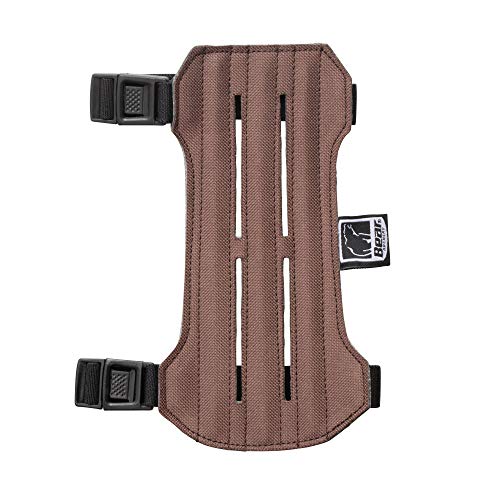
- BrandBear Archery

- ARS Mark8.8
ARS Mark is a ranking system developed by bestairriflescopes.com. ARS Mark has no relationship or impact from any manufacturers or sales agent websites. Learn more
- BrandMARRTEUM

- ARS Mark8.2
ARS Mark is a ranking system developed by bestairriflescopes.com. ARS Mark has no relationship or impact from any manufacturers or sales agent websites. Learn more
- BrandSoulchen

- ARS Mark8.2
ARS Mark is a ranking system developed by bestairriflescopes.com. ARS Mark has no relationship or impact from any manufacturers or sales agent websites. Learn more
- BrandPAKVROM
Last update on 2026-05-27 / Affiliate links / Images, Product Titles, and Product Highlights from Amazon Product Advertising API
How To Put On An Archery Arm Guard
Nothing ruins a relaxed shooting session faster than a bowstring smacking bare skin. One sharp sting across the forearm can make even confident archers flinch on the next draw. That nervous hesitation slowly creeps into anchor points, release timing, and posture without much warning. A properly fitted archery arm guard helps protect the forearm while keeping clothing, jacket sleeves, and loose fabric away from the string path.
Many beginners assume arm guards are just optional accessories tossed into a gear bag for decoration. Then practice starts, sleeves bunch up, and suddenly every shot feels awkward. Proper forearm protection creates consistency because the bowstring travels cleanly without interference. Small adjustments in placement and strap tension can completely change how stable and comfortable the shot cycle feels.
Arm guards also solve a problem people rarely talk about enough. Constant string contact creates tension in the shooting arm because nobody enjoys anticipating pain. Relaxed form becomes much easier once the fear of string slap disappears. Comfort, confidence, and smoother mechanics usually improve together after the guard sits correctly on the arm.
Material choice matters too. Thin synthetic guards breathe better during hot outdoor practice, while leather models tend to feel more stable during colder sessions. Some designs prioritize airflow, and others focus on broader coverage for archers still refining arm positioning. The right fit depends heavily on shooting style, clothing layers, and how much flexibility the archer prefers.
Start With Proper Arm Placement
Most arm guard issues begin before the straps are even tightened. Archers often slide the guard too close to the wrist or shove it too far toward the elbow, leaving vulnerable spots exposed. The safest position usually covers the inner forearm where the bowstring naturally travels during release. Balanced coverage prevents painful contact without restricting elbow movement.
The guard should sit flat against the forearm instead of twisting sideways. Uneven placement creates pressure points that become irritating halfway through practice. Some shooters notice the edge rubbing against tendons or bunching shirt sleeves underneath. Keeping the guard centered improves both comfort and stability during repeated shots.
Sleeves can complicate the fit more than expected. Loose jackets and hoodies sometimes catch the string even while wearing protection. Lightweight athletic layers usually cooperate much better because the material stays closer to the arm. Archers dealing with bulky winter clothing often prefer longer guards for extra fabric control.
Mirror checks help more than people realize. Looking directly at forearm alignment reveals gaps and awkward angles that feel invisible otherwise. A quick adjustment before shooting saves frustration later. Consistent positioning eventually becomes second nature, especially during regular practice sessions.
Adjust Strap Tension Carefully
Overtightening an arm guard creates its own set of headaches. Numbness, skin irritation, and reduced flexibility show up quickly if the straps dig too hard into the arm. Tight gear may feel secure initially, but discomfort builds after dozens of shots. Moderate tension keeps the guard stable without making the forearm feel trapped.
Loose straps cause even more annoyance. Sliding protection constantly shifts during the draw cycle and distracts focus from aiming. Some guards rotate sideways after every few arrows, especially cheaper models with slippery elastic bands. Reliable strap adjustment keeps the guard secure while preserving natural movement.
Velcro systems work well for quick adjustments, though they sometimes collect dirt and lose grip over time. Buckle designs feel sturdier but can take longer to fit properly. Elastic cords provide flexibility yet occasionally stretch out during humid weather or heavy outdoor use. Secure closures matter because movement during release affects concentration.
Testing fit before shooting helps avoid mid-session irritation. Flex the wrist, rotate the forearm, and mimic a draw motion to check for shifting. If circulation feels restricted or the guard pinches during movement, loosen it slightly. Tiny adjustments usually solve the problem faster than replacing the entire guard.
Prevent String Slap During Practice
String slap often points to more than just missing protection. Poor elbow rotation and tense arm positioning frequently cause the string to clip the forearm during release. An arm guard reduces injury risk, but correcting shooting mechanics matters just as much. Proper arm alignment helps the bowstring clear the forearm cleanly.
Beginners commonly lock the elbow straight outward without realizing it changes the string path. Slight rotation of the arm usually creates better clearance. Coaches often recommend relaxing the shoulder and softening the elbow instead of forcing rigid positioning. Cleaner form reduces repeated impact far more effectively than thicker padding alone.
Bow setup influences string contact too. Incorrect draw length or oversized equipment can force awkward posture that increases slap risk. Some archers spend weeks adjusting guards while ignoring poor bow fit. Exploring proper equipment balance through best compound bow for archery setups can improve both comfort and shooting consistency.
Practice sessions reveal recurring habits quickly. If the same forearm spot gets hit repeatedly, form adjustments are probably overdue. Watching slow-motion recordings often exposes posture problems hidden during normal shooting speed. Consistent technique protects the arm better than bulky gear alone.
Choose Materials That Match Your Shooting Style
Leather arm guards feel sturdy and mold naturally over time, though they can trap heat during summer practice. Sweat buildup sometimes makes thicker leather feel sticky after extended outdoor sessions. Archers shooting in humid conditions often switch to ventilated synthetic models for better airflow. Breathable materials usually stay more comfortable during long practice routines.
Rigid guards provide stronger protection but may limit flexibility slightly. Flexible fabric guards move more naturally, though they sometimes shift around during repeated shooting. Some archers prefer lightweight designs because heavy protection feels distracting during target practice. Others prioritize broader coverage after dealing with painful string hits.
Weather changes can completely alter comfort levels. Cold mornings make stiff materials feel rigid at first, while hot afternoons create sweaty pressure points under poorly ventilated straps. Mesh-backed guards help reduce heat buildup during outdoor sessions. Temperature control becomes surprisingly important once practice stretches beyond an hour.
Style also influences confidence, even if people pretend otherwise. A guard that fits cleanly and feels secure encourages relaxed shooting. Awkward gear constantly demands attention and interrupts focus between shots. Comfortable equipment supports smoother rhythm without becoming a distraction.
Wear The Guard With Different Clothing Layers
Cold weather archery creates challenges that indoor ranges rarely expose. Thick hoodies, rain jackets, and insulated sleeves increase the odds of fabric catching the string during release. Short arm guards sometimes leave loose material exposed near the elbow. Extended forearm coverage becomes much more useful during layered outdoor shooting.
Some fabrics cooperate better than others. Slick athletic materials usually stay flat beneath the guard, while cotton sweatshirts bunch up and wrinkle around the straps. Puffy winter jackets create extra resistance during arm movement too. Testing clothing combinations before a hunting trip helps prevent annoying surprises later.
Fit changes slightly depending on sleeve thickness. Guards tightened over a T-shirt may suddenly feel restrictive over heavier layers. Adjustable strap systems help accommodate seasonal clothing without sacrificing stability. Archers who shoot year-round often keep multiple guards for different weather conditions.
Rain introduces another headache. Wet sleeves become heavier and shift more easily under the guard during repeated draws. Water-resistant materials dry faster and maintain better grip in damp environments. Reliable fit matters even more once conditions become unpredictable outdoors.
Spot Common Mistakes Early
One of the biggest mistakes involves wearing the guard backwards. Some models contour specifically to the forearm shape, and reversing them creates awkward pressure against tendons and wrist movement. Strange discomfort during shooting often traces back to simple positioning errors. Correct orientation keeps movement smoother and more natural.
Another common issue comes from oversized guards. Bigger protection may seem safer, but bulky designs can interfere with bowstring clearance and arm flexibility. Excess material sometimes catches loose sleeves instead of controlling them. Smaller, properly fitted guards often feel more stable than oversized options.
Neglecting maintenance creates long-term frustration too. Dirty Velcro loses grip, stretched elastic weakens stability, and cracked leather stiffens over time. Quick cleaning after outdoor sessions helps preserve flexibility and comfort. Archers relying on older gear often notice slipping problems gradually getting worse.
Ignoring forearm bruises is another bad habit. Persistent string slap usually signals form problems or poor equipment fit instead of weak protection. Some archers simply tighten straps harder instead of fixing technique. Exploring hunting-focused equipment through best bear bow for hunting options can help shooters compare setups that encourage more natural alignment.
Build Better Comfort During Long Sessions
Extended practice exposes weaknesses in gear faster than quick backyard shooting. Small pressure points turn into irritating hot spots after dozens of arrows. Tight seams, rough stitching, and stiff strap edges become much harder to ignore during longer sessions. Soft interior materials help reduce rubbing and forearm fatigue.
Hydration surprisingly affects comfort too. Sweaty skin beneath poorly ventilated guards increases friction and irritation quickly in warm weather. Lightweight mesh sections improve airflow and reduce that sticky feeling during summer practice. Some archers even carry spare guards to swap during all-day shooting events.
Movement matters just as much as padding. Guards that restrict wrist rotation make shooting feel mechanical and tense. Flexible designs encourage smoother arm positioning during the draw cycle. A comfortable fit should feel secure without constantly reminding the shooter it’s there.
Range habits also influence overall comfort. Repeatedly adjusting gear between shots interrupts focus and creates frustration. Stable equipment helps practice feel smoother and more productive from start to finish. Some archers even notice tighter shot groups once distractions from slipping gear disappear.
Balance Safety With Natural Movement
Overprotective gear sometimes creates more problems than it solves. Thick guards with excessive padding may interfere with shooting mechanics or feel awkward during quick movement. Slimmer designs often work better once an archer develops reliable form and posture. Balanced protection supports movement instead of restricting it.
Field archery and target shooting may require slightly different setups. Dense forest trails, uneven terrain, and changing weather conditions increase the value of broader forearm coverage outdoors. Indoor ranges usually allow lighter, lower-profile guards because environmental distractions stay limited. Shooting environment influences comfort more than many people expect.
Some archers obsess over accessories while ignoring technique entirely. Arm guards help protect against mistakes, but posture still drives accuracy and consistency. Relaxed shoulders, steady anchor points, and controlled releases reduce unnecessary tension throughout the shot cycle. Natural mechanics create smoother shooting than oversized protective gear ever could.
Gear confidence matters psychologically too. Comfortable equipment removes distractions and lets the mind focus fully on aiming and release timing. Constant worry about bruises or snagged sleeves disrupts concentration quickly. Clean, stable protection quietly supports better practice habits over time.
Keep Gear Ready Between Practice Sessions
Throwing sweaty gear into a crowded bag shortens its lifespan fast. Damp straps collect odor and lose elasticity if they stay compressed for days. Leather models can stiffen or crack without occasional conditioning. Basic maintenance keeps arm guards flexible and comfortable much longer.
Storage conditions matter more than people realize. Hot car trunks and humid garages gradually weaken elastic closures and adhesives. Hanging guards in a dry area helps preserve shape between practice sessions. Simple habits prevent the annoying strap failures that always seem to happen right before shooting.
Inspection should become routine before heading to the range. Loose stitching, worn elastic, and weak Velcro usually appear gradually instead of suddenly. Catching problems early avoids mid-session adjustments or unreliable protection. Archers who practice regularly tend to notice small changes in fit quickly.
Outdoor enthusiasts sometimes pair archery with other hobbies that demand reliable equipment protection and handling. Separately, for broader gear comparisons and rugged outdoor setups, explore best air rifles for self defense options that focus on control, handling, and dependable field use.
Best Way To Wear An Archery Arm Guard
Forearm bruises usually don’t happen because someone forgot safety gear entirely. Most of the time, the guard was technically there, but it sat crooked, shifted during the draw, or pinched the arm badly enough to distract focus. Tiny setup mistakes add up fast during longer practice sessions. The best way to wear an archery arm guard starts with comfort, stable positioning, and enough flexibility to keep movement natural instead of stiff.
Many archers notice their form improves once equipment stops fighting against them. Constantly adjusting slipping straps or untangling sleeves from the bowstring interrupts rhythm and concentration. Clean shooting mechanics depend heavily on removing small distractions before they become frustrating habits. Stable gear positioning supports smoother releases and steadier confidence at the range.
Arm guards also affect mental comfort more than people admit. Anticipating string slap creates hesitation, especially after a painful hit across the forearm. That tension travels through the shoulders and wrist, changing shot execution without warning. Reliable protection allows the body to stay relaxed during the draw cycle.
Not every arm guard feels the same during real-world practice. Some designs stay comfortable for hours, while others become irritating halfway through a shooting session. Heat buildup, stiff edges, and bulky straps can ruin concentration surprisingly fast. A well-fitted guard should quietly stay in place without demanding attention every few arrows.
Match The Guard To Your Shooting Form
Different shooting styles create different forearm positions during release. Recurve archers often rotate the elbow slightly outward, while compound shooters may hold tighter alignment against the string path. That difference changes where protection matters most. Forearm coverage should match actual shooting posture instead of following random placement habits.
Some archers buy oversized guards hoping extra padding solves everything. Thick protection can actually interfere with mobility if the material presses awkwardly against the wrist or elbow crease. Slimmer designs often feel more comfortable once shooting mechanics improve. Balanced protection usually beats excessive bulk during regular practice.
String clearance reveals a lot about shooting form. Repeated contact in the same area often signals posture issues instead of weak protection. Slight elbow rotation adjustments sometimes solve painful string slap faster than swapping equipment. Watching recorded practice footage helps expose habits that feel invisible in real time.
Visual focus also plays a role in shooting consistency. Archers struggling with blurry pins or target strain often tense their upper body without realizing it. Explore best bow sight for bad eyes setups if visibility problems keep affecting posture and release stability during longer sessions.
Handle Sweat And Heat During Outdoor Practice
Summer shooting sessions expose flaws in cheap arm guards quickly. Sweat builds beneath thick materials, straps loosen, and rough edges start rubbing against the skin after repeated draws. Breathable guards reduce irritation by allowing airflow across the forearm instead of trapping moisture underneath. Ventilated designs stay noticeably more comfortable during extended outdoor use.
Humidity changes strap behavior too. Elastic closures sometimes stretch faster in damp weather, especially after repeated exposure to sweat and sunlight. Velcro systems may clog with dirt and lose grip strength over time. Regular cleaning helps preserve consistent tension and prevents slipping during practice.
Some archers wear compression sleeves beneath their guards to reduce friction. Smooth athletic fabrics usually work better than thick cotton because they stay close to the skin without bunching up. Loose sleeves tend to wrinkle under pressure points and create annoying hotspots. Small clothing adjustments often improve comfort more than replacing the entire guard.
Heat fatigue also affects shooting mechanics. Tired muscles encourage sloppy posture and increase the odds of string contact against the forearm. Staying hydrated and taking short breaks helps maintain steadier form during outdoor sessions. Comfortable gear supports endurance much better than stiff protection that constantly demands readjustment.
Keep Movement Natural During The Draw Cycle
Rigid equipment can make archery feel mechanical in the worst way possible. Wrist movement becomes restricted, the forearm feels trapped, and every shot starts feeling overly deliberate. Smooth shooting depends on gear that moves naturally with the body instead of resisting it. Flexible arm guards usually create a more relaxed experience during repeated shooting.
Pressure points often appear near the wrist where straps pull unevenly against tendons. That discomfort slowly builds during long practice sessions and eventually distracts concentration. Adjusting strap angles slightly can reduce tension without sacrificing stability. Tiny refinements matter more than most people expect.
Range habits influence movement too. Some archers tighten guards excessively before tournaments because they fear slippage under pressure. Overly tight straps reduce circulation and make the forearm feel stiff halfway through the session. Moderate tension keeps protection secure while preserving comfortable mobility.
Equipment balance matters beyond arm guards alone. Oversized accessories sometimes force awkward posture adjustments that affect the entire shooting sequence. Compare streamlined aiming setups through best ar sight under 200 options if bulky sight systems keep affecting upper-body comfort and alignment.
Fix Irritating Problems Before They Become Habits
Minor discomfort has a sneaky way of turning into long-term frustration. A guard that pinches slightly today might create consistent wrist tension after several weeks of practice. Many archers tolerate small annoyances until they eventually affect accuracy and confidence. Early adjustments prevent those issues from becoming permanent habits.
Sliding guards often indicate uneven strap pressure instead of weak materials. Tightening one section more than another pulls the guard sideways during movement. Balanced tension across all closures helps maintain stable positioning throughout the draw cycle. Proper alignment keeps attention focused on the target instead of shifting gear.
Rough stitching becomes another overlooked problem during longer sessions. Cheap interior seams rub repeatedly against sweaty skin and create irritation points after dozens of arrows. Softer edge construction usually feels far more comfortable during all-day practice. Material texture matters just as much as overall padding thickness.
Neglecting replacement schedules creates trouble too. Stretched elastic and worn Velcro slowly lose reliability over time, especially with outdoor use. Guards that once stayed perfectly secure may suddenly shift after every few shots. Reliable gear supports consistent shooting habits far better than worn-out equipment hanging on by a thread.
Improve Confidence Through Consistent Setup
Confidence in archery often grows from repetition instead of dramatic breakthroughs. Stable gear placement creates familiarity, and familiarity reduces hesitation during difficult shots. Archers who constantly fight uncomfortable equipment rarely settle into a smooth shooting rhythm. Consistent setup habits help every practice session feel steadier and more productive.
Pre-shot routines become easier once the arm guard fits naturally. Instead of checking straps repeatedly or adjusting sleeves every few arrows, the shooter can focus entirely on breathing, anchor points, and release timing. Less mental clutter improves concentration surprisingly fast. Clean routines support stronger shot execution under pressure.
Outdoor conditions test reliability constantly. Wind, changing temperatures, and uneven terrain expose weaknesses in unstable gear setups almost immediately. Guards that stay secure across different environments build trust over time. Confidence grows faster once equipment stops creating unpredictable distractions.
Consistency also protects against overcorrection. Archers frustrated by occasional string slap sometimes start twisting their elbow unnaturally just to avoid contact. That compensation creates bigger form problems later. Reliable protection allows posture improvements to happen gradually without forcing awkward movement changes.
Store And Maintain The Guard Properly
Dirty arm guards wear out much faster than people expect. Sweat, dust, and moisture slowly weaken elastic sections while stiffening rough fabric edges. Quick cleaning after practice keeps materials softer and more comfortable during future sessions. Basic maintenance prevents avoidable irritation and premature wear.
Leather models need occasional conditioning to prevent cracking after repeated outdoor exposure. Dry leather loses flexibility and starts rubbing awkwardly against the forearm during movement. Synthetic materials handle humidity better but may trap odor if left damp inside crowded gear bags. Proper drying helps preserve both comfort and durability.
Storage habits affect fit consistency too. Folding guards tightly beneath heavy equipment bends protective panels and weakens closure systems over time. Hanging or laying them flat usually keeps the original shape intact longer. Small maintenance routines help avoid annoying strap failures at the range.
Frequent shooters often keep backup guards ready during hunting season or tournament weekends. Sudden strap failure halfway through an event creates unnecessary stress and distraction. Reliable spare equipment provides peace of mind without taking much space in a gear bag. Comfortable, dependable protection supports steadier practice from the first arrow to the last.


12 Best 22 Pcp Air Rifle For Hunting of 2026 With Quiet Power

7 Best 22 Pcp Air Rifle Under 300 of 2026 For Backyard Pest Control

10 Best 22 Break Barrel Air Rifles of 2026 For Backyard Pest Control

10 Best 30 Caliber Pcp Air Rifle of 2026 For Medium Game

Top Best 177 Air Rifle Under 100: Budget-Friendly Picks for 2026

How to Safely Reload Shotgun Shells at Home

11 Best Co2 Air Rifle For Pest Control of 2026 To Ensure Humane Dispatch

12 Best Inexpensive Air Rifles of 2026 For Dependable Backyard Accuracy






