
How to Put on an Archery Index Release Right

How to put on an archery index release sounds simple until the strap twists, the trigger sits too far forward, or the release pinches your wrist halfway through practice. Plenty of archers run into the same annoying problems. One bad fit can throw off anchor points, create shaky shots, and make every draw feel clunky instead of smooth. A properly adjusted release changes the whole experience because the hand stays relaxed, the trigger becomes predictable, and the shot cycle feels natural instead of forced.
Small setup mistakes often snowball into bigger frustrations. Loose straps allow the release head to shift during full draw, while overly tight straps cut circulation and make long sessions uncomfortable. That awkward middle ground frustrates people more than they expect because inconsistent placement creates inconsistent shooting. Proper wrist positioning, balanced strap tension, and clean trigger alignment help remove those distractions so focus stays on accuracy rather than gear adjustments every few arrows.
Comfort matters more than many people admit. A release that rubs the wrist raw or presses awkwardly against the knuckle can make practice feel like a chore. Nobody wants to stop every ten minutes just to readjust straps or loosen buckles. Trigger sensitivity also plays a huge role because an overly hot trigger can cause punching habits, while a stiff trigger forces excess hand tension that wrecks clean execution.
Many archers tighten the strap too aggressively thinking it creates stability, but that usually backfires. The release should feel secure without turning the wrist into a vice grip. A balanced fit allows smooth circulation and natural hand movement during the draw cycle. Consistent release placement creates muscle memory over time, and honestly, that consistency matters far more than constantly tweaking equipment after every round.
Weather conditions can also expose setup problems fast. Sweat, cold fingers, and rain make slippery straps feel even worse during outdoor shooting. A well-fitted release remains stable even when conditions get messy. Soft buckle edges, durable stitching, and dependable strap material reduce irritation and help maintain control during long shooting sessions or hunting trips.
Trigger reach creates another sneaky issue. If the trigger sits too far from the index finger, the hand starts stretching unnaturally during aim. That extra tension may seem harmless at first, but over time it affects shot timing and accuracy. Natural finger placement keeps the shot smooth and controlled instead of jerky or rushed.
Practice sessions become far more productive once the release feels like part of the hand instead of a separate tool dangling from the wrist. Smooth alignment helps maintain steady anchor points, cleaner follow-through, and better confidence behind every shot. Also, fewer distractions mean more mental focus stays locked on target execution instead of equipment discomfort.
How to put on an archery index release properly isn't about overcomplicating gear. It's about creating repeatable comfort, stable shooting mechanics, and reliable trigger control under pressure. Tiny adjustments often produce the biggest improvements because the release directly affects draw consistency, shot timing, and overall shooting rhythm.

- ARS Mark8.8
ARS Mark is a ranking system developed by bestairriflescopes.com. ARS Mark has no relationship or impact from any manufacturers or sales agent websites. Learn more
- BrandTru-Fire

- ARS Mark8.8
ARS Mark is a ranking system developed by bestairriflescopes.com. ARS Mark has no relationship or impact from any manufacturers or sales agent websites. Learn more
- BrandJimtoiny

- ARS Mark8.4
ARS Mark is a ranking system developed by bestairriflescopes.com. ARS Mark has no relationship or impact from any manufacturers or sales agent websites. Learn more
- Brandsntxmy

- ARS Mark8.4
ARS Mark is a ranking system developed by bestairriflescopes.com. ARS Mark has no relationship or impact from any manufacturers or sales agent websites. Learn more
- Brandsntxmy

- ARS Mark8.4
ARS Mark is a ranking system developed by bestairriflescopes.com. ARS Mark has no relationship or impact from any manufacturers or sales agent websites. Learn more
- BrandLWANO

- ARS Mark8.4
ARS Mark is a ranking system developed by bestairriflescopes.com. ARS Mark has no relationship or impact from any manufacturers or sales agent websites. Learn more
- Brandsntxmy

- ARS Mark8.4
ARS Mark is a ranking system developed by bestairriflescopes.com. ARS Mark has no relationship or impact from any manufacturers or sales agent websites. Learn more
- BrandNIKA ARCHERY
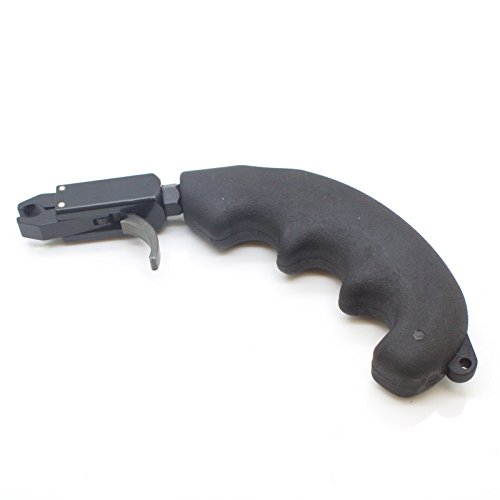
- ARS Mark7.6
ARS Mark is a ranking system developed by bestairriflescopes.com. ARS Mark has no relationship or impact from any manufacturers or sales agent websites. Learn more
- BrandSAS

- ARS Mark7.0
ARS Mark is a ranking system developed by bestairriflescopes.com. ARS Mark has no relationship or impact from any manufacturers or sales agent websites. Learn more
- BrandTrophy Ridge
Last update on 2026-05-27 / Affiliate links / Images, Product Titles, and Product Highlights from Amazon Product Advertising API
How To Put On An Archery Index Release
Shots start falling apart fast once the wrist strap shifts during full draw or the trigger lands in the wrong spot against the finger. Tiny setup mistakes create bigger problems than most archers expect. A sloppy release fit can lead to target panic, inconsistent anchor points, and sore wrists after a long afternoon at the range. How to put on an archery index release properly matters because consistent hand placement, stable trigger control, and comfortable wrist support all shape the quality of every single shot.
Why Proper Release Placement Matters
Loose wrist straps frustrate a lot of archers because the release head rotates at the worst possible moment. One shot feels clean, then the next arrow drifts left without warning. That inconsistency usually starts with poor strap positioning instead of bad shooting form. Stable release alignment keeps the draw cycle predictable and reduces awkward wrist movement during anchor.
Finger fatigue becomes another sneaky issue once the trigger sits too far from the index finger. Some archers overreach for the trigger without realizing it, which creates tension across the hand and forearm. A relaxed hand produces smoother shots and cleaner follow-through. Natural trigger reach helps maintain calm execution instead of rushed punching motions.
Comfort changes everything during long practice sessions. A poorly fitted release rubs the wrist raw, pinches the skin, or cuts circulation halfway through shooting. Nobody enjoys stopping every few ends just to loosen straps or adjust buckles. Balanced strap tension keeps the release secure without turning the wrist into a pressure point.
Experienced archers usually focus on repeatability over flashy gear upgrades. One dependable setup often outperforms expensive accessories that never feel consistent. That's why many coaches spend extra time adjusting wrist straps before discussing advanced shooting mechanics. Repeatable positioning creates reliable muscle memory, and muscle memory drives accuracy over time.
Finding The Correct Strap Position
The wrist strap should sit slightly above the wrist joint instead of directly on top of it. Straps positioned too low tend to shift during the draw cycle, especially under heavier draw weights. That movement creates instability right before release. Higher strap placement usually feels more secure and reduces unwanted twisting.
Overtightening the strap causes its own headaches. Blood flow gets restricted, wrist flexibility disappears, and hand tension increases during aiming. Some people assume tighter automatically means better control, but that's rarely true with an index release. Comfortable pressure matters far more than brute tightness.
Cold weather exposes bad strap adjustments quickly. Thick sleeves and numb fingers make sloppy setups harder to manage once temperatures drop. A properly fitted release stays consistent even while wearing layers or gloves during outdoor hunts. Reliable fit under pressure becomes especially important during stressful shooting situations.
Quick adjustments save time at the range. Velcro straps offer convenience, while buckle systems often provide better long-term consistency. Both designs work fine if they maintain stable wrist contact during full draw. Secure wrist support helps reduce mental distractions and allows stronger focus on aiming execution.
Setting The Trigger For Better Control
Trigger sensitivity can make or break shooting consistency. Hair-trigger setups sometimes cause accidental shots before proper anchor alignment happens. Then again, stiff triggers force excessive finger pressure that disrupts aim at the worst moment. Controlled trigger tension creates smoother execution without surprise firing.
Most archers benefit from placing the trigger near the first pad of the index finger instead of deep inside the finger joint. That position encourages cleaner movement during release activation. It also helps reduce jerking motions that throw arrows off target. Relaxed finger placement supports steadier aiming and cleaner follow-through.
Trigger travel deserves attention too. Excessive travel creates delayed firing that feels unpredictable during aiming. Minimal travel often feels more responsive, though overly short travel can create accidental releases for newer shooters. Balanced trigger adjustment gives better feedback without making the release feel twitchy.
Frustration builds fast once archers start punching the trigger instead of pulling through the shot. That habit usually develops from poor trigger setup combined with anxiety during aiming. Slow, controlled activation keeps the shot process smoother and less chaotic. Steady trigger execution supports cleaner arrow flight and stronger confidence.
Building Consistent Anchor Points
Anchor consistency separates reliable shooting from random guessing. An index release should guide the hand into the same facial reference points every single draw. Small shifts in anchor position create noticeable arrow movement downrange. Repeatable anchor placement helps tighten groupings without constant sight adjustments.
Jawline contact remains one of the most common anchor references for wrist release shooters. The release hand should settle naturally against the face without forcing awkward wrist angles. Overextended anchors create tension and shaky aiming patterns. Comfortable facial alignment allows smoother shot execution during longer holds.
Head movement creates hidden problems too. Some archers lean aggressively toward the string trying to force contact points instead of bringing the hand naturally into position. That habit often changes peep alignment and sight picture consistency. Neutral head posture keeps the entire shooting sequence more stable.
Archers struggling with target panic often benefit from simplifying their anchor routine. Too many reference points create hesitation and mental clutter under pressure. One clean anchor combined with stable trigger contact usually works better than complicated positioning tricks. Simple repeatable mechanics reduce mental overload during critical shots.
Common Mistakes During Setup
Twisted release straps create uneven pressure across the wrist and throw off hand alignment during draw. Plenty of shooters overlook this small detail because the release still feels usable at first. After several shots, though, discomfort and inconsistency start creeping in. Flat strap positioning helps maintain balanced pressure and smoother movement.
Another common mistake involves clipping the release onto the D-loop backward or at an awkward angle. That setup changes trigger orientation and affects wrist posture during anchor. Shots suddenly feel cramped or unstable without obvious explanation. Correct release head alignment improves comfort and keeps trigger access natural.
Draw length problems sometimes get blamed on the bow even though the release setup caused the issue. A release head that's too long or too short changes how the archer reaches anchor. That tiny difference impacts peep alignment and string contact. Proper release length supports cleaner body positioning throughout the shot cycle.
People also ignore wear and tear longer than they should. Frayed straps, loose buckles, and sticky triggers gradually reduce consistency over time. Worn equipment often fails during the worst possible moment. Regular release inspection helps maintain dependable performance during practice and hunting situations.
Using An Index Release For Hunting
Hunting situations expose shaky release habits faster than target shooting ever will. Cold fingers, awkward body angles, and elevated heart rate create extra pressure before the shot even happens. A release that feels manageable on the practice line may suddenly feel slippery or unstable in the woods. Reliable strap security becomes critical once adrenaline kicks in.
Noise control matters more than many hunters expect. Cheap buckles, loose straps, or metal-on-metal contact create tiny sounds that stand out sharply in quiet woods. Deer and other game animals react quickly to unfamiliar noises during close encounters. Quiet release movement helps maintain stealth during tense moments.
Glove compatibility also deserves attention before hunting season starts. Thick gloves can crowd the trigger area and reduce finger sensitivity during aiming. Some release designs accommodate winter gloves better than others. Comfortable trigger access keeps shot execution smoother even during cold-weather hunts.
Preparation removes a lot of unnecessary stress. Practicing from seated positions, elevated stands, or awkward kneeling angles helps expose setup weaknesses early. Hunting rarely allows perfect shooting posture. Flexible shooting mechanics give archers more confidence once unpredictable situations unfold outdoors.
Improving Accuracy Through Release Practice
Accuracy problems often trace back to rushed release execution instead of bad equipment. Archers sometimes fire the shot the instant the pin touches center, which creates jerky movement through the bow arm. That sudden trigger slap usually opens groups quickly. Controlled shot timing keeps the bow steadier during execution.
Blank bale practice helps many shooters rebuild cleaner release habits without overthinking aim. Standing close to the target removes pressure and allows total focus on trigger feel and follow-through. The goal isn't accuracy at that stage. Relaxed repetition builds smoother mechanics over time.
Video analysis reveals surprising flaws people rarely notice on their own. Wrist collapse, finger punching, or uneven anchor pressure become obvious once the shot gets slowed down frame by frame. Small mechanical fixes often improve consistency faster than buying new gear. Visual feedback helps identify habits that quietly sabotage accuracy.
Archers exploring broader equipment upgrades sometimes compare accessories alongside sight systems and bow setups. To improve aiming consistency alongside release control, explore best compound bow archery sight options that support cleaner target alignment during practice and hunting situations. Reliable sight visibility pairs naturally with smoother release execution.
Best Way To Wear An Archery Index Release
Confidence disappears quickly once the release starts feeling unpredictable halfway through a shot sequence. One arrow breaks clean, then the next one launches early because the trigger finger tightened at the wrong moment. Those frustrating swings usually trace back to release habits that never felt fully comfortable from the start. Proper release positioning, steady wrist alignment, and controlled trigger movement help turn shaky shooting sessions into smoother, more repeatable performance.
Reducing Wrist Fatigue During Practice
Long shooting sessions expose weak release setups fast. Pressure points around the wrist become irritating after dozens of arrows, especially if the strap digs into the same area repeatedly. Some archers ignore that discomfort for months and accidentally build tension into their shooting form. Even pressure distribution keeps the wrist relaxed and prevents unnecessary strain during longer practice days.
Material quality matters more than people expect. Cheap straps stiffen over time, especially after repeated exposure to sweat and outdoor heat. Rough edges start rubbing the skin raw during repetitive draws. Softer strap materials reduce irritation and help maintain comfortable movement through the entire shooting cycle.
Draw weight also affects wrist fatigue differently from one person to another. Heavy draw setups often exaggerate tiny flaws in release placement because the wrist absorbs more tension during anchor. Lighter draw weights may hide those problems temporarily. Balanced wrist support becomes increasingly important as shooting sessions get longer and more demanding.
Some archers benefit from slightly loosening the strap during extended range sessions instead of cranking it down tighter. Minor adjustments sometimes improve circulation without sacrificing stability. For hunters preparing lighter setups before deer season, compare best broadhead for 40 lb bow combinations that maintain clean penetration without forcing excessive draw weight. Efficient equipment balance often reduces physical fatigue more effectively than brute force setups.
Handling Trigger Anxiety Under Pressure
Target panic sneaks into release shooting quietly. One rushed shot leads to another, then suddenly the finger starts slapping the trigger every time the sight pin approaches center. Panic habits usually grow from anticipation and poor trigger control instead of weak accuracy skills. Smooth trigger pressure helps calm the shot process and reduces sudden jerking movements.
Many archers tense their entire hand once the bow settles on target. That tension spreads into the forearm and eventually affects bow stability. Relaxed hands create cleaner execution because the release activates gradually rather than explosively. Controlled finger engagement keeps aiming steadier during stressful shots.
Breathing patterns influence release control more than most people realize. Holding the breath too long creates shaking and rushed execution during longer aiming sequences. Short controlled breaths help maintain steadier posture while reducing panic-driven reactions. Calm shot rhythm supports smoother release activation and cleaner follow-through.
Practice structure matters too. Endless target shooting without mental focus often reinforces bad trigger habits instead of fixing them. Slow controlled drills usually improve consistency faster than rapid-fire shooting sessions. Intentional repetition builds stronger confidence during high-pressure moments.
Adjusting Release Length Correctly
Release length changes anchor position more than many shooters expect. A release that's too short pulls the hand tightly against the jaw and crowds the string picture. A release that's too long stretches the arm awkwardly and disrupts peep alignment. Balanced release length keeps body posture more natural during full draw.
Neck strain sometimes points directly toward poor release adjustment. Archers often compensate unconsciously by tilting the head or leaning toward the string. Those small posture changes gradually affect consistency and comfort. Natural head position supports cleaner anchor alignment and steadier sight pictures.
Draw cycle smoothness improves once the release matches the archer's natural reach. Shots begin feeling less forced and more fluid through anchor and follow-through. Tiny setup tweaks create surprisingly noticeable changes in comfort. Proper fit and alignment help reduce unnecessary body tension throughout the shot.
People frequently copy release settings from friends without considering body size differences or shooting style. What feels comfortable for one shooter may feel cramped for another. Individual fit matters far more than trendy setup advice. Personalized adjustment produces more dependable consistency over time.
Maintaining Release Performance Over Time
Dirt and sweat gradually affect trigger feel even on dependable releases. Sticky trigger movement often starts subtly before becoming frustrating during important shots. Regular cleaning helps maintain smoother trigger response and prevents buildup around moving parts. Consistent release maintenance keeps performance predictable over months of shooting.
Strap stitching deserves occasional inspection too. Small frays near buckle areas can worsen quickly under repeated draw pressure. Ignoring worn sections increases the risk of strap failure during practice or hunting. Reliable strap condition supports both safety and shooting confidence.
Moisture exposure creates hidden problems inside release mechanisms. Rain, humidity, and sweat can eventually affect springs or trigger movement if equipment gets stored carelessly. Dry storage and occasional lubrication help prevent mechanical issues. Simple maintenance habits often extend release lifespan considerably.
Archers who travel frequently should also check screws and moving parts before every range session. Vibrations during transport sometimes loosen small components without obvious warning signs. A quick inspection prevents unnecessary surprises once shooting begins. Routine equipment checks reduce distractions and help maintain consistent shot execution.
Using Better Body Alignment With A Release
Body alignment and release control work together more closely than people think. Poor shoulder posture creates tension that transfers directly into the trigger hand during aiming. That tension usually causes rushed shots or collapsing form during release. Stable upper-body positioning supports cleaner execution and steadier bow control.
Bow arm stiffness creates another common issue. Some archers lock the elbow aggressively while waiting for the shot to break. That rigid posture increases fatigue and encourages target panic during longer holds. Relaxed arm structure helps maintain smoother movement throughout the shot process.
Back tension should drive the release activation rather than isolated finger movement alone. Pulling steadily through the shot encourages cleaner release execution without sudden punching motions. Shots generally feel calmer once the larger back muscles take over the workload. Controlled back engagement helps maintain more consistent arrow flight.
Hunters practicing for turkey or predator seasons often train from awkward seated positions where body alignment becomes even more important. To support stable field shooting setups, explore best over under turkey shotgun configurations that prioritize balanced handling during tight hunting conditions. Steady shooting posture matters across multiple outdoor setups where mobility and control stay critical.
Building Confidence With Repeatable Mechanics
Confidence rarely appears overnight in archery. Consistency grows from repeating small reliable habits until they feel automatic under pressure. A properly fitted release helps remove unnecessary distractions during aiming and execution. Reliable shot mechanics make practice sessions feel more productive instead of frustrating.
Frustrated archers often chase equipment changes hoping for instant improvement. New releases, sights, or arrows sometimes help, but sloppy mechanics usually remain the bigger issue. Comfortable release setup and steady trigger control solve far more problems than people expect. Simple repeatable fundamentals usually outperform constant gear swapping.
Mental focus improves once the release feels dependable every draw cycle. Instead of worrying about trigger position or wrist discomfort, attention stays locked on shot execution and follow-through. That mental freedom creates calmer shooting behavior over time. Reduced equipment distraction supports stronger consistency during practice and hunting situations.
Good release habits also create smoother transitions between practice targets and real-world pressure moments outdoors. The shot sequence feels familiar instead of rushed once mechanics become automatic through repetition. Small details eventually stack together into stronger shooting confidence. Comfort, consistency, and control remain the foundation behind reliable archery performance.


12 Best 22 Pcp Air Rifle For Hunting of 2026 With Quiet Power

7 Best 22 Pcp Air Rifle Under 300 of 2026 For Backyard Pest Control

10 Best 22 Break Barrel Air Rifles of 2026 For Backyard Pest Control

10 Best 30 Caliber Pcp Air Rifle of 2026 For Medium Game

Top Best 177 Air Rifle Under 100: Budget-Friendly Picks for 2026

How to Safely Reload Shotgun Shells at Home

11 Best Co2 Air Rifle For Pest Control of 2026 To Ensure Humane Dispatch

12 Best Inexpensive Air Rifles of 2026 For Dependable Backyard Accuracy






