
How to Remove a Glock Rear Sight Without Scratching Your Slide

A fresh set of metal sights sits on the workbench while the factory plastic notch remains wedged tightly in place. Removing a Glock rear sight simply takes stripping the pistol down to the bare slide and pressing the sight sideways from left to right out of its notched mounting slot. Looking from behind the grip, that left-to-right direction provides the cleanest path to push it free.
The exact steps depend on your tools and the material of the sight itself. A mechanical sight pusher glides the piece out with turn-screw pressure, while a soft brass rod tapped with a hammer does the job if the slide is clamped securely. Factory polymer sights drift easily, but metal aftermarket sights often hide tiny locking screws that must be loosened first so you do not gouge the dovetail slot. Here is how to walk through the removal step by step without leaving a single mark on the finish.
How do you safely prepare your slide first?
Working on any firearm begins with establishing a completely clear, empty chamber. Removing a rear sight requires removing the slide from the frame, and Glock pistols require pulling the trigger to release the slide lock. You must handle the clearing process with absolute care before reaching for any tools.
Follow this safety and disassembly checklist before you begin:
- Drop the magazine: Press the magazine release and set the magazine aside in another room or out of arm reach.
- Clear the chamber: Pull the slide backward all the way three times to eject any chambered round. Lock the slide open with the slide stop lever.
- Inspect the chamber: Look directly into the chamber and feel inside with your index finger to verify no cartridge remains. Look away, then look back to confirm a second time.
- Release the slide and press the trigger: Point the muzzle in a safe direction toward an outside wall or backstop. Allow the slide to go forward into battery, then press the trigger until it clicks.
- Field-strip the pistol: Grasp the slide with your fingers over the top, pull it back about one-tenth of an inch, and pull down both sides of the slide lock lever. Push the slide forward off the frame rails.
- Remove the internal parts: Lift out the recoil spring assembly and the barrel from underneath the slide.
You now have a bare slide ready for sight removal. Removing the barrel and recoil spring prevents damage to the spring guide and stops the barrel from bouncing inside the slide while you work. Take a roll of blue painter tape and wrap two layers around the slide body near the dovetail (the notched mounting slot on top of the slide). This step shields the metal from marring (scratching or scuffing the finish) if a tool slips.
Which removal tool should you choose?
You can remove a Glock rear sight using two primary methods: a mechanical sight pusher or a brass drift punch paired with a hammer. Both methods press the sight sideways out of the dovetail notch, but they offer very different levels of control and risk.
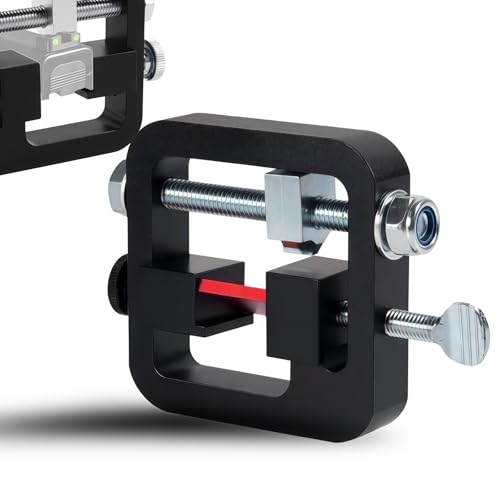
A sight pusher (a screw-driven clamping tool that presses sights sideways) is the safest method for preserving your slide finish. The tool secures the slide between padded blocks and drives a steel pusher bar forward using threaded bolts. Because you turn a wrench or knob slowly, the force applies gradually without any sudden impact shock. You eliminate the chance of a stray hammer swing hitting the slide flats. A sight pusher works best for metal night sights, tightly fitted target sights, or slides with delicate custom coatings.
A drift punch (a flat-ended rod tapped with a hammer) is the traditional garage method. Brass punches work well because brass is softer than the hardened steel of the slide. If the punch slips against the slide, it leaves a yellow brass streak instead of a deep scratch in the metal. You can clean brass marks off with standard bore cleaner and a nylon brush. However, drifting requires clamping your slide in a heavy bench vise with soft jaws. If the slide slips in the vise or your hammer strikes off-center, you risk damaging the sight notch or bending the rear sight blade.
If you only plan to remove the soft factory plastic sight that comes standard on base Glock models, a brass punch pushes it out with minimal force. If you need to remove a tight metal aftermarket sight, a mechanical pusher gives you far greater leverage and eliminates impact risks.
How do you remove the sight with a pusher?
Using a mechanical pusher provides steady, controlled pressure. Set your bare slide, your taped slide surfaces, and your pusher tool on a clean, well-lit workbench.
- Check for set screws: Look closely at the top and sides of the rear sight. Factory plastic sights do not use screws, but aftermarket metal sights often have a tiny hex screw in the middle of the sight channel. Loosen this screw counterclockwise with the correct hex key before applying any pressure.
- Position the slide in the pusher tool: Place the slide into the tool cradle. Adjust the bottom support platform so the slide sits completely horizontal and level. Tighten the side clamping blocks against the slide flats so the slide cannot rock or tilt under pressure.
- Align the pusher block: Lower the pusher block until its lower edge sits just above the slide surface. The pusher block must press squarely against the thick base of the sight, right where it meets the dovetail slot. If the pusher block sits too high, it will twist or snap the upper sight blade. If it sits too low, it will scrape across the top of your slide.
- Set your push direction: Standard Glock factory practice is to push the rear sight out from left to right, looking from behind the grip toward the muzzle. Align the pusher block on the left side of the sight base.
- Turn the drive bolt: Slowly rotate the main drive bolt using the handle or appropriate wrench. You will feel initial resistance as the sight breaks free from the dovetail friction fit. Keep turning steadily until the sight slides completely out of the right side of the dovetail notch.
Once the sight clears the slot, back off the drive bolt and release the slide clamps. Inspect the empty dovetail slot for dirt, dried factory finish, or metal shavings. Wipe the slot clean with a cotton swab and a drop of light gun oil.
How do you drift the sight with a punch?
If you do not have a dedicated screw-driven tool, you can remove the sight using a brass drift punch and a small hammer. Do not attempt this method by holding the slide on your lap or resting it on a loose table. The slide must stay completely still under hammer strikes.
- Clamp the slide in a bench vise: Fit your bench vise with soft jaws made of rubber, nylon, or smooth wood blocks. Wrap the slide in a shop rag and clamp it securely by the lower flats, keeping the top of the slide level and accessible. Tighten the vise firmly enough that the slide cannot shift, but avoid crushing the hollow slide body.
- Protect the sight contact point: Apply a single strip of masking tape over the flat tip of your brass punch. This adds a thin cushion that reduces brass transfer onto the sight base. Never use a hardened steel punch or a pointed center punch, as steel will gouge both the sight and the slide dovetail.
- Place the punch against the sight base: Set the flat tip of the brass punch against the lower left side of the rear sight base. Angle the punch slightly downward toward the dovetail floor, but keep the face flat against the sight metal. Never place the punch against the upper ears or near glass tritium night sight vials.
- Deliver sharp, controlled hammer taps: Using a four-ounce to eight-ounce brass or nylon hammer, tap the end of the punch squarely. Start with light taps to break the initial friction seal. Deliver solid, crisp strikes rather than heavy, uncontrolled swings. The sight will begin to shift toward the right side.
- Drive the sight out of the slot: Continue tapping the punch with rhythmic strikes as the sight moves across the dovetail. Once half of the sight extends past the right edge of the slide, lighter taps will push it the rest of the way out. Catch the sight as it drops free so it does not strike the floor.
Remove the slide from the vise and peel off the protective tape. If the brass punch left yellow marks on the edge of the dovetail notch, moisten a patch with bore solvent and scrub the spot with a stiff nylon brush. The softer brass will dissolve and lift away, leaving the factory slide finish intact.
What should you do if the sight is stuck?
Factory Glock plastic sights usually slide out under light pressure, but steel sights can lock tightly in place. Tightly machined tolerances, dried locking compound, rust, or an overlooked set screw can stop the sight from moving.
If you encounter heavy resistance, stop pushing immediately. Forcing the drive bolt on a pusher tool can strip the tool threads or bend the slide walls. Hammering harder on a punch will mushroom the brass rod and round off the edges of the sight base. Back up and inspect the sight carefully under a strong light.
First, verify once more that no set screw remains tightened down. Many manufacturers place a secondary set screw under the main sight aperture, or cover the screw head with black paint. If a screw is present and coated in factory thread-locking glue, apply heat directly to the screw using the tip of a soldering iron for twenty seconds. The focused heat softens the thread compound so you can back the screw out cleanly.
Second, apply a quality penetrating oil around the edges of the dovetail notch. Let the oil soak into the microscopic seam between the slide and the sight for thirty minutes. The fluid creeps into the joint, loosening surface corrosion and easing friction.
Third, confirm your push direction. While Glock dovetails are straight parallel cuts rather than tapered slots, drifting from left to right (viewed from the back of the pistol) remains the standard gunsmith practice. If the sight refuses to move to the right after oiling, trying a gentle push back to the left can break the corrosion seal before you resume pushing it right.
If the sight will not move after soaking in penetrating oil and applying moderate pressure, stop. Take the bare slide to a certified gunsmith. Professional shops have heavy hydraulic presses and specialized milling tools that can relieve pressure on stubborn sights without putting your slide finish at risk.
What should you look for in a sight tool?
When selecting a mechanical tool to change or adjust rear sights, slide support and alignment accuracy matter most. Look for a tool designed specifically for square slide profiles. A rigid frame prevents the tool body from flexing when pressing against stubborn steel bases.
Choose a model that features fine drive threads and independent vertical and horizontal adjustments. Fine drive threads give you smooth mechanical advantage, letting you feel exactly how much pressure reaches the sight dovetail. Vertical height adjustment ensures the pusher block contacts the bottom edge of the sight squarely without dragging against the slide deck. Large observation windows on the top or sides of the frame let you watch the dovetail clearance directly while you turn the bolt.
Investing in a sturdy pusher tool is especially helpful if you plan to install tall iron sights for cowitness with red dot sights, because taller sights require precise alignment to center backup dots cleanly through an optic window.

- ARS Mark9.8
ARS Mark is a ranking system developed by bestairriflescopes.com. ARS Mark has no relationship or impact from any manufacturers or sales agent websites. Learn more
- BrandGsodoolu

- ARS Mark9.6
ARS Mark is a ranking system developed by bestairriflescopes.com. ARS Mark has no relationship or impact from any manufacturers or sales agent websites. Learn more
- BrandTRUGLO

- ARS Mark9.2
ARS Mark is a ranking system developed by bestairriflescopes.com. ARS Mark has no relationship or impact from any manufacturers or sales agent websites. Learn more
- BrandPridefend

- ARS Mark9.2
ARS Mark is a ranking system developed by bestairriflescopes.com. ARS Mark has no relationship or impact from any manufacturers or sales agent websites. Learn more
- BrandLtnsimy

- ARS Mark8.8
ARS Mark is a ranking system developed by bestairriflescopes.com. ARS Mark has no relationship or impact from any manufacturers or sales agent websites. Learn more
- BrandSporGain

- ARS Mark8.4
ARS Mark is a ranking system developed by bestairriflescopes.com. ARS Mark has no relationship or impact from any manufacturers or sales agent websites. Learn more
- BrandSporGain

- ARS Mark8.4
ARS Mark is a ranking system developed by bestairriflescopes.com. ARS Mark has no relationship or impact from any manufacturers or sales agent websites. Learn more
- BrandSporGain
- ARS Mark8.0
ARS Mark is a ranking system developed by bestairriflescopes.com. ARS Mark has no relationship or impact from any manufacturers or sales agent websites. Learn more
- BrandGeneric

- ARS Mark7.4
ARS Mark is a ranking system developed by bestairriflescopes.com. ARS Mark has no relationship or impact from any manufacturers or sales agent websites. Learn more
- BrandGeneric

- ARS Mark6.4
ARS Mark is a ranking system developed by bestairriflescopes.com. ARS Mark has no relationship or impact from any manufacturers or sales agent websites. Learn more
- BrandVAKPAT
Last update on 2026-10-01 / Affiliate links / Images, Product Titles, and Product Highlights from Amazon Product Advertising API
FAQs
Which direction should a Glock rear sight push out?
Push the rear sight out from left to right, looking down the slide from behind the grip toward the muzzle. While Glock factory dovetail slots are straight parallel cuts, pushing left to right is the recognized industry standard. When installing your new replacement sight, press it into the dovetail slot in reverse, entering from the right side and moving toward the left.
Can you reuse the factory plastic rear sight?
You can reuse a factory polymer sight if you removed it carefully with a dedicated pusher tool without distorting the plastic. However, drifting out a plastic sight with a punch and hammer often deforms the soft edges or squashes the dovetail base. Because replacement sights and steel upgrades fit more reliably, replacing an old polymer sight rather than reinstalling it is best practice.
Do aftermarket Glock sights have hidden set screws?
Many aftermarket metal sights rely on small hex set screws placed in the center of the sight channel to lock the sight into the slide slot. Factory Glock plastic sights do not feature set screws, which leads some owners to overlook them on metal sights. Always check inside the top notch or channel with a flashlight and loosen any set screw before attempting to push the sight free.
How do you clean brass marks off the slide finish?
Moisten a patch or cotton swab with standard copper-removing bore solvent or high-grade gun oil and rub the yellow mark firmly. Scrub the spot with a stiff nylon parts brush until the softer brass lifts off the harder slide surface. Wipe the area dry with a clean cloth and apply a light coat of gun oil to restore the deep matte finish of your slide.


12 Best 22 Pcp Air Rifle For Hunting of 2026 With Quiet Power

7 Best 22 Pcp Air Rifle Under 300 of 2026 For Backyard Pest Control

10 Best 22 Break Barrel Air Rifles of 2026 For Backyard Pest Control

10 Best 30 Caliber Pcp Air Rifle of 2026 For Medium Game
Top Best 177 Air Rifle Under 100: Budget-Friendly Picks for 2026

How to Safely Reload Shotgun Shells at Home

11 Best Co2 Air Rifle For Pest Control of 2026 To Ensure Humane Dispatch

12 Best Inexpensive Air Rifles of 2026 For Dependable Backyard Accuracy






