
How to Remove a Ruger 10/22 Front Sight Without Damage

Most owners assume a rifle sight can be knocked loose in whichever direction feels easiest with a standard hammer. Doing that can jam the metal tight, because the wedge-shaped mounting slot requires you to drift the sight out from left to right while looking down the barrel from behind the stock. Securing the metal in a soft clamp and tapping the left edge with a brass pin will free the piece without scarring the steel.
How quickly the sight yields depends on whether the factory used bonding adhesive under the base, and whether your barrel has the standard tapered notch. Choosing non-marring tools like brass or tough polymer prevents accidental gouges to the dark finish if the hammer slips. A few careful preparations ensure the whole job goes smoothly and leaves the slot clean for your next setup.
Always Push the Front Sight Out from Left to Right
The golden rule for removing the factory front sight on a Ruger 10/22 is simple: it must exit toward the right side of the rifle. When you hold the rifle in your hands and look down the barrel as if you are aiming at a target, the sight moves from your left hand toward your right hand. Striking the sight from the right side toward the left will drive it deeper into the steel and lock it in place.
This strict direction exists because the barrel uses a dovetail, which is a wedge-shaped mounting slot cut across the top of the barrel steel. The slot on a factory Ruger 10/22 barrel has a subtle taper. The opening on the left side is cut slightly wider than the opening on the right side. The factory sight base is shaped with the exact same taper. During assembly at the factory, machines drive the sight into the slot from right to left, wedging it tightly into position so it never shakes loose under recoil or rough field use.
If you strike the sight from the right side, you are forcing the widest part of the sight base into the narrowest part of the barrel slot. This mistake creates extreme mechanical pressure. You will bend the sight blade, mash the brass bead, or mushroom the steel base. Worse, you can peen the edges of the barrel slot itself. Peening distorts the crisp edges of the slot, which makes fitting a new sight difficult and can permanently lower the value of your barrel.
Keep in mind that this rule applies to standard factory barrels that feature iron sights directly dovetailed into the barrel steel or into a raised front sight band. Heavy target barrels, bull barrels, and many custom aftermarket barrels do not use this dovetail system. Some use threaded screws, while others have no sight cuts at all. Before you touch any tool, look closely at the muzzle, which is the front opening of the barrel, and confirm that your sight sits in an angled crosswise slot.
Gather Soft Brass Punches and Proper Barrel Padding
Using the wrong tools is the fastest way to ruin a rifle barrel. A hardened steel punch, a flathead screwdriver, or a common nail will instantly scratch the blued finish if the tip slips off the sight. Worse, hard steel will chew into the softer steel of the sight base. You need dedicated, non-marring tools that absorb impact without damaging firearm finishes.
- A brass drift punch: A drift punch is a flat-ended metal pin used with a hammer to push parts. Brass is softer than barrel steel. If the punch slips, the brass leaves a harmless yellow mark that rubs off with gun oil rather than a permanent gouge. Pick a punch with a broad, flat tip of about 3/16 inch or 1/4 inch so the force spreads evenly across the sight base.
- A small hammer: A small brass hammer, a nylon gunsmith hammer, or a lightweight 4-ounce to 8-ounce ball-peen hammer provides enough force without wild swinging. Heavy framing hammers have too much mass and will destroy parts on impact.
- A padded vise: A padded vise is a workbench clamp with soft rubber or wood jaw covers. The clamp holds the barrel completely stationary so the hammer energy drives the sight out instead of bouncing the rifle around.
- Masking tape or painter's tape: Applying heavy masking tape around the sight area shields the blued barrel steel from accidental tool contact.
- Penetrating oil: A bottle of creeping mechanical fluid loosens stubborn factory bonding agents, dried preservative grease, and light surface corrosion.
- A sturdy scrap wood block: If you do not own a workbench vise, a solid piece of hardwood or a pine 2x4 block gives you a flat, firm surface to back the barrel against.
Do not attempt this job with aluminum punches. While aluminum is soft, it is often too soft for a factory Ruger sight. It tends to bend, mushroom, and absorb the hammer strike before the sight budges. Brass provides the right balance of softness to protect the barrel and structural stiffness to transfer the impact energy directly into the dovetail base.
Secure the Barrel and Tap the Sight Base Out
Removing the sight takes patience, solid support, and short, controlled strikes. Do not rush. Follow these steps in order to remove the factory unit cleanly without leaving a mark.
- Clear the rifle completely. Drop the magazine from the receiver. Pull the bolt handle all the way back, lock it open with the bolt lock lever, and look inside the chamber. Use your pinky finger to confirm there is no round in the barrel. Remove all ammunition from your workspace before you pick up any tools.
- Separate the barrel and action from the stock. While you can leave the rifle assembled, removing the barreled action from the wooden or synthetic stock makes the job safer. Clamping the stock in a vise can crack the wood under hammer vibrations. Loosen the barrel band screw, back out the main takedown screw on the underside of the forearm, and lift the metal assembly out of the stock.
- Pad and clamp the barrel directly. Wrap thick masking tape around the barrel just behind the front sight. Place the barrel into the padded vise with the muzzle pointing away from you and the left side of the barrel facing up toward your working hand. Clamp the jaws securely against the barrel steel just an inch or two behind the sight. Clamping close to the sight prevents the barrel from flexing or acting like a tuning fork when struck.
- Cover the surrounding steel with tape. Lay two or three layers of painter's tape across the barrel right next to the wedge-shaped mounting slot, both in front of and behind the sight base. If the brass punch slips during a strike, the tape acts as a shield against minor scuffs.
- Position the brass drift punch low on the base. Place the flat face of the brass drift punch against the left side of the sight base. Make sure the punch sits squarely against the wide bottom edge of the sight, as close to the barrel steel as possible without actually touching the barrel. Never place the punch against the narrow upper blade or the brass bead. Striking the thin blade will simply snap it off, leaving the base trapped in the slot.
- Deliver sharp, rhythmic taps with the hammer. Hold the punch firmly against the base with one hand. With your other hand, strike the end of the punch using light to medium wrist-driven blows. Do not swing from your elbow. Listen to the sound of the strikes. A dull thud usually means the sight is holding fast, while a sharp, crisp ring means the mechanical force is transferring cleanly.
- Follow through as the sight drifts right. After three or four firm taps, check the base. You should see a hairline gap appear on the left side as the sight slides toward the right. Once the base breaks free of the factory taper, it moves much easier. Continue with light taps until the sight drops out of the right side of the slot.
If you must do this job without a workbench clamp, place a dense block of wood flat on a concrete floor or a very heavy, rigid table. Lay the right side of the barrel across the wood block, keeping the front sight positioned just off the edge of the wood so it has room to push downward. Have a helper press down firmly on the barrel with both hands using a thick towel for padding. You can then tap the left side of the sight base downward toward the floor. Avoid doing this on a carpeted floor or a flimsy folding table, because soft surfaces absorb the hammer strike and make sight removal nearly impossible.
Soak Stubborn Sights in Oil and Apply Gentle Warmth
Factory Ruger 10/22 front sights are infamous for being extremely tight. Ruger presses them in with tight machine tolerances. In many cases, dried factory finish, protective preservative oils, or liquid thread-locking compound seeps into the dovetail cut during manufacturing, essentially gluing the sight in place. If your sight does not move after several firm taps, do not hit it harder. Heavy blows with a bigger hammer will bend the brass punch or slip and dent your barrel.
Your first solution for a frozen sight is penetrating oil. Drip a few drops of penetrating oil along both edges of the wedge-shaped mounting slot. Turn the barrel so gravity pulls the fluid down into the seam between the sight base and the barrel metal. Let the rifle sit undisturbed for at least two to four hours, or even overnight. Quality penetrating oil works its way into microscopic gaps, softening dried grease and breaking down factory thread locker.
If the sight still refuses to budge after an overnight oil soak, add gentle heat. Steel expands when warmed, and heat breaks down the chemical bonds in thread-locking compounds. Take a common household hair dryer or a heat gun set to low, and direct the warm air at the barrel band area around the sight for two to three minutes. Warm the area until the steel is very hot to the touch, but never let it get hot enough to discolor the metal or smoke. Avoid open-flame propane torches. An open flame can destroy the barrel bluing, burn the front sight band, or ruin the temper of the firearm steel.
While the barrel band is still warm, position your brass drift punch on the left side of the sight base and deliver several sharp, solid taps. The combination of heat expansion and loosened bonding agents usually pops the sight free with minimal effort. You can also place an ice cube directly on the sight blade for thirty seconds while the barrel remains warm. The ice slightly shrinks the sight base while the barrel slot stays expanded, breaking the tight friction seal.
Know when to stop and walk away. If you have soaked the barrel in oil, applied controlled heat, and struck the punch firmly without seeing any movement, do not reach for a steel cold chisel or a sledgehammer. A local gunsmith has specialized mechanical sight-pusher tools that use high-torque screws to push stuck sights without impact. In extreme cases, a gunsmith can clamp the barrel in a milling machine and cut a fine slot down the middle of the factory sight. This relief cut relieves all outward pressure on the dovetail, allowing the two remaining sight halves to fall right out without touching the barrel steel.
Clean and Inspect the Dovetail Slot Before New Sights
Once the factory sight slides out, you will see the bare wedge-shaped mounting slot on top of the barrel. Do not rush to hammer a new sight into place immediately. Factory slots often hold leftover grime, metal shavings, or tiny burrs that will prevent a new sight from seating flat.
Start by cleaning out the channel. Dip a cotton swab or a nylon utility brush into rubbing alcohol or a firearm cleaning solvent. Scrub the bottom and angled sidewalls of the slot until all old oil, grease, and residue disappear. Wipe the area dry with a clean shop rag.
Next, feel the edges of the slot with the tip of your finger or the edge of a fingernail. Pay close attention to the bottom corners and the top lips of the dovetail. If the punch slipped slightly during removal, or if the factory sight dragged hard against the steel on its way out, you might feel a tiny raised metal burr. A raised burr will bind against a new sight base and scrape the finish off your replacement part. If you detect a burr, wrap a small strip of 600-grit sandpaper around a wooden craft stick or use a very fine triangular needle file to stroke the raised spot once or twice. Your goal is only to knock down the high spot, not to remove metal from the slot walls.
After cleaning and deburring, inspect the bluing inside the cut. Factory assembly often scrapes away the protective black finish in the base of the slot, leaving bare steel exposed to moisture. Put a drop of cold-bluing liquid on a cotton swab and touch it to any bare steel spots, let it sit for sixty seconds, and wipe it dry. Finish by applying a light film of gun oil to the slot to stop rust from forming underneath your new sight.
When you are ready to install your replacement sight, remember the taper rule in reverse. Just as the old sight came out from left to right, the new sight must slide in from right to left. Always check the fit by pushing the new sight into the right side of the slot by hand. It should slide smoothly about one-third of the way across the slot before meeting firm resistance. If it gets stuck before reaching the one-third mark, file the bottom of the replacement sight base to thin it down slightly. Never file the barrel slot itself.
Choose Sights and Optics That Fit Your Target Shooting
Most shooters remove the standard front sight to upgrade their sight picture, whether they want bright fiber optics, classic receiver peep sights, or modern electronic aiming dots. A standard gold bead can be difficult to see against dark targets or in dim woods. Fiber optic front sights gather ambient light along an internal rod, presenting a bright glowing dot that your eye picks up immediately. Receiver-mounted peep sights pair with taller front blades to give you a much longer sight radius, which naturally improves your mechanical precision on target.
Other shooters remove the front sight because they are installing an enclosed tube sight or an open-window reflex sight on a receiver rail. When mounting a red dot, a tall factory front sight blade can sometimes crowd your field of view or create distracting clutter inside the lower portion of the optic glass. If you plan to keep your iron sights mounted as a backup system while running an optic, you will want to verify that the heights line up correctly. Reading about the best iron sights for cowitness with red dot sights helps you understand how sight heights work together through an optic lens, whether you want absolute alignment or lower-third placement.
Before you purchase replacement sights or optic adapters, check two critical factors: mounting style and overall height. The standard 10/22 uses an industry-standard 3/8-inch rimfire dovetail with a 60-degree angle. Always verify that your replacement sight is marked specifically for standard rimfire cuts rather than wider centerfire rifle dovetails. Additionally, verify that the height of your new front sight matches your chosen rear sight. If your new front sight is too tall or too short compared to the rear sight, your rifle will run out of elevation adjustment on the range. Taking careful measurements before you buy ensures your new setup drops right into place and zeros without headaches.

- ARS Mark9.6
ARS Mark is a ranking system developed by bestairriflescopes.com. ARS Mark has no relationship or impact from any manufacturers or sales agent websites. Learn more
- BrandPrecision Print Labs

- ARS Mark9.6
ARS Mark is a ranking system developed by bestairriflescopes.com. ARS Mark has no relationship or impact from any manufacturers or sales agent websites. Learn more
- BrandHIVIZ

- ARS Mark9.2
ARS Mark is a ranking system developed by bestairriflescopes.com. ARS Mark has no relationship or impact from any manufacturers or sales agent websites. Learn more
- BrandTRUGLO

- ARS Mark9.2
ARS Mark is a ranking system developed by bestairriflescopes.com. ARS Mark has no relationship or impact from any manufacturers or sales agent websites. Learn more
- BrandTRUGLO

- ARS Mark9.2
ARS Mark is a ranking system developed by bestairriflescopes.com. ARS Mark has no relationship or impact from any manufacturers or sales agent websites. Learn more
- BrandHIVIZ

- ARS Mark8.8
ARS Mark is a ranking system developed by bestairriflescopes.com. ARS Mark has no relationship or impact from any manufacturers or sales agent websites. Learn more
- BrandMatrix Precision Parts

- ARS Mark8.8
ARS Mark is a ranking system developed by bestairriflescopes.com. ARS Mark has no relationship or impact from any manufacturers or sales agent websites. Learn more
- BrandRuger
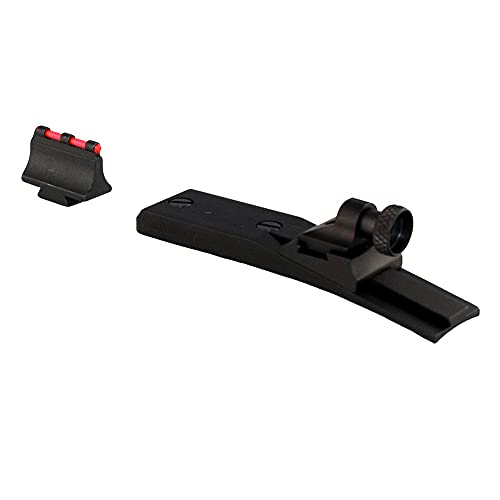
- ARS Mark8.8
ARS Mark is a ranking system developed by bestairriflescopes.com. ARS Mark has no relationship or impact from any manufacturers or sales agent websites. Learn more
- BrandWilliams Gun Sight Company

- ARS Mark8.4
ARS Mark is a ranking system developed by bestairriflescopes.com. ARS Mark has no relationship or impact from any manufacturers or sales agent websites. Learn more
- BrandSporGain

- ARS Mark7.8
ARS Mark is a ranking system developed by bestairriflescopes.com. ARS Mark has no relationship or impact from any manufacturers or sales agent websites. Learn more
- BrandZOEKIM

- ARS Mark4.0
ARS Mark is a ranking system developed by bestairriflescopes.com. ARS Mark has no relationship or impact from any manufacturers or sales agent websites. Learn more
- BrandPragmatic Shooting
Last update on 2026-10-01 / Affiliate links / Images, Product Titles, and Product Highlights from Amazon Product Advertising API


12 Best 22 Pcp Air Rifle For Hunting of 2026 With Quiet Power

7 Best 22 Pcp Air Rifle Under 300 of 2026 For Backyard Pest Control

10 Best 22 Break Barrel Air Rifles of 2026 For Backyard Pest Control

10 Best 30 Caliber Pcp Air Rifle of 2026 For Medium Game

Top Best 177 Air Rifle Under 100: Budget-Friendly Picks for 2026

How to Safely Reload Shotgun Shells at Home

11 Best Co2 Air Rifle For Pest Control of 2026 To Ensure Humane Dispatch

12 Best Inexpensive Air Rifles of 2026 For Dependable Backyard Accuracy






