
How to Sight In a Crossbow Scope Without Guesswork

How to sight in a crossbow scope sounds simple until bolts start landing high, drifting left, or grouping like scattered confetti. Plenty of hunters and backyard shooters hit that wall after mounting a new scope or switching bolt weight. One tiny adjustment can throw off the entire setup, and honestly, that frustration builds fast. A clean sight-in process helps tighten groups, saves expensive bolts, and keeps confidence steady once the trigger breaks.
Crossbow scopes demand more patience than many people expect. Unlike casual target shooting, crossbows react heavily to small inconsistencies like uneven rests, rushed shots, poor stance, or mismatched yardage settings. A shaky bench or hurried adjustment can turn a straightforward session into a long afternoon packed with second-guessing. Getting familiar with scope calibration, proper bolt alignment, and distance markers makes the process smoother and far less irritating.
Most problems actually begin before the first shot ever leaves the rail. Loose mounting rings, incorrect eye relief, or poor lighting conditions often create misleading shot patterns. Then the cycle starts. Adjust, shoot, miss, repeat. A stable shooting platform paired with careful scope adjustments usually fixes those headaches quicker than constantly cranking turrets after every bolt.
Distance matters more than people realize, too. Plenty of shooters start too far from the target, which makes corrections messy and inconsistent. Beginning at closer ranges helps establish a reliable center point before stretching out to longer distances. That gradual approach builds a stronger understanding of crossbow trajectory instead of relying on luck and hope.
Weather can also stir up problems nobody talks about enough. Wind drift, low visibility, and shifting light conditions affect bolt flight more than many expect, especially with lightweight bolts. Cold temperatures may even change how strings and limbs behave during repeated shots. Paying attention to those little environmental shifts helps create more dependable results once hunting season rolls around.
Confidence changes everything during a shot sequence. A properly sighted scope reduces hesitation, keeps movement calmer, and allows cleaner follow-through at different yardages. Also, fewer unnecessary adjustments mean less wear on equipment and less wasted time at the range. Consistent accuracy usually comes from small disciplined habits rather than flashy gear upgrades.
Some shooters prefer speed while others obsess over tiny groups, but both benefit from a repeatable process. Careful adjustments, steady pacing, and realistic distance expectations create a setup that feels trustworthy instead of unpredictable. A crossbow should feel controlled, not chaotic. That’s the sweet spot most people are really chasing.

- ARS Mark9.2
ARS Mark is a ranking system developed by bestairriflescopes.com. ARS Mark has no relationship or impact from any manufacturers or sales agent websites. Learn more
- BrandUUQ
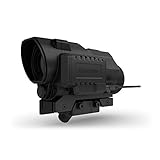
- ARS Mark9.0
ARS Mark is a ranking system developed by bestairriflescopes.com. ARS Mark has no relationship or impact from any manufacturers or sales agent websites. Learn more
- BrandGarmin

- ARS Mark8.8
ARS Mark is a ranking system developed by bestairriflescopes.com. ARS Mark has no relationship or impact from any manufacturers or sales agent websites. Learn more
- BrandTipfun

- ARS Mark8.6
ARS Mark is a ranking system developed by bestairriflescopes.com. ARS Mark has no relationship or impact from any manufacturers or sales agent websites. Learn more
- BrandMidTen
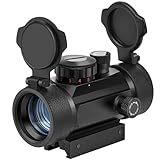
- ARS Mark8.6
ARS Mark is a ranking system developed by bestairriflescopes.com. ARS Mark has no relationship or impact from any manufacturers or sales agent websites. Learn more
- BrandEZshoot

- ARS Mark8.2
ARS Mark is a ranking system developed by bestairriflescopes.com. ARS Mark has no relationship or impact from any manufacturers or sales agent websites. Learn more
- BrandMidTen

- ARS Mark8.2
ARS Mark is a ranking system developed by bestairriflescopes.com. ARS Mark has no relationship or impact from any manufacturers or sales agent websites. Learn more
- BrandTPO

- ARS Mark7.8
ARS Mark is a ranking system developed by bestairriflescopes.com. ARS Mark has no relationship or impact from any manufacturers or sales agent websites. Learn more
- BrandGotical
Last update on 2026-05-27 / Affiliate links / Images, Product Titles, and Product Highlights from Amazon Product Advertising API
How To Sight In A Crossbow Scope
Missing a target by just a couple inches can wreck confidence fast, especially after spending hours dialing in bolts, broadheads, and gear. One crooked adjustment or rushed shot can send groups drifting all over the target, leaving even experienced shooters irritated. Plenty of crossbow owners start blaming the scope first, but shaky rests, inconsistent trigger pulls, and rushed distance adjustments usually create the bigger mess. A clean process for how to sight in a crossbow scope helps tighten shot placement, saves expensive bolts, and makes every practice session feel far less chaotic.
Start With A Stable Shooting Setup
A wobbly shooting bench ruins accuracy before the first bolt even leaves the rail. Crossbows generate enough force that tiny movements at the front rest can shift impact points more than people expect. A solid bench paired with a steady shooting bag keeps the bow level and removes unnecessary variables during sight-in sessions. Explore dependable support options through best rear rifle bag setups that help steady the stock and reduce movement.
Soft backyard chairs and uneven folding tables create all sorts of trouble. Bolts may appear inconsistent even though the scope itself is perfectly fine. A firmer shooting position improves group consistency, especially during repeated shots at 20 yards. Stable support also helps reduce shoulder tension, which quietly affects aim more than most shooters realize.
Crossbow limbs store a huge amount of energy, so recoil movement matters. Even slight twisting during the trigger pull can shift impact points left or right. Keeping the foregrip position consistent between shots helps maintain repeatable accuracy across multiple distances. Little habits matter here. Tiny corrections often produce the biggest improvements.
Lighting conditions deserve attention too. Shadows across the target or glare inside the optic can create misleading sight pictures. Bright but indirect lighting usually provides cleaner reticle visibility and sharper target contrast. A comfortable setup keeps the shooter relaxed, and relaxed shooting almost always leads to tighter groups.
Check Scope Mounts Before Adjustments
Loose scope rings cause endless frustration during sight-in sessions. Plenty of shooters waste half a dozen bolts adjusting windage and elevation when the actual problem sits right at the mounting rail. Tightening screws evenly helps prevent the scope tube from shifting under vibration. Secure mounting creates a stronger foundation for consistent zero retention.
Overtightening can create another headache, though. Cranked-down rings may pinch the scope tube and damage internal components over time. A moderate, balanced fit keeps the optic secure without stressing the housing. Small torque adjustments make a noticeable difference once repeated shots start stacking together.
Eye relief also affects accuracy more than people expect. A scope positioned too far forward or backward forces awkward head placement during aiming. Comfortable cheek weld and natural eye alignment improve target acquisition while reducing fatigue during longer practice sessions. Good positioning should feel effortless rather than forced.
Reticle leveling deserves patience too. Crooked crosshairs throw off long-distance shots and create frustrating diagonal drift patterns. A simple bubble level or careful alignment against vertical objects helps square the optic properly. That extra attention prevents confusing corrections later at extended ranges.
Begin At Close Range First
Starting too far from the target wastes time and bolts. Plenty of shooters jump straight to 40 yards, miss repeatedly, then chase adjustments in every direction. Beginning at 10 or 15 yards allows fast corrections without guessing where the bolt actually landed. Short-range sighting builds a reliable baseline for later distance tuning.
Crossbow bolts drop faster than many new shooters expect. Even premium optics cannot compensate for poor early adjustments. A closer target helps isolate whether the problem comes from elevation, windage, or inconsistent shooting form. Tightening groups early improves confidence before moving farther downrange.
Three-shot groups work better than single-shot corrections. One lucky bolt doesn’t tell the whole story. Consistent clusters reveal the true center point and provide better data for scope adjustments. That slower approach prevents constant overcorrection, which often creates more problems than it solves.
Patience pays off here. Quick adjustments after every shot usually create frustration instead of progress. Small turret movements followed by another careful group keep the process controlled and predictable. Crossbow sight-in sessions become smoother once shooters stop rushing every correction.
Use The Right Bolts Every Time
Mixed bolt weights create messy results fast. Different grains, vane styles, or shaft lengths alter bolt flight enough to confuse even experienced shooters. Keeping one consistent bolt setup during sight-in sessions improves trajectory reliability and makes adjustments easier to track. Consistency matters far more than fancy accessories.
Damaged bolts also create hidden problems. Tiny cracks or bent shafts can throw impacts several inches off target without obvious warning signs. Checking bolts carefully before shooting helps avoid false scope corrections and reduces safety risks. One damaged shaft can completely ruin an otherwise accurate group.
Broadheads complicate things further. Practice points and hunting broadheads rarely hit exactly the same spot. Many shooters sight in with field points, then panic later after broadheads drift off center. Matching bolt weight and point style during practice builds more dependable real-world accuracy.
Arrow spine and nock fit influence consistency too. Loose-fitting nocks or mismatched shafts create unpredictable bolt release patterns. Smooth, secure engagement against the string helps maintain steady energy transfer during each shot. Reliable equipment reduces unnecessary variables before hunting season arrives.
Adjust Windage And Elevation Slowly
Big turret adjustments rarely solve problems cleanly. One aggressive turn can shift impact points farther than expected, especially at close range. Small corrections followed by measured shooting groups create a more predictable sight-in process. Slow adjustments help maintain control rather than sending shots bouncing across the target face.
Many scopes use quarter-inch adjustments at specific distances, though crossbow optics vary slightly between brands. Reading the turret markings carefully prevents accidental overcorrection. Tiny clicks may feel insignificant at first, but they add up quickly once distance increases. Calm pacing matters here more than speed.
Windage problems often come from shooting form instead of the scope itself. Jerking the trigger or gripping the fore-end inconsistently can shift impacts sideways. Consistent shoulder pressure and steady follow-through help reveal whether the optic truly needs correction. Stable mechanics expose the real accuracy pattern.
Elevation adjustments usually require extra patience because bolt drop changes rapidly across distances. Small upward or downward changes create dramatic effects once targets move beyond 30 yards. Careful tuning improves multi-yard reticle performance and reduces surprises during longer shots.
Practice Trigger Control And Follow-Through
Crossbow triggers feel different from rifle triggers, especially on entry-level setups. Some break cleanly while others feel stiff or uneven. Slapping the trigger creates unnecessary movement right before bolt release, which sends groups drifting unpredictably. Smooth trigger pressure helps maintain shot stability during sight-in sessions.
Breathing patterns affect accuracy too. Rushed breathing creates tension in the shoulders and upper body, especially after repeated misses. Slowing down, settling naturally behind the stock, and squeezing carefully keeps the reticle steadier through the shot. Calm mechanics improve consistency far more than constant scope adjustments.
Follow-through gets ignored constantly, yet it matters. Lifting the head immediately after firing often causes subtle movement before bolt exit. Staying locked on target for an extra second improves form and builds cleaner shooting habits over time. That little pause sharpens overall shot execution.
Fatigue changes everything after enough shots. Tired shoulders and strained eyes make groups open up fast, especially during longer practice sessions. Taking short breaks keeps concentration sharper and prevents sloppy corrections driven by frustration. Fresh focus usually produces better results than endless shooting.
Match Yardage Marks Correctly
Crossbow scopes with multiple aiming points need proper speed calibration to work correctly. Many optics include adjustable speed rings that match reticle drop points to bolt velocity. Incorrect speed settings throw off every lower aiming mark and create ugly misses at longer ranges. Accurate calibration improves distance confidence significantly.
Chronograph readings help, but realistic field shooting matters more. Manufacturer speed ratings often differ from real-world performance once bolt weight and accessories change. Shooting actual distances reveals how the scope behaves with the complete setup. Practical testing beats guesswork every single time.
Many shooters zero at 20 yards before checking secondary reticles at 30 and 40 yards. That gradual process exposes whether the speed adjustment ring needs refinement. Small tweaks often bring all aiming points closer together without requiring major corrections. Careful calibration builds predictable trajectory control.
Weather conditions can affect yardage performance too. Strong crosswinds and temperature shifts slightly alter bolt flight, especially at extended distances. Practicing in varied conditions prepares shooters for more realistic hunting situations instead of perfect range-day environments.
Use Rangefinders For Better Accuracy
Judging distance by eye creates more missed shots than many shooters admit. Targets that look close often sit several yards farther away, and those tiny miscalculations matter with crossbow bolt drop. Accurate ranging improves holdover precision and keeps reticle marks aligned properly. Explore practical distance tools through best range finder for archery options that help reduce guessing in the field.
Tree stands create tricky angle shots too. Elevated shooting positions distort visual distance perception, especially in wooded terrain. A reliable rangefinder provides cleaner yardage data before the shot sequence even begins. Better distance readings lead to stronger shot placement consistency.
Fast target acquisition becomes easier with repeated rangefinder practice. Experienced shooters often range landmarks ahead of time instead of fumbling during critical moments. Knowing exact distances to rocks, trees, or trail crossings creates smoother decision-making once game appears. Preparation reduces rushed movement and shaky aim.
Cheap optics sometimes struggle in low-light conditions, though. Dim displays or inconsistent readings create frustration near dawn and dusk. Clear optics with reliable ranging speed help maintain confidence during changing light conditions. Good distance data supports every other adjustment made during the sight-in process.
Best Way To Sight In A Crossbow Scope
Confidence disappears quickly after a few bad shots, especially once bolts start landing nowhere near the expected point of impact. Frustration builds even faster during longer practice sessions where every adjustment seems to make things worse instead of better. The best way to sight in a crossbow scope usually comes down to patience, repeatable shooting habits, and reducing small mistakes that quietly wreck accuracy. A calmer process keeps the scope aligned properly and helps every correction feel more predictable instead of random.
Watch For Common Scope Problems
Cheap mounting hardware causes more issues than many shooters realize. Scope rings that shift slightly during repeated shots create wandering groups and inconsistent impact points. Tightening screws carefully and checking alignment every few rounds helps maintain stable zero retention. A quick inspection before each practice session saves time, bolts, and unnecessary frustration.
Foggy optics create another hidden problem. Sudden temperature swings can cloud lenses and distort reticle clarity, especially during early morning practice. Dirty glass makes aiming points appear softer and less precise, which leads to poor shot placement. Keeping lenses clean improves target visibility and reduces eye strain during longer sessions.
Crossbow recoil may not feel brutal like a heavy rifle, but vibration still affects optic durability over time. Weak internal components sometimes lose zero after repeated use, particularly on lower-cost scopes. Watching for drifting impact points after solid groups helps identify whether the issue comes from the shooter or the optic itself. Consistent performance matters far more than flashy scope features.
Reticle brightness settings deserve attention too. Overly bright illumination blooms against darker targets and hides fine aiming points. Lower brightness often produces a cleaner sight picture, especially during low-light conditions. Small visibility tweaks can sharpen shot precision dramatically without touching the adjustment turrets.
Control Bolt Drop At Longer Distances
Crossbow bolts lose height quickly once targets move beyond 30 or 40 yards. Plenty of shooters panic after seeing sudden drop changes and start making massive scope corrections. Slower, measured adjustments paired with careful distance checks create far more reliable results. Consistent holdover practice improves long-range confidence without turning every shot into a guessing game.
Wind affects bolt flight more than many expect. Lightweight hunting bolts drift noticeably in crosswinds, especially during elevated stand shots. Calm range conditions rarely prepare shooters for unpredictable outdoor environments. Practicing in mixed weather helps build more realistic expectations for field accuracy.
Target size changes perception too. Large foam blocks often hide slight accuracy issues because misses still appear “close enough.” Smaller targets expose inconsistencies immediately and force cleaner execution during every shot sequence. That pressure sharpens concentration and improves consistency over time.
Laser rangefinders help remove distance guesswork during longer shots. Tiny yardage mistakes create major impact changes once bolts start dropping rapidly downrange. Reliable distance readings improve reticle use and reduce rushed corrections in the field. Compare practical ranging setups through best bow for elk hunting discussions that often highlight realistic long-distance shooting conditions.
Build Better Shooting Habits
Bad habits creep in quietly after enough rushed practice sessions. Some shooters grip the fore-end too tightly while others lift their head before the bolt clears the rail. Those tiny movements create frustrating inconsistencies that no scope adjustment can fully fix. Cleaner mechanics produce stronger repeatable accuracy than constant turret tweaking.
Dry firing anxiety causes problems too. Nervous shooters sometimes hover awkwardly over the trigger instead of squeezing naturally through the shot. Smooth trigger pressure keeps the reticle calmer and reduces last-second movement during release. Comfortable shooting rhythm matters more than brute force concentration.
Body positioning changes shot consistency dramatically. Leaning unevenly into the stock or twisting the torso slightly shifts impact points across multiple shots. Relaxed shoulder alignment paired with steady cheek weld creates cleaner bolt release patterns. Strong form supports reliable grouping at every distance.
Practice pacing matters just as much. Firing too quickly heats tempers and clouds judgment after missed shots. Slower shooting sessions with careful bolt inspection and measured adjustments usually lead to better long-term results. Calm repetition builds confidence far faster than rushed volume shooting.
Use Better Target References
Busy target designs make sight-in sessions harder than they need to be. Cluttered backgrounds blur aiming points and create inconsistent focus patterns through the scope. Simple bullseye targets with strong contrast improve reticle clarity and make corrections easier to track after every group.
Grid targets help measure adjustment accuracy more precisely. Instead of guessing how far impacts shifted, shooters can compare movement against visible reference lines. That extra visual structure speeds up scope tuning and prevents sloppy corrections. Tiny improvements become easier to notice immediately.
Target placement matters too. Uneven hillsides or angled backstops create misleading sight pictures that affect vertical alignment. Flat, level targets provide more dependable feedback during scope adjustments. Straight sight references improve elevation consistency across repeated shots.
Lighting behind the target changes visibility as well. Harsh sunlight sometimes washes out aiming points while deep shadows hide impact locations completely. Slight repositioning often improves visibility without changing any equipment. Cleaner sight pictures usually create steadier shooting behavior.
Adjust For Hunting Broadheads
Broadheads rarely behave exactly like field points, especially at longer ranges. Fixed-blade broadheads may plane slightly during flight, creating left or right drift patterns that surprise newer shooters. Testing broadheads before hunting season prevents ugly surprises once real opportunities appear. Accurate tuning improves ethical shot placement during high-pressure moments.
Broadhead sharpness also affects penetration consistency. Dull blades can create unpredictable entry angles after impact, especially on tougher targets. Sharp, balanced heads usually fly more consistently and maintain steadier trajectory patterns. Tiny details matter once shots stretch farther downrange.
Crosswind drift increases with broadheads too. Larger blade surfaces catch moving air more aggressively than streamlined practice tips. Practicing in mild wind conditions helps shooters learn realistic bolt behavior before entering the woods. Better preparation supports cleaner real-world accuracy.
Bow tuning becomes more noticeable with broadheads attached. Small alignment issues hidden by field points suddenly appear during broadhead testing. Careful rail inspection, bolt consistency, and stable nock engagement help reduce unwanted flight variation. Balanced setups improve confidence dramatically once broadheads start grouping tightly.
Improve Visibility In Low Light
Dawn and dusk expose weaknesses in both optics and shooting habits. Dim visibility causes shooters to rush shots or lose clean reticle focus against darker backgrounds. Better light transmission inside the scope improves target definition during critical low-light moments. Clearer sight pictures reduce hesitation and shaky aim.
Lens coatings play a bigger role than many expect. Poor coatings create glare and muddy contrast once natural light fades. Stronger contrast helps separate aiming points from dark brush, tree lines, or shadowed targets. Cleaner visuals support steadier decision-making during tense moments.
Eye fatigue becomes a real problem after extended low-light shooting. Squinting through dim optics strains focus and slows reaction time. Brief rest periods help maintain sharper vision and cleaner target alignment. Relaxed eyes support consistent shot execution far better than forced concentration.
Peep alignment techniques from vertical bow shooting sometimes help crossbow users sharpen focus habits too. Explore aiming reference ideas through best peep sight for recurve bow discussions that highlight cleaner sight picture control and steadier alignment habits.
Know When To Stop Adjusting
Overcorrecting destroys plenty of solid scope setups. Shooters often keep chasing tiny changes long after the crossbow already groups well enough for practical hunting distances. Constant adjustments usually create confusion instead of improvement. Stable groups matter more than obsessing over impossible perfection.
Fatigue clouds judgment fast during long practice sessions. Tired shoulders, strained eyes, and growing frustration make small problems appear much larger than they actually are. Walking away for a short break often resets focus and improves shooting rhythm immediately. Fresh concentration supports smarter adjustments.
Weather changes can also trick shooters into unnecessary corrections. Gusting wind or changing temperatures shift bolt flight patterns enough to create temporary inconsistencies. Waiting for calmer conditions often reveals that the original zero remained accurate all along. Patience prevents wasted effort and unnecessary scope movement.
Reliable crossbow accuracy usually comes from repeatable habits instead of endless tweaking. Stable form, clean optics, consistent bolts, and measured corrections create dependable performance over time. Tight groups start feeling less accidental and far more controlled once every small detail begins working together properly.


12 Best 22 Pcp Air Rifle For Hunting of 2026 With Quiet Power

7 Best 22 Pcp Air Rifle Under 300 of 2026 For Backyard Pest Control

10 Best 22 Break Barrel Air Rifles of 2026 For Backyard Pest Control

10 Best 30 Caliber Pcp Air Rifle of 2026 For Medium Game

Top Best 177 Air Rifle Under 100: Budget-Friendly Picks for 2026

How to Safely Reload Shotgun Shells at Home

11 Best Co2 Air Rifle For Pest Control of 2026 To Ensure Humane Dispatch

12 Best Inexpensive Air Rifles of 2026 For Dependable Backyard Accuracy






