
How to Sight in a Crossbow with a Scope for Accuracy

Learning how to sight in a crossbow with a scope is the difference between a clean, confident shot and endless frustration on the range or in the woods. Many beginners get tangled up with misaligned optics, wasted bolts, or the nagging doubt that their gear won’t perform when it matters. On the flip side, even seasoned hunters sometimes wrestle with consistency if their scope isn’t dialed in just right. That’s why mastering this process isn’t just about equipment, it’s about peace of mind. The audience for this guide often feels overwhelmed by the technical side of sighting. They worry about how many shots it will take, if they’re adjusting turrets correctly, or whether they’ll end up chasing their arrows all afternoon. But here’s the kicker: with the right steps and a touch of patience, sighting in becomes a straightforward ritual that actually builds confidence. You’ll no longer second-guess your crossbow before every hunt. Another big pain point is wasted time and money. Shooting multiple bolts that constantly miss the mark drains energy and eats into gear costs. By focusing on clear steps and simple adjustments, you’ll reduce wasted arrows and save yourself plenty of headaches. Plus, the sense of control you gain once your scope is dialed in can’t be overstated, it transforms hunting from a gamble into a skill-based pursuit where success feels earned. This content is designed for hunters, target shooters, and outdoor enthusiasts who crave precision and reliability. Whether you’re setting up your very first crossbow or fine-tuning before the big season opener, the insights here will help you align scope and string with confidence. With a few practical tweaks, you’ll shoot straighter, tighten groups, and finally stop worrying about whether your shot will hold true.
Stepping up to the target with shaky confidence is no way to enjoy shooting. That’s why knowing how to sight in a crossbow with a scope can completely change the game for hunters and hobbyists alike. Instead of watching arrows drift off-center and wondering if it’s your fault or the equipment’s, you’ll have a reliable process that eliminates the guesswork. For many shooters, the pain is real, misaligned scopes, wasted bolts, and hours lost fiddling with adjustments that never seem to stick. It’s frustrating, expensive, and downright discouraging. But once you crack the code, the entire experience shifts. The bow feels like an extension of your body, the scope becomes a trusted ally, and your confidence skyrockets. This isn’t about complicated jargon or advanced ballistics charts. It’s about providing practical steps and simple fixes that speak directly to the struggles you face on the range. Whether you’re brand-new to crossbows or you’ve been slinging bolts for years, sighting in is the foundation that sets up every accurate shot. Get this right, and the rest of your shooting journey falls neatly into place.
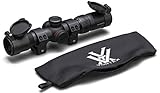
- ARS Mark9.4
ARS Mark is a ranking system developed by bestairriflescopes.com. ARS Mark has no relationship or impact from any manufacturers or sales agent websites. Learn more
- BrandVortex

- ARS Mark9.4
ARS Mark is a ranking system developed by bestairriflescopes.com. ARS Mark has no relationship or impact from any manufacturers or sales agent websites. Learn more
- BrandUUQ

- ARS Mark9.2
ARS Mark is a ranking system developed by bestairriflescopes.com. ARS Mark has no relationship or impact from any manufacturers or sales agent websites. Learn more
- BrandCVLIFE

- ARS Mark9.0
ARS Mark is a ranking system developed by bestairriflescopes.com. ARS Mark has no relationship or impact from any manufacturers or sales agent websites. Learn more
- BrandCVLIFE

- ARS Mark8.8
ARS Mark is a ranking system developed by bestairriflescopes.com. ARS Mark has no relationship or impact from any manufacturers or sales agent websites. Learn more
- BrandCVLIFE
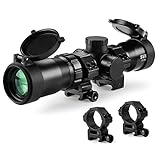
Professional Crossbow Scope, 300-450FPS(1.5-5x32), 20-100 Yards High Brightness and high
View on Amazon- ARS Mark8.8
ARS Mark is a ranking system developed by bestairriflescopes.com. ARS Mark has no relationship or impact from any manufacturers or sales agent websites. Learn more
- BrandSVITVU

- ARS Mark8.6
ARS Mark is a ranking system developed by bestairriflescopes.com. ARS Mark has no relationship or impact from any manufacturers or sales agent websites. Learn more
- BrandTRUGLO
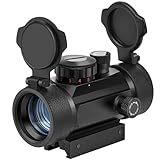
- ARS Mark8.6
ARS Mark is a ranking system developed by bestairriflescopes.com. ARS Mark has no relationship or impact from any manufacturers or sales agent websites. Learn more
- BrandEZshoot

- ARS Mark8.6
ARS Mark is a ranking system developed by bestairriflescopes.com. ARS Mark has no relationship or impact from any manufacturers or sales agent websites. Learn more
- BrandHILIYOT
Last update on 2025-11-11 / Affiliate links / Images, Product Titles, and Product Highlights from Amazon Product Advertising API
For many hunters and target shooters, the thought of missing a perfect shot stings more than the price of a new pack of bolts. The truth is, how to sight in a crossbow with a scope isn’t just a technical step, it’s the backbone of consistent accuracy. Without proper sighting, even the best crossbow and premium arrows can betray you in the field. The pain here is clear: wasted time, wasted money, and wasted opportunities.
Another reason sighting is critical comes down to confidence. Nothing rattles a shooter like second-guessing whether the scope is on point. This nagging doubt creeps in during hunts and robs you of the calm focus needed for precise shooting. By sighting correctly, you build trust not only in your gear but in yourself. This mental edge is what separates the frustrated beginner from the calm, collected hunter who knows their shot will land.
Statistics reveal just how important it is: according to hunting gear surveys, nearly 70% of crossbow owners admit to missing key shots due to poor sighting or incorrect adjustments. That’s not a small figure, it’s a hard reminder that sighting isn’t optional, it’s essential. If you’ve ever felt the burn of watching an arrow drift wide of the target, then you already know the sting of that statistic.
Ultimately, this process isn’t about chasing perfection. It’s about eliminating the avoidable errors that derail performance. Each time you sight properly, you’re buying yourself insurance against those costly misses, whether on a deer at 30 yards or a bullseye in your backyard range.
Before diving into adjustments, gather the right tools. A common mistake is assuming the crossbow alone will get the job done. In reality, the setup matters as much as the shot. A stable shooting rest is non-negotiable. Trying to sight in offhand only magnifies human error, leading to more frustration than progress.
Next comes the scope itself. Many shooters underestimate how factory-mounted scopes can be off by inches. Even the top brands often require careful fine-tuning. Having a quality Allen wrench set and proper bolts matched to your bow’s draw weight are just as important. Imagine sighting in with cheap or mismatched arrows, they’ll give false feedback, making every adjustment feel like chasing ghosts.
Don’t forget about distance markers. Whether you’re shooting in the backyard or on a range, clearly identifying 20, 30, and 40-yard markers ensures consistency. Eyeballing distance is a recipe for inconsistency. This simple step is one of those overlooked details that separates the efficient shooter from the endlessly frustrated one.
A final tool worth mentioning is patience. It sounds cliché, but patience is as real a tool as the wrench in your hand. Without it, sighting becomes a sloppy rush, and sloppy work equals sloppy shots. Take the time now, and it’ll save countless headaches later.
The first adjustment is always at a short distance, usually 10 to 20 yards. Beginners often make the mistake of starting farther, which only magnifies small errors. By beginning close, you can quickly determine whether your arrows are grouping tight, even if they’re not hitting bullseye. Tight groupings mean the crossbow is consistent; from there, scope adjustments can bring the group into the target’s center.
Start by firing three arrows, always from a steady rest. If they land high, low, left, or right, don’t move your feet or aim differently, adjust the scope turrets instead. This is where frustration creeps in for many shooters. They wonder, “Why do my arrows keep drifting?” The answer is usually simple: they’re compensating with their body instead of relying on the scope. Trust the process, let the optics do the work.
One important key here is knowing the adjustment scale. Most scopes move in increments, typically ¼ inch at 20 yards. That means a single click can shift your point of impact noticeably. Fiddle with it like you’re tuning a radio, small, precise changes are what get you dialed in. Over-adjusting only throws you into a loop of endless corrections.
Keep repeating the three-shot pattern. Resist the urge to move after every single arrow. Consistency is built through groups, not individual shots. This mindset alone helps save bolts, time, and sanity.
The number one pitfall? Rushing. Many shooters fire too quickly, anxious to see results. But rushing robs you of consistency. Remember, how to sight in a crossbow with a scope is a deliberate process, not a sprint. Slow down, take steady breaths, and allow each arrow to tell its story before making changes.
Another mistake is ignoring the type of bolts used. A lightweight practice arrow might fly differently from a hunting broadhead. That difference might not seem huge in theory, but in practice it can mean missing your target by several inches at hunting range. Always sight in with the exact type of bolts you plan to use in the field.
Improper stance and grip are also silent culprits. A crossbow isn’t forgiving of sloppy form. If you’re pulling against the stock inconsistently or letting your hand creep near the string, you’re introducing variables that no scope adjustment can fix. Proper form is as vital as turret clicks.
Finally, one of the costliest errors is failing to lock in adjustments. After sighting in, shooters sometimes forget to secure their turrets or check mounts. The recoil of repeated shots can loosen things over time. This small oversight can erase hours of careful sighting work. Securing everything after adjustments ensures your accuracy lasts.
Once you’ve zeroed in your scope, the real benefit comes from repetition. Shooting consistently at different distances reinforces confidence in your gear. It’s not enough to nail bullseye at 20 yards and call it a day. Real-world hunting often demands accuracy at multiple ranges. By practicing at 30, 40, or even 50 yards, you teach your brain and body to trust the bow no matter the distance.
Statistics back this up: studies show that hunters who practice at multiple distances are 40% more successful in real-life scenarios compared to those who only practice short-range. That’s because they’ve trained for unpredictability. Game doesn’t stand still at neat, measured yardage. It moves, shifts, and tests your flexibility.
Another confidence booster is logging your results. Keep a notebook or use an app to record group sizes, distances, and adjustments. Seeing progress on paper does wonders for morale. It also provides a trail of feedback if accuracy starts to drift later. Instead of panicking, you can revisit your notes and retrace the fix.
Ultimately, confidence isn’t born overnight. It’s the product of steady, intentional practice. The reward? A level of calm assurance that steadies your hand and sharpens your eye when the perfect moment arrives.
Once the short-range sighting is squared away, the next step is pushing out to longer distances. Many shooters assume that once they’re dialed at 20 yards, the job is done. But how to sight in a crossbow with a scope also means knowing exactly how your bolts behave at 30, 40, and even 50 yards. Long-range tuning exposes small inconsistencies that can make or break a shot in the wild.
Start by stretching to 30 yards. Use the same process, steady rest, three-shot groups, and small scope adjustments. Most modern scopes come with multiple reticle lines or dots designed for these extended ranges. Aligning your bolt impact with the correct aiming point takes patience, but the payoff is immense: smoother transitions between distances and a more versatile shooting profile.
The key factor at this stage is discipline. Don’t rush to 50 yards until you’re consistently tight at 30 and 40. Each distance adds new challenges, wind drift, bolt drop, and shooter fatigue. By progressing slowly, you’re stacking skills rather than skipping steps. The reward is a scope perfectly tuned across a spectrum of real-world scenarios.
One seasoned hunter put it this way: “Long-range sighting doesn’t just improve my accuracy, it builds trust. I know exactly where my bolt will land, no matter the distance.” That trust is what turns good shooters into great ones.
It’s one thing to sight in on a calm range; it’s another to shoot in the unpredictability of the woods. This is where hunters often struggle. A perfectly sighted scope doesn’t automatically guarantee success in shifting wind, uneven terrain, or low light. Adapting to real hunting conditions is a critical extension of sighting practice.
Wind, for example, can nudge a bolt just enough to send it off target. Practicing in varying conditions teaches you how much to compensate. The same goes for shooting angles. Firing downhill from a tree stand changes bolt trajectory, which means you must practice those shots before the season begins.
Lighting conditions matter too. Dawn and dusk are prime hunting hours, but they can make scopes harder to read. Testing your optics in low light ensures you know exactly how your reticle behaves when visibility isn’t ideal. Too many hunters lose confidence at the worst moment simply because they’ve only practiced under perfect lighting.
In short, adapting your sighting process for the environment bridges the gap between the range and the field. This preparation not only boosts performance but also cuts down on the stress of unpredictable scenarios.
Sighting isn’t a one-time ritual, it’s an ongoing process. Even the most expensive scopes can drift out of alignment after dozens of shots or a rough transport. That’s why regular maintenance is every bit as important as the initial setup. Consistent upkeep protects your accuracy and ensures your scope remains reliable season after season.
Start with checking mounts. Loose screws are silent killers of precision. A quick inspection before every session can save hours of troubleshooting later. Keep a small toolkit in your bag so you can tighten things on the fly.
Cleaning is another overlooked necessity. Dust, moisture, and even fingerprints on lenses can distort vision. A proper lens cloth and anti-fog solution go a long way in preserving clarity. Hunters in damp or cold climates should pay particular attention, moisture inside a scope can permanently damage its performance.
Lastly, re-sighting periodically is non-negotiable. Any time you change bolts, swap broadheads, or even transport your crossbow over rough terrain, take a few practice shots to confirm alignment. Think of it like checking the oil in your truck: small steps now prevent big problems later.
The ultimate goal isn’t just learning how to sight in a crossbow with a scope once, it’s developing a repeatable system. This system should be second nature, something you can fall back on whenever doubts creep in. By combining proper tools, consistent practice, and ongoing maintenance, you create a loop of reliability that supports every shot.
One of the biggest benefits of building this system is mental freedom. Instead of worrying whether your gear will hold up, you can focus entirely on the shot. The mental clarity this brings is as valuable as any mechanical adjustment. Confidence becomes a built-in feature of your shooting style.
Consider the financial angle too. Wasted bolts and missed opportunities add up quickly. A dependable sighting system reduces costs over time and stretches the lifespan of your gear. That’s money back in your pocket and less stress during every practice session.
In the end, this system is your insurance policy. It guards against wasted effort, ensures consistent accuracy, and provides peace of mind when it matters most. Hunters and shooters who build this discipline find that their equipment feels less like a tool and more like an extension of their body.
At its core, learning how to sight in a crossbow with a scope delivers three priceless rewards: accuracy, confidence, and control. Accuracy means your bolts land exactly where they should, time after time. Confidence means stepping up to the target without hesitation or doubt. Control means owning every aspect of the process, from setup to shot.
These rewards aren’t abstract. They translate into real outcomes: cleaner hunts, tighter groups on the range, and a deeper enjoyment of the sport. As one experienced archer said, “Once my scope was dialed in, shooting stopped being a chore and started being pure fun.”
The beauty of this process is that it scales with you. Beginners learn faster, and seasoned hunters refine their edge. The payoff is always there for those willing to commit. What starts as a technical adjustment evolves into a skill that shapes your entire shooting journey.
Accuracy, confidence, and control, three benefits that define not just your gear, but you as a shooter. And that’s the true reward of doing this right.


12 Best 22 Pcp Air Rifle For Hunting of 2026 With Quiet Power

7 Best 22 Pcp Air Rifle Under 300 of 2026 For Backyard Pest Control

10 Best 22 Break Barrel Air Rifles of 2026 For Backyard Pest Control

10 Best 30 Caliber Pcp Air Rifle of 2026 For Medium Game

Top Best 177 Air Rifle Under 100: Budget-Friendly Picks for 2026

How to Safely Reload Shotgun Shells at Home

11 Best Co2 Air Rifle For Pest Control of 2026 To Ensure Humane Dispatch

12 Best Inexpensive Air Rifles of 2026 For Dependable Backyard Accuracy






