
How to Sight In a Rifle in Under 15 Rounds

Sighting in a rifle comes down to resting the frame on a solid support, firing a close cluster of shots, and moving the sight dials until the dot matches the bullet holes. How far you turn those adjustment knobs changes with your target distance and the click values marked on your optic. Starting at twenty-five yards keeps every shot on paper so boxes of expensive rounds do not vanish into the dirt.
Your ideal zero distance also changes the final math, whether you plan to finish at fifty yards or push out to one hundred. Using the exact ammunition you intend to hunt or practice with keeps your results predictable, while a rock-solid bench rest prevents your body from shaking the gun. Once the rifle sits firmly in place, zeroing becomes a simple mechanical routine.
Tight Screws Keep Your Reticle From Shifting Around
Start by clearing the firearm. Drop the magazine, pull the charging handle or bolt rearward, look directly into the chamber, and sweep a finger inside to confirm no cartridge remains. Store all ammunition in another room while preparing and mounting your gear.
Most zeroing problems start before you pull the trigger. If an optic moves even slightly under recoil, your shots scatter across the paper, wasting ammunition. An optic attaches to a standard Picatinny or 20mm slotted accessory rail on the rifle receiver. If the rail screws or ring clamps have any slack, the reticle loses alignment immediately.
Use this pre-range checklist to prepare your rifle:
- Clear the action: Keep the chamber empty, the magazine out, and the safety on during all mounting steps.
- Clean the rail: Wipe the rail grooves with a clean rag to remove factory oil and grit.
- Push the mount forward: When setting cross-bolts into the rail slots, push the optic toward the muzzle before tightening so recoil cannot slide it forward.
- Apply thread-locking fluid: Add a drop of blue thread-locking liquid to screw threads so rifle vibration cannot shake them loose.
- Torque screws evenly: Use an inch-pound torque tool (a handheld wrench measuring twisting force in inch-pounds without stripping threads) to tighten ring caps in an alternating pattern to manufacturer ratings (usually 15 to 25 inch-pounds).
- Check iron sight alignment: If your rifle uses iron sights, verify proper optic height for lining up backup iron sights to cowitness with your red dot as a quick visual reference.
Start at 25 Yards to Hit Paper on Shot One
Setting up your first target at 100 yards usually leads to missed paper and wasted rounds. Starting at 25 yards ensures your bullet lands on the target backer, giving you an immediate visual baseline so you can steer your shots quickly.
Before firing a live round, align the sight using a bore sight (a barrel-alignment tool projecting a guide dot on paper) or your own eyes. Follow these steps at 25 yards:
- Hang a grid target: Place a target sheet with a bold bullseye circle at 25 yards.
- Set up a stable rest: Support the rifle on a front sandbag and tuck a rear squeeze bag under the buttstock so the gun points at the target on its own.
- Check the bore line: On bolt-action rifles, remove the bolt and look through the open bore to center the bullseye in the barrel circle. On semi-automatic rifles, insert a laser bore sight tool into the chamber or muzzle.
- Align your reticle: Without bumping the rifle, turn your optic knobs until the aiming dot rests on the spot your bore sight or eye centered on the target.
- Clear the barrel: Remove the bore sight tool from the barrel immediately. Never chamber live ammunition while a tool remains in the muzzle.
Fire Three Slow Shots to Find Your True Impact Point
Adjusting your sight knobs after a single shot is a common mistake. One shot reflects human errors like a flinch, uneven breath, or a hard trigger pull. If you turn dials after every round, you will chase scattered holes across the paper all day.
Always shoot a 3-shot group before turning your dials. A group is a cluster of bullet holes fired at the exact same aiming spot using identical technique. Three shots cancel out minor errors and reveal the real mechanical path of your bullets.
Settle into a stable bench position. Support the forend on your front sandbag, making sure the bag touches the stock rather than the bare steel barrel. Pull the stock firmly into your shoulder pocket and rest your cheek on the stock comb.
Place the aiming dot over the center bullseye, exhale halfway, and pause. Gently press the trigger straight back until the shot breaks, holding the trigger back briefly through recoil. Fire three rounds at a steady pace, pausing twenty seconds between shots so your barrel stays cool.
Measure the target with a ruler. Find the exact center point between the three holes. That working center mark shows how far your rifle hits from your aiming mark.
Turn Adjustment Dials Toward Where You Want Bullets to Move
The turrets on your optic house two dials: windage (the left-to-right adjustment click dial) and elevation (the up-and-down adjustment click dial). The stamped arrows indicate where your bullet holes will move on paper, not how the internal reticle tilts. If your group lands low and left, turn the elevation dial toward "UP" and the windage dial toward "R" (Right).
Look at the caps to find your adjustment value, usually stated in Minutes of Angle (MOA). At 100 yards, 1 MOA covers about 1 inch. Because that angle narrows closer in, 1 MOA covers only 1/4 inch at 25 yards. With standard 1/2 MOA clicks, one click shifts your bullet impact by 1/8 inch at 25 yards. Sights with 1/4 MOA clicks move 1/16 inch per click at that distance.
Follow these steps to dial in your group:
- Measure vertical error: If your group sits 2 inches low, you need to shift the impact 2 inches upward.
- Calculate elevation clicks: With 1/2 MOA clicks (1/8 inch per click at 25 yards), divide 2 inches by 1/8 inch. Turn the elevation dial 16 clicks toward "UP".
- Measure horizontal error: If your group sits 1 inch to the left, you need 1 inch of rightward shift.
- Calculate windage clicks: For 1/2 MOA clicks, moving 1 inch at 25 yards requires 8 clicks. Turn the windage dial 8 clicks toward "R".
- Confirm your adjustment: Fire another 3-shot group. Your bullet holes should now punch through the center ring.
Confirm Your Zero at 50 or 100 Yards Next
A 25-yard zero puts your rifle on paper, but bullets travel in a curved arc rather than a flat line. The bullet leaves the muzzle lower than your optic, crosses your sight line on the way up, arches, and falls back down through gravity over distance. You must confirm your zero at your final working range.
A 50-yard zero works best for carbines fitted with non-magnified dot sights. Zeroing at 50 yards keeps common intermediate calibers within two inches of your point of aim from point-blank out to 200 yards. For scoped hunting rifles, a 100-yard zero remains the benchmark for field shooting.
Remember that each click covers more ground as target distance increases:
- At 50 yards: A 1/2 MOA click moves your impact 1/4 inch, while a 1/4 MOA click moves it 1/8 inch.
- At 100 yards: A 1/2 MOA click shifts impact 1/2 inch, and a 1/4 MOA click shifts it 1/4 inch.
Move your target board to your final distance. Settle into your rest bags, aim at the bullseye, and fire three steady shots. Your group will land close to center. Measure the remaining gap, make your minor click adjustments, and fire two final confirmation shots. Screw the protective turret caps back on, and your rifle is ready.
Check Barrel Heat and Rests When Shot Groups Spread Out
When bullets scatter randomly or climb in a straight line, turning dials will not fix the problem. Erratic groups point to hardware or technique issues rather than sight alignment.
Check this list before adjusting your optic again:
- Check for loose screws: Recoil can loosen optic rings or rail bases quickly. Grasp the optic body and check for movement by hand. If the sight wiggles, clear the rifle, apply thread-locking fluid, torque screws to spec, and restart at 25 yards.
- Let the barrel cool: Firing rapidly heats up steel barrels. As thin barrels heat, the metal expands unevenly, causing bullets to string vertically across the paper. Let the barrel cool until it feels warm, not hot, to your bare hand.
- Rest the stock, not the barrel: Never rest the metal barrel directly on a hard shooting post or bench edge. The barrel vibrates naturally when fired, and rigid contact bounces shots off target. Always support the soft forend of the stock on your rest.
- Stick with one ammunition load: Mixing different bullet weights or swapping between cheap target loads and hunting cartridges shifts your point of impact. Zero using the exact ammunition you plan to use in the field.
- Maintain a steady cheek weld: Rest your cheek on the rifle stock comb in the exact same spot every shot. Moving your head changes your eye angle through the optic glass, widening groups at longer ranges.
Choose Sights with Crisp Adjustments and Rugged Rail Clamps
Zeroing your rifle smoothly and holding that alignment through hundreds of rounds depends on the build quality of your optic. When choosing a dot sight, look for clean, audible click adjustments. High-grade dials provide positive mechanical feedback you can feel and hear with every click. Avoid sights with mushy dials where adjustments blend together, because vague clicks make calculating distance on paper difficult.
Pay close attention to the mounting base. A dependable optic needs a sturdy mounting clamp that locks firmly into standard Picatinny or 20mm slotted accessory rails without slipping under recoil. Also match your dot size to your shooting distance. A fine 2 MOA aiming dot leaves small bullseyes visible for precise zeroing at distance, while larger 4 to 6 MOA dots offer faster pickup up close. Finally, decide between open-window sights for wide visibility and enclosed tube sights for shielding lenses against rain, mud, and trail debris.

- ARS Mark9.7
ARS Mark is a ranking system developed by bestairriflescopes.com. ARS Mark has no relationship or impact from any manufacturers or sales agent websites. Learn more
- BrandN/A

- ARS Mark9.3
ARS Mark is a ranking system developed by bestairriflescopes.com. ARS Mark has no relationship or impact from any manufacturers or sales agent websites. Learn more
- BrandMajosta

- ARS Mark7.2
ARS Mark is a ranking system developed by bestairriflescopes.com. ARS Mark has no relationship or impact from any manufacturers or sales agent websites. Learn more
- BrandN/A

- ARS Mark8.5
ARS Mark is a ranking system developed by bestairriflescopes.com. ARS Mark has no relationship or impact from any manufacturers or sales agent websites. Learn more
- BrandCVLIFE

- ARS Mark7.1
ARS Mark is a ranking system developed by bestairriflescopes.com. ARS Mark has no relationship or impact from any manufacturers or sales agent websites. Learn more
- BrandFeyachi

- ARS Mark9.7
ARS Mark is a ranking system developed by bestairriflescopes.com. ARS Mark has no relationship or impact from any manufacturers or sales agent websites. Learn more
- BrandBOOLIT EYE

- ARS Mark9.2
ARS Mark is a ranking system developed by bestairriflescopes.com. ARS Mark has no relationship or impact from any manufacturers or sales agent websites. Learn more
- BrandEZshoot

- ARS Mark7.1
ARS Mark is a ranking system developed by bestairriflescopes.com. ARS Mark has no relationship or impact from any manufacturers or sales agent websites. Learn more
- BrandFeyachi
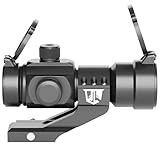
- ARS Mark9.2
ARS Mark is a ranking system developed by bestairriflescopes.com. ARS Mark has no relationship or impact from any manufacturers or sales agent websites. Learn more
- BrandOZARK ARMAMENT

- ARS Mark8.4
ARS Mark is a ranking system developed by bestairriflescopes.com. ARS Mark has no relationship or impact from any manufacturers or sales agent websites. Learn more
- BrandMOSANDON

- ARS Mark8.8
ARS Mark is a ranking system developed by bestairriflescopes.com. ARS Mark has no relationship or impact from any manufacturers or sales agent websites. Learn more
- BrandFeyachi
Last update on 2026-10-02 / Affiliate links / Images, Product Titles, and Product Highlights from Amazon Product Advertising API


12 Best 22 Pcp Air Rifle For Hunting of 2026 With Quiet Power

7 Best 22 Pcp Air Rifle Under 300 of 2026 For Backyard Pest Control

10 Best 22 Break Barrel Air Rifles of 2026 For Backyard Pest Control

10 Best 30 Caliber Pcp Air Rifle of 2026 For Medium Game

Top Best 177 Air Rifle Under 100: Budget-Friendly Picks for 2026

How to Safely Reload Shotgun Shells at Home

11 Best Co2 Air Rifle For Pest Control of 2026 To Ensure Humane Dispatch

12 Best Inexpensive Air Rifles of 2026 For Dependable Backyard Accuracy






