
How to Start Archery Without Buying Gear First

Starting archery can feel intimidating with so many bow styles out there, but there is no reason to worry. The smartest first step is to book a beginner rental lesson at a local range before spending money on equipment. An instructor will provide safe gear fitted to your reach, show you how to stand, and walk you through your first shots.
A few details will shape your path from there. Eye dominance, which is the eye your brain naturally uses to aim, determines whether you shoot right-handed or left-handed. Your personal interest also matters, such as relaxed backyard shooting, formal target competition, or bowhunting. Having a safe, legal range nearby helps you practice consistently. Here is the exact path to get started safely and choose the right direction.
How do you start at a local archery range?
The best way to start archery is to walk onto a local range empty-handed. Beginners often feel pressured to buy equipment online before ever drawing a string. That leads to buying bows with too much resistance, arrows that do not match the bow, or accessories that cause frustration. A local pro shop or range has loaner gear sized for newcomers, along with coaches who keep you safe.
Here are the practical steps to get started:
- Find a local archery shop or club range. Look for dedicated archery ranges, municipal park facilities, or local sporting clubs. Independent archery shops specialize in fitting gear to your exact size.
- Book an introductory beginner lesson. Most shops offer entry-level classes that include all rental equipment. An instructor will guide your first shots and establish safe habits right away.
- Dress for practical movement. Wear flat, closed-toe athletic shoes to maintain balance. Pick a snug shirt, since loose sleeves or baggy layers can catch the bowstring. Tie back long hair and leave necklaces or loose chest jewelry at home.
- Let staff check your basic fit. An instructor will verify your aiming eye and measure your reach. They will match you with a light, forgiving bow so you can focus entirely on your form.
Visiting a range lets you confirm that you enjoy shooting before spending money on gear. You also gain direct advice from archers who know the local shooting community.
Which hand should you use to shoot a bow?
Most newcomers assume right-handed people shoot right-handed bows and left-handed people shoot left-handed bows. In archery, your dominant eye matters far more than your writing hand. Eye dominance is the eye your brain naturally uses to aim and track targets. Aligning the bow with your dominant eye gives you a straight sightline down the arrow shaft without tilting your head.
A right-handed bow is held in your left hand while your right hand draws the string back to your face. A left-handed bow is held in your right hand while your left hand draws the string. Matching your bow hand to your dominant eye prevents cross-aiming errors that cause missed targets and neck strain.
Follow this quick checklist to determine your dominant eye:
- Form the viewing window: Extend both arms forward. Overlap your hands to make a small triangle opening between your thumbs and index fingers.
- Focus on a target: Keep both eyes open and look through the opening at an object across the room, like a light switch or door handle.
- Close your left eye: If the object stays centered, your right eye is dominant. You should shoot a right-handed bow.
- Close your right eye: If the object jumps out of view, your left eye is dominant. You should shoot a left-handed bow.
Cross-dominant archers, such as right-handed people with left-eye dominance, usually shoot best using their dominant eye side. Learning proper alignment early also prepares you for shooting archery with both eyes open to improve your depth perception and balance.
What bow style should you choose as a beginner?
Ranges feature three main bow types: recurve bows, compound bows, and longbows. Each style offers a different feel and learning curve.
Recurve Bows: A recurve bow features limb tips curving away from the archer for extra speed. The limbs are the flexible upper and lower arms that bend to store energy, while the riser is the central bow handle or rigid frame. Most beginners learn on a takedown recurve, which is a three-piece bow whose limbs unscrew from the handle for easy travel or poundage upgrades. Many use an ILF (International Limb Fitting) bow design, a standardized slide-in limb socket system that lets you swap limbs across brands without tools. Recurves are lightweight and teach clean mechanics.
Compound Bows: A compound bow is a modern bow using cables and cams to make holding at full draw much easier. The cams are the mechanical wheels or pulleys on compound bow tips. As you pull, the cams roll over and deliver let-off. Let-off is the percentage of holding weight that compound cams take off your fingers at full draw. Compound bows stop at a back wall, which is the firm physical stopping point when a compound bow reaches full draw. These bows shoot fast, use mechanical sights, and work well for bowhunting.
Longbows: A longbow is a traditional, straight-limbed wooden bow forming a simple arc. It lacks sights or stabilizers, and you shoot by instinct off an arrow shelf. Longbows provide a quiet, classic feel, though they require steady practice to shoot accurately.
A takedown recurve offers the most versatile platform for building pure technique. If you prefer high arrow speeds and mechanical aids, a compound bow fits those goals.
How heavy should your first bow draw weight be?
The most common beginner mistake is picking a bow that requires too much effort to pull. Draw weight is the pull resistance or effort needed to pull the string back, measured in pounds (lbs). Draw length is how far back you pull the string to reach your anchor point, measured in inches. Full draw is the position when the string is pulled all the way back to your face anchor point.
Excessive draw weight forces you to hunch your shoulders and strain your rotator cuff. Archery relies on back muscles, specifically the rhomboids across your shoulder blades, which need time to build conditioning. Starting too heavy produces shaky shots and bad form.
Here are typical starting recurve draw weight ranges:
- Youth archers (under 14): 10 to 15 lbs.
- Teens and petite adults: 15 to 20 lbs.
- Average adult women: 15 to 22 lbs.
- Average adult men: 20 to 25 lbs.
- Strong athletic adults: 25 to 28 lbs maximum.
Staying under 30 lbs lets you shoot 60 or more arrows per session without tiring. When your muscles stay relaxed, you can master your grip, anchor point, and release cleanly. With a takedown recurve, you can easily purchase heavier limbs later while keeping your original riser handle.
What basic safety rules and protective gear do you need?
Archery is remarkably safe under standard range rules, but bows still require careful handling. Beginners need simple protective gear and strict range habits.
Essential safety accessories include:
- Arm guard: A protective forearm pad or sleeve worn on your bow arm. It protects your inner arm from string slap, which is the string hitting the forearm upon release.
- Finger tab or shooting glove: A protective leather pad shielding fingers from string pressure during long practice sessions.
- Mechanical release: A handheld trigger clip used to smoothly fire compound bows without finger pinching.
Arrow safety matters just as much. The shaft is the main carbon, aluminum, or wooden arrow tube. Fletching or vanes are the plastic wings or natural feathers that stabilize flight, while the nock is the notched plastic cap at the tail. The nocking point is the small brass bead or tied thread marking where your arrow clips onto the string. Arrow spine describes arrow stiffness or resistance to bending, which must match your bow draw weight.
Follow this range safety checklist on every visit:
- Inspect arrow shafts: Flex carbon shafts between your hands before shooting. If you hear cracking or spot splinters, discard the arrow. Damaged shafts can break upon release.
- Never dry fire a bow: A dry fire means releasing a drawn bowstring without an arrow. It is a dangerous error that can instantly splinter limbs, snap strings, and cause severe personal injury.
- Follow line commands: Straddle the shooting line. Keep arrows in your quiver until the line is active, and never draw a bow pointed away from target bales.
- Retrieve arrows together: Cross the shooting line only after all archers finish and the range official calls the all-clear signal.
What should you look for in a beginner archery guide?
A dedicated instructional guide or field manual provides a steady reference between range visits. In-person coaching covers lots of ground quickly, making it easy to forget subtle alignment cues by the next weekend. A reliable manual lets you review proper posture, anchor points, and gear checks at your own pace.
Look for guides with clear visual photographs and plain explanations of body alignment. A good beginner resource focuses on safety, basic bow assembly, and repeatable shooting form. Skip books focused heavily on custom arrow building or competitive scoring rules until you feel comfortable shooting steady groups.

- ARS Mark9.4
ARS Mark is a ranking system developed by bestairriflescopes.com. ARS Mark has no relationship or impact from any manufacturers or sales agent websites. Learn more
- BrandCREATESPACE
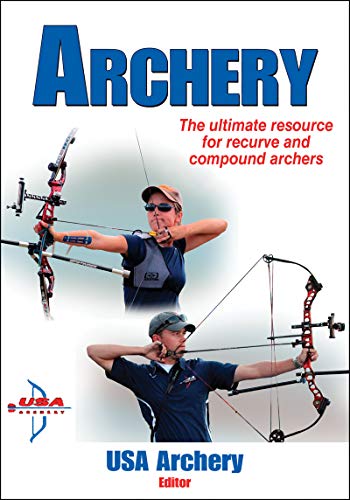
- ARS Mark9.2
ARS Mark is a ranking system developed by bestairriflescopes.com. ARS Mark has no relationship or impact from any manufacturers or sales agent websites. Learn more
- BrandHuman Kinetics

- ARS Mark9.2
ARS Mark is a ranking system developed by bestairriflescopes.com. ARS Mark has no relationship or impact from any manufacturers or sales agent websites. Learn more
- BrandCoaches Choice

- ARS Mark9.0
ARS Mark is a ranking system developed by bestairriflescopes.com. ARS Mark has no relationship or impact from any manufacturers or sales agent websites. Learn more
- BrandStackpole Books
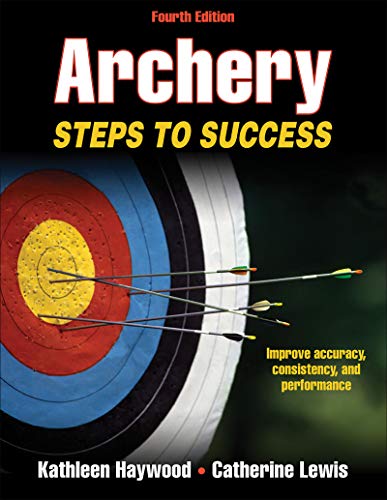
- ARS Mark9.0
ARS Mark is a ranking system developed by bestairriflescopes.com. ARS Mark has no relationship or impact from any manufacturers or sales agent websites. Learn more
- BrandHuman Kinetics

- ARS Mark8.8
ARS Mark is a ranking system developed by bestairriflescopes.com. ARS Mark has no relationship or impact from any manufacturers or sales agent websites. Learn more
- BrandTuttle Publishing

- ARS Mark8.6
ARS Mark is a ranking system developed by bestairriflescopes.com. ARS Mark has no relationship or impact from any manufacturers or sales agent websites. Learn more
- BrandWatching Arrows Fly LLC

- ARS Mark8.4
ARS Mark is a ranking system developed by bestairriflescopes.com. ARS Mark has no relationship or impact from any manufacturers or sales agent websites. Learn more
- BrandHowExpert

- ARS Mark8.2
ARS Mark is a ranking system developed by bestairriflescopes.com. ARS Mark has no relationship or impact from any manufacturers or sales agent websites. Learn more
- BrandIndependently Published

- ARS Mark7.2
ARS Mark is a ranking system developed by bestairriflescopes.com. ARS Mark has no relationship or impact from any manufacturers or sales agent websites. Learn more
- BrandCREATESPACE
Last update on 2026-09-29 / Affiliate links / Images, Product Titles, and Product Highlights from Amazon Product Advertising API
FAQs
Where can you safely and legally practice shooting?
You can practice at indoor target ranges, archery pro shops, or designated outdoor public ranges in city and state parks. Many wildlife agencies also provide free outdoor ranges. Always verify municipal ordinances before shooting on private land, as many towns restrict bow discharge in residential zones.
Can you practice archery in your own backyard?
Backyard shooting is only safe if local laws permit it, your yard has sufficient depth, and you have an impenetrable backstop. Standard wooden fences do not stop stray arrows. If legal in your area, shoot into a thick foam target backed by a heavy arrow-stopping net or a tall dirt berm.
How long does it take to learn good archery form?
Most beginners develop safe habits and shoot steady 10-yard groups after three to four weekly range sessions. Refining back tension and building smooth, repeatable releases takes a few months of steady practice. Taking a monthly refresher lesson with a coach keeps bad habits from taking root.
What causes string slap and how do you stop it?
String slap occurs when the bowstring hits your inner forearm upon release. It usually happens when an archer grips the riser handle too tightly or locks their bow arm elbow joint inward. Wearing an arm guard, relaxing your bow hand, and rotating your elbow outward stops the string from contacting your arm.

12 Best 22 Pcp Air Rifle For Hunting of 2026 With Quiet Power

7 Best 22 Pcp Air Rifle Under 300 of 2026 For Backyard Pest Control

10 Best 22 Break Barrel Air Rifles of 2026 For Backyard Pest Control

10 Best 30 Caliber Pcp Air Rifle of 2026 For Medium Game

Top Best 177 Air Rifle Under 100: Budget-Friendly Picks for 2026

How to Safely Reload Shotgun Shells at Home

11 Best Co2 Air Rifle For Pest Control of 2026 To Ensure Humane Dispatch

12 Best Inexpensive Air Rifles of 2026 For Dependable Backyard Accuracy






