
How to Stop Peep Sight Rotation at Full Draw

Turn the D-loop or add string twists. A crooked peep sight (the small aiming ring set inside your bowstring) usually lines up when you nudge the D-loop, which is the tied cord where your release aid clips. For a stubborn slant, inserting a tiny wedge between the string strands or adding a half twist to the string itself will square your view back up.
The right fix depends on how far the peep turns and the gear on hand. Fresh bowstrings often stretch during the first few hundred shots, which slowly spins the ring out of position. A minor angle usually needs nothing more than a quick turn of the tied loop, while a sight facing completely sideways calls for a bow press to slacken the bow and adjust the strands. Here is how to straighten your view cleanly without harming your string.
String stretch and temperature cause your peep to turn
A peep sight is a small aiming ring placed directly between the strands of your bowstring. When you pull your compound bow back to full draw, you look straight through that opening to center your front sight housing on the target. If the peep rotates even slightly sideways, the round hole turns into an oval or completely blocks your view with solid metal. You cannot shoot accurately when you have to tilt your head, crane your neck, or squint through half an aperture to find your pins.
Peep sight rotation happens because of how modern bowstrings are built and how they react to physical stress. A bowstring is not a single solid rope. It is made from about twenty or twenty-four individual synthetic threads, called strands, bundled together and twisted under high tension. When you pull a bow back, that tension spikes dramatically. As the string stretches under the weight of the draw cycle, the individual strands tighten against one another, causing the entire string bundle to twist naturally.
New bowstrings are especially prone to rotation during their break-in period. When a string is freshly built or recently installed, the fibers settle over the first one to two hundred shots. As the internal strands find their final resting place, the string stretches slightly. Even a tiny fraction of an inch of stretch will shift the rotational position of the peep sight. Once the string breaks in completely, quality materials usually settle down, but cheap or aging strings continue to rotate indefinitely.
Weather and temperature swings also play a quiet role in how your peep sits. Archery strings are treated with wax to protect the fibers from moisture and internal friction. On hot summer afternoons, string wax softens and synthetic fibers relax, which can cause the string bundle to loosen slightly. On freezing winter hunts, the fibers stiffen and contract. These temperature swings alter the tension balance inside the string, causing a peep sight that lined up perfectly in your air-conditioned living room to turn sideways when you step into the woods.
Uneven strand counts are another common culprit. When a peep sight is pressed into the string, the installer splits the bundle into two equal halves. If your bowstring has twenty strands, ten should sit on the left side of the peep and ten should sit on the right side. If the split is uneven, with eight strands on one side and twelve on the other, the heavier side pulls with more force at full draw. That uneven tension pulls the sight out of alignment every single time you anchor. Learning how to use a bow sight with better accuracy starts with making sure your peep frames your front housing squarely without any twisting.
Nudge your D-loop to fix minor peep rotation
The D-loop is the small nylon cord tied directly onto the center serving where your mechanical release aid clips. While its primary job is giving your release a secure attachment point, it also functions as a steering wheel for the bowstring. When you draw your bow, the jaw or hook of your release pulls the D-loop straight back toward your face. Because the D-loop knots grip the center serving tightly, that pulling force twists the bowstring slightly to match the angle of the loop.
If your peep sight is only slightly crooked at full draw, adjusting the D-loop is the fastest and easiest field fix. This method requires no specialized bow presses or cutting tools. It works best when the peep is rotated forty-five degrees or less out of square. Here is how to line up your peep using your D-loop:
- Check your sight picture at full draw. Draw your bow back while aiming safely at an arrow backstop. Settle into your normal anchor point and note which direction the peep is turned. If the left edge of the peep is turned toward you, the sight needs to rotate slightly clockwise. If the right edge faces you, it needs to turn counter-clockwise.
- Grip the D-loop knots. Let down smoothly and inspect the two knots holding the cord to the string. Take a pair of needle-nose pliers, or dedicated D-loop pliers, and grip the base of the knots where they hug the center serving.
- Turn the loop in the desired direction. Forcefully nudge the knots around the serving in the direction you want the peep to face. If the peep needs to turn a quarter-turn clockwise at anchor, nudge the D-loop slightly in that same direction. You want the loop to pull the string into square alignment as you reach full draw.
- Re-tighten the D-loop knots. Twisting the knots around the serving can loosen them slightly. Insert the tips of your needle-nose pliers inside the loop and spread the handles apart with firm pressure. This stretches the loop outward and locks the knots back down tightly against the serving.
- Draw the bow to verify alignment. Pull the bow to full draw again with an arrow loaded and aimed at a target. Check if the peep aperture forms a clean, perfect circle around your front sight. If it is still slightly off, repeat the process with another small nudge.
Keep in mind that the D-loop trick is meant for minor adjustments. If you try to twist the D-loop a full ninety or one hundred and eighty degrees around the string, the knots will constantly fight the natural grain of the serving. Over time, the cord will slip back to its original position, or the torque will pull your arrow off the rest. For heavy twisting, you need a method that alters the string fibers themselves.
Slide in a peep tuner for a quick fix
A peep tuner is a small plastic wedge designed to slide between the strands of your bowstring above or below your peep sight. It acts as an adjustable spacer. By spreading two halves of the strand bundle apart, the tuner changes the internal balance of the string. This forces the entire bundle to rotate without changing your draw length or requiring you to visit a pro shop with a heavy press.
Slide-in tuners are ideal for archers who do not own a bow press but need to fix a peep that sits thirty to ninety degrees off-center. They are small, lightweight, and hold their position securely under normal string tension. Follow these steps to install and adjust a slide-in peep tuner safely:
- Part the string strands with a bowstring separator. A string separator is a smooth, handheld plastic or aluminum tool shaped like a flat wedge with side grooves. Slide the separator gently between the colored halves of your bowstring about three inches above or below the peep sight. Never force a sharp metal tool between the strands.
- Insert the plastic peep tuner. Slide the narrow groove of the plastic peep tuner into the gap created by the separator tool. Make sure the string strands rest squarely inside the side channels of the tuner so they do not slip out. Once the tuner is seated, gently remove the string separator tool.
- Slide the tuner along the string to set the angle. The position of the tuner dictates how much the peep rotates. Sliding the tuner closer to the peep sight increases the rotation angle, while sliding it further away toward the cam creates a milder, subtle turn. Move the tuner a quarter-inch at a time.
- Test the rotation at full draw. With an arrow nocked and pointed at a safe target backstop, draw the bow to your anchor point. Check your sight picture. If the peep rotated too far, slide the tuner an inch further away from the sight. If it did not rotate enough, slide it closer to the peep.
- Secure the tuner in place. Once the peep sits perfectly square at full draw, secure the tuner so it does not move under arrow vibration. You can tie a small knot of serving thread directly above and below the tuner, or wrap a short piece of dental floss tightly against its edges to prevent it from creeping during long practice sessions.
Some tuner kits include multiple spacer thicknesses. A thin spacer provides a fine adjustment for slight twists, while a thicker spacer provides aggressive rotation for stubborn strings. If one spacer is not quite enough to square your aperture, you can place a second tuner on the opposite side of the peep to dial the sight picture in completely.
Add string twists in a press to fix heavy peep rotation
When a peep sight is turned ninety degrees or completely backwards, simple wedges and D-loop adjustments are not enough. You must adjust the actual twists in the bowstring itself. To do this safely, you need a bow press, which is a specialized mechanical clamp that gently squeezes the bow limbs together. Squeezing the limbs takes the thousands of pounds of tension off the bowstring, allowing you to unhook the end loops from the cam posts.
Adding or removing twists in the bowstring is the cleanest, most permanent way to fix major rotation. It maintains the natural balance of the string and does not add extra accessories to your setup. Here is how to complete the process properly:
- Mount the bow securely in the bow press. Place your compound bow into the fingers of the press according to the manufacturer guidelines. Ensure the press fingers contact the limbs at the approved mounting points and that the riser is completely clear of moving metal parts.
- Compress the limbs slowly. Turn the press handle or operate the hydraulic jack to compress the limbs just enough to take tension off the string. Stop the moment the bowstring loops feel loose and slack on the cam posts. Over-compressing the limbs can crack the fiberglass or bend the riser.
- Remove the top string loop from the cam. Slip the top loop of the main bowstring off the post on the upper cam. Keep your fingers on the loop so you do not lose the existing twists already set in the string.
- Add or subtract a half-twist. A half-twist means turning the loop one hundred and eighty degrees. If the peep needs to turn clockwise, add a half-twist in the direction that tightens the natural spiral of the string fibers. If it needs to turn counter-clockwise, remove a half-twist. Never add more than one full twist at a time without checking the peep first.
- Reseat the loop on the post. Slip the string loop back over the cam post. Make sure the loop sits flush against the base of the post and that the string tracks properly inside the cam groove without riding on the edge.
- Relax the press and test. Back the press off slowly, checking both cams to confirm the string and cables remain perfectly seated in their tracks. Once the bow is out of the press, pluck the string lightly, nock an arrow, and draw the bow to inspect the peep. If the peep is still slightly off, repeat the process with another half-twist at the bottom cam.
Working on a compound bow in a press demands patience. It often takes two or three small half-twist adjustments between the top and bottom cams to get the peep sight perfectly square to your eye. Setting up the string properly also keeps your pin picture clear when using a high-end bow sight for Mathews or other precision hunting bows.
Avoid string damage by skipping these common mistakes
Archers frustrated by a crooked peep often make quick, careless adjustments that ruin their equipment. A modern bowstring holds an immense amount of stored energy. Damaging a few tiny strands can cause the entire string to snap at full draw, destroying the bow limbs and causing severe facial or hand injuries. Keep your setup safe by avoiding these frequent mistakes:
- Prying strands with sharp metal tools: Never use screwdrivers, pocket knives, safety pins, or house keys to separate string strands. Metal edges cut through synthetic fibers almost instantly. Always use a dedicated, smooth plastic string separator tool designed for archery.
- Twisting the peep with your fingers at full draw: Forcing a peep sight straight with your fingers while holding the bow back creates severe friction against the fibers. It can also cause you to punch your release aid accidentally, resulting in a dangerous dry fire.
- Over-waxing the center serving: Some archers smear heavy wax over the center serving, thinking it will stop rotation. Wax does not fix string twist, but it does cause D-loop knots to slip, slide, and fail under release pressure.
- Relying on rubber alignment tubing: Older peep sight designs used a stretchable rubber tube connected from the peep to the bow cable to yank the sight straight on every draw. Rubber tubing robs your bow of arrow speed, makes noise, and degrades quickly in sunlight. When old tubing snaps at full draw, it frequently whips back toward the shooter's eyes.
- Splitting strands unevenly: When pressing a peep sight into the string, count the individual strands carefully. Splitting the bundle unevenly puts lopsided tension on the bowstring, ensuring the sight will twist out of line on hot days or long shooting sessions.
- Ignoring string wear and fuzz: If the fibers around your peep sight are frayed, cut, or fuzzy, do not try to tune out rotation. A frayed string must be retired immediately.
Staying mindful of these risks keeps your gear reliable whether you are practicing in your backyard or setting up a dedicated bow sight for treestand hunting before opening day of archery season.
Visit a bow shop when strings stretch unevenly
There comes a point where home tuning cannot solve a rotating peep sight. Bowstrings have a finite lifespan, and once the internal synthetic core breaks down, no amount of D-loop twisting or wedge sliding will keep the aperture straight. Knowing when to stop and visit an archery pro shop saves you hours of frustration.
Take your bow to an experienced technician if you notice any of these warning signs:
- The string is more than two years old: Over time, synthetic fibers lose their elastic memory. If your string has seen heavy use over multiple hunting seasons, continuous peep rotation usually means the internal fibers are dead and need complete replacement.
- The peep never stops creeping: If you straighten the peep sight, shoot thirty arrows, and find it turned sideways again, the string has structural creep. Quality strings settle and stop; worn strings stretch continuously until they fail.
- Serving separation is visible: Look closely above and below the peep sight and along the center serving. If the tight thread wrap is parting to reveal bare, fuzzy string strands underneath, the string needs immediate professional rebuilding.
- You do not own an approved bow press: If your peep requires a full string twist and you do not have a commercial-grade bow press, do not improvise with ratchet straps or carpenter clamps. A qualified bow shop can press the bow, add the proper half-twists, and balance your cams in minutes.
- The peep slides vertically: If your peep sight creeps up or down the string during release, your anchor point and vertical arrow impact will change constantly. A shop technician can tie secure serving knots above and below the housing to lock it permanently in place.
A professional bow shop has specialized draw boards and measurement tools to check cam timing, draw weight, and axle-to-axle distance simultaneously. They can verify whether your peep rotation is simply a minor strand issue or a sign that your cables have stretched out of sync.
Choose tuning tools that match your string size
Fixing peep rotation without a bow press requires selecting the right style of tuning accessories for your specific bowstring setup. The two most common tools are slide-in peep tuners and string separator wedges. When shopping for accessories to correct your sight picture, keep a few practical design features in mind.
Look for tuners manufactured from durable, molded plastic that will not warp or flatten under the intense compression of drawn bowstring strands. The tuner should feature deeply recessed edge grooves that seat the strands firmly so the piece cannot pop out during high-speed arrow release. Many tuner sets come in multi-packs containing small, medium, and large spacers. Having multiple sizes on hand allows you to make microscopic adjustments for slight twists or use larger wedges for stubborn quarter-turn issues.
For peep sights themselves, choose aluminum housings with precision-machined string channels. Premium hunting peep sights offer dual string groove angles, typically cut at thirty-five and forty degrees. These distinct angles let you match the groove to the exact string angle of your bow, which depends on your draw length and the bow axle-to-axle measurement. Sights built with anti-glare internal ridges or light baffles also help prevent sunlight from bouncing into your eye, keeping your target crystal clear even if your string shifts slightly during changing field conditions.
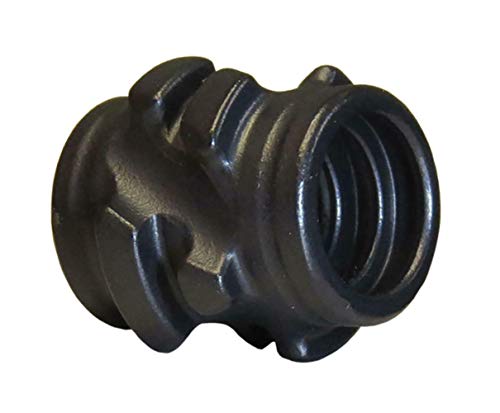
- ARS Mark9.6
ARS Mark is a ranking system developed by bestairriflescopes.com. ARS Mark has no relationship or impact from any manufacturers or sales agent websites. Learn more
- BrandHamskea
- ARS Mark8.8
ARS Mark is a ranking system developed by bestairriflescopes.com. ARS Mark has no relationship or impact from any manufacturers or sales agent websites. Learn more
- BrandVTurboWay

- ARS Mark8.8
ARS Mark is a ranking system developed by bestairriflescopes.com. ARS Mark has no relationship or impact from any manufacturers or sales agent websites. Learn more
- BrandBowmar Archery

- ARS Mark8.6
ARS Mark is a ranking system developed by bestairriflescopes.com. ARS Mark has no relationship or impact from any manufacturers or sales agent websites. Learn more
- BrandLOKHEIRA ARCHERY

- ARS Mark8.4
ARS Mark is a ranking system developed by bestairriflescopes.com. ARS Mark has no relationship or impact from any manufacturers or sales agent websites. Learn more
- BrandSPG

- ARS Mark8.4
ARS Mark is a ranking system developed by bestairriflescopes.com. ARS Mark has no relationship or impact from any manufacturers or sales agent websites. Learn more
- BrandSPG

- ARS Mark8.0
ARS Mark is a ranking system developed by bestairriflescopes.com. ARS Mark has no relationship or impact from any manufacturers or sales agent websites. Learn more
- BrandRPBKE

- ARS Mark7.4
ARS Mark is a ranking system developed by bestairriflescopes.com. ARS Mark has no relationship or impact from any manufacturers or sales agent websites. Learn more
- BrandHDWGGD
Last update on 2026-10-02 / Affiliate links / Images, Product Titles, and Product Highlights from Amazon Product Advertising API


12 Best 22 Pcp Air Rifle For Hunting of 2026 With Quiet Power

7 Best 22 Pcp Air Rifle Under 300 of 2026 For Backyard Pest Control

10 Best 22 Break Barrel Air Rifles of 2026 For Backyard Pest Control

10 Best 30 Caliber Pcp Air Rifle of 2026 For Medium Game

Top Best 177 Air Rifle Under 100: Budget-Friendly Picks for 2026

How to Safely Reload Shotgun Shells at Home

11 Best Co2 Air Rifle For Pest Control of 2026 To Ensure Humane Dispatch

12 Best Inexpensive Air Rifles of 2026 For Dependable Backyard Accuracy






