
How to String a Pistol Crossbow Safely

Learning how to string a pistol crossbow may sound intimidating at first, but with the right approach, it’s a straightforward task that saves you from frustration and accidents. Many enthusiasts, whether they’re hobby shooters, small-game hunters, or newcomers curious about crossbows, often struggle with one common issue: keeping the process safe while also making sure the string sits correctly on the limbs. That’s where the right technique becomes a game changer. By focusing on safety, proper tension, and the right tools, you can avoid damaging your crossbow or hurting yourself. The biggest pain point for most beginners is the fear of snapping the string or even worse, injuring their fingers. Others worry about whether they need special equipment or if they’re strong enough to do it without professional help. The truth is, you don’t need to be built like a bodybuilder or buy fancy tools. All you really need is patience, some basic know-how, and an eye for detail. By breaking the process down into small, clear steps, anyone can get it right. Another common frustration is time, nobody wants to spend hours fiddling with gear. That’s why it helps to know which method is easiest for your setup. Some people swear by using a stringing aid, while others prefer the manual method for a faster solution. Both approaches work, but what matters most is making sure the string is seated evenly and the limbs aren’t stressed unevenly. For hobbyists who use their crossbows regularly, stringing correctly means longer string life and more accurate shots. For hunters, it means reliable performance when every shot counts. And for beginners, it means gaining confidence with a weapon that can feel a little intimidating at first. By focusing on these simple techniques and precautions, you’ll not only string your crossbow the right way but also ensure that it’s ready for action whenever you need it.
If you’ve ever wondered how to string a pistol crossbow without turning it into a tug-of-war, you’re not alone. Many shooters, whether seasoned hunters or casual backyard enthusiasts, pause at this step, unsure if they’ll break something or hurt themselves. That hesitation makes perfect sense, because getting it wrong can snap strings, stress limbs, or worse, cause painful injuries. The good news? Stringing isn’t some secret art reserved for experts. With the right mindset, a little patience, and clear steps, you can handle it smoothly. Think of it as less about brute force and more about precision and control. By respecting the tension of the limbs and knowing how the string should rest, you’re already halfway there. Another reason shooters get hung up is the lack of guidance that speaks to real worries, fear of losing grip, uncertainty about tools, or concern over damaging expensive equipment. Addressing those fears directly is key. The goal isn’t just to teach the motion, but to build confidence in handling your crossbow with care. Because once you string it correctly, you’ll notice the payoff immediately: consistent shots, reduced wear, and safer handling overall. This introduction is your first step toward stringing like a pro without the stress.

- ARS Mark10.0
ARS Mark is a ranking system developed by bestairriflescopes.com. ARS Mark has no relationship or impact from any manufacturers or sales agent websites. Learn more
- BrandW WILLIAM TELL ARCHERY

- ARS Mark9.6
ARS Mark is a ranking system developed by bestairriflescopes.com. ARS Mark has no relationship or impact from any manufacturers or sales agent websites. Learn more
- BrandGPP
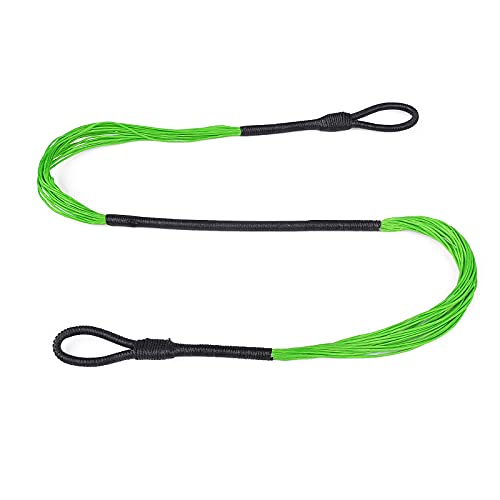
- ARS Mark9.2
ARS Mark is a ranking system developed by bestairriflescopes.com. ARS Mark has no relationship or impact from any manufacturers or sales agent websites. Learn more
- BrandEOUS
- ARS Mark9.2
ARS Mark is a ranking system developed by bestairriflescopes.com. ARS Mark has no relationship or impact from any manufacturers or sales agent websites. Learn more
- BrandSOPOGER
- ARS Mark9.0
ARS Mark is a ranking system developed by bestairriflescopes.com. ARS Mark has no relationship or impact from any manufacturers or sales agent websites. Learn more
- BrandSAS

- ARS Mark8.6
ARS Mark is a ranking system developed by bestairriflescopes.com. ARS Mark has no relationship or impact from any manufacturers or sales agent websites. Learn more
- BrandSAS

- ARS Mark8.4
ARS Mark is a ranking system developed by bestairriflescopes.com. ARS Mark has no relationship or impact from any manufacturers or sales agent websites. Learn more
- BrandEagle Systems
- ARS Mark9.4
ARS Mark is a ranking system developed by bestairriflescopes.com. ARS Mark has no relationship or impact from any manufacturers or sales agent websites. Learn more
- BrandAC Allen

- ARS Mark8.2
ARS Mark is a ranking system developed by bestairriflescopes.com. ARS Mark has no relationship or impact from any manufacturers or sales agent websites. Learn more
- BrandGeneral Edge
Last update on 2025-11-17 / Affiliate links / Images, Product Titles, and Product Highlights from Amazon Product Advertising API
Most new shooters underestimate how much stringing technique influences both safety and performance. A poorly strung crossbow doesn’t just affect accuracy, it can cause premature string wear, limb stress, and even serious accidents. Hunters who rely on their gear for small game hunts know that one mistake can ruin an outing. Hobby shooters, too, often notice that improper tension leads to uneven shots or strings snapping after just a few uses.
Statistics show that improperly maintained or strung crossbows are one of the leading causes of equipment failure among beginner archers. The real kicker is that most of these failures are preventable with basic knowledge. That’s why learning how to string a pistol crossbow the right way is a key factor in extending its lifespan and keeping your fingers safe. For shooters who value consistency, this small detail pays off in long-term confidence.
An often-overlooked aspect is fatigue. Without the proper method, many people strain their wrists and hands unnecessarily. A crossbow might look small, but its limbs hold significant power. Knowing how to apply steady tension without brute force is what separates smooth stringing from painful trial-and-error. In other words, the process is less about muscle and more about control, safety, and technique.
By focusing on this crucial step, you’re not only making your crossbow reliable but also reducing frustration. Nothing ruins enthusiasm faster than snapped strings, crooked limbs, or constant re-adjustments. Proper stringing becomes an investment in longer string life, better shooting precision, and safer handling every single time.
Before diving in, preparation is half the battle. The most common tool shooters use is a crossbow stringer aid, a simple device that makes stringing safer and less stressful. It ensures even tension and keeps the limbs aligned. Beginners who skip this often resort to unsafe improvisations that risk injury. Think of it as using a seatbelt, not mandatory, but incredibly wise.
Aside from tools, inspection is vital. Always check your crossbow limbs for cracks, your rail for damage, and your new string for defects before installation. Shooting with worn gear is like driving with bald tires, you might get away with it once, but you’re playing with risk. By taking a few minutes to look things over, you prevent bigger problems down the road.
Another overlooked step is environment. Don’t try to string your crossbow in cramped or unstable settings. A flat, solid surface gives you stability, which translates into safer handling. Shooters often admit their first mistake was rushing the process in their living room or on uneven ground. Setting up properly ensures your hands stay steady, and your crossbow remains intact.
Finally, mindset is part of preparation. If you’re anxious or rushed, mistakes are more likely. Experienced hunters say patience is the hidden ingredient to flawless stringing. Taking your time keeps the process smooth, your confidence high, and your crossbow functioning as it should.
The safest method involves using a stringing aid. Start by attaching the aid to both limb tips, then place the actual crossbow string on one tip while the aid holds the tension. By pulling the stringer, you flex the limbs enough to slide the other end of the string onto the opposite tip. This balances the force and eliminates the danger of limbs snapping back unexpectedly.
Some shooters prefer the manual method, but it demands caution. It involves bracing the crossbow and pulling the limb with your body weight while slipping the string into place. While effective, it carries higher risks, especially for beginners. Unless you’re experienced and confident, the stringing aid remains the safer, smarter option.
Once the string is seated, always double-check its placement in the limb grooves. Even a slight misalignment can cause the string to slip during firing, damaging the crossbow or injuring the shooter. Taking a few seconds to confirm its position is a small step with huge benefits.
Don’t forget tension testing. Draw the crossbow slowly and listen for unusual creaks or snaps. This test ensures that the string is secure, the limbs are aligned, and everything is functioning correctly before you fire your first bolt.
One of the most frequent mistakes is forcing the string into place without proper alignment. This creates uneven stress that leads to cracked limbs or bent tips. Many shooters make this error once and quickly learn the value of patience. Remember: smooth alignment beats brute strength every time.
Another pitfall is skipping inspection. Using a worn or frayed string drastically increases the chances of breakage during draw. It’s tempting to think, “It’ll be fine for one more shot,” but that one shot could cost you your crossbow, or worse, your safety. Always replace questionable strings.
Improper tension is another issue. Too loose, and the string slips; too tight, and the limbs wear out quickly. The sweet spot ensures longer string life and reliable accuracy. Manufacturers often provide guidelines for correct tension, and sticking to them is crucial.
Lastly, avoid rushing the process. Stringing may seem like a quick task, but rushing multiplies risks. Many seasoned archers advise new shooters to treat stringing as a ritual, a calm, steady practice that sets the tone for responsible shooting.
Correctly stringing a pistol crossbow rewards shooters in several ways. First, it directly impacts accuracy. A well-seated string ensures bolts fly straight, improving your chances in both hunting and target shooting. Second, it enhances safety, reducing risks of string snapbacks or misfires.
Another benefit is durability. Strings that are properly seated and tensioned last longer, saving you money and hassle. Instead of replacing strings every few sessions, you’ll find them performing reliably over time. That’s an undeniable relief for hobbyists and hunters alike.
Confidence is also a major factor. Once you master the stringing process, your relationship with the crossbow changes. What once felt intimidating becomes second nature, and that confidence translates into better shooting performance.
Lastly, it preserves your crossbow’s value. Equipment that’s treated with care holds up better, whether you plan to keep it for years or eventually sell it. Proper stringing is a subtle but powerful way to show respect for your gear and yourself as a shooter.
Once you’ve mastered how to string a pistol crossbow, the work doesn’t end there. Proper maintenance ensures your string performs consistently and lasts longer. The first rule of thumb is applying crossbow string wax. This simple step prevents fraying, keeps fibers flexible, and reduces the risk of sudden snapping. Without wax, friction from repeated shots quickly weakens the string.
Another essential habit is regular inspection. Look for signs like fuzzing, broken fibers, or uneven wear near the limb tips. Catching these problems early allows you to replace the string before it fails during a critical moment. Hunters especially value this because a failed string in the field could mean missing a shot that only comes once.
Storage also plays a role in durability. Leaving your crossbow cocked for long periods stretches the string unnecessarily and adds strain on the limbs. Experts recommend storing it uncocked and in a dry, cool place. By protecting your string from excess tension and humidity, you guarantee smoother, safer performance.
Finally, keep a backup string in your kit. Even with meticulous care, strings are consumable parts. Having a spare on hand prevents your practice session or hunting trip from ending prematurely. It’s a small investment with big returns in peace of mind.
When it’s time to replace, not every string will fit your pistol crossbow. The correct length and material are key factors to ensure safety and efficiency. Most pistol crossbows require strings between 50–80 pounds of draw weight, but specifications vary. Always check your manufacturer’s guidelines before making a purchase.
Material selection makes a difference. Traditional Dacron strings are durable and forgiving, while newer synthetic blends offer higher speed and strength. Shooters focused on target accuracy may prefer one, while hunters needing power may lean toward the other. Knowing your purpose helps narrow the choice.
Another detail to watch for is serving quality. This is the wrapped portion of the string where it meets the rail and latch. Poor serving wears quickly, forcing early replacement. High-quality serving ensures longer string life and smoother shots.
Experienced archers often recommend buying two strings of the same type at once, one for use and one as a spare. That way, you always have consistency in your shooting and don’t risk mismatched performance.
The crossbow may look small compared to compound bows, but the tension in its limbs is nothing to take lightly. One of the most important safety practices is keeping your fingers below the rail. Even a properly strung crossbow can cause painful injuries if fingers slip into the string’s path.
Eye protection is another underrated safeguard. While failures are rare, a snapped string or flying debris could cause serious damage. A simple pair of protective glasses drastically lowers that risk, especially during practice sessions.
Equally important is knowing your limits. If stringing or unstringing feels too difficult, don’t push through with brute force. Using a stringing aid reduces risks and keeps the process controlled. Safety isn’t about proving strength; it’s about being smart with your equipment.
Finally, always check local regulations. In some areas, pistol crossbows fall under specific laws. Being informed not only keeps you safe legally but also ensures you’re respecting the sport. Responsible ownership is just as crucial as technical skill.
For new shooters, confidence often builds in small steps. Start by practicing stringing in a calm environment where you won’t feel rushed or distracted. The more familiar you become with the sequence of steps, the less intimidating it feels.
Joining a local archery club or online forum can be surprisingly helpful. Hearing tips from experienced shooters reassures you that mistakes are normal and fixable. It also gives you access to tried-and-true advice about string care, accessories, and upgrades.
Another tip is setting realistic expectations. Don’t expect perfection on your first few tries. Instead, focus on safety and proper alignment. Accuracy and speed come with repetition, but good habits from the start save headaches later.
Lastly, keep a small maintenance kit handy. Including wax, a spare string, and a simple aid tool ensures you’re always prepared. Beginners often feel empowered once they realize they’re equipped to handle most string issues on their own.
At its core, knowing how to string a pistol crossbow is about more than mechanics. It’s about building a deeper connection with your gear. Every time you handle the string, inspect the limbs, and check alignment, you’re developing the discipline that separates casual shooters from skilled enthusiasts.
Confidence grows with every successful stringing session. Instead of worrying about whether your crossbow is safe to use, you focus on aim, accuracy, and enjoyment. That shift turns the shooting experience into something smoother and more satisfying.
For hunters, the skill directly influences reliability in the field. For hobbyists, it extends equipment lifespan and reduces costs. And for beginners, it lays the foundation for years of safe, enjoyable shooting.
The truth is, stringing may seem like a small detail, but it touches every part of crossbow performance. Mastering it transforms frustration into confidence and uncertainty into control. That’s the hidden power of this often-overlooked skill.


12 Best 22 Pcp Air Rifle For Hunting of 2026 With Quiet Power

7 Best 22 Pcp Air Rifle Under 300 of 2026 For Backyard Pest Control

10 Best 22 Break Barrel Air Rifles of 2026 For Backyard Pest Control

10 Best 30 Caliber Pcp Air Rifle of 2026 For Medium Game

Top Best 177 Air Rifle Under 100: Budget-Friendly Picks for 2026

How to Safely Reload Shotgun Shells at Home

11 Best Co2 Air Rifle For Pest Control of 2026 To Ensure Humane Dispatch

12 Best Inexpensive Air Rifles of 2026 For Dependable Backyard Accuracy






