
How to String Bow and Arrow Without the Hassle

How to string bow and arrow sounds simple at first glance, yet plenty of people end up twisting limbs, fighting stubborn strings, or second-guessing every step halfway through. One small slip can throw off alignment, damage the bow, or make shooting feel awkward right out of the gate. That’s why understanding the little details matters more than most folks expect. A steady setup creates smoother draws, better consistency, and far less frustration once arrows start flying.
Bow setup often turns into a headache because tiny mistakes pile up fast. A string loop sitting unevenly or a poorly balanced limb can change the whole feel of the shot. Nobody wants to spend time fixing avoidable issues after realizing the bow feels noisy, shaky, or uncomfortable. Proper bow string alignment, careful handling, and controlled tension help prevent those problems before they snowball into something bigger.
Some bows practically cooperate, while others fight back like a mule on a bad day. Traditional bows, recurves, and modern setups all behave a little differently, so rushing through the process rarely ends well. Patience pays off here. A calm, deliberate approach makes the bow easier to control and helps protect both the equipment and your fingers from unnecessary strain.
Plenty of beginners assume brute force will solve everything. Nope, not even close. Using a proper stringing method keeps the limbs balanced and reduces the risk of uneven pressure. Bow safety becomes a huge deal during setup because damaged limbs or twisted strings can lead to inaccurate shooting and expensive repairs that nobody wants to deal with.
Weather also sneaks into the equation more than people realize. Humidity, heat, and cold temperatures can subtly affect string tension and limb flexibility. A bow that felt perfectly tuned indoors may suddenly behave differently outside on a chilly morning. Paying attention to those changes helps maintain consistency and prevents weird surprises during practice sessions or hunting trips.
Then there’s the confidence factor. A correctly strung bow simply feels right in the hands. The draw becomes smoother, shots feel more controlled, and the entire experience turns more enjoyable instead of stressful. String tension, brace height, and overall balance all work together to create that dependable feel archers chase every time they step onto the range.
Little habits matter too. Checking limb grooves, inspecting the string for wear, and storing equipment properly can stretch the life of the bow far longer than careless handling ever will. Small maintenance steps save money and reduce the odds of equipment failure at the worst possible moment. That peace of mind? Honestly, it’s worth every extra minute spent doing things the right way.
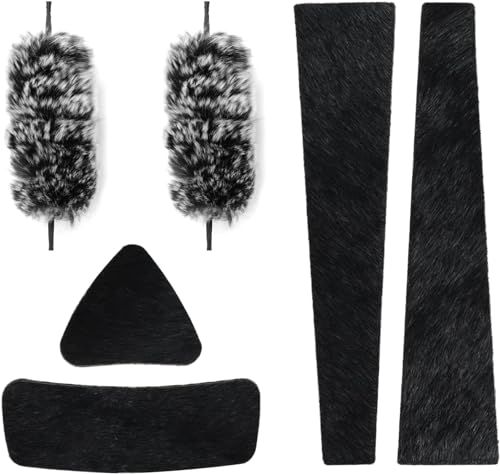
- ARS Mark10.0
ARS Mark is a ranking system developed by bestairriflescopes.com. ARS Mark has no relationship or impact from any manufacturers or sales agent websites. Learn more
- BrandFUNTRESS

- ARS Mark9.4
ARS Mark is a ranking system developed by bestairriflescopes.com. ARS Mark has no relationship or impact from any manufacturers or sales agent websites. Learn more
- BrandCREATESPACE

- ARS Mark9.4
ARS Mark is a ranking system developed by bestairriflescopes.com. ARS Mark has no relationship or impact from any manufacturers or sales agent websites. Learn more
- BrandMajosta

- ARS Mark9.2
ARS Mark is a ranking system developed by bestairriflescopes.com. ARS Mark has no relationship or impact from any manufacturers or sales agent websites. Learn more
- BrandN/A

- ARS Mark9.2
ARS Mark is a ranking system developed by bestairriflescopes.com. ARS Mark has no relationship or impact from any manufacturers or sales agent websites. Learn more
- Brand- QI HUO JU -
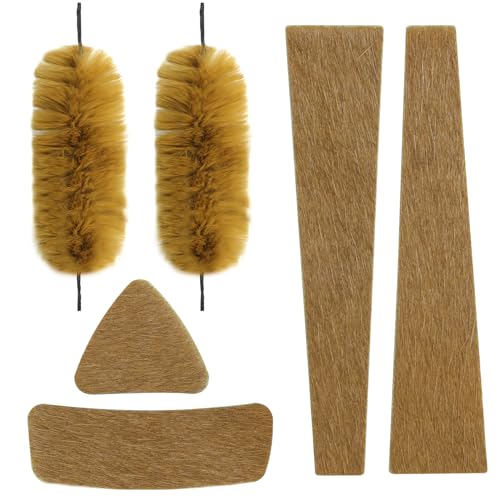
- ARS Mark8.8
ARS Mark is a ranking system developed by bestairriflescopes.com. ARS Mark has no relationship or impact from any manufacturers or sales agent websites. Learn more
- Brandoubert

- ARS Mark8.4
ARS Mark is a ranking system developed by bestairriflescopes.com. ARS Mark has no relationship or impact from any manufacturers or sales agent websites. Learn more
- BrandJimtoiny

- ARS Mark7.0
ARS Mark is a ranking system developed by bestairriflescopes.com. ARS Mark has no relationship or impact from any manufacturers or sales agent websites. Learn more
- BrandN/A
Last update on 2026-05-31 / Affiliate links / Images, Product Titles, and Product Highlights from Amazon Product Advertising API
How To String Bow And Arrow Safely
Nothing kills the excitement of a fresh archery session faster than fighting a twisted bowstring while your fingers ache and the limbs feel completely uneven. Plenty of people assume the process is just brute force and luck, then end up stressing the bow in all the wrong places. How to string bow and arrow properly takes patience, steady positioning, and attention to small details that quietly affect accuracy later on. A balanced setup helps prevent awkward shots, noisy releases, and expensive limb damage that can sneak up after repeated mistakes.
Why Bow Stringing Feels Hard At First
Most frustration starts before the string even touches the bow. The limbs feel stiff, the loops look confusing, and the pressure needed to bend the bow can make beginners second-guess everything. That hesitation matters because uneven force creates twisting, especially on recurve bows. Proper limb alignment and controlled pressure matter far more than raw strength.
Cheap strings can also make the process more annoying than it needs to be. Some stretch unevenly, while others slip around the limb grooves during setup. A poorly fitted string often causes strange vibration after release, and that shaky feeling can ruin confidence fast. Consistent string tension keeps the bow predictable instead of jumpy.
Grip positioning trips people up too. Holding the bow too low or twisting the riser accidentally changes the angle during stringing. That tiny shift may not seem serious in the moment, but repeated stress slowly affects the limbs over time. Archery equipment lasts much longer when handled carefully from the very beginning.
Weather adds another wrinkle. Cold temperatures can stiffen some bow materials, while humid conditions slightly affect string fibers. Experienced archers usually check brace height before shooting because environmental changes can subtly alter performance. Those little adjustments separate a smooth setup from a frustrating one.
Choosing The Right Bow String Method
Several stringing methods exist, but not all of them treat the bow kindly. The step-through technique still gets used now and then, though many archers avoid it because uneven pressure can twist the limbs. A proper bow stringer keeps tension balanced and reduces stress across the entire frame. Bow safety improves dramatically with the right equipment.
Traditional recurves respond especially well to controlled stringing tools. The bow bends more evenly, which lowers the risk of misalignment during setup. Compound bows behave differently because cams and cables manage most of the tension automatically. Even so, checking the string carefully before shooting remains essential.
Stringers also help maintain consistency. Repeating the same process every session creates reliable brace height and steadier arrow flight. Tiny inconsistencies in setup often lead to mysterious shooting problems later on. That’s why experienced archers rarely rush the preparation stage.
Budget matters, sure, but skipping basic accessories often causes bigger headaches later. A simple bow stringer costs far less than replacing damaged limbs. Reliable setup habits protect both the bow and the shooter over the long haul.
Preparing The Bow Before Stringing
A quick inspection saves a pile of trouble. Look closely at the limb tips, grooves, and serving areas before applying tension. Frayed string material or tiny cracks near the limb pockets deserve attention immediately. Ignoring those warning signs can turn a normal practice session into an expensive repair situation.
Clean limb grooves help the string seat properly during setup. Dust, debris, or dried mud sometimes prevent the loops from sitting evenly. That uneven positioning changes brace height and affects shooting comfort. Stable string placement creates smoother releases and quieter shots.
String orientation matters more than people expect. Many bowstrings have a top loop and bottom loop sized differently for proper fit. Accidentally reversing them can cause slipping or awkward tension once the bow flexes. Double-checking orientation takes seconds and prevents unnecessary hassle.
Lighting also helps during setup. Trying to string a bow in dim conditions makes it harder to spot twists or serving damage. A well-lit space lets you inspect the bow carefully before tension increases. Small visual checks often prevent larger issues later.
Step By Step Stringing Process
Start by sliding the larger loop down the upper limb while securing the smaller loop in the lower groove. The bow should stay stable during the process instead of wobbling around. Position the stringer carefully so pressure distributes evenly across both limbs. Balanced tension keeps the bow from twisting during flex.
Slow pressure works better than sudden force. Pulling too aggressively creates instability and increases the chance of slipping. A steady upward motion gives better control while allowing the upper loop to slide smoothly into position. That controlled movement protects the limbs from uneven strain.
After the string seats properly, inspect the grooves immediately. The loops should sit cleanly without twisting or bunching. Tiny misalignments can create strange arrow flight patterns later. Accurate string positioning affects everything from comfort to long-range consistency.
Once tension settles, check brace height before shooting. Some strings stretch slightly after installation, especially newer materials. A quick measurement helps confirm the setup matches the bow’s intended specifications. Reliable brace height usually leads to smoother arrow release and less hand shock.
Common Mistakes That Damage Bows
Rushing causes more bow damage than most people realize. Trying to muscle through resistance instead of adjusting positioning often twists the limbs unevenly. That stress slowly affects shooting accuracy and overall durability. Controlled handling always beats brute force.
Using worn-out strings creates another common problem. Frayed serving material weakens tension consistency and increases the risk of snapping under pressure. Replacing strings before visible damage gets severe helps protect the entire setup. Small maintenance habits make a huge difference over time.
Some archers leave bows strung for long periods without checking manufacturer recommendations. Certain traditional bows prefer being unstrung after use to reduce long-term limb fatigue. Ignoring that detail may shorten the bow’s lifespan significantly. Storage habits matter more than people think.
Dry firing remains one of the worst mistakes possible. Releasing the string without an arrow transfers massive force directly into the limbs and riser. That sudden shock can crack components instantly. Safe shooting practices start long before the first arrow leaves the string.
How Brace Height Changes Performance
Brace height sounds technical, but the effect feels obvious once shots start landing inconsistently. A brace height set too low often increases noise and vibration after release. Too high, and the draw cycle may feel stiff or uncomfortable. Finding the right balance creates smoother shooting overall.
Different bow styles prefer different brace height ranges. Traditional recurves generally tolerate small adjustments, though dramatic changes affect arrow flight quickly. Compound bows rely on more exact specifications because of cam systems and cable timing. Precision matters a lot more with mechanical setups.
String stretch changes brace height naturally over time. Fresh strings especially tend to settle after repeated shots. That’s why experienced archers occasionally recheck measurements instead of assuming everything stayed perfect. Consistent tuning keeps shooting performance stable.
Noise reduction also ties closely to proper brace height. A well-tuned bow produces a cleaner, less harsh release sound. Hunting setups especially benefit from quieter shots because excessive vibration can spook nearby game. Small adjustments often improve comfort and control at the same time.
Keeping Finger And Wrist Strain Low
Hand fatigue creeps in fast during awkward stringing sessions. Poor posture or unstable footing forces the wrists into uncomfortable angles, especially while flexing heavier bows. Stable footing and relaxed arm positioning help distribute pressure more evenly. Comfortable technique protects joints from unnecessary stress.
Finger pinching usually happens because of rushed grip changes during setup. Some people try adjusting the string loops while the bow remains under tension, which rarely ends well. Slowing down and securing the bow first makes everything safer and easier to manage.
Warm muscles also help. Cold hands and tight wrists struggle with fine adjustments, especially outdoors during colder seasons. A few stretches before setup improve control noticeably. Tiny preparation habits reduce soreness during longer practice sessions.
Bow weight matters too. Heavier draw weights naturally require more careful handling during string installation. Beginners often overestimate how much draw weight they can comfortably manage. Starting lighter usually creates better form and more consistent shooting habits.
Bow Storage After Stringing
Storage habits quietly affect bow lifespan more than flashy accessories ever will. Leaning a bow carelessly against hard surfaces risks limb warping or accidental falls. Horizontal storage racks usually provide more even support over time. Proper storage conditions help preserve alignment and tension consistency.
Humidity creates headaches for certain traditional bow materials. Wood bows especially react to moisture changes, causing subtle shifts in flexibility and brace height. Dry indoor storage tends to keep performance more stable between sessions. Protective cases help during transport too.
Sunlight exposure causes problems people rarely expect. Prolonged heat weakens some string materials and may affect adhesives in laminated limbs. Leaving bows inside hot vehicles for hours can shorten equipment life surprisingly fast. Consistent temperatures help maintain reliable performance.
Inspecting the string after storage also matters. Tiny serving separation or loose strands become easier to spot before shooting starts. Quick visual checks prevent surprises at full draw. Routine maintenance keeps archery equipment dependable for much longer.
Improving Accuracy After Proper Stringing
A correctly strung bow usually feels smoother immediately. The draw cycle becomes steadier, arrow release feels cleaner, and hand shock decreases noticeably. Those improvements make accuracy easier to repeat over time. Consistent setup builds confidence shot after shot.
Arrow flight reveals setup problems quickly. Wobbling arrows, strange sounds, or unpredictable grouping often point toward brace height or alignment issues. Small tuning adjustments usually fix those problems faster than people expect. Paying attention to feedback from the bow matters.
Sight alignment improves once the bow remains balanced during shooting. Twisted limbs or uneven tension subtly change aiming consistency, especially at longer distances. That instability frustrates plenty of archers because the issue hides behind what looks like poor shooting form. Sometimes the setup is the real culprit.
To tighten grouping consistency during target sessions, compare equipment upgrades like best archery release for accuracy. Release control plays a massive role in how smoothly energy transfers from the string into the arrow. Small improvements in release feel often create noticeably steadier shots.
Best Way To String A Recurve Bow Correctly
Shots start feeling wildly inconsistent once a bow develops uneven tension, and that problem usually traces back to poor setup habits. Plenty of archers blame their arrows, sights, or release technique long before checking how the bow was strung in the first place. Proper string installation affects accuracy, comfort, vibration, and long-term durability far more than most people expect. A smoother setup creates steadier shooting and helps the entire bow feel balanced in the hands.
How Limb Alignment Affects Accuracy
Even slight limb twisting changes how arrows leave the string. A bow may still shoot, sure, but grouping often spreads wider without any obvious explanation. That inconsistency frustrates people because the issue hides behind what looks like poor shooting form. Balanced limb pressure keeps the bow stable during full draw and release.
Recurve bows especially react to uneven tension. One limb carrying more stress than the other changes the string path subtly, which throws off arrow flight over longer distances. The problem becomes easier to notice during repetitive target sessions where shots suddenly drift left or right. Tiny alignment issues create surprisingly annoying results.
Visual checks help catch problems early. Hold the bow vertically and inspect whether the string lines up cleanly through the limb centers and riser. If the string appears slightly off-center, stop shooting and correct it before repeated stress worsens the issue. Consistent alignment protects both performance and equipment lifespan.
Stable shooting form depends heavily on reliable bow setup. Explore sight adjustments and aiming improvements with 3 pin adjustable bow sight options that help maintain cleaner aiming references during changing outdoor conditions. A smoother aiming process pairs naturally with a correctly strung bow.
Reducing Noise And Vibration During Release
Loud release noise usually signals that something feels off somewhere in the setup. Excessive vibration often comes from poor brace height, worn strings, or uneven tension across the limbs. The bow practically tells you something needs attention. Quiet release performance usually means the setup sits in a healthier range.
String silencers can help reduce harsh vibration, though they won’t magically fix a poorly strung bow. Plenty of archers add accessories while ignoring the actual source of the noise. Correct limb positioning and proper string seating matter much more than decorative add-ons. Good fundamentals always matter first.
Arrow weight also affects release feel. Extremely light arrows increase stress on the limbs and produce sharper vibration after the shot. Heavier arrows generally absorb energy more smoothly, which creates a softer release sensation. That smoother feel improves comfort during long practice sessions.
Grip tension matters too. White-knuckle gripping transfers unnecessary vibration directly into the wrist and forearm. Relaxed hand placement combined with balanced bow tension creates noticeably cleaner shooting feedback. Small adjustments often make the bow feel completely different.
String Maintenance That Prevents Problems
Neglected strings rarely fail all at once. Tiny warning signs usually show up first through fuzzing, serving separation, or inconsistent brace height. Catching those details early prevents bigger headaches later. Routine string inspection saves money and reduces shooting interruptions.
Bowstring wax helps protect fibers from dryness and friction damage. Dry strings wear down faster, especially during repeated outdoor use in dusty or hot conditions. Applying wax regularly keeps the fibers more flexible and helps reduce premature fraying. It takes only a few minutes but extends string life noticeably.
Serving wear near the nocking point deserves close attention. Constant arrow contact gradually compresses and weakens the serving material over time. Once serving starts separating, nock fit becomes inconsistent and accuracy often suffers. Fresh serving creates a cleaner, more dependable release.
Storage habits matter just as much as maintenance. Tossing bows into crowded closets or vehicle trunks increases the chance of string twisting and serving damage. Protective storage keeps equipment dependable between sessions and lowers long-term repair costs.
Mistakes Beginners Repeat Too Often
One of the most common mistakes involves trying to overpower the bow during setup. People tense up, rush the process, and accidentally shift the limbs sideways under pressure. That awkward movement creates uneven stress almost immediately. Controlled movement works far better than aggressive force.
Skipping brace height checks creates another huge problem. A bow may look fine visually while quietly shooting outside its intended setup range. Strange vibration, poor arrow flight, and inconsistent grouping often trace back to this overlooked detail. Small measurements carry big consequences.
Using damaged arrows creates unnecessary risk too. Cracked shafts or loose nocks can fail during release, especially under heavier draw weights. Safety checks shouldn’t stop with the bowstring alone. Responsible archery habits cover every piece of equipment involved.
Overestimating draw weight causes frustration fast. Heavier bows demand better control during both stringing and shooting. Beginners usually improve faster with manageable draw weights that allow steady form instead of strained movements. Comfortable shooting mechanics create more repeatable accuracy.
How Weather Changes Bow Performance
Outdoor conditions quietly affect archery gear every single season. Humidity changes string tension slightly, while cold weather stiffens certain materials enough to alter shooting feel. Those shifts may seem subtle at first, but experienced archers notice them quickly. Environmental consistency rarely exists outdoors.
Rain creates extra headaches for traditional bows with wooden components. Moisture absorption changes flexibility over time, especially without proper sealing or maintenance. Protective storage becomes essential during wet hunting trips or long-range days. Dry equipment simply behaves more predictably.
Hot temperatures affect strings differently. Extended exposure to heat weakens some synthetic fibers and accelerates serving wear. Leaving a bow inside a hot vehicle for hours can shorten string lifespan surprisingly fast. Temperature swings stress equipment more than many people realize.
Wind conditions also expose setup flaws. Slight tuning issues become easier to notice once arrows start drifting unpredictably outdoors. A balanced bow with stable string tension handles difficult conditions far better than poorly maintained equipment.
Building Better Shooting Habits
Consistent habits create steady results over time. Archers who check brace height regularly and inspect their strings before shooting usually avoid major equipment issues later. Those quick checks eventually become second nature. Reliable routines help reduce preventable mistakes.
Practice sessions should start slowly. Jumping immediately into rapid shooting often masks small setup problems until accuracy begins falling apart halfway through the session. A few controlled warm-up shots reveal issues earlier and help stabilize shooting rhythm. Patience pays off in archery more often than brute effort.
Anchor point consistency matters alongside string setup. A perfectly strung bow still shoots poorly if hand placement changes every shot. Smooth repetition creates dependable grouping and cleaner arrow flight. Tiny form details shape long-term progress.
People interested in defensive archery setups often compare compact configurations like compound bow for self defense options because maneuverability and quick handling become more important in tighter spaces. Shorter setups behave differently during stringing and tuning compared to larger target bows.
Why Patience Improves Long Term Results
Archery punishes rushed decisions in sneaky ways. Poor setup habits may not cause immediate failure, but accuracy slowly slips, strings wear unevenly, and the bow starts feeling inconsistent after repeated use. That creeping frustration pushes many people away from the hobby entirely. Careful preparation prevents most of those issues before they grow.
Confidence builds faster once setup becomes routine. The bow feels steadier, shots release cleaner, and troubleshooting gets easier because fewer variables stay out of control. Reliable equipment creates a calmer shooting mindset. That calmness often improves accuracy more than expensive upgrades.
Expensive accessories can help, but they rarely compensate for poor fundamentals. Stable string alignment, healthy brace height, and regular inspection habits create a stronger foundation than flashy add-ons alone. Practical consistency beats random experimentation almost every time.
Long practice sessions also become more enjoyable with a properly maintained setup. Reduced vibration, smoother release feel, and steadier aiming all lower physical fatigue during repetitive shooting. Balanced bow performance keeps archery rewarding instead of frustrating.


12 Best 22 Pcp Air Rifle For Hunting of 2026 With Quiet Power

7 Best 22 Pcp Air Rifle Under 300 of 2026 For Backyard Pest Control

10 Best 22 Break Barrel Air Rifles of 2026 For Backyard Pest Control

10 Best 30 Caliber Pcp Air Rifle of 2026 For Medium Game

Top Best 177 Air Rifle Under 100: Budget-Friendly Picks for 2026

How to Safely Reload Shotgun Shells at Home

11 Best Co2 Air Rifle For Pest Control of 2026 To Ensure Humane Dispatch

12 Best Inexpensive Air Rifles of 2026 For Dependable Backyard Accuracy






