
How To Use A Compound Bow Without Frustration

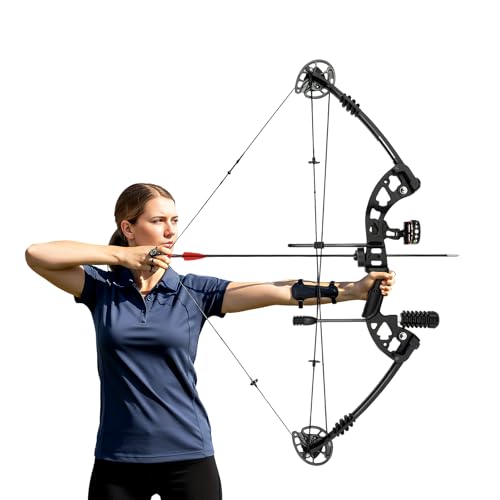
How To Use A Compound Bow sounds simple at first glance, but the moment the string pulls back and the sight starts drifting, reality kicks in fast. Tiny mistakes in stance, grip, or release can throw arrows completely off target, leaving people scratching their heads and wondering what went wrong. That’s where patience, body positioning, and consistent movement patterns start making a huge difference. A compound bow rewards calm repetition far more than brute strength, and honestly, that surprise catches many people off guard.
Bow handling feels awkward during the first few sessions because the body naturally wants to tense up. Tight shoulders, clenched fingers, and rushed shots usually create shaky aim and uneven releases. Smooth shooting starts with relaxed posture, controlled breathing, and understanding how the bow transfers energy during the draw cycle. Once those pieces begin working together, accuracy stops feeling random and starts becoming repeatable.
Eye alignment and anchor positioning matter more than many expect. Even a slight shift in head angle can send arrows drifting left or right, especially at longer distances. Consistency becomes the secret sauce here because compound bows thrive on repeatable mechanics. Keeping the same anchor point on every shot builds muscle memory naturally instead of forcing uncomfortable corrections later.
Arrow setup also plays a surprisingly big role in overall shooting comfort. Heavy arrows may feel sluggish, while extremely light arrows can create unstable flight patterns and extra vibration. Properly matched equipment helps improve control, reduces unnecessary strain, and makes practice sessions feel smoother overall. Little adjustments often solve frustrating problems faster than endlessly increasing draw weight.
Target panic sneaks up on people more often than they’d admit. The mind starts rushing the release the second the sight pin gets close to the target, causing jerky shots and inconsistent grouping. Slowing down the shot sequence helps restore rhythm and confidence. Controlled timing keeps the bow steady while allowing the release to happen naturally instead of forcing it.
Outdoor conditions add another layer of challenge. Wind drift, uneven terrain, changing light, and awkward footing can completely alter shot placement if body balance falls apart. Developing stable footing and learning how to adjust under pressure creates far more dependable results during real-world shooting situations. Strong fundamentals matter because unpredictable environments rarely give second chances.
Practice routines work better when they stay focused instead of exhausting. Shooting dozens of rushed arrows usually creates bad habits faster than improvement. Shorter sessions with attention to form, release timing, and follow-through tend to produce cleaner results over time. Compound bows respond best to controlled repetition rather than rushed volume.
Confidence eventually grows through consistency, not luck. Every smoother release, tighter arrow grouping, and steadier draw cycle builds trust in the process little by little. Compound bow shooting becomes far more enjoyable once the mechanics stop feeling chaotic and start feeling natural. That steady progression keeps people coming back to the range instead of giving up after a frustrating afternoon.
- ARS Mark10.0
ARS Mark is a ranking system developed by bestairriflescopes.com. ARS Mark has no relationship or impact from any manufacturers or sales agent websites. Learn more
- BrandLumicasaler

- ARS Mark9.4
ARS Mark is a ranking system developed by bestairriflescopes.com. ARS Mark has no relationship or impact from any manufacturers or sales agent websites. Learn more
- BrandN/A

- ARS Mark9.4
ARS Mark is a ranking system developed by bestairriflescopes.com. ARS Mark has no relationship or impact from any manufacturers or sales agent websites. Learn more
- BrandSUNYA

- ARS Mark9.2
ARS Mark is a ranking system developed by bestairriflescopes.com. ARS Mark has no relationship or impact from any manufacturers or sales agent websites. Learn more
- BrandHuman Kinetics

- ARS Mark8.4
ARS Mark is a ranking system developed by bestairriflescopes.com. ARS Mark has no relationship or impact from any manufacturers or sales agent websites. Learn more
- BrandJimtoiny

- ARS Mark8.0
ARS Mark is a ranking system developed by bestairriflescopes.com. ARS Mark has no relationship or impact from any manufacturers or sales agent websites. Learn more
- Brandsanlida

- ARS Mark7.4
ARS Mark is a ranking system developed by bestairriflescopes.com. ARS Mark has no relationship or impact from any manufacturers or sales agent websites. Learn more
- BrandMajosta

- ARS Mark6.6
ARS Mark is a ranking system developed by bestairriflescopes.com. ARS Mark has no relationship or impact from any manufacturers or sales agent websites. Learn more
- BrandMajosta
Last update on 2026-05-31 / Affiliate links / Images, Product Titles, and Product Highlights from Amazon Product Advertising API
How To Use A Compound Bow
Missed shots can pile up fast, especially after spending time dialing in sights, adjusting draw weight, and trying to keep every movement steady. One sloppy release or tense shoulder can send an arrow drifting off target before you even realize what happened. That frustration sits right at the center of learning how to use a compound bow, because accuracy depends on tiny details stacking together properly. Smooth form, stable footing, and controlled timing matter far more than raw strength, and that realization changes the entire shooting experience.
Building A Stable Shooting Stance
Foot placement affects nearly everything in archery. Crooked footing creates balance problems that travel upward through the hips, shoulders, and finally into the shot itself. A slightly open stance usually helps maintain better stability, especially during longer practice sessions where fatigue starts creeping in. Keeping feet shoulder-width apart also reduces unnecessary swaying while aiming.
Body tension ruins consistency faster than most people expect. Tight shoulders force the bow arm to shake, and locked knees make the entire posture feel stiff and uncomfortable. Relaxed positioning creates smoother movement throughout the draw cycle while helping maintain clean alignment. Compound bows operate best when the body stays balanced instead of overworked.
Leaning backward during the draw creates another common issue. The extra strain shifts body weight unevenly and often pulls shots higher than intended. Keeping the chest upright while distributing weight evenly across both feet helps maintain better arrow control. Tiny posture corrections can dramatically tighten arrow groups after only a few practice rounds.
Outdoor terrain adds even more pressure on balance. Uneven dirt, wet grass, or rocky surfaces force constant adjustments that can throw off aim instantly. Practicing from different positions improves confidence while teaching the body how to maintain steady mechanics under less-than-perfect conditions. Range practice feels easier after spending time adapting to awkward footing.
Holding The Bow Without Extra Torque
Death-gripping the riser creates problems immediately. Excessive hand pressure twists the bow slightly during release, causing inconsistent arrow flight and unpredictable impact points. A relaxed grip allows the bow to settle naturally while preserving clean shot execution. The bow should rest comfortably against the palm instead of feeling squeezed for control.
Finger placement matters more than many beginners realize. Wrapping fingers too tightly around the grip introduces subtle torque that becomes painfully obvious at longer distances. Keeping knuckles angled slightly forward helps maintain more neutral hand positioning. That tiny adjustment often improves accuracy faster than changing equipment.
Bow slings solve a surprisingly common fear. Many shooters tense their hands because they're worried the bow might jump forward after release. A wrist sling removes that anxiety and encourages a looser grip, which supports smoother follow-through. Confidence usually improves once the hand stops fighting the bow during every shot.
Cold weather makes grip pressure even trickier. Stiff fingers and numb hands naturally encourage tighter squeezing, especially during hunting season or winter practice. Thin gloves designed for archery maintain finger sensitivity while preserving better release control. Bulky gloves might feel warm, but they often interfere with consistency around the grip and release aid.
Drawing The Bow Smoothly And Safely
Jerking the string backward creates instant instability. Fast, uneven draws throw shoulder alignment out of position and force muscles to compensate awkwardly during aiming. Controlled movement keeps the bow balanced while reducing unnecessary strain across the upper body. Smooth drawing also improves shot timing and overall comfort.
Overbowing causes frustration for countless new archers. Heavy draw weights may sound impressive, but struggling through every pull destroys shooting form before the arrow even reaches full draw. Lower draw weight settings encourage better mechanics, cleaner anchor positioning, and longer practice sessions without exhaustion. Accuracy almost always beats brute force.
Back muscles should handle most of the workload. Pulling entirely with the arms creates shaky aim and faster fatigue, especially after repeated shots. Engaging the upper back allows the draw cycle to feel steadier while preserving consistent posture. Compound bows become easier to manage once the larger muscle groups take over.
Dry firing remains one of the fastest ways to damage a compound bow. Releasing the string without an arrow sends excessive force back into the limbs and cams, potentially cracking expensive components. Safe shooting habits protect both the bow and the shooter while supporting long-term equipment reliability. Archery rewards patience far more than rushing.
Creating A Reliable Anchor Point
Anchor consistency separates random shooting from repeatable shooting. Every shot should settle into the same facial contact points before the release happens. Many archers rest the release hand against the jawline while aligning the peep sight naturally with the scope housing. That repetition creates muscle memory the body can trust under pressure.
Floating head position creates headaches fast. Lifting the chin or tilting sideways changes eye alignment enough to alter arrow impact noticeably. Keeping the head relaxed while bringing the string to the face preserves clean sight alignment. The bow should adapt to the body position, not the other way around.
Release aids also influence anchor consistency. Wrist strap releases often encourage slightly different hand positions compared to thumb-button releases. Experimenting carefully helps identify which setup supports smoother shot execution without forcing awkward movement patterns. Comfort usually improves accuracy more than copying someone else's technique.
Peep sight alignment becomes far easier once anchor points stay repeatable. Constant adjustments disappear because the eye naturally settles into the correct viewing position each time. To improve visibility during low-light hunts, explore best peep sight for bow hunting setups that support clearer sight pictures in changing outdoor conditions.
Aiming Without Fighting The Sight Pin
Many shooters panic the second the sight pin drifts near the target center. The release gets slapped too early, and arrows scatter unpredictably around the bullseye. Controlled aiming accepts slight sight movement while focusing on steady execution instead of perfect stillness. Compound bows rarely stay frozen in one spot, even for experienced archers.
Breathing rhythm directly affects sight stability. Holding breath too long creates shaking and muscle tension that quickly ruins aim. Slow breathing keeps the body calmer while helping maintain better visual focus. Small breathing habits often separate rushed shots from controlled ones.
Target panic tends to snowball once frustration takes over. Shooters begin anticipating the release instead of trusting the shot sequence, which creates jerky movements at the worst possible moment. Blank bale practice helps reset confidence because it removes the pressure of aiming altogether while reinforcing clean release mechanics. Simpler drills often fix complicated problems.
Lighting conditions also change aiming performance more than expected. Bright sunlight, shadows, and cloudy afternoons alter sight clarity throughout a session. Spending time practicing in different environments improves adaptability while building more dependable shooting habits. Indoor range consistency doesn't always translate outdoors without extra preparation.
Improving Arrow Flight And Consistency
Arrow tuning quietly shapes shooting results behind the scenes. Even solid shooting form struggles to compensate for poorly matched arrows or inconsistent spine ratings. Balanced arrow setups improve flight stability while reducing unnecessary wobble after release. Cleaner flight usually translates into tighter groupings downrange.
Broadheads expose tuning problems immediately. Field points might group tightly, then hunting heads suddenly drift several inches away from the target center. Paper tuning and walk-back tuning help identify alignment problems while improving overall arrow consistency. Small equipment tweaks often solve major accuracy frustrations.
Fletching damage creates another overlooked issue. Bent vanes or torn feathers can destabilize arrows enough to produce erratic flight patterns. Regular inspections protect predictable arrow performance during practice and hunting situations alike. Damaged arrows rarely improve with extra shooting.
Arrow weight affects both feel and penetration. Heavier arrows generally fly quieter and hit with more momentum, though they travel slightly slower through the air. Lighter arrows feel flatter at shorter distances but may create extra vibration on release. Testing different setups reveals which balance supports better control and comfort for individual shooting styles.
Managing Nerves During Real Shots
Practice sessions feel completely different once adrenaline enters the picture. Elevated heart rate, shaky breathing, and rushed decisions can wreck clean mechanics within seconds. Building a repeatable shot routine helps maintain mental composure when pressure starts climbing. Calm repetition beats emotional reactions nearly every time.
Distance estimation causes plenty of missed opportunities outdoors. Slight misjudgments in yardage become far more noticeable with modern high-speed bows. Rangefinders improve accuracy dramatically while supporting better sight pin selection before the shot happens. Guesswork rarely produces dependable results in archery.
Tree stand shooting introduces awkward body angles that many range shooters never practice. Leaning incorrectly from an elevated position changes anchor alignment and arrow trajectory unexpectedly. Practicing from seated positions or slight downward angles helps preserve consistent form in realistic hunting situations. Familiar movement patterns reduce panic during critical moments.
Young archers often struggle with confidence after repeated misses. Lighter draw weights and shorter axle-to-axle bows usually create a smoother learning curve without overwhelming smaller frames. For easier handling and improved comfort, compare best compound bow for 8 year old options designed around manageable draw cycles and safer shooting posture.
Compound Bow Shooting Tips For Better Accuracy
Arrows rarely miss for just one reason. Tiny breakdowns in timing, posture, grip pressure, or focus usually pile together until accuracy starts falling apart shot after shot. That’s why improving with a compound bow often feels frustrating at first, even after hours of practice. Cleaner mechanics, calmer movement, and smarter practice habits slowly build the confidence and consistency that most archers are actually chasing.
Using Follow Through The Right Way
Many shots go wrong after the arrow leaves the string, not before. Dropping the bow arm immediately or jerking the head to watch the arrow changes body alignment during release. Smooth follow through keeps the body stable while allowing the arrow to leave the bow cleanly. That extra second of patience protects shot consistency and improves grouping accuracy over time.
Release aids should activate naturally instead of being punched aggressively. Slapping the trigger creates unnecessary movement that often sends arrows left or right unexpectedly. Gentle pressure builds cleaner releases while helping maintain steady sight alignment. Archers who slow down their release timing usually notice tighter arrow groups within a few sessions.
Bow movement after release surprises many beginners. Compound bows naturally tip forward slightly because of stabilizer weight and stored energy leaving the limbs. Fighting that movement creates tension throughout the shot process. Letting the bow settle naturally encourages better control and prevents awkward reactions during follow through.
Video recordings reveal problems that shooters often miss in real time. Tiny shoulder drops, rushed releases, or collapsing posture become obvious once the shot gets replayed slowly. Reviewing practice footage helps identify patterns while improving mechanical awareness. Honest self-review usually fixes issues faster than endlessly changing equipment.
Practicing With Realistic Distances
Short-range shooting builds confidence, but relying only on close targets can create false expectations. A setup that feels easy at 15 yards may suddenly expose alignment mistakes at 40 yards. Gradually increasing distance improves shot discipline while exposing small inconsistencies before they become bad habits. Longer shots punish rushed mechanics quickly.
Many archers waste practice sessions firing arrows nonstop without purpose. Structured drills improve progress far more effectively than random shooting. Shooting smaller targets, limiting arrow counts, or practicing single-arrow focus develops mental control alongside physical consistency. Controlled repetition almost always outperforms mindless volume.
Wind also changes the entire shooting experience outdoors. Even mild gusts push lightweight arrows enough to create frustrating misses at longer ranges. Practicing in imperfect weather builds adaptability while teaching shooters how environmental conditions influence arrow flight. Indoor range comfort rarely prepares people for shifting outdoor conditions.
Target size affects confidence more than expected. Oversized targets can encourage sloppy aim because misses still land somewhere acceptable. Smaller aiming points sharpen focus while improving precision habits. Tight aiming spots teach patience instead of rushed shooting.
Adjusting Equipment Without Guesswork
Constantly tweaking bow settings after every bad shot usually creates bigger problems. Most accuracy issues come from shooting form rather than equipment failure. Changing sight positions, draw length, or stabilizers too quickly can hide the real issue instead of solving it. Reliable progress starts with consistent shooting mechanics before equipment adjustments happen.
Draw length affects comfort dramatically. A setup that feels too long forces the shooter to stretch awkwardly at full draw, while short draw lengths compress posture and reduce stability. Proper sizing improves anchor consistency and allows the body to settle naturally during aiming. Comfortable positioning almost always leads to steadier shooting.
Peep sight rotation frustrates many compound bow shooters. Twisted strings or settling cables can cause the peep to shift slightly out of alignment. Small string adjustments usually solve the issue while restoring clean sight pictures. Ignoring peep alignment problems often creates rushed head movement during aiming.
Left-handed shooters sometimes struggle to find comfortable setups because many bow models favor right-handed ergonomics and accessory placement. To improve comfort and maintain natural shooting posture, compare best compound bow for left handed options built specifically around smoother alignment and cleaner draw cycles.
Handling Pressure During Hunting Situations
Range confidence can disappear instantly once real hunting pressure shows up. Elevated heart rate, cold weather, and unpredictable animal movement force quick decisions that feel completely different from target shooting. A calm pre-shot routine helps preserve mental focus while slowing down rushed reactions. Consistency matters far more than speed in high-pressure moments.
Tree branches, uneven terrain, and awkward body angles often limit ideal shooting form outdoors. Hunters sometimes lean too far or twist their torso unnaturally trying to line up a shot. Practicing from kneeling, seated, or elevated positions improves body control in realistic conditions. Comfortable range shooting doesn’t always translate smoothly into hunting environments.
Noise discipline becomes critical during close-range encounters. Loose gear, rattling accessories, or brushing clothing against the bow can alert animals before the shot even happens. Quiet movement and organized equipment protect stealth while reducing distractions during the draw cycle. Preparation often matters more than fast reflexes.
Broadhead sharpness also deserves attention before every hunt. Dull blades reduce penetration and create inconsistent arrow flight compared to properly maintained heads. Keeping equipment inspected and ready improves reliability when opportunities finally appear. Small maintenance habits often prevent major frustration later.
Fixing Common Accuracy Problems
Low-left arrow groups frustrate countless shooters, especially after they feel confident about their form. Grip torque and target panic usually sit at the center of the problem. Relaxing the bow hand while slowing the release sequence often restores cleaner arrow flight. Tiny corrections usually outperform dramatic form overhauls.
High misses commonly happen because shooters anticipate the release and lift their head too early. Watching the arrow instead of completing follow through shifts body position at the exact wrong moment. Maintaining visual focus through the shot preserves better shot execution and steadier body mechanics. Patience becomes a major skill in archery.
String contact with clothing creates another sneaky issue. Loose jacket sleeves, chest straps, or bulky layers can interfere with the string path during release. Cleaner shooting lanes around the string help maintain consistent arrow travel. Cold-weather clothing deserves careful testing before hunting season arrives.
Arrow spine mismatches sometimes create erratic grouping even with solid shooting form. Weak or overly stiff arrows react unpredictably after release, especially at higher draw weights. Proper arrow matching improves flight stability while reducing frustrating inconsistencies. Reliable tuning starts with compatible equipment.
Building Better Confidence Over Time
Confidence rarely appears overnight in archery. Consistent shooting habits slowly replace frustration once mechanics start feeling natural instead of forced. Tracking progress through practice journals or grouping patterns helps shooters recognize real improvement, even during rough sessions. Small victories matter more than dramatic breakthroughs.
Bad shooting days happen to everyone. Fatigue, weather, distractions, or overtraining can throw accuracy off unexpectedly. Taking short breaks instead of forcing endless practice often restores mental sharpness faster than grinding through frustration. Archery rewards patience far more than stubbornness.
Trying different outdoor activities can also sharpen awareness and patience around animal movement and environmental conditions. To improve field observation skills and outdoor timing, explore how to catch a beaver strategies that highlight tracking habits, quiet movement, and careful positioning in unpredictable terrain.
Long-term improvement usually comes from refining fundamentals repeatedly instead of searching for shortcuts. Cleaner posture, calmer releases, and smarter shot routines gradually build dependable results that hold up under pressure. Compound bow shooting starts feeling smoother once the body trusts the process instead of fighting it every step of the way.


12 Best 22 Pcp Air Rifle For Hunting of 2026 With Quiet Power

7 Best 22 Pcp Air Rifle Under 300 of 2026 For Backyard Pest Control

10 Best 22 Break Barrel Air Rifles of 2026 For Backyard Pest Control

10 Best 30 Caliber Pcp Air Rifle of 2026 For Medium Game

Top Best 177 Air Rifle Under 100: Budget-Friendly Picks for 2026

How to Safely Reload Shotgun Shells at Home

11 Best Co2 Air Rifle For Pest Control of 2026 To Ensure Humane Dispatch

12 Best Inexpensive Air Rifles of 2026 For Dependable Backyard Accuracy






