How to Use a Crossbow Stringer the Right Way
Handling a crossbow can be both thrilling and intimidating, especially for those just stepping into the world of archery. One of the most overlooked yet crucial tools is the crossbow stringer. Without it, restringing can quickly turn into a frustrating or even risky ordeal. A crossbow stringer is more than just a helper, it’s your safeguard against improper tension, potential injuries, and unnecessary wear on your equipment. Many new shooters struggle because they underestimate how vital it is to use this tool correctly. They either attempt makeshift methods or rely on brute strength, which not only shortens the life of their string but also jeopardizes accuracy during shooting. By truly understanding the value of a crossbow stringer, you’ll not only protect your bow but also ensure every shot is smoother, safer, and more consistent. Think of it like this: you wouldn’t tune a guitar without the right tuner, and you shouldn’t handle stringing without a crossbow stringer. For hunters, target shooters, or hobbyists, this tool means fewer headaches, less strain on your body, and better longevity for your gear. It keeps your setup straightforward and reduces the risk of damaging the limbs of the crossbow. That’s why knowing how to use a crossbow stringer becomes a game-changer for anyone serious about performance and safety. Whether you’re preparing for your first hunting season or polishing your skills at the range, this knowledge is the foundation for reliable shooting.
Learning how to use a crossbow stringer isn’t just about following instructions, it’s about giving yourself peace of mind every time you prep your bow. Many archery newcomers get caught up in the excitement of hitting their first bullseye and skip the basics, but that’s where mistakes and injuries often start. A crossbow stringer works as your silent assistant, helping you apply even tension, avoid awkward slips, and maintain the strength of your bowstring for much longer. Imagine trying to muscle the string into place by hand: the uneven pull, the struggle, the risk of hurting yourself or snapping a costly string. That’s why seasoned shooters swear by this tool, it brings order to what could otherwise be chaos. By practicing the right technique, you’ll feel more confident handling your gear and spend more time focusing on accuracy instead of fiddling with setup. Whether you’re gearing up for hunting, fine-tuning your shot at the range, or simply enjoying the hobby, mastering the steps of how to use a crossbow stringer will make the whole process smoother. It’s not just about convenience; it’s about safety, precision, and extending the life of your equipment. Once you embrace this small yet mighty tool, you’ll wonder how you ever managed without it.
For many archers, the thrill lies in the shot, not the setup. Yet the crossbow stringer is the unsung hero that prevents frustration, damage, and even injury. A study by Archery Trade Association found that improper stringing methods account for nearly 20% of premature bowstring failures. That statistic alone should make anyone stop and think. By using a crossbow stringer, shooters cut down on uneven tension, reduce strain on limbs, and extend the life of their gear.
The benefits of a crossbow stringer stretch far beyond convenience. It provides consistency, allowing hunters and target shooters to maintain accuracy over time. Without it, even the strongest arms and steadiest hands can misalign the string. When your bowstring isn’t set right, accuracy suffers, and worse, the bow itself can sustain long-term damage. In essence, this simple device safeguards both your performance and your investment.
Many beginners think brute force is enough to string a bow, but that belief is a recipe for injury. A sudden slip can result in bruised fingers, strained muscles, or worse, a broken bowstring snapping back at your face. Seasoned hunters often repeat one line: “The crossbow stringer isn’t an accessory, it’s protection.” By relying on it, you put control back in your hands and danger out of the equation.
Beyond safety, there’s a confidence boost too. With a crossbow stringer, shooters can practice without second-guessing their setup. That mental edge translates directly into better focus when it matters most, whether it’s lining up a shot at the range or aiming quietly in the woods.
If you’ve ever tried to string a crossbow by hand, you’ve likely felt the struggle, sweaty palms, awkward angles, and plenty of frustration. The bowstring resists, and every pull feels like a wrestling match. The danger here isn’t just wasted time, but inconsistent tension that leads to poor accuracy and gear damage.
Without a crossbow stringer, even small mistakes can have big consequences. A slightly misaligned string can throw off your shot by inches at short range and by feet at long range. Hunters know the pain of missing an opportunity because of faulty setup, and it’s often not their aim that’s the problem, it’s the bow.
Think about the strain on your body too. Pulling the string into position without proper leverage causes unnecessary stress on your shoulders, arms, and back. Over time, this effort takes a toll, leading to fatigue and even chronic strain injuries. That’s why experts say using a crossbow stringer isn’t a luxury, it’s a necessity.
The emotional side is often overlooked. Archery should be enjoyable, yet the frustration of failed setups drives many newcomers away. By relying on a crossbow stringer, you avoid these roadblocks and actually enjoy the process from start to finish.
The beauty of the crossbow stringer lies in its simplicity. Most models come with a durable cord and hooks that attach securely to the limbs of your bow. The process begins by anchoring the stringer on each limb tip, ensuring everything is secure. From there, you use steady pressure to pull the limbs inward, creating enough slack to easily slide the bowstring into its groove.
What makes this tool special is how it distributes force evenly across the limbs. Instead of muscling one side at a time, the crossbow stringer ensures balance. This balance protects the integrity of the limbs and gives you confidence that your bow is set correctly. Hunters often say it feels like having an extra set of strong, steady hands doing the heavy lifting.
Once the string is in place, the release is just as controlled. You simply ease the pressure back, letting the limbs settle naturally. There’s no sudden snap, no dangerous recoil, just a smooth setup that leaves your bow ready for action. That’s the real advantage: safety plus simplicity.
Experts recommend double-checking after every setup. Run your fingers along the grooves to ensure the string sits evenly, and always store your crossbow stringer nearby. It’s a tool you’ll use more often than you realize, especially if you shoot regularly.
Even though a crossbow stringer is designed for safety, careless use can still cause problems. First, always inspect the stringer itself before each use. Look for frayed cords or weakened hooks. A damaged tool won’t provide the security you need, and ignoring it can be just as risky as stringing by hand.
Second, maintain a stable stance during use. Keep your feet planted and your back straight to avoid slipping or losing control. A surprising number of injuries happen not because of the bow, but because someone lost balance mid-string. By grounding yourself, you eliminate this hazard.
Another key precaution is checking the environment. Avoid stringing your crossbow in cramped spaces or around distractions. Clear the area, and treat the process with the same seriousness you’d give to firing the bow itself. Remember: safe setup leads to safe shooting.
Lastly, never rush. Many accidents occur when people try to cut corners. By slowing down and respecting the crossbow stringer, you gain consistency, safety, and the assurance that your equipment will perform reliably in the field.
While safety is the headline, the crossbow stringer offers more than just protection. One huge advantage is efficiency. What used to take minutes of frustration can be accomplished in seconds with a smooth pull and release. That’s valuable time saved, especially before a hunting trip or during practice.
Another benefit is cost-effectiveness. By reducing strain on your string and limbs, you avoid frequent replacements. A single bowstring replacement might cost $30–$50, and limb repairs can run even higher. With proper use of a crossbow stringer, you’re literally saving money every season.
It also improves performance. A correctly strung bow gives you consistent draw weight and cleaner shots. Over time, this translates into tighter groupings at the range and more reliable hits in the field. Hunters especially value this consistency, as even one misaligned string can ruin a shot at game.
Finally, there’s peace of mind. Shooting should be enjoyable, and nothing ruins that faster than worrying about equipment failures. With the crossbow stringer as part of your routine, you gain confidence, reduce anxiety, and put full focus back where it belongs, on your aim and your shot.
Not all crossbow stringers are created equal. The design of your bow, its draw weight, and even the material of the limbs affect which stringer works best. A mismatched stringer may look functional but can cause uneven tension, defeating the very purpose of using it. That’s why selecting the right model is as important as knowing how to use it.
For bows with higher draw weights, durability is key. Look for reinforced cords and sturdy limb hooks that won’t slip under pressure. On the other hand, lightweight models may benefit from stringers designed for easier handling. Hunters who shoot often swear by heavy-duty versions because they can withstand repeated use without fraying.
Another factor is portability. Many modern stringers are compact enough to slip into a gear bag without adding bulk. This matters when you’re trekking through the woods, where every ounce counts. Having a reliable crossbow stringer on hand ensures you won’t be stranded if your string loosens mid-hunt.
The last step is checking user feedback. Reviews often reveal subtle strengths and weaknesses you can’t see in product descriptions. Learning from the experiences of others helps you make a more informed decision and ensures your crossbow stringer fits your exact needs.
Knowing how to use a crossbow stringer is step one; protecting your bowstring long-term is step two. First, avoid dry firing. Every expert agrees this is the fastest way to ruin both string and limbs. Instead, always use proper bolts or practice with discharge targets.
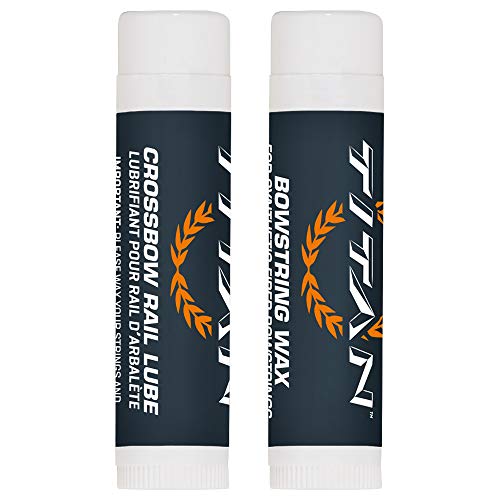
Second, apply string wax regularly. Even the best bowstring material wears down over time, but a thin coat of wax keeps fibers lubricated and resistant to fraying. Think of it as adding oil to an engine, it reduces friction and extends performance.
Third, always check for uneven wear. A crossbow stringer ensures proper alignment, but dirt, moisture, and frequent shooting can still create weak points. By catching these early, you prevent sudden breaks that could ruin both your day and your equipment.
Lastly, store your crossbow in a cool, dry environment. Heat and humidity are natural enemies of bowstrings. Pairing careful storage with the regular use of a crossbow stringer means fewer replacements and more consistent accuracy in the field.

Talk to any seasoned archer, and you’ll hear plenty of cautionary tales. One bowhunter shared how skipping the crossbow stringer led to a string snapping back during setup, leaving a painful welt and a ruined hunting trip. That single mistake cost him both time and money.
In contrast, another shooter explained how incorporating a crossbow stringer into his routine saved him hours of frustration. He went from struggling for ten minutes with misaligned strings to less than a minute of smooth, controlled setup. His accuracy improved almost immediately.
Even competitive shooters see the difference. One archery coach said, “The crossbow stringer isn’t just safer, it teaches discipline. My students learn to respect the process, and their shots improve because of it.” That testimonial echoes across the sport: respect the setup, and the results will follow.
By listening to these real-world experiences, it’s clear that a crossbow stringer is more than a tool, it’s an essential companion for anyone serious about archery.
One common myth is that strong shooters don’t need a crossbow stringer. This couldn’t be further from the truth. No matter your strength, human error is inevitable, and uneven tension remains a risk without the tool. Brute force doesn’t equal precision.
Another misconception is that stringers wear out bows faster. In reality, the opposite is true. By distributing force evenly, a crossbow stringer reduces strain on the limbs and string, extending their usable life. Ignoring this fact leads to costly repairs.
Some beginners also believe stringers are difficult to use. Yet most designs are intentionally simple: attach, pull, align, and release. The tool takes the guesswork out of the process, ensuring consistency even for newcomers.
Finally, many assume it’s just an optional accessory. But talk to any long-term archer, and they’ll tell you that a crossbow stringer is as essential as bolts, wax, or a case. It’s not about luxury, it’s about reliability and safety.
Archery is as much a mental game as it is physical. By mastering how to use a crossbow stringer, shooters eliminate one of the biggest sources of anxiety: faulty setup. That confidence carries directly into shooting form, where focus and precision matter most.
Think of it like a pre-game ritual. Just as athletes rely on routines for consistency, archers benefit from the reliable process a crossbow stringer provides. Every setup becomes predictable, repeatable, and safe. That reliability builds trust between you and your equipment.
Confidence also affects learning speed. Beginners who use a crossbow stringer progress faster because they spend less time troubleshooting and more time practicing shots. They’re less likely to quit out of frustration, meaning they stick with the sport longer.
Ultimately, confidence is the hidden benefit. Beyond saving money, improving accuracy, or preventing injuries, a crossbow stringer builds the belief that every shot is backed by a solid foundation. And that’s what keeps archers coming back, season after season.

Unleash the Mechanism: The Science Behind Air Rifles

Unveiling the Art of Chatter Bait Fishing

Embrace the Art: How to Hook a Shiner

Unveiling Techniques: How to Hang a Deer Skull

Revealing the Secrets of Wood Hardening: An Essential Guide
Unveiling the Secrets of Efficient Bait Fish Hooking

Unlock the Mystery: Guiding Steps to Grasp a Bluegill

Unleashing the Thrill: Your Path to Bow Hunting