
How to Use a Crossbow Without Rookie Mistakes

How to Use a Crossbow sounds simple at first glance, yet plenty of people end up frustrated after a few shaky shots, sore shoulders, or missed targets. Crossbows carry serious power, and that power demands patience, awareness, and clean handling habits from the very first bolt. A rushed setup can throw off accuracy fast, while poor positioning often causes inconsistent shots that feel impossible to correct. Small details matter more than most expect, especially hand placement, stance, and trigger control.
Grip pressure changes everything. Hold the stock too tightly, and the bow may shift during release. Relax too much, though, and stability disappears in a heartbeat. That balancing act catches many people off guard because crossbows look easier to operate than traditional bows. Truth is, the learning curve feels smoother only after the fundamentals become second nature.
Safety also sits front and center every single time the crossbow comes out of storage. Dry firing can damage limbs and strings in seconds, and fingers placed above the rail can lead to nasty injuries nobody wants to experience firsthand. Smart habits prevent expensive mistakes and painful accidents before they even happen. A calm routine helps keep every movement controlled instead of rushed.
Target distance creates another hurdle people underestimate. Close-range shots may feel comfortable, but moving farther back changes arrow drop, visibility, and confidence all at once. Some setups perform beautifully at shorter distances yet lose consistency once conditions shift outdoors. Wind, lighting, and uneven terrain suddenly enter the picture, making practice far more valuable than flashy gear.
How to Use a Crossbow properly also means understanding maintenance, not just shooting technique. Loose bolts, worn strings, or dirty rails can quietly sabotage performance over time. Regular inspections help preserve accuracy and reduce wear before bigger problems appear. Even a small string issue can throw shots wide enough to ruin a good session.
Comfort plays a surprisingly big role too. A poorly adjusted scope or awkward shoulder position turns shooting into a tiring chore instead of an enjoyable skill. Smooth cheek placement and steady breathing create more consistent results than brute strength ever will. Funny enough, slowing down often improves accuracy faster than firing dozens of rushed bolts.
Then there’s the mental side of it all. Confidence builds gradually, especially after learning how your crossbow reacts under different conditions. One clean shot can feel fantastic, but repeatable consistency is what really separates random luck from reliable skill. That steady rhythm takes practice, a little patience, and a willingness to fix bad habits before they stick around too long.

- ARS Mark10.0
ARS Mark is a ranking system developed by bestairriflescopes.com. ARS Mark has no relationship or impact from any manufacturers or sales agent websites. Learn more
- BrandTenPoint

- ARS Mark9.2
ARS Mark is a ranking system developed by bestairriflescopes.com. ARS Mark has no relationship or impact from any manufacturers or sales agent websites. Learn more
- BrandBARNETT

- ARS Mark9.2
ARS Mark is a ranking system developed by bestairriflescopes.com. ARS Mark has no relationship or impact from any manufacturers or sales agent websites. Learn more
- BrandBARNETT

- ARS Mark9.2
ARS Mark is a ranking system developed by bestairriflescopes.com. ARS Mark has no relationship or impact from any manufacturers or sales agent websites. Learn more
- BrandBARNETT
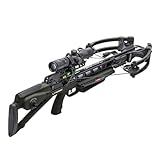
- ARS Mark9.2
ARS Mark is a ranking system developed by bestairriflescopes.com. ARS Mark has no relationship or impact from any manufacturers or sales agent websites. Learn more
- BrandTenPoint
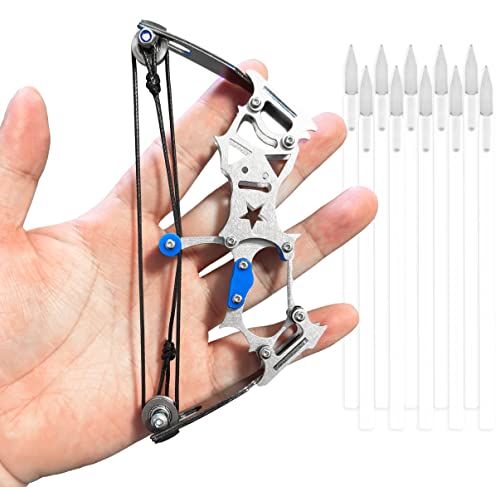
- ARS Mark9.0
ARS Mark is a ranking system developed by bestairriflescopes.com. ARS Mark has no relationship or impact from any manufacturers or sales agent websites. Learn more
- BrandTIETHEKNOT

- ARS Mark7.8
ARS Mark is a ranking system developed by bestairriflescopes.com. ARS Mark has no relationship or impact from any manufacturers or sales agent websites. Learn more
- BrandBARNETT
- ARS Mark7.4
ARS Mark is a ranking system developed by bestairriflescopes.com. ARS Mark has no relationship or impact from any manufacturers or sales agent websites. Learn more
- BrandTactical Crusader

Folding Crossbow Professional Training Portable Easy Storage Lightweight Archery Equipment
View on Amazon- ARS Mark7.0
ARS Mark is a ranking system developed by bestairriflescopes.com. ARS Mark has no relationship or impact from any manufacturers or sales agent websites. Learn more
- BrandTIETHEKNOT

- ARS Mark5.6
ARS Mark is a ranking system developed by bestairriflescopes.com. ARS Mark has no relationship or impact from any manufacturers or sales agent websites. Learn more
- BrandTenPoint
Last update on 2026-05-27 / Affiliate links / Images, Product Titles, and Product Highlights from Amazon Product Advertising API
How To Use A Crossbow Without Rookie Mistakes
Missed shots can wreck confidence fast, especially after spending time lining everything up perfectly. A crossbow looks simple from a distance, but shaky grip pressure, rushed trigger pulls, and sloppy positioning quietly ruin accuracy before the bolt even leaves the rail. Plenty of people start learning how to use a crossbow expecting instant precision, then realize the smallest habits create the biggest problems. Tight groups on the target usually come from patience, clean mechanics, and steady repetition rather than raw strength.
Start With Safe Crossbow Handling
Safety needs to become automatic before accuracy even enters the conversation. Crossbows generate serious force, and careless handling can damage both equipment and hands in a split second. Fingers drifting above the rail remain one of the most common beginner mistakes because people underestimate string movement during the shot. Keeping a relaxed but controlled grip below the flight deck prevents painful accidents that nobody forgets twice.
Loading habits matter just as much as trigger discipline. A bolt seated incorrectly may wobble, shift, or fly unpredictably after release. That tiny alignment issue creates frustration fast because the shot feels random even though the problem started before aiming. Double-checking bolt placement helps maintain consistency and protects the string from uneven wear.
Dry firing deserves attention too. Pulling the trigger without a loaded bolt places huge stress on the limbs and string system. Some crossbows can survive one mistake, but repeated dry fires may crack limbs or damage cams over time. Repair costs pile up quickly once those parts fail.
Storage habits quietly affect long-term performance as well. Leaving a cocked crossbow sitting for extended periods adds unnecessary tension to the limbs and string. Humidity and temperature swings can also affect cables if the setup stays in poor conditions too long. A clean, dry storage area protects critical components and keeps the setup reliable for future practice sessions.
Build A Stable Shooting Position
Awkward body positioning throws accuracy off faster than most people expect. Lean too far forward, and muscle tension creeps into the shot. Lean back too much, and balance disappears during trigger release. A stable stance keeps the crossbow steady without forcing the body into uncomfortable angles.
Foot placement creates the foundation for every shot. Slightly staggered feet usually provide better balance than standing square to the target. That little adjustment helps reduce wobble while improving shoulder alignment behind the stock. Strong footing becomes even more important on uneven outdoor terrain.
Shoulder pressure changes shot consistency too. Pulling the stock firmly into the shoulder pocket reduces unnecessary movement during release. Loose positioning often creates subtle recoil shifts that throw bolts off target, especially at longer distances. Controlled pressure helps maintain shot stability without creating stiffness.
Breathing patterns influence aim more than people realize. Holding breath too long introduces tension and shaky movement near the trigger break. Calm breathing keeps the upper body relaxed while improving sight picture control. Funny enough, smoother breathing often tightens groups faster than buying expensive accessories.
Improve Accuracy Through Trigger Control
Jerking the trigger ruins more shots than poor optics ever will. Excitement usually causes people to slap the trigger instead of squeezing it smoothly. That sudden movement shifts the crossbow at the exact worst moment. Clean trigger pressure keeps the sight picture stable through the shot.
Trigger discipline takes patience because the movement feels tiny but affects everything downrange. A slow, deliberate squeeze prevents anticipation from pulling shots sideways. Many beginners blink or tense up during release without realizing it. Slowing the process down helps those bad habits stand out quickly.
Follow-through matters too. Some people instantly lift their head after firing to check the target, which disrupts body position before the bolt fully clears the rail. Keeping eyes locked through the shot maintains cleaner mechanics. Tiny details like that separate random lucky hits from repeatable consistency.
Practice sessions should focus on small groups rather than nonstop shooting. Fatigue sneaks in fast, especially during longer sessions, and tired muscles create sloppy form. Short practice rounds with careful attention to technique usually produce better improvement than emptying an entire case of bolts in frustration. Controlled repetition develops muscle memory far more effectively.
Use The Scope The Right Way
Crossbow scopes confuse plenty of first-time shooters because the reticles often include multiple aiming points. Those marks compensate for distance and bolt drop rather than acting as decoration. Ignoring them leads to shots landing low once distance increases. Learning how each aiming point matches yardage builds far more predictable accuracy.
Eye positioning matters more than people think. Moving the head too far forward or backward changes the sight picture and creates inconsistent alignment. A steady cheek weld helps maintain repeatable positioning every time the crossbow comes up. That repeatability builds confidence during longer practice sessions.
Brightness settings can also affect visibility outdoors. Overly bright illumination sometimes washes out the reticle in low-light conditions instead of helping. Dimmer settings often create a cleaner aiming point around sunrise or dusk. Little adjustments like that become valuable during changing weather and shifting natural light.
Scope mounting screws deserve regular inspection too. Recoil vibrations gradually loosen hardware over time, especially after heavy use. A slightly loose scope can scatter shots unpredictably and leave people chasing problems that aren't related to technique at all. Tight hardware keeps the entire sighting system dependable.
Choose Bolts That Match Your Setup
Random bolts from the bargain bin rarely produce reliable results. Weight, spine, and length all affect how the crossbow performs once the trigger breaks. Mismatched bolts may fly inconsistently or place extra strain on the limbs. Proper bolt selection helps maintain both accuracy and equipment longevity.
Heavier bolts generally create quieter shots and deeper penetration, though they travel slower through the air. Lighter bolts increase speed but may feel less forgiving during windy conditions. That tradeoff matters more outdoors where environmental changes affect every shot. Different setups respond differently depending on bolt weight balance.
Fletching condition matters too. Damaged vanes can send bolts drifting unpredictably even if everything else looks perfect. Small tears or bent vanes create uneven airflow that affects stabilization during flight. Checking bolts before each session prevents avoidable frustration later on.
Broadheads introduce another layer of complexity once hunting setups enter the picture. Field points may group tightly while broadheads drift slightly due to blade design and airflow changes. Testing both styles separately helps identify realistic performance differences. Consistent practice with the intended setup builds trust before serious shooting situations.
Handle Crossbow Maintenance Properly
Neglected maintenance slowly destroys performance without obvious warning signs at first. Strings dry out, rails collect debris, and bolts loosen after repeated shooting sessions. Those small issues quietly chip away at consistency until accuracy suddenly disappears. Routine inspection prevents bigger repairs from sneaking up unexpectedly.
String wax helps reduce friction while protecting fibers from premature wear. Dry strings fray faster, especially after exposure to dirt, moisture, or heavy shooting sessions. Applying wax regularly keeps the string flexible and extends usable life significantly. A neglected string eventually becomes a costly problem.
Rail lubrication matters too, but overdoing it creates trouble. Excessive lubricant attracts dirt and grime that interfere with bolt movement across the rail. A light application usually works better than coating everything heavily. Balance keeps the setup running smoothly without creating unnecessary buildup.
Explore best compound bow for archery setups if smoother draw cycles and adjustable tuning options also interest you during broader archery practice. Different bow platforms teach different shooting habits, and cross-training can sharpen overall form awareness surprisingly well. Some shooters actually improve trigger control after spending time with compound bows. That crossover experience highlights mechanics people often overlook while focusing only on speed.
Practice Distance Without Rushing Progress
Jumping straight to long-range shots usually creates frustration instead of improvement. Shorter distances reveal form problems faster because missed shots become easier to diagnose. Starting close allows cleaner focus on trigger squeeze, stance, and breathing without fighting excessive bolt drop. Strong fundamentals matter more than flashy distance claims.
Gradually increasing yardage builds confidence while exposing new challenges one layer at a time. Wind drift becomes more noticeable farther out, and small aiming errors suddenly look much larger on target. That shift surprises many people during early outdoor sessions. Patience keeps progress steady instead of chaotic.
Target size also affects mental pressure. Large targets help reinforce proper mechanics early on because they reduce panic around missing entirely. Tiny bullseyes tend to create overcorrection and trigger anticipation for newer shooters. Relaxed shooting often produces cleaner groups than obsessive precision chasing.
Explore best starter bow for traditional archery options if slower-paced shooting styles sound appealing alongside crossbow practice. Traditional archery forces tighter focus on body positioning and release control without relying heavily on optics. Plenty of experienced shooters bounce between both styles to sharpen discipline and patience. That slower rhythm teaches lessons many crossbow users miss early on.
Advanced Techniques For Accurate Crossbow Shooting
Even after mastering basic handling, accuracy challenges sneak up on shooters who skip refinements. Small inconsistencies in cheek weld, bolt alignment, and breathing still create erratic shot groups. Improving precision requires attention to detail that extends beyond just stance and trigger control. Every session becomes an opportunity to reinforce mechanics that prevent wasted bolts and frustration.
Optimize Your Scope Settings
Scopes often intimidate beginners because the tiny adjustments seem insignificant. Yet, eye relief, reticle clarity, and parallax control define how consistently a shooter can hit targets. Properly set scopes eliminate guessing at yardage and improve confidence during every shot. Adjusting illumination for changing light ensures the aiming point always pops.
Misaligned optics quietly ruin more sessions than poor mechanics. Even small tilts or shifts can throw groups wide enough to feel like bad luck. Regularly checking mounts and screws keeps the setup predictable. That predictability reduces mental stress and builds repeatable shot patterns.
Targeted magnification improves situational awareness without sacrificing focus. Medium-range settings often strike the balance between field of view and detail. That balance matters when tracking moving targets or scanning complex terrain. Fine-tuning scope features reinforces visual accuracy consistently across sessions.
Explore best bow sight for old eyes to maintain clear sight pictures even under aging vision conditions. Adjustments like these reduce eye strain and allow longer practice without fatigue. Better optics create a direct link between skill and performance instead of battling unclear views.
Use Peep Sights For Consistent Alignment
Peep sights subtly transform crossbow accuracy by providing a repeatable anchor for the eye. Misaligned peep usage often feels like invisible errors, but they silently shift shots off-center. Maintaining a proper sight picture builds confidence and reduces trial-and-error aiming. Small, consistent corrections prevent wasted bolts and frustration.
Height and rotation adjustments ensure that every bolt exits consistently relative to the sight. Inconsistent eye position introduces unpredictable variance at longer ranges. Proper calibration ensures that the shooter’s natural head placement aligns with the reticle automatically, which improves mechanical consistency without extra thought.
Regular cleaning and inspection of the peep aperture matters. Debris, dust, or corrosion subtly affect sight clarity and introduce strain. A crisp sight picture helps maintain smooth follow-through and repeatable mechanics. Keeping the sight in top condition emphasizes precision over brute practice.
Try best bow peep sight for hunting to enhance alignment and shooting confidence, especially in variable outdoor lighting. Optimized peep setup reinforces fundamental skills while reducing guesswork. These small tweaks often produce measurable improvements in grouping and long-range consistency.
Adjust Draw Weight And Cocking Techniques
Overdrawing or inconsistent cocking introduces unseen strain on the limbs and string. Even slight variations change how the bolt flies and affect long-term equipment longevity. Maintaining a steady draw weight ensures that every shot behaves predictably, creating cleaner groups.
Mechanical aids like rope cockers or cranking devices reduce fatigue while maintaining accuracy. Beginners often rely on brute force, which leads to shaky aim and uneven releases. Leveraging proper equipment preserves both form and shoulder health. Efficient cocking reduces distraction and mental clutter during aiming.
Repetition is key: consistent hand placement and limb engagement during cocking translates to more stable shooting. Untrained adjustments introduce subtle misalignment that grows over successive shots. A disciplined approach to setup reinforces mechanical reliability and prevents bad habits from forming.
Small tweaks in bolt seating combined with proper cocking preserve string integrity over time. Consistency in pre-shot routine links technique to performance directly, making skill more dependable. Regular inspection and maintenance after repeated draws reinforce durable accuracy.
Incorporate Environmental Awareness
Wind, light, and terrain affect every shot more than beginners realize. Ignoring gusts or uneven footing produces inconsistent impact points. A subtle understanding of environmental cues enhances predictable performance. Experienced shooters adjust body position, aim, and bolt choice in response.
Lighting affects reticle perception and target contrast. Dawn and dusk may exaggerate errors caused by rushed trigger pulls. Adjusting scope brightness and fletching selection helps mitigate visual stress. Simple awareness transforms potential mishaps into opportunities for precision practice.
Uneven terrain affects stance stability. Planting feet firmly on slopes or inclines reduces wobble and improves repeatable positioning. Shoulder alignment, cheek weld, and trigger pressure remain reliable despite environmental challenges. Practicing under varying conditions builds adaptive skill that reflects real-world usage.
Small shifts in wind direction can alter bolt trajectory subtly but measurably. Awareness and compensation reinforce long-range reliability. Environmental adaptability transforms the crossbow from a static tool into an intuitive extension of the shooter’s mechanics.
Maintain Gear For Long-Term Performance
Regular inspection and maintenance prevent frustrating downtime and preserve accuracy. Strings, cams, and rail surfaces silently degrade if neglected, producing unpredictable results. Proactive care keeps performance factors consistent over months and years.
Lubrication and cleaning routines reduce friction and prevent premature wear. Neglecting these tasks introduces subtle resistance during shot release that affects trajectory. Small improvements in maintenance translate to better shot consistency and reduced repair costs. Routine care reinforces confidence in the equipment's reliability.
Protective cases and safe storage conditions prevent accidental damage during transport. Even minor drops can misalign sights or loosen mounting hardware. Organized storage preserves mechanical integrity and ensures predictable behavior when the crossbow comes out for practice or hunting.
Practice Mental Focus And Routine
Consistent accuracy requires a calm mind as much as solid mechanics. Rushing shots often leads to jerky trigger pulls and uneven release. Developing a focused pre-shot routine enhances mental clarity and stabilizes performance under pressure. Small rituals create repeatable outcomes every session.
Visualization techniques help maintain composure and reduce unnecessary muscle tension. Imagining the bolt path and anticipated impact zone builds anticipatory confidence without adding physical stress. That mental practice complements mechanical training perfectly.
Short, deliberate practice sessions beat long, mindless repetitions. Fatigue and wandering focus undermine accuracy more than skill deficits. Breaking sessions into controlled, measurable steps emphasizes consistent improvement rather than random practice.
Recording performance and noting environmental factors reinforce learning. Reviewing shot patterns and variables helps identify subtle trends in form or equipment behavior. Tracking these small data points accelerates progress and builds a predictable, reliable shooting routine.
Combine Crossbow Skills With Other Archery Tools
Trying different bows can improve technique and adaptability. Using a best ar 15 picatinny bipod or other stabilizing tools teaches how support affects stability and trigger control. Cross-training reinforces muscle memory and helps isolate weaknesses unnoticed in a single platform.
Compound bows provide insight into string tension and draw weight variation. Learning those nuances strengthens hand-eye coordination and precision across equipment types. These crossovers reinforce control and consistency in crossbow shooting.
Practicing with multiple tools also enhances environmental awareness. Different setups react differently to wind, distance, and posture changes. Understanding these responses enriches adaptive shooting skill without overwhelming the shooter. Real-world scenarios demand flexible, reliable mechanics.
Regularly revisiting fundamentals after exploring auxiliary tools maintains core competencies. Crossbow technique remains central, but exposure to variations sharpens attention to mechanical precision and body alignment. That holistic approach prepares shooters for unpredictable conditions.


12 Best 22 Pcp Air Rifle For Hunting of 2026 With Quiet Power

7 Best 22 Pcp Air Rifle Under 300 of 2026 For Backyard Pest Control

10 Best 22 Break Barrel Air Rifles of 2026 For Backyard Pest Control

10 Best 30 Caliber Pcp Air Rifle of 2026 For Medium Game

Top Best 177 Air Rifle Under 100: Budget-Friendly Picks for 2026

How to Safely Reload Shotgun Shells at Home

11 Best Co2 Air Rifle For Pest Control of 2026 To Ensure Humane Dispatch

12 Best Inexpensive Air Rifles of 2026 For Dependable Backyard Accuracy






