
How to Use a Gun Lock Without the Hassle

How to Use a Gun Lock sounds simple on paper, yet plenty of people end up fumbling with cables, keys, and stubborn locking mechanisms that refuse to cooperate at the worst possible moment. One wrong move can leave the firearm unsecured or make access painfully awkward later. That’s why understanding the small details matters more than flashy gear or expensive storage setups. A properly installed lock creates a layer of protection that helps reduce careless handling, accidental access, and unnecessary stress around firearm storage.
Gun owners often run into the same headaches. Tight cable routing, jammed lock cylinders, misplaced keys, or combinations that somehow vanish from memory overnight can turn a quick safety step into a full-blown annoyance. Still, skipping the lock entirely isn’t worth the gamble. Safe firearm storage works best when the process feels practical enough to repeat every single day without frustration building up over time.
Different firearms also require different approaches. A cable lock on a shotgun won’t sit exactly the same way on a compact handgun, and some trigger locks can interfere with optics or custom accessories. Little tradeoffs show up fast. That’s where a bit of know-how pays off because forcing the wrong lock into place can scratch finishes, damage components, or create unreliable security.
Another thing people rarely mention is convenience. If the lock takes forever to install, chances are it’ll eventually get tossed into a drawer and forgotten. Smooth routines matter. Gun lock safety becomes easier to maintain when the lock fits naturally into storage habits instead of feeling like a chore every single time the firearm gets handled.
Moisture, dust, and long-term storage conditions deserve attention too. Locks stored in humid garages or damp basements can corrode faster than expected, especially cheaper metal components. A sticky locking mechanism isn’t just irritating. It can slow things down when quick access is legitimately needed. Keeping locks clean and dry helps prevent those aggravating moments where the key suddenly refuses to turn.
Some people prefer keyed systems while others lean toward combination locks to avoid losing tiny keys. Both have upsides and annoying quirks. Keys can disappear into couch cushions or overloaded junk drawers, while combinations sometimes get forgotten after weeks of not using them. Reliable firearm storage habits usually matter more than the lock style itself.
Proper positioning also changes everything. A cable threaded incorrectly may still leave room for movement, while a poorly attached trigger lock can feel loose enough to raise doubts. Secure placement should stop normal firearm operation completely without damaging sensitive parts. A few extra seconds checking the fit can prevent a whole lot of second-guessing later on.

- ARS Mark9.4
ARS Mark is a ranking system developed by bestairriflescopes.com. ARS Mark has no relationship or impact from any manufacturers or sales agent websites. Learn more
- Brandlockforall

- ARS Mark9.2
ARS Mark is a ranking system developed by bestairriflescopes.com. ARS Mark has no relationship or impact from any manufacturers or sales agent websites. Learn more
- BrandRioRand

- ARS Mark9.2
ARS Mark is a ranking system developed by bestairriflescopes.com. ARS Mark has no relationship or impact from any manufacturers or sales agent websites. Learn more
- BrandSkyhorse

- ARS Mark9.2
ARS Mark is a ranking system developed by bestairriflescopes.com. ARS Mark has no relationship or impact from any manufacturers or sales agent websites. Learn more
- BrandLockdown

- ARS Mark9.2
ARS Mark is a ranking system developed by bestairriflescopes.com. ARS Mark has no relationship or impact from any manufacturers or sales agent websites. Learn more
- BrandFSDC

- ARS Mark9.0
ARS Mark is a ranking system developed by bestairriflescopes.com. ARS Mark has no relationship or impact from any manufacturers or sales agent websites. Learn more
- BrandRioRand

- ARS Mark9.0
ARS Mark is a ranking system developed by bestairriflescopes.com. ARS Mark has no relationship or impact from any manufacturers or sales agent websites. Learn more
- BrandRioRand
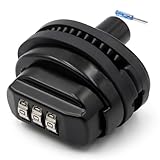
- ARS Mark8.8
ARS Mark is a ranking system developed by bestairriflescopes.com. ARS Mark has no relationship or impact from any manufacturers or sales agent websites. Learn more
- BrandRioRand

- ARS Mark5.8
ARS Mark is a ranking system developed by bestairriflescopes.com. ARS Mark has no relationship or impact from any manufacturers or sales agent websites. Learn more
- BrandFor Dummies
Last update on 2026-07-06 / Affiliate links / Images, Product Titles, and Product Highlights from Amazon Product Advertising API
How To Use A Gun Lock Safely Every Time
Rushed routines and cluttered storage spaces create problems faster than most people expect. One distracted moment, a misplaced key, or a poorly secured firearm can turn into a situation nobody wants to deal with later. That’s why how to use a gun lock properly matters far beyond basic storage habits. A reliable locking setup helps reduce accidental handling, limits unwanted access, and adds a layer of daily firearm safety that actually feels manageable instead of frustrating.
Why Gun Locks Get Ignored Too Often
Plenty of firearm owners buy a lock, toss it into a drawer, and never touch it again. The problem usually isn’t laziness. Most frustrations come from awkward cable routing, stiff lock cylinders, or trigger locks that feel clunky during repeated use. A setup that slows everything down eventually gets skipped, especially during late nights or hectic mornings.
Convenience plays a massive role in whether safety habits stick long term. A lock that installs smoothly in seconds stands a much better chance of becoming part of a daily routine. Cheap models with rough edges or flimsy cables often create irritation instead of confidence. Small annoyances pile up fast, and people naturally avoid gear that feels unreliable.
Storage location changes things too. A firearm kept in a bedside safe may need a different locking approach than one stored in a hunting cabinet or garage locker. Tight spaces can make cable locks awkward to thread correctly. Trigger locks sometimes interfere with mounted optics, lights, or aftermarket grips.
Some people also assume a gun safe alone removes the need for a separate lock. That thinking creates gaps in safety, especially during cleaning sessions, travel, or temporary storage situations. Layered protection gives better peace of mind than relying on a single storage method. A properly installed lock creates another barrier between the firearm and unintended access.
Choosing The Right Lock Style
Not every firearm lock works the same way, and honestly, some styles fit certain situations far better than others. Cable locks remain common because they’re simple and flexible. They usually thread through the chamber or action, making it impossible to load or fire the firearm while locked. That visible safety factor gives many owners extra reassurance.
Trigger locks take a different approach. Instead of threading through the firearm, they clamp around the trigger guard to block trigger movement. Some people prefer them because installation feels quicker, especially for compact handguns. Others dislike them because cheaper models can pinch finishes or feel loose after repeated use.
Combination locks reduce key-related headaches, but they come with tradeoffs too. Forgotten codes happen more often than people admit. Keyed locks avoid memorization issues, yet tiny keys tend to disappear into junk drawers or couch cushions at the worst possible time. Neither system is flawless, so daily habits matter more than the lock type itself.
Material quality deserves attention as well. Thin metal housings and weak cables wear out surprisingly fast in humid garages or seasonal hunting camps. Explore reliable firearm storage habits alongside best bow sight for bad eyes recommendations if long-term outdoor gear durability matters to your setup. A stronger lock body usually handles repeated use with fewer sticking issues over time.
Installing A Cable Lock Correctly
Cable locks look straightforward until someone tries installing one quickly for the first time. The firearm should always be unloaded completely before the cable goes anywhere near the chamber or action. Double-checking the chamber visually and physically takes only a few extra seconds, yet it prevents careless mistakes that could turn dangerous fast.
The cable needs to pass through the action in a way that blocks normal operation completely. On semi-automatic handguns, that usually means routing the cable through the ejection port and magazine well. Shotguns and rifles often require threading through the open action area instead. The goal stays the same across every platform: prevent the firearm from functioning.
Tension matters more than people expect. A cable hanging loosely may still allow partial movement or create doubt about whether the firearm is truly secured. Pull the cable snug enough to eliminate excess slack without forcing components awkwardly against each other. Excessive pressure can scratch finishes or stress delicate parts over time.
Storage afterward should feel deliberate, not rushed. Tossing a locked firearm loosely onto a crowded shelf increases the chances of scratches, bumps, or accidental drops. Clean organization supports safer handling routines naturally. The less chaotic the storage setup feels, the easier it becomes to maintain good habits consistently.
Using Trigger Locks Without Damaging Firearms
Trigger locks seem fast and convenient, but sloppy installation can create problems pretty quickly. Metal-backed models sometimes rub directly against the trigger guard finish, especially after repeated tightening and removal. A soft rubber lining helps reduce scuffs, though cheaper padding tends to wear down over time. Checking contact points occasionally prevents ugly surprises later.
Proper alignment matters too. The lock should clamp evenly around the trigger guard without shifting or wobbling once secured. Loose positioning defeats the purpose entirely because movement may still allow partial trigger access. Secure fit and balanced placement create better protection than excessive tightening.
Overtightening creates its own headaches. Some people crank trigger locks down aggressively thinking tighter always means safer. That pressure can stress polymer trigger guards or leave marks on thinner finishes. Firm placement works better than brute force.
Humidity affects trigger locks more than expected, especially inside garages, hunting cabins, or vehicles exposed to temperature swings. Corrosion around locking cylinders eventually causes sticking and rough key rotation. Explore outdoor equipment care alongside best peep sight for youth bow setups if storage conditions fluctuate throughout the year. A quick wipe-down every so often helps extend lock life significantly.
Common Mistakes During Daily Storage
One of the biggest mistakes happens before the lock even gets installed. People rush through unloading checks because the firearm “should already be empty.” That assumption creates unnecessary risk. Every firearm should be treated as loaded until verified personally, every single time.
Another issue comes from storing keys too close to the firearm itself. Leaving keys inside the same drawer, cabinet, or soft case weakens the entire point of using a lock in the first place. Separate access control creates stronger safety habits and limits careless shortcuts. Convenience matters, but security still needs boundaries.
Some locks also get reused long after visible wear starts appearing. Frayed cables, cracked rubber coatings, or sticky lock cylinders usually signal it’s time for replacement. Ignoring those warning signs often leads to sudden failure during storage or removal. Mechanical parts eventually wear down, especially in damp environments.
Then there’s the issue of inconsistent routines. A lock used only occasionally doesn’t build dependable habits. Reliable firearm safety depends heavily on repetition and familiarity. The smoother the process feels, the more likely it becomes part of normal everyday handling instead of an afterthought.
Keeping Keys And Combinations Organized
Lost keys create more stress than most people expect until they’re staring at a locked firearm with no backup plan. Tiny lock keys disappear easily inside crowded drawers, overloaded backpacks, or vehicle consoles. A dedicated storage spot cuts down on that frustration dramatically. Even a simple labeled container can save time later.
Combination locks solve part of that problem, though memory slips still happen. Plenty of people swear they’ll remember the code forever, then completely blank after a few months of not using it. Writing combinations down securely in a separate location helps avoid lockouts. Consistency beats guesswork every time.
Digital note apps might sound convenient, but shared devices create risks if sensitive information isn’t protected properly. Old-school paper backups stored discreetly often work better than people expect. The goal isn’t paranoia. It’s avoiding panic when quick access to a locked firearm becomes necessary.
Households with multiple firearm owners should coordinate lock systems carefully. Mixed keys and random combinations create confusion fast. Organized labeling, backup copies, and simple routines support better long-term storage management. Chaos tends to create mistakes, especially during rushed situations.
Travel Storage And Temporary Locking
Travel changes firearm storage priorities almost immediately. A lock setup that works perfectly at home may feel awkward inside a cramped vehicle or temporary hotel storage arrangement. Compact cable locks often fit travel situations better because they adapt to tighter spaces more easily. Bulkier trigger locks sometimes become frustrating during repeated packing and unpacking.
Vehicle storage deserves extra caution. Temperature swings inside parked cars can create moisture buildup that affects both firearms and locks over time. Corrosion starts quietly, then suddenly a lock cylinder feels gritty or difficult to turn. Dry storage conditions help extend the lifespan of both the firearm and locking system.
Temporary travel routines also increase the chances of forgotten keys or misplaced combinations. Keeping backups in a separate secure location prevents ugly surprises later. Explore outdoor organization ideas while checking how to use a slate turkey call if hunting trips already involve transporting multiple pieces of equipment. Efficient packing habits make storage safer and less stressful overall.
Soft cases create another hidden issue during travel. Loose movement inside a bag can shift improperly installed locks or scratch finishes over time. Padding helps reduce movement, but lock positioning still matters. Stable storage setups protect both safety and firearm condition during transportation.
How To Secure Firearms With A Gun Lock At Home
Late-night fatigue causes more storage mistakes than most people want to admit. Someone sets a firearm down “just for a minute,” gets distracted, and suddenly the lock never goes back on. That small lapse creates unnecessary risk, especially in busy homes where routines change constantly. Building dependable habits around how to secure firearms with a gun lock at home keeps storage safer without turning every interaction into a complicated process.
Building A Safer Daily Routine
Consistency matters more than complicated systems packed with extra gadgets. A simple lock routine repeated every single day usually works better than expensive storage setups that feel annoying to maintain. People naturally stick with habits that feel quick and predictable. Reliable firearm storage becomes easier once the process fits naturally into everyday life.
Placement helps more than expected. Storing locks in random drawers often leads to frustration because nobody wants to search the house for keys after a long day. A dedicated location near the storage area keeps things smoother. Small organizational changes often prevent rushed decisions later.
Visual reminders can help too, especially during stressful weeks or irregular schedules. Some firearm owners place empty lock packaging near safes or storage shelves until the routine becomes second nature. That tiny cue reinforces safe handling habits without needing constant mental reminders. Repetition builds comfort over time.
Outdoor gear organization follows a similar pattern. Explore hunting equipment setups with best bow under 800 ideas if compact storage and dependable protection matter during seasonal trips. Organized spaces reduce clutter and make firearm safety routines easier to maintain consistently.
How Moisture Affects Locks Over Time
Humidity quietly ruins plenty of firearm accessories long before people notice obvious damage. Locks stored in garages, basements, or vehicles often collect internal moisture that causes corrosion inside tiny moving parts. One day the key turns smoothly, then suddenly the cylinder feels gritty and stiff. Preventive maintenance saves a lot of aggravation later.
Cheap cable coatings crack faster in fluctuating temperatures too. Once the outer layer starts splitting, moisture reaches the metal underneath much more easily. Rust develops gradually, and frayed cables eventually lose reliability during repeated use. A quick inspection every few weeks helps catch those problems early.
Silica packs inside safes or storage cabinets help reduce excess moisture buildup. Ventilation matters as well, especially in cramped spaces where humidity gets trapped. Firearms and locks both last longer when the surrounding environment stays relatively dry. Storage conditions directly affect long-term reliability.
Lubrication should stay minimal. Some people spray heavy oil into lock cylinders thinking it’ll solve sticking issues forever, but excess lubricant collects dust surprisingly fast. A light application designed specifically for locks works better without creating messy buildup inside moving components.
Gun Lock Mistakes During Cleaning Sessions
Cleaning days create some of the most overlooked firearm safety mistakes. People tend to relax once the firearm is disassembled or partially cleaned, and attention drifts pretty quickly. A lock left off “temporarily” sometimes stays off longer than intended. That’s exactly where routine discipline matters most.
Cleaning benches also get crowded fast with solvents, brushes, rags, and spare parts scattered everywhere. In that mess, keys disappear easily or locks get pushed aside without much thought. Keeping a dedicated tray or storage spot prevents small accessories from getting lost during maintenance. Organized workspaces reduce careless handling.
Trigger locks deserve extra caution after cleaning because residual oils can make rubber contact points slippery. A lock that felt secure before maintenance might shift unexpectedly afterward if excess oil remains near the trigger guard. Wiping down contact areas before reinstalling the lock helps maintain a more stable fit.
Some owners skip locks entirely after cleaning because they assume the firearm won’t leave the workbench for long. Unfortunately, interruptions happen constantly. Phone calls, visitors, deliveries, or sudden errands can pull attention away instantly. Reinstalling the lock immediately avoids creating accidental gaps in storage safety.
Keeping Firearms Secure Around Visitors
Unexpected guests create another layer of responsibility many people underestimate. Friends stopping by for dinner, relatives visiting during holidays, or contractors working inside the home can all change storage priorities quickly. A firearm left unsecured for even a short time may attract unwanted curiosity. Controlled access matters far beyond immediate family routines.
Children especially tend to notice hidden objects adults assume are invisible. Closet shelves, bedside drawers, and storage bins rarely stay as private as people think. Gun locks help create an extra barrier during moments where supervision becomes inconsistent. That added delay can make a meaningful difference.
Travel cases deserve attention too during gatherings or overnight stays. A locked firearm tossed loosely into a guest room closet still benefits from separate key storage. Convenience should never outweigh basic safety precautions. Simple layers of protection reduce the chance of impulsive handling.
Outdoor recreation setups often require similar storage awareness. Compare compact accessory arrangements with best recurve bow target sight options if organized transport and quick gear access matter during range trips or hunting weekends. Well-planned storage prevents confusion in crowded environments.
What To Do If A Lock Stops Working
Sticking locks create panic faster than most people expect. One rough key turn or jammed combination dial suddenly leaves the firearm inaccessible, and frustration usually makes things worse. Forcing the mechanism aggressively can damage both the lock and firearm surface. Slowing down helps prevent expensive mistakes.
Start by checking for obvious issues like dirt buildup, moisture exposure, or partially engaged cables. Many lock problems come from simple alignment issues rather than complete mechanical failure. Gently repositioning tension points sometimes restores smooth movement immediately. Patience prevents unnecessary damage.
Combination locks occasionally fail because the dial wasn’t fully reset after the last use. Re-entering the sequence slowly and carefully often solves the issue without tools. If the mechanism still refuses to move, contacting the manufacturer usually works better than attempting destructive removal methods that risk scratching or damaging the firearm.
Replacement should happen sooner rather than later after repeated failures. A lock that jams unpredictably creates hesitation during storage routines, and hesitation often leads to skipped safety steps. Reliable equipment supports dependable habits. Faulty gear usually does the opposite.
Balancing Quick Access With Responsible Storage
People often struggle with the tradeoff between fast access and secure storage. A lock that feels too slow or awkward may eventually get ignored, especially during stressful situations or late-night exhaustion. Still, removing safety layers entirely creates bigger risks over time. Balanced firearm access usually works better than extreme approaches in either direction.
Practice helps smooth out that balance naturally. Repeating the locking and unlocking process a few times during calm situations builds muscle memory without pressure. Familiarity reduces fumbling and lowers frustration later. Confidence grows through repetition, not speed alone.
Storage location changes the equation too. Firearms kept for hunting trips may prioritize transport security, while home-defense setups often focus on controlled accessibility. Different situations call for slightly different routines. Matching the lock style to actual daily use makes the process feel more practical and sustainable.
Some owners eventually move toward layered setups using safes, lock boxes, and cable locks together instead of relying on one method alone. That approach adds flexibility without sacrificing protection. Multiple barriers create stronger habits and reduce the chances of careless shortcuts slipping into everyday routines.


12 Best 22 Pcp Air Rifle For Hunting of 2026 With Quiet Power

7 Best 22 Pcp Air Rifle Under 300 of 2026 For Backyard Pest Control

10 Best 22 Break Barrel Air Rifles of 2026 For Backyard Pest Control

10 Best 30 Caliber Pcp Air Rifle of 2026 For Medium Game

Top Best 177 Air Rifle Under 100: Budget-Friendly Picks for 2026

How to Safely Reload Shotgun Shells at Home

11 Best Co2 Air Rifle For Pest Control of 2026 To Ensure Humane Dispatch

12 Best Inexpensive Air Rifles of 2026 For Dependable Backyard Accuracy






