
How to Use a Laser Sight Without Missing the Mark

How to Use a Laser Sight sounds straightforward at first glance, yet many people quickly realize that simply turning on a laser doesn't automatically improve accuracy. A bright dot on a target can create confidence, but confidence without proper technique often leads to frustration. Small mistakes in alignment, grip, and sighting habits can cause shots to drift even when the laser appears perfectly placed.
Distance changes everything. A laser sight is typically adjusted for a specific range, which means the point of impact can shift as targets move closer or farther away. That little detail catches plenty of people off guard. Suddenly, a shot that looked perfect on the wall or paper target lands somewhere unexpected.
Laser sight alignment also depends on understanding how the sight interacts with the firearm. The laser sits beside, above, or below the barrel, so the beam and projectile follow different paths before intersecting. Knowing where those paths meet helps eliminate guesswork and creates more predictable results.
Lighting conditions add another layer to the equation. Bright outdoor environments can make certain laser colors difficult to see, while low-light settings often make the beam appear incredibly clear. Adapting to changing conditions keeps expectations realistic and prevents overreliance on the glowing dot.
Grip and trigger control remain critical. Plenty of shooters focus entirely on the laser and forget the basics. A shaky grip or poor trigger press can move the firearm just enough to send rounds off target, even if the laser seems perfectly steady a split second before the shot breaks.
Target acquisition becomes faster when the laser is used as a supplement rather than a replacement for proper sighting techniques. The most effective approach combines the laser with consistent shooting fundamentals. That balance helps maintain performance whether the beam is visible or not.
Practice reveals patterns that aren't obvious during casual use. A few dedicated training sessions often uncover issues with stance, anticipation, or sight adjustment that would otherwise remain hidden. Little by little, those corrections build confidence and make the laser a useful reference rather than a crutch.
Real-world conditions rarely cooperate. Movement, awkward positions, weather, and stress can affect how the laser appears and how quickly it can be acquired. Understanding these limitations creates realistic expectations and encourages smarter decisions during training or defensive situations.

- ARS Mark9.2
ARS Mark is a ranking system developed by bestairriflescopes.com. ARS Mark has no relationship or impact from any manufacturers or sales agent websites. Learn more
- BrandDespwolf

- ARS Mark9.2
ARS Mark is a ranking system developed by bestairriflescopes.com. ARS Mark has no relationship or impact from any manufacturers or sales agent websites. Learn more
- BrandUUQ

- ARS Mark9.0
ARS Mark is a ranking system developed by bestairriflescopes.com. ARS Mark has no relationship or impact from any manufacturers or sales agent websites. Learn more
- BrandGun Digest Books

- ARS Mark9.0
ARS Mark is a ranking system developed by bestairriflescopes.com. ARS Mark has no relationship or impact from any manufacturers or sales agent websites. Learn more
- Brandmoloxo

- ARS Mark8.8
ARS Mark is a ranking system developed by bestairriflescopes.com. ARS Mark has no relationship or impact from any manufacturers or sales agent websites. Learn more
- BrandEZshoot

- ARS Mark8.8
ARS Mark is a ranking system developed by bestairriflescopes.com. ARS Mark has no relationship or impact from any manufacturers or sales agent websites. Learn more
- BrandCVLIFE

- ARS Mark8.6
ARS Mark is a ranking system developed by bestairriflescopes.com. ARS Mark has no relationship or impact from any manufacturers or sales agent websites. Learn more
- BrandEZshoot

- ARS Mark8.4
ARS Mark is a ranking system developed by bestairriflescopes.com. ARS Mark has no relationship or impact from any manufacturers or sales agent websites. Learn more
- BrandGeneric
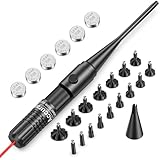
- ARS Mark8.4
ARS Mark is a ranking system developed by bestairriflescopes.com. ARS Mark has no relationship or impact from any manufacturers or sales agent websites. Learn more
- BrandEZshoot
Last update on 2026-08-21 / Affiliate links / Images, Product Titles, and Product Highlights from Amazon Product Advertising API
How To Use A Laser Sight Safely And Confidently
A bright dot can feel reassuring, especially after a few frustrating range sessions where the sights, grip, and trigger press never seem to agree. Still, how to use a laser sight starts with discipline, not the switch. The laser gives feedback, but safe handling, clear setup, and steady fundamentals decide whether that feedback actually helps.
How To Use A Laser Sight
Laser sights work best as a visual reference, not as a shortcut around basic shooting habits. The dot can show where the firearm is pointed, but it doesn't fix a sloppy grip or a rushed trigger press. A calm setup matters because small hand movement can make the dot jump around more than expected. That wobble isn't always a gear problem, either; it's often the shooter seeing movement that iron sights used to hide.
Safety checks come first every single time. Treat the firearm as loaded, keep the muzzle pointed in a safe direction, and keep your finger away from the trigger until you're ready to fire in a lawful range setting. The laser should never become a reason to point at anything unsafe. That sounds basic, sure, but laser confidence can make careless habits feel harmless, and that's where trouble starts.
Visibility also changes with lighting, distance, and background color. A dot that looks sharp indoors may wash out on a bright outdoor range. Red lasers are common and easy to find, while green lasers often appear brighter to the eye in many conditions. Still, battery life, glare, and local rules all matter before choosing how much you rely on the beam.
Realistic expectations keep frustration down. A laser sight helps confirm alignment and reveal movement, but it doesn't guarantee tighter groups by itself. Think of it like a coach tapping you on the shoulder, not a magic fix. Used that way, how to use a laser sight becomes a practical skill instead of a gadget habit.
Start With A Safe Setup
Safe setup begins before the laser turns on. Check the firearm condition, confirm the area is controlled, and follow the range's rules without treating them as background noise. A laser can draw attention fast, so muzzle awareness needs to stay locked in. No glowing dot is worth careless handling.
Mount stability matters more than many people expect. A loose sight can shift after handling, transport, or normal recoil during lawful range practice. The result is maddening because the dot looks official, yet the point of impact doesn't match. A properly secured mount gives the laser a fair chance to stay consistent.
Battery condition deserves a quick check too. Weak batteries can create a dim or flickering dot, which makes alignment feel inconsistent. Keep spares in a range bag, especially if the laser uses smaller cells that aren't easy to find at the last minute. That small habit saves a lot of head-scratching.
Eye discipline helps prevent tunnel vision. The dot is useful, but staring only at the laser can make the rest of the environment disappear from attention. Keep awareness broad and controlled, especially in shared training spaces. For archery gear comparisons outside firearm practice, compare compound bow for tall guys if fit and draw length are separate concerns.
Align The Dot Without Chasing It
Dot movement is normal. Nobody holds perfectly still, and the laser often makes natural movement look bigger than it feels. The mistake is trying to chase the dot into absolute stillness. Instead, accept a small movement area and focus on smooth control.
Trigger press is where the laser becomes brutally honest. If the dot dips, jerks, or jumps sideways as the trigger moves, the problem usually sits in grip pressure or finger movement. That feedback can be annoying, but it's useful. The laser shows the little habits that cause misses before the shot even lands.
Grip consistency keeps the dot calmer. A changing grip angle shifts the laser picture and makes each presentation feel different. Set the hand position the same way each time, then bring the firearm up without twisting the wrist around the dot. Boring repetition, oddly enough, is where the cleaner results show up.
Breathing rhythm can help without turning the process into a science project. Take a normal breath, settle, and press without rushing. Holding your breath too long creates tension, and tension makes the dot dance. A steady body gives laser alignment a better foundation.
Use Distance As A Reality Check
Distance changes the relationship between the laser and the actual point of impact. The laser beam and the barrel line don't start from the same place, so they meet only at a chosen range. Closer or farther targets may show a difference between the dot and where shots land. That gap is normal, not automatically a sign that the sight is broken.
Zeroing should happen in a controlled range environment with proper backstops and safe procedures. Many people make the mistake of adjusting too quickly after one shot. A small group gives better information than a single hole. Slow down, check the pattern, and make careful adjustments only when the pattern makes sense.
Short-range practice can reveal whether the dot matches your intended use. A laser set for one distance may not behave the same at another, so don't assume every target will line up perfectly. For budget-friendly archery setups rather than firearm laser work, explore compound bow under 500 as a separate gear path. Keeping gear categories separate prevents bad assumptions.
Record keeping helps more than memory. Note the distance used for setup, the ammo type, and any major changes made to the sight. That doesn't need to become a fancy logbook. A simple note on your phone can stop you from repeating the same mistakes next range day.
Practice Without Depending On The Beam
Laser practice should support regular sight use instead of replacing it. Batteries fail, lighting changes, and dots can disappear against certain backgrounds. Traditional sights still matter because they keep your fundamentals grounded. The laser simply adds another layer of feedback.
Dry practice can be useful only when done safely, with the firearm unloaded, ammunition removed from the area, and all safety rules followed. The laser can show movement during presentation and trigger control. That said, safe setup is non-negotiable. Casual practice without a strict routine creates bad habits fast.
Range drills should stay simple. Focus on steady presentation, controlled trigger press, and confirming that the laser doesn't distract from safe handling. Speed can wait. Clean repetition builds better skill than rushing because the dot looks close enough.
Cold weather can affect hands, batteries, and visibility. Gloves change grip feel, and low temperatures may reduce battery performance. For separate outdoor shooting gear research, review air rifle for cold weather before assuming every setup behaves the same in freezing conditions. Practical gear choices should match the environment, not just the spec sheet.
Know The Limits Before Trusting The Dot
Laser limitations show up quickly in bright light, reflective surfaces, and awkward shooting positions. A dot that looks crisp at home may become hard to find outside. That doesn't make the sight useless. It just means backup aiming skills still need attention.
Overreliance is the sneaky problem. A shooter can become so focused on the dot that grip, stance, and sight picture get sloppy. The laser should confirm what the body is already doing well. If the fundamentals fall apart without the beam, the tool is doing too much of the mental work.
Maintenance keeps the system honest. Check the lens for dust, lint, or oil because a dirty emitter can blur the dot. Inspect the mount after transport and after range sessions. Small checks prevent big confusion later.
Responsible use includes knowing local laws, range rules, and safe storage expectations. A laser sight is still attached to serious equipment, so casual handling isn't acceptable. Build habits around control, consistency, and safe training. Those habits matter more than the brightness of the dot.
How To Use A Laser Sight For Better Range Practice
Range practice can get messy fast when the dot feels helpful one minute and distracting the next. A laser sight should make your feedback clearer, not turn every shot into a chase-the-dot routine. The better approach is building repeatable habits, checking your results honestly, and using the beam as one more clue in the whole shooting picture.
Build A Routine Before Speed
Speed feels exciting, but rushing usually exposes every weak spot in the grip, stance, and trigger press. Start with slow repetitions where the dot settles naturally instead of being forced onto the target. A calm pace lets you see whether laser movement comes from your hands, your trigger finger, or your body position. That kind of feedback is far more useful than firing quickly and guessing what went wrong.
Presentation should feel the same each time. Bring the firearm up smoothly, let the sights and laser meet your line of vision, then pause long enough to notice what the dot is doing. If it consistently lands low, high, or off to one side, your grip angle may need work. The laser becomes a mirror for your mechanics, and honestly, mirrors don't flatter sloppy habits.
Trigger control deserves extra patience. The dot may look steady until the trigger starts moving, then suddenly it dives or twitches. That movement tells a story. Press straight back with consistent pressure and let the shot break without trying to snatch the perfect instant.
Short practice blocks often beat long, tired sessions. Fatigue makes the dot shake more, and frustration can push you into bad decisions. Work in small sets, reset your grip, and review the target after a few controlled shots. Clean practice builds confidence without turning the laser into a crutch.
Match Laser Use To Real Conditions
Lighting conditions can change how useful the beam feels. Indoor ranges often make the dot easy to spot, while bright outdoor settings can wash it out. A darker target may show the beam clearly, but a light or reflective background can scatter attention. Expecting those changes keeps you from blaming the sight every time visibility shifts.
Distance should guide your expectations. A laser zeroed at one range won't always match perfectly at another because the beam and bore line travel from different positions. That offset isn't a flaw by itself. It's simply part of how laser alignment works.
Gear crossover can create confusion if every tool gets treated the same way. A recurve bow string, for example, deals with tension, material stretch, and release feel in a completely different way than a firearm laser system. For archery setup decisions outside this topic, review string material for recurve bow as its own separate fit-and-feel question. Keeping tools in their lane makes your practice smarter.
Environmental awareness matters as much as the dot itself. Dust, rain, fog, glare, and uneven backgrounds can all affect visibility. A laser may help in some conditions and feel nearly useless in others. That tradeoff is normal, so build backup skills instead of betting everything on one glowing point.
Fix Common Accuracy Problems
Low impacts often come from anticipation or pushing the firearm down as the shot breaks. The laser can reveal that dip before the result shows up on paper. Watch what the dot does during the trigger press, not just before it. A steady dot that drops at the last moment points straight toward technique, not necessarily equipment.
Sideways movement usually means trigger finger pressure or uneven grip tension is pulling the firearm off line. Right-handed shooters may notice movement one way, while left-handed shooters may see the opposite. The fix isn't to muscle the dot back into place. A smoother press and more balanced grip usually do more than extra force.
Over-adjusting creates another headache. Some shooters tweak the laser after every odd shot, then lose track of the real zero. Use groups, not single shots, to decide whether an adjustment makes sense. A few careful rounds say more than one rushed miss.
Equipment fit also plays a role. A laser that sits too awkwardly on the firearm can be hard to activate or track naturally. For a handgun-specific setup, compare laser sight for sig p320 if that platform is part of your gear plan. The right fit should support safe handling instead of forcing your hand into strange positions.
Use The Laser As Feedback, Not A Shortcut
Feedback is the real value of a laser sight. It shows movement that the eye may miss with standard sights. That can feel humbling at first because every wobble becomes visible. Stick with it, though, and the dot starts helping you clean up the little mistakes that quietly ruin accuracy.
Iron sights still deserve attention. A shooter who ignores them may struggle the moment the laser battery dies or the beam disappears in bright light. Practice with both systems during the same session. The laser confirms alignment, while traditional sights keep your fundamentals honest.
Dry practice can sharpen control only if safety rules are followed without shortcuts. Remove ammunition from the area, verify the firearm condition, and use a safe direction every time. The laser can show whether your trigger press moves the muzzle. That simple visual cue can make practice more productive without firing a round.
Mental discipline keeps the dot from becoming a distraction. Don't chase tiny movements or wait forever for perfect stillness. Accept a reasonable hold area, press smoothly, and evaluate the result. That mindset keeps practice practical instead of fussy.
Maintain The Sight And Review Your Progress
Regular maintenance keeps small problems from turning into mystery misses. Wipe the laser lens gently, check the mount, and inspect controls before practice. A dirty lens can make the dot look fuzzy or uneven. A loose mount can make every adjustment feel pointless.
Battery habits matter more than they seem. Dim output can make the sight feel inconsistent, especially in changing light. Keep fresh batteries available and avoid storing the sight for long periods with weak cells installed. Little details like that protect both performance and patience.
Progress tracking gives your practice direction. Note your zero distance, common misses, grip changes, and lighting conditions after each session. Patterns show up faster on paper than in memory. Once you see those patterns, laser sight practice becomes less random and more purposeful.
Honest limits make the whole setup safer and more useful. A laser sight can improve feedback, speed up alignment, and help diagnose movement, but it won't replace skill. Safe handling, consistent fundamentals, and realistic expectations still carry the load. The beam simply gives you a brighter way to see what your hands are already doing.


12 Best 22 Pcp Air Rifle For Hunting of 2026 With Quiet Power

7 Best 22 Pcp Air Rifle Under 300 of 2026 For Backyard Pest Control

10 Best 22 Break Barrel Air Rifles of 2026 For Backyard Pest Control

10 Best 30 Caliber Pcp Air Rifle of 2026 For Medium Game

Top Best 177 Air Rifle Under 100: Budget-Friendly Picks for 2026

How to Safely Reload Shotgun Shells at Home

11 Best Co2 Air Rifle For Pest Control of 2026 To Ensure Humane Dispatch

12 Best Inexpensive Air Rifles of 2026 For Dependable Backyard Accuracy






