
How to Use a Pendulum Bow Sight Without Guesswork

How to Use a Pendulum Bow Sight often becomes a pressing question after a few frustrating misses from elevated positions. Flat-ground practice can build confidence, yet the moment a steep angle enters the picture, things don't always go as planned. A pendulum sight addresses that challenge by automatically compensating for elevation changes, helping maintain a more natural aiming point. Still, simply attaching one to a bow isn't enough to unlock its full potential.
Proper setup plays a huge role in getting reliable results. A sight that swings too freely, sits slightly out of alignment, or isn't calibrated for realistic shooting distances can create inconsistency. Small adjustments matter more than many archers expect. Once those details are dialed in, the sight begins working with the bow instead of against it.
Pendulum bow sight accuracy depends heavily on understanding how the mechanism reacts during real-world movement. Standing on a platform, leaning around cover, or aiming downward from a tree stand introduces variables that don't exist at ground level. The swinging pin compensates for angle, but only when the archer maintains good form. A rushed release or awkward stance can still send an arrow off target.
Many shooters assume the pendulum does all the work. Well, not quite. Consistent anchor points, smooth draw cycles, and careful practice remain essential parts of the equation. The sight simplifies one challenging aspect of shooting, yet it doesn't replace the fundamentals that create dependable arrow flight.
Another common challenge involves judging effective range. A pendulum sight generally performs best within the distance range for which it was designed. Stretching shots beyond that range can reduce the benefit of the pendulum mechanism. Understanding those limitations prevents unrealistic expectations and encourages smarter shot selection.
Field conditions can also influence performance. Wind, awkward shooting angles, and limited visibility may affect aiming decisions. That's why many experienced archers spend time practicing from elevated platforms instead of relying solely on level-ground sessions. Repetition builds familiarity with how the sight behaves under different circumstances.
How to Use a Pendulum Bow Sight ultimately comes down to combining proper setup, realistic practice, and disciplined shooting habits. The sight helps reduce the guesswork that often appears during steep-angle shots. With enough repetition and attention to detail, it becomes easier to focus on the target instead of worrying about trajectory compensation. That confidence often translates into smoother execution and more consistent results when precision matters most.
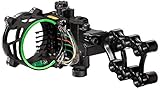
- ARS Mark7.7
ARS Mark is a ranking system developed by bestairriflescopes.com. ARS Mark has no relationship or impact from any manufacturers or sales agent websites. Learn more
- BrandTrophy Ridge

- ARS Mark7.5
ARS Mark is a ranking system developed by bestairriflescopes.com. ARS Mark has no relationship or impact from any manufacturers or sales agent websites. Learn more
- BrandTrophy Ridge
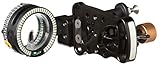
- ARS Mark7.7
ARS Mark is a ranking system developed by bestairriflescopes.com. ARS Mark has no relationship or impact from any manufacturers or sales agent websites. Learn more
- BrandTrophy Ridge
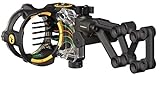
- ARS Mark9.7
ARS Mark is a ranking system developed by bestairriflescopes.com. ARS Mark has no relationship or impact from any manufacturers or sales agent websites. Learn more
- BrandTrophy Ridge

- ARS Mark9.4
ARS Mark is a ranking system developed by bestairriflescopes.com. ARS Mark has no relationship or impact from any manufacturers or sales agent websites. Learn more
- BrandTRUGLO

- ARS Mark9.5
ARS Mark is a ranking system developed by bestairriflescopes.com. ARS Mark has no relationship or impact from any manufacturers or sales agent websites. Learn more
- BrandTRUGLO

- ARS Mark8.0
ARS Mark is a ranking system developed by bestairriflescopes.com. ARS Mark has no relationship or impact from any manufacturers or sales agent websites. Learn more
- BrandSOPOGER

- ARS Mark7.1
ARS Mark is a ranking system developed by bestairriflescopes.com. ARS Mark has no relationship or impact from any manufacturers or sales agent websites. Learn more
- BrandLWANO
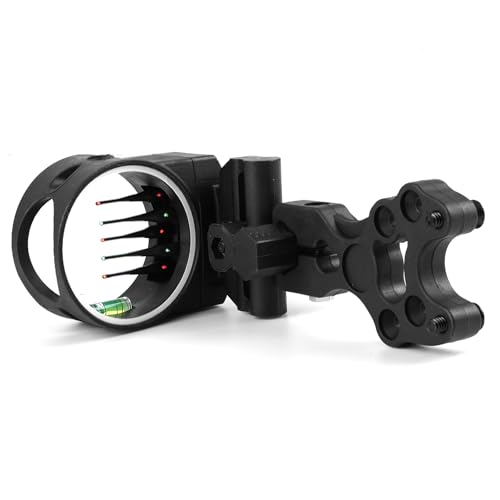
- ARS Mark7.2
ARS Mark is a ranking system developed by bestairriflescopes.com. ARS Mark has no relationship or impact from any manufacturers or sales agent websites. Learn more
- BrandMoyujian
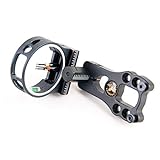
- ARS Mark7.8
ARS Mark is a ranking system developed by bestairriflescopes.com. ARS Mark has no relationship or impact from any manufacturers or sales agent websites. Learn more
- BrandTOPOINT ARCHERY

- ARS Mark8.8
ARS Mark is a ranking system developed by bestairriflescopes.com. ARS Mark has no relationship or impact from any manufacturers or sales agent websites. Learn more
- BrandTrophy Ridge
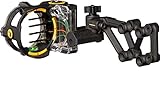
- ARS Mark7.4
ARS Mark is a ranking system developed by bestairriflescopes.com. ARS Mark has no relationship or impact from any manufacturers or sales agent websites. Learn more
- BrandTrophy Ridge
Last update on 2026-08-05 / Affiliate links / Images, Product Titles, and Product Highlights from Amazon Product Advertising API
How To Use A Pendulum Bow Sight
Steep tree-stand shots can mess with your head fast, especially after clean practice groups on level ground. The target looks close, your pin settles nicely, then the arrow lands high or low and leaves you scratching your cap. How to use a pendulum bow sight starts with solving that exact headache: angled shooting where normal aiming habits don't always tell the whole story. A pendulum sight can help, but only if the setup, stance, and shot routine all work together.
Pendulum Bow Sight Basics
A pendulum bow sight uses a swinging sight housing or pin system that reacts as the bow tilts downward. That movement helps compensate for steep shooting angles, which is why this style is so popular around elevated stands. The big benefit is simpler aiming from above, especially at common hunting distances. Still, the sight doesn't magically fix poor form, shaky anchors, or rushed releases.
The main idea is pretty straightforward. As the bow points downhill, the pendulum shifts, and the aiming reference changes to better match the arrow's actual path. This helps reduce the common mistake of aiming too high from a stand. The real win is angle compensation without needing to overthink every yard marker.
Most pendulum sights are built for a practical range window, not endless distance. Many shine around short to moderate bowhunting distances, where fast decisions and steep angles often collide. Push beyond the sight's intended range, and accuracy can fade quicker than expected. That's not a flaw, just a limit that needs respect.
A fixed-pin sight rewards exact yardage judgment, while a pendulum sight rewards good setup and repeatable form. That difference matters. Archers who also enjoy barebow style or relaxed aiming practice may find useful perspective in best bow for instinctive shooting because body position and shot rhythm still carry plenty of weight. The sight helps with the angle, but consistent shooting habits still steer the arrow.
Set The Sight Before Shooting
Start with a solid mount before worrying about fine adjustments. The sight bracket should sit tight against the bow, with no wiggle, shifting, or odd lean. A loose mount ruins repeatable alignment before the first arrow ever leaves the string. Tighten hardware carefully, then check it again after a few shots because small vibrations can expose sloppy setup.
The bow should be held naturally while you inspect the sight picture. Don't twist your wrist or crane your neck just to make the pin look right. A pendulum sight should support your normal anchor, not force a weird posture. Comfortable alignment matters because cramped form turns into inconsistent groups fast.
Next, confirm that the pendulum moves freely. Dust, tight screws, or accidental over-tightening can stop the mechanism from swinging smoothly. A sticky pendulum defeats the whole purpose of the sight. Smooth motion gives you dependable angle response once the bow starts tilting downward.
Level-ground setup still matters, even though the sight is meant for elevated shots. Shoot a controlled group at a known distance first, then adjust until the arrows land where the pin says they should. This gives you a clean starting point before moving to a platform or raised position. A grounded baseline makes elevated tuning much easier to trust.
Calibrate From Realistic Angles
Flat-range practice can only tell part of the story. A pendulum sight earns its keep from a deck, ladder stand, platform, or safe elevated setup where the bow actually tilts downward. The goal is to see how the sight behaves during the kind of shot that caused trouble in the first place. Realistic angle practice beats guessing every single time.
Use measured distances while tuning. Guessing yardage during calibration creates a mess because you won't know whether the miss came from the sight, the distance, or your form. Mark a few common distances and shoot careful groups from elevation. Clean data gives you better sight adjustments and fewer head games later.
Expect small changes to make a noticeable difference. Moving the sight housing, adjusting the pendulum stop, or changing the pin reference can shift impact more than expected. Make one change at a time, then shoot enough arrows to confirm the pattern. That slow approach protects you from chasing random misses instead of fixing the real issue.
Some bowhunters also carry optics during scouting or stand setup, and storage can get annoying in thick brush. To keep glass protected while moving through limbs, brush, and damp mornings, consider a best binocular case for bow hunting setup that doesn't bounce around or snag. Clear scouting helps, but steady calibration still decides whether the sight performs when the shot angle gets steep.
Build A Repeatable Shot Routine
A pendulum sight works best with a calm routine. Draw smoothly, settle into your anchor, bend at the waist, and let the sight picture come to you. The waist bend is a big deal because dropping only your bow arm changes shoulder alignment and can throw the shot. Proper body angle keeps your upper-body form closer to what you practiced on level ground.
Your anchor point should feel boringly familiar. If your hand floats higher or lower during a downhill shot, the sight can't rescue the arrow from bad geometry. Keep your peep, string contact, and release position consistent. Anchor consistency is the quiet detail that separates tight groups from mystery misses.
Let the pin settle instead of stabbing at the target. Steep shots can make people rush because the sight picture feels different and the target often appears closer than it is. Take a breath, press the release cleanly, and avoid punching the trigger. A smooth release protects arrow flight far better than last-second corrections.
Practice with hunting clothes if that matches your real setup. Bulky jackets, safety harness straps, gloves, and awkward footing can all change how the bow feels. A sight may be tuned correctly, yet the shot still breaks poorly if your gear interferes. Real-world practice exposes those little annoyances before they cost you confidence.
Avoid Common Setup Mistakes
The first mistake is treating the sight like a shortcut. A pendulum bow sight reduces angle confusion, but it doesn't replace proper range knowledge, arrow tuning, or basic shooting skill. Bad arrow flight still causes bad impact, no matter how clever the sight design is. Good fundamentals remain the backbone of clean shooting.
Another mistake is skipping elevated verification. A sight that groups nicely at ground level may still need adjustment once the bow tilts downward. Shooting from height reveals how the pendulum reacts in the moment that matters. Elevation testing should be part of the setup, not an afterthought.
Overextending the sight is another easy trap. Pendulum sights usually work best inside practical ranges, and forcing longer shots can stretch the system beyond its sweet spot. That doesn't mean the sight is weak. It means shot discipline matters more than bragging about distance.
Some shooters also confuse similar aiming tools across different gear categories. Air rifles, bows, and firearms all have their own sighting habits, even if the language sounds familiar. For a separate equipment lane, best german air rifles fits a different kind of precision setup and shouldn't be treated like bow sight tuning. A pendulum sight belongs to the bow's geometry, where angle, anchor, and arrow arc all work together.
Best Way To Practice With A Pendulum Bow Sight
Confidence usually shows up after repetition, not after installing a new piece of equipment. Many archers get their pendulum sight adjusted, shoot a few good arrows, then assume the learning curve is over. A week later, a steep shot exposes small flaws that were hiding in plain sight. Consistent practice, realistic shooting positions, and honest evaluation help turn a pendulum sight from a novelty into a dependable aiming system.
Practice From Different Elevations
Most misses connected to angle compensation happen because practice doesn't match reality. Ground-level shooting creates familiarity with release mechanics, but it doesn't fully prepare you for elevated shots. A platform, deck, or safe stand setup gives the pendulum mechanism a chance to behave as intended. Angle-specific training creates stronger habits than endless flat-ground repetition.
Change distances while practicing from elevation. Short shots can feel surprisingly different than medium-range opportunities because the sight responds to bow angle rather than simple yardage alone. Small variations reveal how the pendulum reacts under changing conditions. Those observations build better shot judgment and greater trust in the sight system.
Pay attention to arrow impact patterns rather than focusing on single arrows. One good shot proves very little. Tight groups reveal whether your setup, anchor, and release remain consistent. Group analysis often highlights hidden form issues that would otherwise go unnoticed.
Target archers frequently spend extra time refining consistency because equipment alone never guarantees precision. Archers interested in dialing in tighter groups may also benefit from reading about best arrows compound bow target shooting since arrow selection can influence repeatability just as much as sight setup. A reliable sight paired with a properly matched arrow often creates a more predictable shooting experience.
Improve Body Position And Balance
Many archers focus entirely on the sight pin while forgetting what the rest of the body is doing. Leaning forward at the shoulders changes alignment and introduces unnecessary tension. Bending at the waist keeps the bow arm, shoulders, and anchor position closer to normal shooting posture. That single adjustment can improve shot consistency and arrow placement.
Foot placement matters more than people expect. Uneven footing, stand platforms, and awkward terrain can shift weight distribution. A stable stance creates a steadier sight picture and reduces last-second movement. Better balance often leads to smoother releases and cleaner follow-through.
Core strength quietly contributes to accuracy during elevated shots. Holding position while aiming downhill requires stability through the torso rather than relying solely on arm strength. Fatigue tends to reveal itself late in a shooting session. Building physical stability helps preserve shooting form even after multiple practice rounds.
Weather can complicate body positioning as well. Bulky clothing, cold fingers, and slick surfaces influence movement patterns. Practicing in varied conditions provides a more realistic picture of how your setup performs outside perfect weather. Those sessions often uncover small adjustments that make a big difference later.
Recognize The Limits Of A Pendulum Sight
A pendulum sight solves a specific problem. It compensates for downhill shooting angles, but it doesn't replace sound decision-making. Some shooters expect every distance and every angle to feel effortless once the sight is installed. Reality tends to be less forgiving. Practical expectations lead to better results than relying on equipment alone.
Long-range shots can expose the boundaries of pendulum systems. Many are designed around common bowhunting distances rather than extended target shooting. Pushing well beyond their intended range may introduce inconsistencies. Knowing those limits protects accuracy and encourages responsible shot selection.
Environmental factors still matter. Wind drift, poor visibility, moving targets, and unstable footing can affect arrow placement regardless of the sight style. The pendulum addresses angle compensation, not every challenge encountered in the field. Recognizing those distinctions leads to smarter shooting decisions.
Archers who understand limitations often perform better because they rely on preparation instead of assumptions. Confidence rooted in experience tends to hold up under pressure. Confidence built solely around equipment can disappear after a single unexpected miss.
Build Confidence Through Repetition
Confidence doesn't arrive overnight. It develops through hundreds of small repetitions that reinforce proper mechanics and reinforce trust in the equipment. Each successful session adds another layer of familiarity. Over time, the sight picture becomes easier to interpret and less mentally demanding.
Track progress with notes rather than memory alone. Recording distances, arrow groups, and adjustments helps identify patterns. Written observations often reveal improvements that are easy to overlook day to day. This habit supports steady improvement and more informed adjustments.
Challenge yourself with different target positions. Shoot from elevated angles, slight side hills, and varying distances. Exposure to multiple scenarios improves adaptability. That flexibility becomes valuable whenever conditions don't match the practice range.
Short, focused sessions often produce better results than marathon shooting days. Fatigue can mask form problems and create misleading conclusions. Fresh practice encourages sharper execution and cleaner feedback. Consistent repetition creates lasting confidence without unnecessary frustration.
Common Mistakes That Cause Misses
Dropping the bow arm remains one of the most common errors. Many archers subconsciously lower the bow to compensate for angle instead of allowing the pendulum mechanism to do its job. This habit changes the sight picture and often shifts impact. Maintaining proper shooting posture helps avoid this problem.
Rushing the shot is another frequent issue. Elevated targets sometimes create a false sense of urgency, especially when excitement enters the equation. Quick releases often produce inconsistent arrow flight. A calm process supports better accuracy and cleaner execution.
Ignoring equipment checks can create confusion during practice. Loose mounting screws, worn components, or damaged arrows may cause inconsistent results that look like sight problems. Periodic inspections help eliminate unnecessary variables. Reliable equipment supports reliable feedback.
Some newer shooters bounce between equipment styles too quickly. One weekend might involve a pendulum sight, while the next focuses on entirely different platforms. Those interested in youth-oriented marksmanship equipment may find information about best youth air rifles useful, but the shooting mechanics and sight systems differ significantly from archery setups. Staying focused on one system for a while usually accelerates skill development and practical consistency.
Maintaining Accuracy Over Time
Equipment that performs well today still needs periodic attention. Sight screws can loosen, strings can stretch slightly, and repeated use may alter tuning over time. Regular inspections help catch small issues before they grow into larger problems. Preventive maintenance protects long-term accuracy and equipment reliability.
Seasonal changes can influence shooting conditions. Heavy hunting clothing affects anchor position, while warm-weather practice often feels completely different. Revisiting sight calibration before major season changes keeps expectations realistic. Small adjustments can restore confidence quickly.
Arrow condition deserves attention as well. Damaged fletching, worn nocks, and inconsistent arrow weight may create group variations that mimic sight problems. Inspecting arrows regularly removes another source of uncertainty. Consistent arrows contribute to predictable flight and repeatable performance.
Successful use of a pendulum bow sight ultimately depends on a combination of preparation, repetition, and realistic expectations. A properly tuned sight, stable shooting form, and regular practice sessions work together to reduce angle-related errors. Those habits build confidence, strengthen accuracy, and make elevated shots feel far less intimidating than they did at the beginning.


12 Best 22 Pcp Air Rifle For Hunting of 2026 With Quiet Power

7 Best 22 Pcp Air Rifle Under 300 of 2026 For Backyard Pest Control

10 Best 22 Break Barrel Air Rifles of 2026 For Backyard Pest Control

10 Best 30 Caliber Pcp Air Rifle of 2026 For Medium Game

Top Best 177 Air Rifle Under 100: Budget-Friendly Picks for 2026

How to Safely Reload Shotgun Shells at Home

11 Best Co2 Air Rifle For Pest Control of 2026 To Ensure Humane Dispatch

12 Best Inexpensive Air Rifles of 2026 For Dependable Backyard Accuracy






