
How to Use a Shotgun Bead Sight With Confidence

How to Use a Shotgun Bead Sight often sounds simpler than it feels once you're standing behind the shotgun. Plenty of missed opportunities happen not because the firearm is inaccurate, but because the eye drifts toward the bead instead of the target. That tiny front bead has a specific job, and understanding that role changes everything. A smooth sight picture starts with knowing where your attention belongs.
Target focus remains one of the biggest hurdles. Many people instinctively stare at the bead, trying to line it up like a rifle sight. Shotguns work differently. Target acquisition depends on keeping your eyes locked on the moving object while allowing the bead to sit naturally in your peripheral vision. Once that habit clicks, movement feels more fluid and less forced.
Consistency matters more than chasing perfection. A reliable cheek weld and proper shotgun mount create the same sight picture repeatedly. Small differences in head position can shift impact points enough to turn a solid shot into a frustrating miss. Building repeatable mechanics helps remove guesswork from the process.
Environmental conditions add another layer of challenge. Bright sunlight, shadows, and fast-moving targets can make sight alignment feel unpredictable. Strong fundamentals help compensate for those changing conditions. Instead of reacting to every variable, shooters can trust a familiar visual reference and maintain control.
How to Use a Shotgun Bead Sight also involves understanding that the bead is a reference point rather than a precision aiming device. Unlike scoped firearms, shotguns are designed for instinctive shooting in many situations. The bead helps confirm alignment, but the target remains the star of the show. Shifting that mindset often produces faster and more natural results.
Frustration usually appears when expectations don't match the tool's purpose. A shotgun bead isn't intended to provide detailed sight alignment at long distances. It supports quick engagement and smooth tracking. Accepting that difference helps eliminate habits borrowed from rifles and handguns that can interfere with effective shotgun shooting.
Practice sessions become more productive once visual focus, mounting technique, and body position work together. Smooth repetition gradually builds confidence. Then, instead of thinking about every step, movements become automatic. That sense of rhythm often separates hesitant shooting from controlled, confident performance.

- ARS Mark9.0
ARS Mark is a ranking system developed by bestairriflescopes.com. ARS Mark has no relationship or impact from any manufacturers or sales agent websites. Learn more
- BrandDead Ringer

- ARS Mark9.0
ARS Mark is a ranking system developed by bestairriflescopes.com. ARS Mark has no relationship or impact from any manufacturers or sales agent websites. Learn more
- BrandTRUGLO
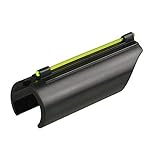
- ARS Mark8.8
ARS Mark is a ranking system developed by bestairriflescopes.com. ARS Mark has no relationship or impact from any manufacturers or sales agent websites. Learn more
- BrandUltimate Arms Gear
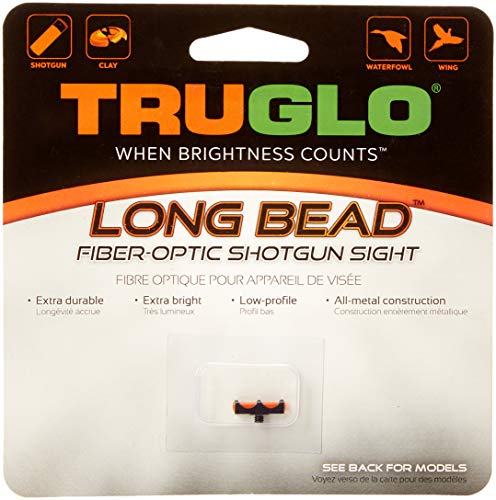
- ARS Mark8.4
ARS Mark is a ranking system developed by bestairriflescopes.com. ARS Mark has no relationship or impact from any manufacturers or sales agent websites. Learn more
- BrandTRUGLO

- ARS Mark8.4
ARS Mark is a ranking system developed by bestairriflescopes.com. ARS Mark has no relationship or impact from any manufacturers or sales agent websites. Learn more
- BrandTRUGLO

- ARS Mark8.2
ARS Mark is a ranking system developed by bestairriflescopes.com. ARS Mark has no relationship or impact from any manufacturers or sales agent websites. Learn more
- BrandTRUGLO

- ARS Mark8.0
ARS Mark is a ranking system developed by bestairriflescopes.com. ARS Mark has no relationship or impact from any manufacturers or sales agent websites. Learn more
- BrandTRUGLO

- ARS Mark7.6
ARS Mark is a ranking system developed by bestairriflescopes.com. ARS Mark has no relationship or impact from any manufacturers or sales agent websites. Learn more
- BrandTRUGLO
Last update on 2026-08-20 / Affiliate links / Images, Product Titles, and Product Highlights from Amazon Product Advertising API
How To Use A Shotgun Bead Sight
A clean hit often starts before the gun ever moves, and yep, that tiny bead can fool people fast. Many shooters treat it like a rifle sight, then wonder why the barrel stops moving and the target keeps sailing away. How to use a shotgun bead sight starts with a different habit: keep your eyes on the target, mount the shotgun the same way, and let the bead confirm natural alignment instead of becoming the main event. That shift sounds small, but it changes the whole rhythm of the shot.
Shotgun Bead Sight Basics
A bead sight gives a simple visual reference, not a detailed aiming system. The front bead helps show whether the shotgun is mounted straight and whether the barrel is sitting in line with your dominant eye. The key is target focus, because a shotgun points more than it aims in many common shooting situations. Staring hard at the bead usually makes the swing stiff, late, and choppy.
The bead works best as a soft reference in your lower field of view. Your eye should stay locked on the clay, bird, or safe target area while the barrel moves with it. This creates a smoother connection between eye control, body movement, and trigger timing. Once the bead becomes background information, the shotgun starts to feel less like a puzzle and more like a tool.
Many misses come from lifting the head off the stock to “check” the bead. That little peek changes the sight picture and often sends the shot pattern somewhere unexpected. A firm cheek weld keeps the eye in the right place, and the bead simply confirms that the mount hasn’t fallen apart. Keep the head down, keep the eyes alive, and let the gun move.
A single bead sight can feel plain, but plain isn’t bad here. Fewer visual distractions can actually help build cleaner shooting habits. The shooter who learns to trust proper mount, steady posture, and smooth follow-through usually gains more than the shooter who keeps chasing extra gear. Simple tools punish sloppy fundamentals, but they also reward good ones.
Build A Repeatable Shotgun Mount
The mount decides whether the bead appears naturally or turns into a fight. A rushed mount can place the stock too low, too high, or too far from the cheek. That throws off sight alignment before the shot even begins. Start with the shotgun coming to the face, not the face dropping down awkwardly to the shotgun.
A steady mount should feel boring in the best possible way. The buttstock settles into the shoulder pocket, the cheek lands in the same spot, and the eye lines up along the rib. That repeatability creates a dependable sight picture without forcing you to hunt for the bead. Smooth beats fast until smooth becomes fast.
Dry practice helps more than most people want to admit. With the shotgun unloaded and handled safely, mounting to the same spot builds muscle memory without recoil, noise, or pressure. The goal is to see the bead land in a familiar place every time. That quiet repetition strengthens body position and removes a lot of guesswork later.
Fit matters too, and a poorly fitting shotgun can make good technique harder than it needs to be. A stock that is too long may drag during the mount, while a stock that is too short can feel cramped and jumpy. Young shooters especially need gear that supports safe control, and a separate setup guide like compound bow for 10 year old can help families think more carefully about sizing and comfort across shooting sports. Proper fit supports confidence, steadiness, and safer practice habits.
Keep Your Eyes On The Target
The biggest bead sight mistake is aiming too carefully. That sounds odd, but shotguns often punish over-aiming because the barrel stops moving. Your eyes should read the target’s line, speed, and angle while the bead stays slightly blurred. This keeps movement smooth instead of locked up.
A moving target demands trust. The moment your focus snaps back to the bead, your brain starts measuring instead of reacting. That delay can make the shot happen behind the target, especially on crossing clays or flushing birds. Strong visual focus keeps the swing alive through the trigger pull.
Think of the bead as a dashboard light, not the road itself. You notice it enough to know the gun is mounted correctly, but you don’t stare at it. The target gives the real information, and the bead only supports alignment feedback. That mindset helps reduce flinching, hesitation, and last-second barrel checking.
Some shooters benefit from saying one simple cue before calling for a clay, such as “eyes first” or “see the edge.” Short cues can settle the brain without cluttering the moment. A clear cue supports target tracking, especially when nerves creep in. Too many thoughts, though, can gum up the works.
Use The Bead Without Freezing The Barrel
A shotgun bead should never become a stop sign. The barrel needs to continue through the target, even as the trigger breaks. Stopping the swing is one of the sneakiest reasons shots land behind. Good follow-through keeps shot placement tied to target movement instead of a frozen snapshot.
Lead can feel confusing at first because it changes with distance, speed, and angle. The bead helps show where the barrel is pointing, but your eyes still need to read the moving target. A smooth swing with the right amount of space in front usually beats a careful aim that arrives late. That balance builds timing and keeps the shot from feeling mechanical.
Different shooting styles use the bead in slightly different ways. Swing-through shooters start behind the target, move through it, and fire as the barrel passes the right point. Sustained-lead shooters hold ahead of the target and match its speed. Both methods can work, but both still depend on target focus and a bead that stays secondary.
Finger placement and trigger control also affect how the shot breaks during movement. A rough trigger slap can pull the muzzle off line, especially during a fast swing. For anyone comparing control habits across archery and shotgunning, build cleaner release awareness with compound bow for finger shooters as a useful side reference. Smooth release habits support steady motion, whether the tool has a trigger or a string.
Read The Sight Picture Without Overthinking
A proper sight picture with a shotgun bead usually shows the bead sitting centered along the rib. Some shotguns show a bit of rib, while others feel flatter depending on fit and design. The exact view matters less than whether it repeats the same way. Repetition gives consistency, and consistency makes corrections easier.
Patterning the shotgun on paper can reveal where it actually shoots. This isn’t glamorous, but it tells the truth without ego. A pattern board shows whether your mount, eye position, and bead reference send pellets where you expect. That simple check can expose fit problems before they turn into months of frustration.
Don’t chase every miss with a new theory. One bad shot could come from lifted head, stopped swing, poor foot position, or rushed timing. Changing everything after every miss creates a mess. Pick one fundamental, check it honestly, and keep the rest stable long enough to learn something.
Safety belongs in every practice session, not just the first lesson. Keep the muzzle pointed in a safe direction, keep your finger off the trigger until ready, and verify the target and what sits beyond it. Outdoor practice can include other basic field tools too, and a practical safety-minded resource like how to use fire starter fits camping days where careful handling matters. Responsible habits protect people, property, and the whole shooting experience.
Common Shotgun Bead Sight Mistakes And Fixes
A surprising number of misses have nothing to do with the shotgun itself. Tiny habits build up over time, and those habits quietly pull shots off target. Many shooters spend money chasing equipment upgrades while ignoring eye position, mount consistency, and target focus. Fixing those fundamentals often delivers faster results than changing gear.
Head lifting remains one of the most common issues. The instant the cheek leaves the stock, the sight picture changes and the barrel no longer points where the shooter expects. Maintaining a solid cheek weld helps keep the eye aligned with the rib. That simple adjustment can tighten consistency more than many people realize.
Another problem appears when shooters rush the trigger. The target enters view, excitement spikes, and the trigger breaks before the swing develops properly. Good shooting relies on controlled movement, not panic. A smooth swing and clean follow-through usually produce better outcomes than a hurried shot.
Equipment still matters, but only after technique is reasonably solid. Someone struggling with visual alignment may benefit from studying sight systems used in other disciplines. For example, many archers compare different aiming references through guides about best single pin slider bow sight options, where sight picture consistency plays a major role in accuracy.
Adjusting For Moving Targets
Moving targets expose weaknesses quickly. A stationary object allows time to think, but a crossing clay target demands quick processing and confident execution. Strong target tracking helps the brain predict movement instead of reacting too late. That predictive ability develops through repetition rather than guesswork.
Speed often tricks people into looking at the barrel. The faster the target moves, the stronger the temptation becomes. Unfortunately, shifting attention away from the target usually causes delayed reactions. Keeping a sharp visual lock on the target supports better lead judgment and cleaner timing.
Foot position also affects movement quality. Poor stance can limit rotation and force awkward body adjustments during the swing. Stable footing allows the upper body to stay relaxed while maintaining barrel control. Small stance improvements frequently create smoother tracking.
Some targets require more lead than expected, while others require surprisingly little. Experience teaches these differences gradually. The goal isn't memorizing exact measurements but developing reliable visual awareness through practice and observation.
Pattern Testing Reveals Hidden Problems
Many shooters assume the shotgun shoots exactly where they look. Pattern testing often proves otherwise. A pattern board reveals how pellets distribute across a target and whether the firearm shoots high, low, left, or right. That information highlights important fit issues that might otherwise remain hidden.
Testing also shows how different ammunition performs. Two loads that appear similar on the shelf can produce noticeably different patterns. Looking at actual results provides more useful information than relying on assumptions. Better data supports smarter adjustments and realistic expectations.
Confidence grows when the shooter knows where the shotgun actually impacts. Doubt disappears because the pattern board provides evidence. That certainty allows greater focus on technique refinement rather than equipment speculation.
Pattern work isn't glamorous, and it won't attract much attention at the range. Still, it remains one of the most valuable exercises for improving consistency. Honest feedback from a target board helps identify practical solutions before frustration takes over.
Managing Pressure During Real Shooting Situations
Practice feels different from real-world shooting situations. Heart rate increases, attention narrows, and small mistakes suddenly feel much larger. Strong routines help maintain mental control even when pressure rises. Consistent preparation reduces unnecessary stress.
Breathing often gets overlooked. Holding breath too long can create tension throughout the body, especially in the shoulders and arms. Relaxed breathing supports smoother movement and steadier swings. Better breathing habits contribute to shot execution without requiring complex techniques.
Many shooters replay misses repeatedly in their minds. That habit can create hesitation on the next opportunity. Productive evaluation focuses on identifying one specific issue rather than criticizing every detail. Clear analysis promotes continuous improvement instead of frustration.
Pressure management isn't about eliminating nerves. A certain level of excitement will always exist. The goal is maintaining enough composure to trust established fundamentals and allow muscle memory to perform naturally.
How Shotgun Fit Influences Bead Sight Performance
The bead sight only works well when the eye arrives in the correct position. A stock that doesn't fit properly forces awkward adjustments every time the shotgun is mounted. Poor fit can create inconsistent sight pictures and unpredictable impact points. Proper dimensions support natural alignment and repeatable performance.
Length of pull affects comfort and control. Excessive length may slow mounting speed, while a short stock can feel cramped. Both situations make maintaining consistent positioning more difficult. Small fit changes sometimes produce surprisingly noticeable improvements.
Comb height influences where the eye sits relative to the rib. If the eye rides too high or too low, the bead may appear differently each time. Reliable eye placement creates a more dependable sight reference. Consistency remains the goal.
Professional fitting can help, but even basic observations provide valuable clues. Watching how the shotgun mounts and where the eye naturally settles often reveals opportunities for improvement. Better fit supports confidence, comfort, and long-term skill development.
Building Long-Term Confidence With A Bead Sight
Confidence rarely arrives from a single successful range session. It develops through repetition, feedback, and gradual improvement. Every clean mount, smooth swing, and correctly focused shot reinforces positive habits. Those experiences strengthen trust in fundamentals.
Tracking progress helps maintain motivation. Small gains can be difficult to notice without occasional reflection. Looking back at previous challenges often highlights how much consistency has improved over time. Progress usually appears in small steps rather than giant leaps.
Comparisons with other shooters can become distracting. Different skill levels, equipment setups, and experiences make direct comparisons difficult. Personal improvement remains a more useful benchmark. Focusing on individual development keeps attention where it belongs.
Curiosity also plays a role in long-term growth. Learning how various shooting systems work can expand perspective, even outside traditional shotgun sports. Many enthusiasts explore performance discussions involving highest fps airsoft gun platforms to better understand velocity, trajectory, and practical limitations across different disciplines. Broader knowledge supports better decision-making and a deeper appreciation of shooting fundamentals.


12 Best 22 Pcp Air Rifle For Hunting of 2026 With Quiet Power

7 Best 22 Pcp Air Rifle Under 300 of 2026 For Backyard Pest Control

10 Best 22 Break Barrel Air Rifles of 2026 For Backyard Pest Control

10 Best 30 Caliber Pcp Air Rifle of 2026 For Medium Game

Top Best 177 Air Rifle Under 100: Budget-Friendly Picks for 2026

How to Safely Reload Shotgun Shells at Home

11 Best Co2 Air Rifle For Pest Control of 2026 To Ensure Humane Dispatch

12 Best Inexpensive Air Rifles of 2026 For Dependable Backyard Accuracy






