
How To Use A Sling Shot Without Rookie Mistakes

How To Use A Sling Shot sounds simple at first glance, yet plenty of people end up frustrated after the first few shots. Pebbles fly sideways, bands snap awkwardly, and accuracy feels all over the map. A shaky grip or rushed release usually causes most of the trouble, not the slingshot itself. Small adjustments change everything, though, and that’s where the real fun starts kicking in.
Grip pressure matters more than many expect. Squeezing too tightly throws off alignment, while a loose hold makes the frame wobble during release. Steady hands and relaxed shoulders create smoother shots that feel far more controlled. Also, anchor points become a big deal once consistency enters the picture because repeating the same draw position helps shots land closer together.
Band tension plays its own sneaky role. Heavy pull bands may look powerful, but they can wear out the hands quickly and ruin accuracy for anyone still figuring things out. Lighter setups usually feel easier to control and help build muscle memory without turning practice into a wrestling match. That slower learning curve actually pays off because cleaner technique beats brute force every single time.
Aiming with a slingshot doesn’t always work like aiming a rifle or bow. Some people instinctively line up the fork tips, while others rely on instinctive shooting after repeated practice. Both approaches can work, but consistency matters more than flashy tricks. Repeating the same stance, draw length, and release angle helps the brain connect movement with results.
Safety habits deserve attention, too. Random backyard shooting without checking surroundings can go sideways fast, especially with ricochets bouncing off hard surfaces. Soft targets, open areas, and proper ammo make practice smoother and less stressful. Eye protection may seem annoying at first, yet one bad rebound can ruin the whole experience in a heartbeat.
Ammo selection changes the feel of every shot. Lightweight objects often drift unpredictably, while heavier steel ammo tends to fly straighter with better momentum. Then again, heavier projectiles require stronger bands and steadier control. Balancing comfort with performance usually creates a setup that feels natural instead of exhausting.
How To Use A Sling Shot also depends heavily on patience. Nobody nails tight groupings overnight, and honestly, that’s part of the charm. Tiny improvements start showing up after repeated sessions, especially once hand positioning and release timing settle into rhythm. Bit by bit, shots stop feeling random and start landing where they’re supposed to.

- ARS Mark9.2
ARS Mark is a ranking system developed by bestairriflescopes.com. ARS Mark has no relationship or impact from any manufacturers or sales agent websites. Learn more
- BrandTimbocca

- ARS Mark9.0
ARS Mark is a ranking system developed by bestairriflescopes.com. ARS Mark has no relationship or impact from any manufacturers or sales agent websites. Learn more
- BrandDINCRY
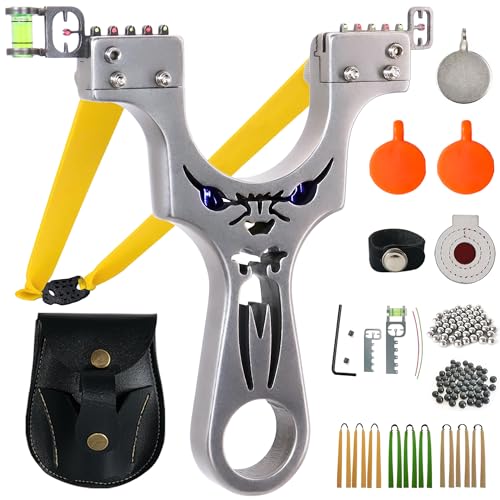
- ARS Mark9.0
ARS Mark is a ranking system developed by bestairriflescopes.com. ARS Mark has no relationship or impact from any manufacturers or sales agent websites. Learn more
- BrandAGKCIHVEN

- ARS Mark9.0
ARS Mark is a ranking system developed by bestairriflescopes.com. ARS Mark has no relationship or impact from any manufacturers or sales agent websites. Learn more
- BrandDADONFANG

- ARS Mark9.0
ARS Mark is a ranking system developed by bestairriflescopes.com. ARS Mark has no relationship or impact from any manufacturers or sales agent websites. Learn more
- BrandSukh
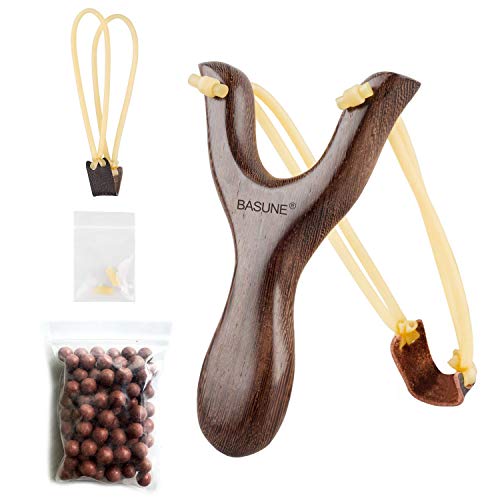
- ARS Mark8.8
ARS Mark is a ranking system developed by bestairriflescopes.com. ARS Mark has no relationship or impact from any manufacturers or sales agent websites. Learn more
- BrandBASUNE

- ARS Mark8.8
ARS Mark is a ranking system developed by bestairriflescopes.com. ARS Mark has no relationship or impact from any manufacturers or sales agent websites. Learn more
- BrandPiaoyu

- ARS Mark8.4
ARS Mark is a ranking system developed by bestairriflescopes.com. ARS Mark has no relationship or impact from any manufacturers or sales agent websites. Learn more
- BrandDADONFANG

- ARS Mark8.2
ARS Mark is a ranking system developed by bestairriflescopes.com. ARS Mark has no relationship or impact from any manufacturers or sales agent websites. Learn more
- BrandDADONFANG
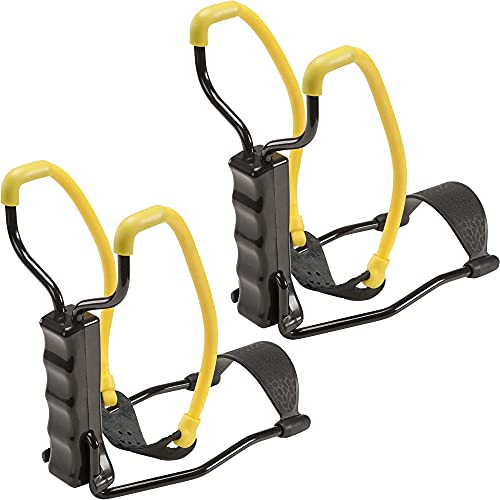
- ARS Mark7.2
ARS Mark is a ranking system developed by bestairriflescopes.com. ARS Mark has no relationship or impact from any manufacturers or sales agent websites. Learn more
- BrandInscape Data
Last update on 2026-05-31 / Affiliate links / Images, Product Titles, and Product Highlights from Amazon Product Advertising API
How To Use A Sling Shot
Missed targets, sore fingers, and wild shots flying nowhere near the can usually push people into giving up too early. A slingshot looks simple sitting in your hand, but the second the bands stretch back, every little mistake suddenly shows itself. That’s exactly why How To Use A Sling Shot starts with patience, body control, and repeatable movement instead of brute force. Tiny adjustments in grip, anchor position, and release timing can completely change how accurate and comfortable every shot feels.
Grip Control Changes Everything
A shaky grip ruins accuracy faster than most people expect. Some folks squeeze the frame too tightly because they think it adds control, but that tension usually causes twisting during release. A relaxed yet stable hold keeps the slingshot lined up naturally with the target. The sweet spot sits somewhere between loose and rigid, and honestly, finding that balance takes practice.
Hand positioning matters just as much as the grip itself. Holding the frame slightly angled instead of perfectly vertical often creates smoother band travel and cleaner releases. A crooked wrist, though, can send ammo curving sideways before it even reaches the target. Small posture changes fix a surprising amount of accuracy problems.
Finger placement can also create trouble nobody sees coming. Thick slingshot forks sometimes rub against the pouch or bands if the hand creeps too high on the frame. That contact changes the flight path and creates inconsistent shots. Keeping fingers clear of the band path protects both your hands and your aim.
Consistent grip pressure builds muscle memory over time. One solid shot followed by three bad ones usually means the hand position keeps changing without realizing it. Repeating the same grip every single shot trains the body to react naturally instead of guessing. That rhythm eventually makes aiming feel smoother instead of forced.
Choosing The Right Ammo Matters
Random backyard pebbles may seem convenient, but they rarely fly straight. Uneven shapes create wobble in the air, which makes accuracy feel impossible even with good technique. Steel ammo usually delivers a cleaner flight path because the weight stays balanced from shot to shot. That consistency helps build confidence much faster.
Ammo weight changes how the slingshot behaves during release. Lighter projectiles move quickly but drift easier, especially on windy days or longer shots. Heavier ammo carries momentum better, though it also demands steadier band control and stronger pull strength. The wrong combo can make the whole setup feel awkward.
Cheap ammo sometimes causes more frustration than the slingshot itself. Misshapen clay rounds or rough metal balls create unpredictable trajectories that feel impossible to track. Better ammo doesn’t magically improve skill, but it removes unnecessary variables during practice. Cleaner shots make it easier to spot mistakes in technique instead of blaming the equipment.
Safe target material matters too. Hard surfaces can bounce ammo straight back, and that gets dangerous fast. Soft targets like cardboard boxes packed with old fabric absorb impact more safely while making practice less stressful. Also, quieter targets tend to make longer practice sessions feel more relaxed.
Anchor Points Build Better Accuracy
One of the biggest reasons shots scatter everywhere comes down to inconsistent anchor points. Pulling the pouch back to different spots every time changes power, angle, and release timing without even noticing. Bringing the pouch to the same location near the cheek or mouth creates repeatable shots. That repetition tightens accuracy faster than fancy tricks ever will.
Facial anchors help create natural alignment between the eyes and target. Some shooters touch the corner of the mouth, while others prefer the cheekbone or jawline. The exact spot matters less than repeating it consistently. Changing anchors constantly confuses the body and wrecks shot placement.
Longer draw lengths usually create stronger shots, but they also increase the chance of band wobble during release. Beginners often pull too far too quickly and lose control halfway through the shot. Slightly shorter draws often feel steadier while technique improves. Then, as confidence grows, stronger pulls become easier to manage.
Body posture quietly affects anchor consistency too. Leaning backward or twisting the shoulders changes alignment without realizing it. Standing square with relaxed shoulders creates cleaner motion from draw to release. Stable posture helps every part of the shot feel more predictable.
Band Selection Affects Comfort
Thicker bands look intimidating and powerful, but they’re not always the smartest choice. Heavy resistance tires the hands quickly and can create jerky releases for anyone still learning proper form. Lighter bands usually feel easier to control and help develop smoother mechanics. Accuracy tends to improve faster with manageable resistance.
Flat bands and tube bands behave differently during release. Flat bands usually deliver faster speeds with less pull weight, while tube bands often feel more durable and forgiving. Neither option automatically wins because comfort and shooting style play huge roles. Personal preference shapes the experience more than internet arguments suggest.
Worn-out bands create sneaky problems. Tiny cracks near the pouch or fork attachment reduce consistency and increase the chance of snapping during a draw. Regular inspection helps avoid painful surprises and keeps shots feeling reliable. Fresh bands also maintain more predictable power from shot to shot.
Weather conditions can affect band performance too. Cold temperatures often stiffen latex, while heat may soften it and reduce snap speed. Bands stored improperly tend to wear out faster than expected. Keeping them away from sunlight and extreme temperatures extends their lifespan noticeably.
Common Beginner Mistakes
Rushing shots creates more problems than almost anything else. Plenty of people yank the pouch back and release instantly, hoping instinct alone will guide the ammo toward the target. That usually ends with frustration because slingshot shooting depends heavily on repeatable movement. Slowing down often improves accuracy almost immediately.
Target panic sneaks in once people start caring too much about hitting dead center. The body reacts by jerking the release early or shifting the wrist at the last second. Calm breathing and steady pacing help reduce that twitchy reaction. Relaxed shooting tends to produce tighter groupings over time.
Another common issue comes from focusing only on power. Strong pulls feel satisfying, sure, but power means nothing if the shot misses entirely. Moderate draws with better control often outperform aggressive shots with sloppy mechanics. Clean release timing matters more than raw force.
Poor surroundings also create avoidable headaches. Shooting near fences, concrete walls, or metal objects increases ricochet risks dramatically. Open spaces with soft backstops make practice safer and less stressful. A relaxed environment helps build confidence without worrying about dangerous rebounds.
Improving Aim Without Fancy Gear
Expensive accessories can’t replace good fundamentals. Many people chase laser sights or upgraded frames before learning proper alignment and release timing. Basic practice with consistent form usually improves accuracy more than expensive upgrades. Repetition teaches the eyes and hands to work together naturally.
Instinctive aiming becomes easier after enough repetition. Instead of consciously lining up every shot, the body gradually learns how the ammo travels based on draw length and posture. That skill develops slowly, though, and inconsistent practice delays progress. Frequent short sessions often work better than occasional marathon shooting days.
Distance control matters more than people expect. Starting too far from the target usually leads to discouragement because even experienced shooters miss long shots occasionally. Shorter distances allow faster feedback and help build confidence through small wins. Then accuracy can gradually stretch outward.
To improve outdoor shooting habits, explore best bow sight for long range setups that highlight how alignment and sight picture affect precision. The same principles of body positioning and repeatable form carry over surprisingly well to slingshot shooting. Visual consistency often separates random shots from reliable accuracy.
Safe Shooting Habits Prevent Trouble
Safety gear might not feel exciting, but eye protection deserves serious respect. Ricochets happen fast, especially with steel ammo striking hard surfaces at awkward angles. One careless shot can turn a relaxing afternoon into a painful emergency. Protective glasses remove a huge chunk of that risk immediately.
Checking the shooting area matters before every session. Pets, vehicles, windows, and nearby foot traffic can create hazards nobody notices at first glance. Clear surroundings make practice more focused and far less stressful. A calm environment helps people shoot more confidently too.
Band inspection should become a habit instead of an afterthought. Latex weakens gradually, and tiny cracks near stress points can suddenly fail during a draw. Snapped bands sting hard enough to ruin enthusiasm in seconds. Quick inspections take almost no time yet prevent plenty of painful surprises.
Responsible storage also keeps slingshots safer around children or curious visitors. Leaving ammo and bands scattered around invites accidents nobody wants to deal with. Organized gear stays in better condition and creates fewer risks overall. Small habits make a massive difference over time.
Practice Routines That Actually Help
Mindless shooting burns through ammo without building much skill. Focused practice creates better results because each session targets a specific weakness instead of random repetition. One day might center around release timing, while another focuses entirely on grip consistency. Structured sessions usually improve accuracy faster.
Short daily practice often beats occasional long sessions. Ten or fifteen focused minutes can reinforce muscle memory without exhausting the hands or shoulders. Fatigue tends to create sloppy habits, especially for beginners still learning clean technique. Stopping before frustration kicks in helps maintain consistency.
Tracking shots can reveal patterns people overlook. Maybe every miss drifts left because the wrist twists slightly during release. Maybe low shots happen after overextending the draw length. Spotting those trends turns random frustration into fixable problems.
For anyone curious about different projectile tools and outdoor target setups, compare best top air rifles options that emphasize control, safe range setup, and shot discipline. Different shooting styles still rely heavily on steady posture, patience, and repeatable mechanics. Those fundamentals carry across almost every target activity.
Best Ways To Practice Sling Shot Accuracy
Plenty of shooters hit a frustrating wall after learning the basics. The slingshot suddenly feels inconsistent even though the grip seems stable and the anchor point feels familiar. That usually happens because accuracy training demands more than casual target practice. Building tighter groupings with a sling shot depends on repeatable movement, smart practice habits, and realistic expectations that don’t collapse after a few bad shots.
Breathing Control Helps Steady Shots
Fast breathing quietly wrecks aim without most people realizing it. Tension builds in the shoulders, the pouch shakes slightly, and the release becomes rushed before the shot even leaves the bands. Slowing the breath creates calmer movement and steadier alignment. That tiny adjustment often improves consistency faster than changing ammo or replacing bands.
Controlled breathing works especially well during longer practice sessions. Fatigue tends to creep into the hands and upper back after repeated shots, which causes wobble during the draw. Taking short pauses between shots helps reset posture and reduce unnecessary tension. Calm rhythm beats frantic shooting every single time.
Some shooters accidentally hold their breath too long while aiming. That pressure builds through the chest and neck, making the release feel jerky instead of smooth. Exhaling gently during the final aiming moment often creates a cleaner shot. The motion feels more natural once the body relaxes into the release.
Shot pacing matters too. Firing ten rushed shots usually teaches less than five deliberate ones. Controlled practice helps the brain connect body movement with shot placement instead of creating random habits. Consistency grows faster once each shot follows the same rhythm.
Target Size Can Change Practice Quality
Huge targets may feel encouraging at first, but they sometimes hide accuracy problems. Shots land somewhere on the surface, yet grouping remains scattered all over the place. Smaller aiming points force cleaner technique because every mistake becomes obvious immediately. That pressure improves focus in a surprisingly effective way.
Paper targets with visible reference points help reveal shooting patterns clearly. Maybe shots consistently drift low because the wrist drops during release. Maybe left-side misses happen because the anchor point changes slightly between draws. Spotting patterns turns frustration into useful feedback.
Distance progression matters just as much as target size. Starting too far away usually creates disappointment instead of improvement. Closer targets allow tighter groupings while technique develops naturally. Then distance can increase slowly without wrecking confidence.
To compare how precision tools rely on steady alignment and repeatable form, explore best compound bow under 600 options that highlight consistency over brute force. The same principle applies to sling shots because clean mechanics matter more than raw power. Small improvements compound quickly during regular practice.
Release Timing Separates Clean Shots
Release mistakes create some of the ugliest misses in sling shot shooting. Twisting the pouch sideways or opening the fingers unevenly sends ammo curving unpredictably through the air. Smooth finger release keeps the projectile traveling on a straighter path. That clean exit becomes easier after enough repetition.
Finger tension deserves more attention than most beginners give it. Pinching the pouch too tightly creates extra movement during the release. A relaxed but secure hold keeps the ammo stable until the exact moment the fingers separate. Tiny adjustments here make a surprisingly huge difference.
Some people slap the pouch forward accidentally instead of letting it slip naturally from the fingers. That sudden motion changes the angle at the worst possible moment. Gentle release timing feels awkward initially, but it creates cleaner trajectories over time. Smooth beats aggressive nearly every time.
Dry form practice without ammo can actually help reinforce cleaner release mechanics. Practicing the draw, anchor, and finger movement slowly builds coordination without worrying about target impact. The body learns proper motion patterns faster through repetition. That control eventually carries over into live shooting sessions.
Outdoor Conditions Affect Accuracy
Wind changes projectile movement far more than many expect. Lightweight ammo especially tends to drift sideways once breezes pick up across open areas. Calm weather usually creates more predictable practice conditions and clearer feedback. Tough conditions can wait until consistency improves.
Lighting conditions also affect target visibility and focus. Harsh sunlight creates glare that strains the eyes and makes alignment harder to judge. Early evening or shaded shooting areas often feel more comfortable for longer sessions. Better visibility helps maintain concentration without eye fatigue creeping in.
Uneven ground can quietly throw posture out of alignment too. Leaning awkwardly during a shot shifts body balance and changes release mechanics. Flat stable footing helps maintain repeatable movement from draw to release. Tiny stance corrections improve consistency more than most people realize.
Humidity and temperature influence latex band performance as well. Warm weather softens bands slightly, while colder conditions can stiffen them enough to change shot feel. Practicing in different environments helps build adaptability without creating panic every time conditions change.
Building Confidence Through Repetition
Confidence usually grows slowly rather than appearing overnight. One clean shot may feel accidental at first, but repeated success starts building trust in the process. The body gradually learns how much tension, draw length, and release timing work best together. That familiarity makes aiming feel less chaotic.
Routine practice often matters more than marathon sessions. Short consistent training keeps muscle memory fresh without exhausting the hands or shoulders. Sloppy practice tends to reinforce bad habits once fatigue takes over. Stopping while form still feels clean creates better long-term improvement.
Tracking progress can help motivation during rough stretches. Tight groupings that seemed impossible a month earlier suddenly become normal after enough repetition. Improvement rarely happens in a straight line, though. Some days feel sharp, while others feel frustrating for no obvious reason.
Mental focus shapes performance more than many expect. Frustration usually leads to rushed shots and careless form. Taking breaks after repeated misses helps reset concentration before bad habits settle in. Calm shooters generally perform more consistently than angry ones.
Safe Pest Control And Shot Placement
Some people eventually use precision shooting tools for pest management around gardens or property edges. That kind of shooting requires far more responsibility than casual target practice. Poor shot placement creates unnecessary suffering and unsafe ricochets. Clean accuracy becomes absolutely critical in those situations.
Target identification should always happen before any shot gets released. Shadows, movement, or bad lighting can create dangerous mistakes quickly. Responsible shooters stay patient instead of rushing the trigger moment. Safety always outranks speed.
Equipment selection matters heavily for humane results. Weak setups often fail to deliver enough energy for reliable performance, especially at longer distances. Exploring best pellet gun for iguanas setups can help highlight how controlled accuracy and proper projectile choice affect ethical shooting outcomes. Precision and restraint matter far more than reckless power.
Legal restrictions also vary depending on location and intended use. Some areas regulate projectile tools differently than others, especially around residential zones. Checking local laws prevents unnecessary trouble later. Responsible habits protect both safety and reputation.
Improving Sling Shot Durability
Slingshots wear down faster when they’re tossed carelessly into bags or left sitting in direct sunlight. Latex bands degrade surprisingly quickly under harsh heat and UV exposure. Proper storage helps maintain band elasticity and keeps shots feeling consistent longer. Simple habits save money and frustration over time.
Fork edges deserve occasional inspection too. Sharp or rough spots can rub against bands during release and slowly weaken the latex near stress points. Smoother fork surfaces reduce friction and help extend band life noticeably. Tiny maintenance checks prevent annoying failures later.
Moisture creates another sneaky issue. Damp storage conditions can damage leather pouches and weaken attachment points over time. Dry storage areas help preserve the frame, pouch, and bands without much effort. Reliable gear creates more predictable shooting sessions.
Replacing worn parts before total failure keeps practice smoother and safer. Waiting until bands snap during a draw usually means dealing with painful hand strikes or damaged equipment. Fresh components maintain better consistency and reduce unnecessary risk during repeated shooting sessions.
Training Patience Instead Of Chasing Speed
Fast shooting looks flashy online, but speed rarely improves accuracy for beginners. Rapid firing often creates sloppy anchors, uneven draws, and rushed releases that destroy consistency. Slower deliberate practice teaches the body proper mechanics before adding pressure. Solid fundamentals create a stronger foundation.
Deliberate movement also reduces fatigue during longer sessions. Jerky draws and aggressive releases strain the hands and forearms faster than smooth controlled motions. Relaxed technique allows longer practice without soreness taking over halfway through the session. Comfort matters more than ego.
Some shooters chase harder bands too early because stronger setups feel more impressive. Heavy resistance usually exposes weak form instead of improving performance. Moderate draw weight creates cleaner mechanics while accuracy develops naturally. Better control almost always beats extra force.
Long-term improvement comes from repetition, observation, and patience instead of shortcuts. Sling shot shooting rewards consistency more than flashy tricks or brute strength. Clean technique eventually feels automatic once enough careful practice settles into muscle memory.


12 Best 22 Pcp Air Rifle For Hunting of 2026 With Quiet Power

7 Best 22 Pcp Air Rifle Under 300 of 2026 For Backyard Pest Control

10 Best 22 Break Barrel Air Rifles of 2026 For Backyard Pest Control

10 Best 30 Caliber Pcp Air Rifle of 2026 For Medium Game

Top Best 177 Air Rifle Under 100: Budget-Friendly Picks for 2026

How to Safely Reload Shotgun Shells at Home

11 Best Co2 Air Rifle For Pest Control of 2026 To Ensure Humane Dispatch

12 Best Inexpensive Air Rifles of 2026 For Dependable Backyard Accuracy






