
How to Use Iron Sights With Better Accuracy

How to Use Iron Sights is one of those skills that seems simple at first glance, yet plenty of people struggle with it once they step behind a firearm. A blurry target, inconsistent shot placement, and constant second-guessing can turn a range session into a frustrating experience. The truth is that iron sights reward patience and proper technique far more than expensive gear. A solid understanding of sight alignment, sight picture, and trigger control often makes a bigger difference than many expect.
Front sight focus sits at the heart of accurate shooting. Many people instinctively stare at the target because that's where they want the bullet to go. Iron sights work differently. The front sight deserves the sharpest focus while the rear sight and target remain slightly blurred. That tiny adjustment feels odd at first, yet it helps create a more repeatable aiming process and reduces unnecessary corrections during the shot.
Alignment matters just as much as focus. The front sight should sit evenly inside the rear sight notch with equal spacing on both sides and a level top edge. Small misalignments can send shots off target, especially as distance increases. Funny enough, a sight picture that looks "close enough" often isn't close enough once the target moves farther away. Paying attention to those tiny details builds consistency over time.
Trigger control frequently becomes the hidden culprit behind poor accuracy. Even with perfect sight alignment, jerking the trigger can shift the muzzle just enough to ruin a shot. Smooth pressure straight to the rear helps maintain the sight picture throughout the firing process. Combined with steady breathing and a stable shooting position, this habit creates a more predictable outcome.
How to Use Iron Sights also involves understanding limitations and realistic expectations. Iron sights don't magnify targets and they won't magically compensate for poor fundamentals. Bright sunlight, low-light conditions, and target size can influence visibility. Still, learning to work through those challenges develops confidence and strengthens shooting fundamentals that remain valuable even when optics enter the picture.
Practice tends to separate occasional success from dependable performance. Dry-fire exercises, sight alignment drills, and deliberate range sessions help build muscle memory without overwhelming complexity. Little by little, the front sight becomes easier to track and maintain. Before long, what once felt awkward begins to feel natural, and those tighter shot groups start showing up more often.
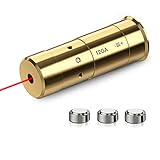
- ARS Mark9.2
ARS Mark is a ranking system developed by bestairriflescopes.com. ARS Mark has no relationship or impact from any manufacturers or sales agent websites. Learn more
- BrandMidTen

- ARS Mark9.0
ARS Mark is a ranking system developed by bestairriflescopes.com. ARS Mark has no relationship or impact from any manufacturers or sales agent websites. Learn more
- BrandMiaozhun

- ARS Mark8.8
ARS Mark is a ranking system developed by bestairriflescopes.com. ARS Mark has no relationship or impact from any manufacturers or sales agent websites. Learn more
- BrandEZshoot
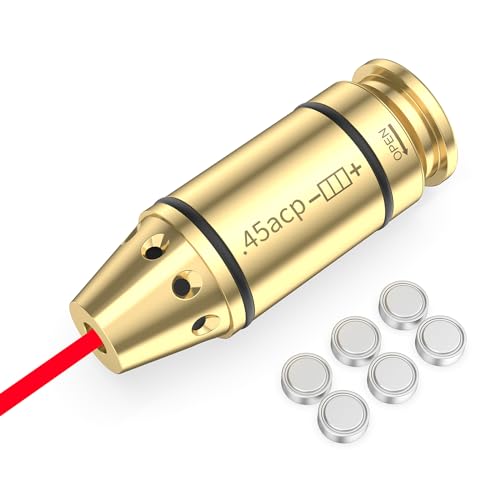
- ARS Mark8.8
ARS Mark is a ranking system developed by bestairriflescopes.com. ARS Mark has no relationship or impact from any manufacturers or sales agent websites. Learn more
- BrandTipfun
- ARS Mark8.8
ARS Mark is a ranking system developed by bestairriflescopes.com. ARS Mark has no relationship or impact from any manufacturers or sales agent websites. Learn more
- BrandMidTen

- ARS Mark8.8
ARS Mark is a ranking system developed by bestairriflescopes.com. ARS Mark has no relationship or impact from any manufacturers or sales agent websites. Learn more
- BrandMidTen

- ARS Mark8.6
ARS Mark is a ranking system developed by bestairriflescopes.com. ARS Mark has no relationship or impact from any manufacturers or sales agent websites. Learn more
- BrandEZshoot

- ARS Mark8.6
ARS Mark is a ranking system developed by bestairriflescopes.com. ARS Mark has no relationship or impact from any manufacturers or sales agent websites. Learn more
- BrandTipfun

- ARS Mark8.4
ARS Mark is a ranking system developed by bestairriflescopes.com. ARS Mark has no relationship or impact from any manufacturers or sales agent websites. Learn more
- BrandMidTen
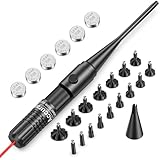
- ARS Mark8.4
ARS Mark is a ranking system developed by bestairriflescopes.com. ARS Mark has no relationship or impact from any manufacturers or sales agent websites. Learn more
- BrandEZshoot
Last update on 2026-08-18 / Affiliate links / Images, Product Titles, and Product Highlights from Amazon Product Advertising API
How To Use Iron Sights Safely And Steadily
A small notch, a front post, and a distant target can humble even a careful shooter pretty fast. The appeal of how to use iron sights comes from that honest feedback: no battery, no magnification, no shortcut hiding shaky habits. Solid results come from safe handling, clear sight alignment, and a calm routine that doesn’t fall apart after the first miss. Done right, iron sights teach patience without turning practice into a guessing game.
Iron Sight Basics
Iron sights look simple, but they demand a cleaner process than many people expect. The rear notch or aperture gives the eye a reference point, while the front sight becomes the main visual anchor. The target still matters, of course, but the front sight carries the job of keeping the aim repeatable. That tiny shift in attention can make practice feel less random and more controlled.
Sight alignment means the front sight sits evenly inside the rear sight with balanced spacing and a level top edge. A small visual error may look harmless up close, yet it can grow into a larger miss at distance. That’s why experienced instructors keep repeating the same boring advice, because the boring stuff works. Clean alignment beats frantic correction every single time.
Sight picture adds the target to that alignment. The goal is not to stare at everything with equal sharpness, because human eyes don’t work that way. The front sight should appear clearest, while the rear sight and target may look softer. That can feel odd at first, but it keeps the aiming process honest.
Safety habits belong in the same conversation as accuracy. Muzzle direction, trigger discipline, and knowing what sits beyond the target matter before any sight picture does. Iron sight practice should never become rushed or careless just because the equipment looks basic. A steady routine starts with control, not speed.
Start With Safety And Setup
Safe setup removes distractions before they become problems. A stable range area, proper eye and ear protection, and clear range rules help keep the focus where it belongs. Nobody learns much while feeling rushed, crowded, or unsure about what happens next. Good practice starts in an environment where attention can stay on fundamentals.
Firearm fit also affects how iron sights feel. A sight height that works for one setup may feel awkward on another, especially if cheek position or grip pressure changes every time. The goal is a repeatable hold that brings the sights into view without neck strain or fidgeting. Comfort doesn’t replace skill, but it makes skill easier to repeat.
Lighting conditions can change the way iron sights appear. Bright sun may wash out a pale front sight, while dim light can make the rear notch harder to read. Some shooters prefer a fiber optic front, while others like a plain black post because it creates less visual clutter. The right choice depends on visibility, discipline, and the kind of practice being done.
Gear choices should support the routine instead of stealing attention from it. For archery practice that has similar demands for consistency and clean alignment, compare arrows for compound bow target shooting before building a setup around random shafts. The same principle applies here: matching equipment to the task helps reduce avoidable frustration. Random gear rarely teaches a clean lesson.
Build A Clear Sight Picture
Front sight focus is the part many people fight the most. The brain wants to lock onto the target because that feels natural. Iron sights ask for something different: keep the front sight visually crisp and let the target soften a bit. That single habit can calm down a lot of wandering shots.
Equal height and equal light are useful phrases for open sights. Equal height means the top of the front sight lines up with the top of the rear sight. Equal light means the space on both sides of the front sight looks balanced inside the rear notch. Simple words, sure, but they give the eye a practical checklist.
Aperture sights work a little differently because the eye naturally centers the front sight inside the rear opening. That can feel quicker once the shooter gets used to it. Still, the front sight remains the priority, not the circle around it. The rear aperture supports the picture, while front sight clarity keeps the process grounded.
Target size affects confidence more than people admit. A tiny target too early can make practice feel like a coin toss. A clear, visible target gives better feedback and keeps frustration from hijacking the session. Tight groups come later; first comes a repeatable sight picture that can be recognized and corrected.
Control The Trigger Without Yanking The Shot
Trigger control can ruin a good sight picture in a blink. A sudden yank moves the firearm before the shot breaks, and the sights usually tell the story. The fix is not magic; it’s steady pressure straight to the rear while keeping the sights settled. That takes patience, especially for anyone used to forcing the shot at the exact second the sight looks right.
Anticipation is another sneaky problem. The body may tense before the shot because it expects noise, recoil, or movement. That tiny flinch can push the sight picture off line before the shot finishes. Calm practice helps the shooter notice that reaction instead of blaming the sights.
Breathing rhythm should support the shot, not turn into a dramatic ritual. A natural pause after exhaling often gives the body a steadier moment. Holding the breath too long creates tension, and tension makes the sights wobble more. A relaxed rhythm usually beats a forced one.
Follow-through keeps the process from ending too early. The sights should remain part of the shooter’s attention after the shot breaks. That moment reveals whether the trigger press stayed smooth or pulled the firearm off target. Good follow-through turns every shot into feedback instead of just noise.
Use Practice Drills That Do Not Build Bad Habits
Slow practice may feel dull, but it builds cleaner habits than rushing through rounds. A shooter who pauses to check alignment learns more from each shot. Speed can come later once the sight picture and trigger press stop falling apart. Trying to go fast too soon usually just makes mistakes louder.
Dry practice can help, but it must follow strict safety rules and the firearm owner’s manual. The area should be clear, the firearm should be checked properly, and no live ammunition should be present in the practice space. The purpose is to watch whether the sights move during the trigger press. That kind of feedback is valuable because it removes recoil from the equation.
Short-distance practice gives cleaner feedback for sight alignment. Starting too far away can hide whether the problem is sight picture, trigger movement, stance, or plain impatience. A closer target makes patterns easier to see and correct. Then distance can increase once the basics feel repeatable.
Archery sight habits can teach a similar lesson about consistency, especially for anyone who also shoots bows. To tighten anchor point and sight reference, explore peep sight for a compound bow as a separate setup decision. The equipment differs, but the mental discipline overlaps. Repeatable alignment still beats guesswork.
Fix Common Iron Sight Mistakes
Chasing every miss is one of the quickest ways to turn practice into chaos. One bad shot doesn’t always mean the sights need adjustment. It may mean the trigger got slapped, the front sight drifted, or the shooter blinked at the wrong moment. Patterns matter more than single holes.
Overcorrecting the sights can create a mess that takes longer to undo. Mechanical adjustments should follow consistent shot groups, not one emotional reaction. A small sight change can move impact, but poor technique can move it even more. Clean fundamentals should come before screwdriver work.
Target blur also confuses people at first. A slightly blurry target does not mean the shooter is doing something wrong. With iron sights, the eye cannot keep rear sight, front sight, and target perfectly sharp at the same time. The front sight gets priority because alignment errors usually cost more than target softness.
Hunting setups bring extra responsibility because field conditions are less controlled than a range. For small-game context and equipment research, compare magnum rimfire rifles and ammo without treating gear as a substitute for judgment. Ethical shooting requires knowing distance, background, local rules, and personal limits. Iron sights can help, but they don’t replace restraint.
How To Use Iron Sights For Consistent Range Practice
Misses start feeling personal after a while, especially when the sights looked lined up right before the shot broke. Better practice with how to use iron sights comes from slowing the process down and reading the feedback without ego getting in the way. A clean session should build repeatable alignment, steady trigger pressure, and honest awareness of what changed between one shot and the next. That practical mindset keeps frustration from turning into sloppy habits.
Read Your Shot Groups Before Adjusting Sights
Shot groups tell a clearer story than single impacts. One flyer can come from a rushed trigger press, a blink, or a grip change that happened without much warning. A cluster of shots in the same area gives better evidence that the sights may need attention. That’s why smart practice starts with pattern reading, not instant tinkering.
Consistent misses deserve a calm look. A group landing low and left, for example, may come from trigger movement rather than bad sight settings. The shooter should check grip pressure, finger placement, and follow-through before touching any adjustment screw. Small errors behind the firearm often look like equipment problems on paper.
Sight adjustment should happen only after the group proves the issue. Move the rear sight in the direction the group needs to move, but keep changes small and deliberate. Random adjustments create confusion because the shooter no longer knows whether the improvement came from technique or hardware. A notebook can help track distance, ammo, and point of impact without relying on memory.
Field equipment has the same lesson built into it: match the tool to the job, then practice enough to learn its limits. For youth archery setups, compare broadhead youth bow options separately from firearm sight practice so the gear decision stays honest. A broadhead choice won’t fix poor form, just like a sight adjustment won’t fix a jerky trigger. Good results come from fit, control, and patience working together.
Match Distance To Skill Instead Of Ego
Distance should stretch skill without turning every shot into a shrug. Starting close helps reveal whether the sight picture and trigger press are actually consistent. Jumping too far too early often hides the real problem behind scattered hits. A practical shooter builds confidence in layers, not leaps.
Short-range drills can feel almost too easy, but they expose details fast. The front sight either stays steady through the trigger press or it doesn’t. The group either tightens as the routine settles or it spreads because something changes shot to shot. That feedback is more useful than chasing tiny targets before the basics are ready.
Longer distances make sight alignment errors louder. A front sight that sits slightly off center may still land close at short range, then drift noticeably farther out. That doesn’t mean the shooter suddenly got worse. It means the target finally showed the cost of tiny alignment mistakes.
Realistic expectations keep practice productive. Iron sights don’t give magnification, and they won’t make a dim target easier to identify beyond practical limits. The goal is not to pretend iron sights behave like optics. The goal is to build steady fundamentals that still hold up when conditions get less forgiving.
Practice Positions That Reveal Weak Spots
Bench practice helps isolate the sight picture and trigger press. A stable rest reduces body movement, making it easier to see whether the shooter is disturbing the sights during the shot. That kind of setup can be useful early on because it removes some noise from the process. Still, a bench should be a learning tool, not a permanent crutch.
Standing practice brings wobble into the picture. Nobody holds perfectly still, and fighting every bit of movement usually makes things worse. The better approach is accepting a natural wobble area while pressing the trigger smoothly. A calm shot inside a small movement zone beats a panicked shot at the so-called perfect instant.
Kneeling and seated positions can add stability without relying on a bench. These positions also reveal whether the shooter can build a repeatable cheek weld, grip, and sight picture away from a controlled table. Awkward posture often causes inconsistent alignment, especially after a few shots. Comfort and structure matter because body position affects what the sights show.
Hunting practice requires even more restraint because targets, terrain, and timing are less predictable. For upland field planning outside iron sight work, review over and under shotgun choices with the same practical mindset. A firearm that fits poorly can make clean shooting harder, no matter how nice it looks. Fit, safety, and honest range limits matter more than fancy talk.
Keep Both Eyes And Focus Working Together
Eye dominance can confuse sight alignment, especially for newer shooters. A right-handed shooter with a stronger left eye may see the sights drift or double without knowing why. Simple eye dominance checks can explain why the sight picture feels inconsistent. Once that issue is known, training choices become less frustrating.
Both-eyes-open practice can help situational awareness, but it doesn’t click for everyone right away. Some shooters need to begin with one eye slightly relaxed or partially closed until the front sight becomes easier to track. Forcing both eyes open before the brain is ready can make the sight picture feel messy. The goal is clarity, not proving a point.
Front sight focus still wins the priority battle. The target may look soft, and that’s normal. The rear sight may look soft too, especially with open sights. As long as the front sight stays crisp and centered, the shooter has the best chance of repeating the shot.
Vision limits deserve respect. Aging eyes, prescription glasses, glare, and lighting can all change how iron sights appear. Some shooters may benefit from a different sight color, a wider rear notch, or better lighting on the target. Practical adjustments should support safe visibility without masking poor fundamentals.
Maintain Iron Sights Without Overcomplicating It
Sight maintenance is simple, but skipping it can create annoying problems. Dirt, oil, or lint around the rear notch can blur the sight picture more than expected. A loose sight can also shift impact and make the shooter chase errors that aren’t technique related. Clean gear helps keep the feedback honest.
Regular inspection should include the front sight, rear sight, screws, and visible damage. A small bump during transport can matter if it changes alignment. The shooter doesn’t need to obsess over every mark, but obvious movement deserves attention before practice continues. Reliable sights support consistent training.
Ammunition changes can alter point of impact. Different bullet weights, loads, or brands may print in slightly different places even with the same sight picture. That doesn’t mean one session was wrong and the next was right. It means the firearm, sights, and ammo work as a system.
Record keeping makes that system easier to manage. Notes about distance, ammo, lighting, and group location prevent the same mistakes from repeating every month. A few plain details can save a lot of head-scratching later. Good shooters don’t rely on vibes alone; they track what actually happened.
Build Confidence Without Rushing Speed
Speed should grow from clean repetition. Rushing before the sight picture settles usually teaches the body to accept sloppy shots. A shooter who can place careful shots consistently has a better foundation for faster work later. Accuracy gives speed something solid to stand on.
Cadence drills can help once the basics are stable. The idea is not to fire as fast as possible, but to keep the same sight picture and trigger behavior through a steady rhythm. If the group opens wildly, the pace is too fast for the current skill level. Honest feedback beats pretending every pace is manageable.
Pressure changes everything. A timer, an audience, or a difficult target can make familiar habits fall apart. That’s not failure; it’s useful information. The shooter learns which parts of the routine are truly built in and which parts only work during calm practice.
Iron sight confidence comes from knowing what the sights should look like, what mistakes feel like, and what corrections actually help. Some days will still be messy, especially with tired eyes or poor lighting. That’s normal. The steady shooter keeps working the process: safe handling, front sight focus, smooth trigger pressure, and feedback that gets used instead of ignored.


12 Best 22 Pcp Air Rifle For Hunting of 2026 With Quiet Power

7 Best 22 Pcp Air Rifle Under 300 of 2026 For Backyard Pest Control

10 Best 22 Break Barrel Air Rifles of 2026 For Backyard Pest Control

10 Best 30 Caliber Pcp Air Rifle of 2026 For Medium Game

Top Best 177 Air Rifle Under 100: Budget-Friendly Picks for 2026

How to Safely Reload Shotgun Shells at Home

11 Best Co2 Air Rifle For Pest Control of 2026 To Ensure Humane Dispatch

12 Best Inexpensive Air Rifles of 2026 For Dependable Backyard Accuracy






