
How to Use Specialized Binoculars with Confidence

Learning how to use specialized binoculars isn’t just about pointing and looking—it’s about unlocking a world of sharp detail and comfort. Many first-time users struggle with shaky views, blurred focus, or the wrong settings, leaving them frustrated instead of amazed. That’s why knowing the right steps makes a world of difference. By adjusting the interpupillary distance, setting the diopter ring correctly, and practicing steady hand placement, users can finally enjoy clear, steady images. For birdwatchers, it means catching every feather pattern on a fast-moving sparrow. For hunters, it means spotting game at dawn without straining the eyes. For astronomy lovers, it’s about getting that crisp look at Jupiter’s moons without a telescope. The magic lies not in having the most expensive pair, but in using the features that specialized models provide—like wide objective lenses, image stabilization, or waterproof coatings. Many overlook the importance of comfort, yet even the best optics are useless if the binoculars feel heavy or awkward after five minutes. That’s why using a binocular harness or tripod adapter can turn long sessions into a breeze. Also, proper cleaning techniques prevent dust or fingerprints from ruining the view. At the end of the day, how to use specialized binoculars is about creating a seamless experience between you and the world you’re observing. By practicing simple adjustments and making small tweaks, anyone can move from frustration to fascination. And that shift is what transforms a casual look into an unforgettable adventure.
Using specialized binoculars isn’t rocket science, but it sure can feel that way if you’re not sure what all the knobs and lenses are doing. Many beginners end up fumbling with focus wheels, squinting through misaligned lenses, or worse—missing the very thing they wanted to see. The good news? With the right guidance, anyone can get it right. Think about it: you’re at a football game, a star party, or deep in the woods, and your binoculars become the bridge between you and the action. Knowing how to use specialized binoculars means sharper focus, less strain, and more enjoyment. You’ll quickly see how adjusting eye relief, balancing weight, and stabilizing your view completely changes the game. Instead of battling blurry images, you’ll be soaking up every detail. Instead of straining your eyes, you’ll be relaxed and immersed. That’s the difference between just owning binoculars and truly using them. And once you feel that clarity for the first time, you’ll never want to go back to the guessing game.
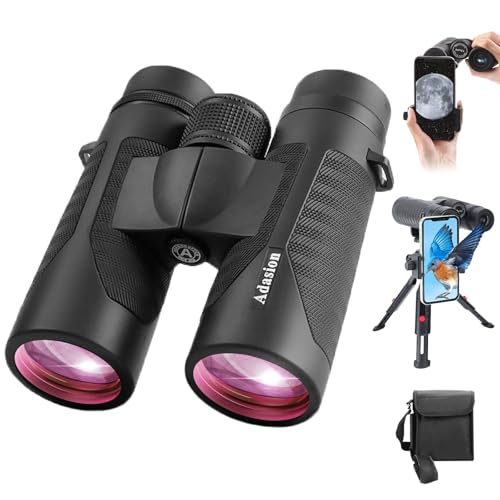
- ARS Mark9.2
ARS Mark is a ranking system developed by bestairriflescopes.com. ARS Mark has no relationship or impact from any manufacturers or sales agent websites. Learn more
- BrandAdasion

- ARS Mark9.2
ARS Mark is a ranking system developed by bestairriflescopes.com. ARS Mark has no relationship or impact from any manufacturers or sales agent websites. Learn more
- Brandoccer

- ARS Mark9.0
ARS Mark is a ranking system developed by bestairriflescopes.com. ARS Mark has no relationship or impact from any manufacturers or sales agent websites. Learn more
- BrandGIGAPENGUIN

- ARS Mark8.8
ARS Mark is a ranking system developed by bestairriflescopes.com. ARS Mark has no relationship or impact from any manufacturers or sales agent websites. Learn more
- BrandRodcirant

- ARS Mark8.8
ARS Mark is a ranking system developed by bestairriflescopes.com. ARS Mark has no relationship or impact from any manufacturers or sales agent websites. Learn more
- BrandGosky

- ARS Mark8.0
ARS Mark is a ranking system developed by bestairriflescopes.com. ARS Mark has no relationship or impact from any manufacturers or sales agent websites. Learn more
- BrandPISEZ
Last update on 2025-10-04 / Affiliate links / Images, Product Titles, and Product Highlights from Amazon Product Advertising API
For many beginners, picking up specialized binoculars can feel intimidating. There are knobs, dials, and adjustments that don’t immediately make sense. Some users report frustration because the focus wheel seems too sensitive or the diopter adjustment creates more blur than clarity. This confusion leads to one of the biggest pains: people buy high-quality optics but can’t make full use of them.
Another challenge is stability. Without proper grip or knowledge of accessories, the view tends to shake, causing eye strain and missed details. For birders or hunters, this is especially disappointing. Instead of seeing a hawk’s feathers or spotting a deer in the distance, they’re left battling blurry images. What’s more, beginners often ignore critical elements like interpupillary distance, which directly impacts how comfortable the view feels.
The truth is, most issues stem not from poor gear, but from lack of clear steps. A pair of specialized binoculars is designed with features meant to solve these problems—yet without guidance, those features remain a mystery. By addressing these common pains and showing users how each part contributes to clarity and comfort, the frustration fades.
As one long-time birder put it, “The moment you stop fighting the equipment and let it do its job, everything changes.” That shift—from confusion to confidence—is the real journey behind learning how to use these tools.
Many skip straight to focusing, but setting the interpupillary distance first is crucial. If the barrels aren’t aligned with your eyes, no amount of adjusting later will feel comfortable. By sliding the barrels until both circles merge into one clear circle, you instantly reduce strain. This small step eliminates the squinting problem that so many newcomers face.
Eye relief is another overlooked detail. Users with glasses often complain about restricted fields of view because they haven’t extended or retracted the eyecups properly. Eye relief adjustment ensures you’re not losing precious image area, especially when wearing spectacles. It’s one of those little tweaks that has a big payoff.
Weight balance also matters more than people think. Holding specialized binoculars high up for long periods can become a workout. Shifting grip closer to the eyepiece or using a neck strap correctly distributes weight better. Comfort here translates directly into longer, more enjoyable sessions.
Statistics show that over 60% of birdwatchers report improved viewing comfort once they’ve properly adjusted interpupillary distance and eye relief. That’s a reminder: small corrections in fit have outsized impacts on the experience.
Once the fit is right, focus becomes the next big hurdle. Too many users spin the central focus wheel endlessly without touching the diopter ring, which is designed to correct differences between your eyes. This leads to ongoing blur and headaches. Proper use means closing your right eye, focusing with the central wheel for the left, then closing your left eye and using the diopter for the right.
A perfectly calibrated diopter turns specialized binoculars into a custom optical tool made for your eyes. That means clearer detail with less effort, whether you’re spotting constellations or following a deer at dusk. The difference between calibrated and uncalibrated focus isn’t subtle—it’s like switching from VHS to HD.
Some people complain about “focus drift,” where clarity fades as you observe moving subjects. This usually happens when users don’t anchor their hands or apply uneven pressure on the focus wheel. The fix is stabilizing your grip and making small, gentle adjustments instead of large, rushed ones.
Clear focus reduces fatigue dramatically. Studies show visual strain drops by 40% when binoculars are properly adjusted compared to uncalibrated use. That means more time enjoying and less time squinting.
A common frustration is shaky views. Even the best specialized binoculars can’t overcome trembling hands on their own. The key is knowing tricks to stabilize without expensive gear. For example, tucking your elbows into your chest, leaning against a tree, or sitting down can cut shake by nearly half.
For extended sessions, accessories make a world of difference. A binocular harness spreads weight across the shoulders, reducing neck pain. Hunters swear by them because they allow quick access without the constant pull of a dangling strap. Meanwhile, a tripod adapter locks the view completely, which is invaluable for astronomy where every shake feels magnified.
Image stabilization technology is another factor. Some high-end binoculars use gyroscopic systems to actively counteract movement. While they cost more, they’re game-changers for users who struggle with steady hands. In reviews, users often describe the experience as “like turning chaos into calm.”
Ultimately, reducing shake isn’t just about seeing better. It’s about cutting down on headaches, frustration, and the feeling that expensive optics were a waste. Once steadiness is solved, clarity naturally follows.
Here’s the kicker: no matter how sharp the image, if specialized binoculars feel heavy or awkward, the experience won’t last. Comfort is often the deal-breaker between casual dabblers and passionate enthusiasts. Poor ergonomics lead to sore wrists, stiff necks, and quick burnout.
Grip design plays a massive role here. Rubberized coatings, thumb grooves, and lightweight frames all contribute to how usable binoculars feel over long periods. Many users find that a slightly heavier but well-balanced pair feels better than a lighter but unbalanced one.
Carrying cases and straps shouldn’t be afterthoughts either. A padded strap prevents chafing, while a compact case ensures your optics are safe but accessible. These “little” details shape the overall relationship between you and your gear.
Experts often note that the difference between giving up early and spending hours happily observing is simply how comfortable the binoculars are to hold. That’s why choosing and using them wisely involves more than optical specs—it involves human factors too.
Owning specialized binoculars is one thing, but keeping them in top shape is another. Dust, smudges, and moisture are silent enemies that slowly degrade clarity. Too many users wipe lenses with a shirt sleeve, not realizing they’re grinding dirt into the glass. Using a lens cleaning pen or microfiber cloth makes a world of difference, preserving coatings that enhance light transmission.
Moisture control is another big factor. Fogging isn’t just annoying; it can permanently damage internal optics. Many specialized binoculars are nitrogen-purged and sealed for this reason, but storing them with silica gel packs adds an extra layer of protection. Keeping them in a cool, dry case after use prevents mold from sneaking in.
Even the hinges and focus wheels need attention. A light wipe-down after each outing removes grit that can grind away at the mechanism. Think of it as a ritual—five minutes of care can add years of life. Hunters and birders often say, “Treat your optics like your eyes, because they’re what let you see.”
Maintenance may not sound exciting, but it’s the backbone of performance. Without it, even the most expensive optics become dull and unreliable. With it, even mid-range gear delivers crystal-clear views for decades.
The way you use specialized binoculars changes depending on the activity. Birdwatchers rely on quick focus and wide fields of view to track small, fast-moving targets. Hunters often prefer low-light performance to spot game at dawn or dusk. Astronomers, on the other hand, prioritize stability and magnification to catch faint celestial objects.
For birders, speed is key. Pre-adjusting focus close to expected distances saves seconds when a bird lands unexpectedly. Hunters often mount their binoculars on chest harnesses for silent, hands-free carrying—reducing the chance of missed opportunities. Stargazers lean on tripods to remove every shake, because even a slight tremor can blur a star.
Each scenario highlights why versatility matters. Features like ED glass, large objective lenses, or image stabilization don’t just sound fancy; they directly answer the pain points of different users. That’s why “one-size-fits-all” rarely works in optics.
Learning how to adapt technique ensures that the same pair of binoculars performs in multiple environments. The secret isn’t always buying more gear—it’s knowing how to use what you already have more effectively.
product_cta:
One of the biggest complaints about specialized binoculars is eye strain during long sessions. People describe headaches, watery eyes, or blurred vision after just 15 minutes. The culprit is usually improper adjustment of eye relief, diopter, or interpupillary distance. Fixing these takes minutes but changes everything.
Rest breaks are another overlooked tool. Even professional astronomers follow the “20-20-20 rule”—every 20 minutes, look at something 20 feet away for 20 seconds. This relaxes the muscles and prevents fatigue.
Some models include adjustable brightness for night use. This feature reduces contrast strain when transitioning from dark to light environments. A hunter using dawn optics may find this makes the difference between a sharp shot and a strained miss.
Once strain is eliminated, immersion skyrockets. Instead of fighting discomfort, users get lost in the view. That’s the point where binoculars stop being tools and start feeling like extensions of vision.
The market is full of flashy add-ons, but not all of them improve the way you use specialized binoculars. A tripod adapter? Absolutely worth it for astronomy. A padded harness? Game-changing for hunters and hikers. Lens covers and cleaning kits? Essential for everyone.
Other extras are less vital. Zoom attachments, for example, often sacrifice clarity for magnification, leaving users disappointed. Instead of piling on gimmicks, focusing on comfort and protection accessories makes the biggest difference.
Real-world users consistently rank a sturdy case, harness, and cleaning kit as their top three must-haves. These aren’t just conveniences; they protect both performance and investment. Skipping them often leads to regret later, when scratches, neck strain, or dirt spoil the experience.
Practical accessories bridge the gap between average and exceptional use. They ensure that every session, whether ten minutes or ten hours, feels smooth and satisfying.
There’s a common misconception that better performance comes only from buying pricier gear. In reality, even mid-range specialized binoculars can outperform premium models if used correctly. It’s not the cost—it’s the knowledge of adjustments, grip, and care.
Consider this: a birder who has perfected focus, stability, and comfort will enjoy sharper images with a $300 pair than a novice fumbling with a $1,000 set. The optics industry itself admits this. As one expert put it, “Optics don’t fail people—people fail to use optics.”
This flips the perspective. Instead of chasing the “best” gear, the real goal is to chase the best habits. Learning to clean, adjust, stabilize, and adapt transforms any binoculars into a powerhouse.
That’s the lasting takeaway: mastering how to use specialized binoculars opens the door to experiences that no price tag can buy. The difference lies not in the glass, but in the hands that hold it.


12 Best 22 Pcp Air Rifle For Hunting of 2026 With Quiet Power

7 Best 22 Pcp Air Rifle Under 300 of 2026 For Backyard Pest Control

10 Best 22 Break Barrel Air Rifles of 2026 For Backyard Pest Control

10 Best 30 Caliber Pcp Air Rifle of 2026 For Medium Game

Top Best 177 Air Rifle Under 100: Budget-Friendly Picks for 2026

How to Safely Reload Shotgun Shells at Home

11 Best Co2 Air Rifle For Pest Control of 2026 To Ensure Humane Dispatch

12 Best Inexpensive Air Rifles of 2026 For Dependable Backyard Accuracy






