
How to Wax a Crossbow String Without Damaging It

Waxing a crossbow string involves rubbing bowstring wax onto the exposed fibers and smoothing it with your bare fingers until warmth melts it into the strands. The main catch is keeping that wax completely off the center serving (the protective thread wrapped around the middle of the string), which needs liquid rail lubricant instead so the trigger mechanism stays clean.
How often you need to apply it depends on the weather and your shot count, since dry air and frequent target practice draw moisture out of the fibers much faster. The condition of the string also changes what you do. Light fuzz along the sides just needs a thin layer of wax to stay slick, while cut or frayed strands mean you should replace the entire string. Taking the right steps now will protect your bow without gumming up moving parts.
Where Wax Goes and Where to Stop
The main string on your crossbow is made of dozens of tightly bundled synthetic fibers. Along parts of this string, you will see sections wrapped tightly with extra protective cord. This protective wrap is called the serving (a tight protective wrap of thread around high-wear areas). You will spot serving around the end loops that hook to the limbs, and right across the middle where the arrow sits and the trigger latch grabs the string.
Wax belongs only on the exposed fibers. That means the bare, colored strands between the center serving and the end loops. The cables (extra strings crossing underneath the barrel) also have exposed sections that need wax. Running your fingers along these open fibers protects the core power of your bow.
Never apply string wax to the center serving. That center section slides back and forth along the rail (the flat track where the arrow sits and slides). If you rub thick wax on the center serving, that sticky buildup gets pushed straight back into your trigger housing every time you cock the bow. Inside the trigger box, old wax collects dirt, dust, and grit. Over time, that sticky paste can cause the trigger latch to stick, creating a serious safety hazard. Keep wax strictly on the bare fibers and keep it off any tightly wrapped serving thread.
Step-by-Step Waxing Routine
Taking five minutes to condition your bowstring keeps your shots consistent and protects the fibers. Here is how to apply wax safely:
- 1. Wipe off surface dust and loose debris. Take a clean, dry cloth and gently wipe the exposed fibers and cables to clear away dust and dried mud. Reason: Rubbing wax over a dirty string grinds sharp grit directly into the fiber bundle, cutting strands from the inside out.
- 2. Twist up a quarter inch of your wax stick. Push just a small amount of wax past the lip of the tube so the plastic edge never touches the string. Reason: Keeping the wax short stops the stick from snapping off in your hand and prevents the hard plastic tube from nicking delicate strands.
- 3. Rub the wax stick directly along the bare strands. Glide the wax stick back and forth along the exposed fibers of the main string and cables, covering the top, bottom, and sides evenly. Reason: This applies a uniform surface layer across all open fibers without overloading the bundle with heavy clumps.
- 4. Work the wax into the fibers using your thumb and index finger. Pinch the string firmly between your bare thumb and forefinger, then rub back and forth briskly along the fibers until you feel noticeable friction heat. Reason: Heat softens and melts the wax, drawing it straight into the core of the strand bundle rather than letting it sit on the outside.
- 5. Buff the string with a scrap of soft leather or heavy paper towel. Fold a small piece of leather or thick paper towel around the string, grip it firmly, and slide it rapidly up and down the waxed sections. Reason: Friction seals the outer coat, while the leather or paper pulls away excess wax so dirt will not stick to the string.
- 6. Check the serving edges and wipe away thick buildup. Look closely at the transition spots where bare fibers meet wrapped serving, and use a clean rag to remove any wax that smeared onto the wrap. Reason: Cleaning the edges stops sticky wax from migrating onto the flight track or getting dragged into the trigger mechanism during a shot.
String Wax Versus Rail Lube
Shooters often confuse bowstring wax with rail lube because both come in small twist tubes that look like lip balm. But they are made of completely different ingredients and serve opposite jobs. Swapping them can harm your equipment.
Bowstring wax is a dense, tacky conditioner made from pure beeswax or synthetic silicone. Its job is to bind individual fibers together, seal out rainwater, and stop internal friction as strands flex. It is intentionally sticky so it clings to synthetic thread and stays put during high-vibration shots.
Rail lube is a slick, fluid lubricant designed to reduce surface friction. It goes directly on the rail (the flat track where the arrow sits and slides) where the center serving rides. Crossbows release immense energy. When fired, the pull weight (how much muscular effort it takes to pull the bowstring back) sends the center serving slamming against the track at high speed. Whether you are tuning the best TenPoint crossbow for hunting or practicing in the backyard, rail lube keeps that high-speed friction from burning up the serving thread.
If you put string wax on the rail, the sticky film slows down your arrow and gunks up the trigger box. If you put slick rail lube on your bare bowstring fibers, it fails to bind the bundle and quickly washes away. Keep tacky wax on bare fibers, and keep slick lube on the track.
How Often to Wax Your Crossbow String
You do not need to wax your bowstring before every shot, but waiting until strands turn white and fuzzy puts your bow at risk. Your waxing schedule depends on your shot count, hunting weather, and storage habits.
Use this simple checklist to stay on top of string maintenance:
- Every 20 to 50 shots: Modern hunting crossbows place high stress on synthetic cords. Giving exposed strands a light wax coat every few shooting sessions keeps the fibers supple and quiet.
- Whenever fibers look pale or dry: A healthy string looks dark, smooth, and slightly rich in color. If fibers look chalky, faded, or feel rough like dry twine, apply wax right away.
- After shooting in wet weather: Rain, sleet, and wet snow can seep into the bundle and cause swelling. Let your crossbow air dry at room temperature, then apply a fresh layer of wax to seal water out.
- After dusty hunting trips: Dry dirt and fine sand absorb moisture and draw out natural conditioners. Wipe your string down after hunting dusty crop fields, then recondition the strands.
- Before and after off-season storage: Before packing your crossbow away in a case for months, give bare fibers a thorough wax treatment. This stops dry indoor air from making synthetic strands brittle.
When to Replace the String Instead of Waxing
Wax is a great preventive tool, but it is not a repair product. It can smooth down light surface fuzz, but it will never mend damaged or severed strands. Knowing the difference between normal wear and dangerous damage keeps you safe on the range.
Surface fuzz is normal. As micro-fibers rub together under tension, tiny fuzz ends appear. When you apply wax and rub it in with finger heat, that fuzz lays flat and vanishes. If the fuzz disappears after waxing, your string is healthy.
Broken strands mean the string is done. If you see severed threads poking out of the bundle, stop shooting immediately. Modern hunting crossbows like the TenPoint TX Ultra 265 crossbow store enormous energy across their limbs. When individual strands snap, the remaining fibers carry too much strain. If the string gives way during a shot, it causes a dry fire (firing the bow without an arrow nocked). A dry fire can crack limbs, warp cams, and send dangerous debris flying toward your face.
You should also check the wrapped servings. If the tight protective wrap begins unraveling, separates to reveal bare strands underneath, or looks cut near the cams, wax cannot fix it. Never risk shooting a damaged string. Take your bow to an archery pro shop bow press so a technician can replace or re-serve the string safely under controlled pressure.
What to Look for in Crossbow String Wax
Taking care of your bowstring does not require complex tools, but using the correct wax formula makes a big difference in string life. Never grab household oils or furniture polish.
Look for a dedicated bowstring conditioner made specifically for high-strength synthetic archery strings. Formulations based on natural beeswax or high-grade silicone work best because they coat individual fibers without degrading synthetic materials over time. A wax that comes in an easy twist-up applicator tube helps you apply a clean layer without crumbling or creating a sticky mess on your gear.
It also helps to pick up a matching rail lubricant at the same time. Many archery maintenance products come in convenient pairs that include both string wax and rail fluid. Before buying, verify that the string wax states it is formulated for synthetic bowstrings and that the rail lubricant is safe for your crossbow track material and serving thread.
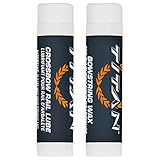
- ARS Mark9.3
ARS Mark is a ranking system developed by bestairriflescopes.com. ARS Mark has no relationship or impact from any manufacturers or sales agent websites. Learn more
- BrandAC Allen
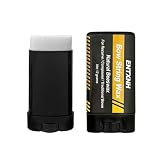
- ARS Mark8.4
ARS Mark is a ranking system developed by bestairriflescopes.com. ARS Mark has no relationship or impact from any manufacturers or sales agent websites. Learn more
- BrandENTXNH
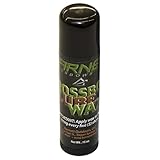
- ARS Mark7.9
ARS Mark is a ranking system developed by bestairriflescopes.com. ARS Mark has no relationship or impact from any manufacturers or sales agent websites. Learn more
- BrandBARNETT
Last update on 2026-10-19 / Affiliate links / Images, Product Titles, and Product Highlights from Amazon Product Advertising API
FAQs
Can I use candle wax or petroleum jelly on my crossbow string?
No, never use household candle wax, petroleum jelly, or lip balm on synthetic bowstrings. Candle wax is too brittle and flakes off without penetrating the bundle, while petroleum jelly contains oils that soften synthetic fibers and collect grit. Stick to bowstring waxes made from beeswax or archery-grade silicone.
What happens if wax gets into the crossbow trigger box?
Wax inside the trigger box gathers dust, arrow fletching shavings, and dirt, turning into a sticky paste that can stop the trigger latch from catching or releasing cleanly. If you notice wax buildup inside the housing, do not spray solvents inside. Gently scrape away visible lumps with a wooden toothpick or cotton swab, and visit a bow technician if the trigger pull feels sluggish.
Do I need to wax the cables underneath the crossbow rail?
Yes, you should wax the bare fibers on the cables just like you wax the main string. Crossbow cables bend and twist under intense pressure during every cocking and firing cycle, so their exposed strands dry out quickly. Just make sure you only apply wax to the bare fibers and avoid the wrapped sections that slide through the cable guide under the track.
Can you put too much wax on a crossbow string?
Yes, applying too much wax adds unnecessary weight to the string bundle and creates a sticky surface that attracts dirt, leaves, and debris. Extra weight on the string can rob your arrow of shooting speed. If your string feels tacky or gummy after waxing, wrap a clean paper towel around it and buff vigorously to lift away the excess wax.


12 Best 22 Pcp Air Rifle For Hunting of 2026 With Quiet Power

7 Best 22 Pcp Air Rifle Under 300 of 2026 For Backyard Pest Control

10 Best 22 Break Barrel Air Rifles of 2026 For Backyard Pest Control

10 Best 30 Caliber Pcp Air Rifle of 2026 For Medium Game

Top Best 177 Air Rifle Under 100: Budget-Friendly Picks for 2026

How to Safely Reload Shotgun Shells at Home

11 Best Co2 Air Rifle For Pest Control of 2026 To Ensure Humane Dispatch

12 Best Inexpensive Air Rifles of 2026 For Dependable Backyard Accuracy






