
How To Wear A Rifle Sling Without The Hassle

How To Wear A Rifle Sling sounds simple at first glance, yet plenty of people end up frustrated after a few miles outdoors or a long afternoon at the range. A sling that twists, digs into the shoulder, or constantly slips out of place can turn a solid setup into a genuine headache. Shoulder fatigue creeps in fast. Movement feels awkward. Then the rifle starts bouncing around every time the terrain changes, and suddenly the whole experience becomes more irritating than enjoyable.
Comfort plays a bigger role than most expect. A properly adjusted sling helps distribute weight evenly while keeping the rifle stable against the body instead of swinging like a pendulum. Small positioning changes can dramatically improve mobility, especially while walking through uneven ground, climbing over obstacles, or kneeling quickly. Plenty of folks tighten the sling too much, thinking it creates better control, but that usually limits movement and creates tension across the neck and upper back.
Body mechanics matter, too. Carrying a rifle all day without understanding weight distribution can wear down shoulders, strain the lower back, and create arm fatigue long before the day ends. A sling should support movement naturally rather than fight against it. Cross-body carry positions often help reduce shoulder stress during extended walks, while traditional shoulder carry methods can work better for quick access in open terrain. Different environments change everything, honestly.
Weather and clothing also influence how a sling behaves. Thick jackets can make straps slide unexpectedly, while lighter shirts may allow rubbing that causes irritation over time. Materials matter more than people think. Wider padded slings usually reduce pressure points during long outings, though they can feel bulky in tighter spaces. Narrow slings feel lighter but may become uncomfortable after several hours of continuous carry.
Control becomes another huge factor once movement speeds up. Jogging lightly, crossing creeks, or navigating rocky ground exposes poor sling adjustment almost immediately. A loose setup allows excessive rifle movement that throws off balance and creates noise at the worst moments. Tightening the sling strategically near the torso improves stability without sacrificing accessibility. That balance between retention and quick handling often separates a frustrating carry setup from one that feels effortless.
How To Wear A Rifle Sling properly also depends on sling style. Two-point slings remain popular because they offer flexibility and reliable support across different carry methods. Single-point slings move faster in close environments but may swing excessively during long-distance movement. Three-point setups provide extra retention yet sometimes feel overly complicated for casual use. Each setup comes with tradeoffs, and pretending one style solves every situation just doesn’t hold up in real-world use.
Then there’s posture. Slouching while carrying a rifle gradually increases fatigue and makes the sling feel heavier than it actually is. Keeping shoulders relaxed and maintaining a natural stance helps reduce strain over longer periods. Oddly enough, even slight sling angle adjustments can improve comfort dramatically. A few inches higher or lower on the chest may completely change how the rifle rides against the body.

- ARS Mark10.0
ARS Mark is a ranking system developed by bestairriflescopes.com. ARS Mark has no relationship or impact from any manufacturers or sales agent websites. Learn more
- BrandAnglekai

- ARS Mark9.2
ARS Mark is a ranking system developed by bestairriflescopes.com. ARS Mark has no relationship or impact from any manufacturers or sales agent websites. Learn more
- BrandDDOUT

- ARS Mark9.2
ARS Mark is a ranking system developed by bestairriflescopes.com. ARS Mark has no relationship or impact from any manufacturers or sales agent websites. Learn more
- BrandVVAAGG

- ARS Mark9.2
ARS Mark is a ranking system developed by bestairriflescopes.com. ARS Mark has no relationship or impact from any manufacturers or sales agent websites. Learn more
- BrandCVLIFE
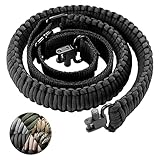
- ARS Mark9.2
ARS Mark is a ranking system developed by bestairriflescopes.com. ARS Mark has no relationship or impact from any manufacturers or sales agent websites. Learn more
- BrandCVLIFE

- ARS Mark9.2
ARS Mark is a ranking system developed by bestairriflescopes.com. ARS Mark has no relationship or impact from any manufacturers or sales agent websites. Learn more
- BrandCaldwell

- ARS Mark8.8
ARS Mark is a ranking system developed by bestairriflescopes.com. ARS Mark has no relationship or impact from any manufacturers or sales agent websites. Learn more
- BrandBlue Force Gear

- ARS Mark8.8
ARS Mark is a ranking system developed by bestairriflescopes.com. ARS Mark has no relationship or impact from any manufacturers or sales agent websites. Learn more
- BrandS2Delta
Last update on 2026-05-31 / Affiliate links / Images, Product Titles, and Product Highlights from Amazon Product Advertising API
How To Wear A Rifle Sling
Long walks through rough terrain can wear down your shoulder faster than most people expect. A rifle that keeps bouncing against your side or sliding off your jacket turns every step into a small annoyance that slowly builds into real fatigue. That’s usually the point where how to wear a rifle sling stops being a casual thought and starts becoming something worth fixing properly. A good setup creates better balance, smoother movement, and noticeably less strain during long hours outdoors.
Why Sling Position Changes Everything
Most sling problems don’t come from the rifle itself. Poor positioning causes the majority of discomfort people complain about after a hunt or range session. A sling sitting too low allows the rifle to swing constantly, while a sling riding too high can pull awkwardly against the neck. Small adjustments create a surprisingly big difference in comfort, stability, and overall control.
Cross-body carry setups have become more common because they distribute weight more evenly across the torso. Instead of hanging entirely from one shoulder, the rifle rests closer to the chest where movement feels more natural. That matters a lot during longer walks or uneven terrain. Loose positioning might feel relaxed at first, but eventually the constant shifting becomes irritating.
Traditional shoulder carry still works well in open fields or shorter trips. It gives quicker access in many situations and feels familiar to plenty of experienced shooters. The downside shows up during active movement. Climbing fences, walking downhill, or moving through brush exposes how unstable that setup can feel if the sling isn’t adjusted correctly.
Explore smarter carry setups with magnum rimfire rifles and ammo for squirrel hunting if lightweight movement and field comfort matter during longer days outdoors. Sling balance becomes even more important once gear weight starts adding up.
Common Mistakes That Cause Shoulder Fatigue
Tightening the sling too aggressively creates one of the most common problems people run into. A rifle pulled tightly against the body may seem more secure, but excessive tension creates pressure points across the shoulder and upper back. After an hour or two, that pressure starts feeling heavier than the rifle actually is. The body compensates awkwardly, and posture slowly falls apart.
Thin slings often create another issue. Narrow straps dig into the shoulder once the rifle weight settles in over time, especially while wearing lighter clothing. Wider padded slings spread weight more evenly and reduce rubbing during extended movement. That extra width may feel bulky indoors, though outdoors it often becomes a major advantage.
People also underestimate how much jackets affect sling performance. Slick rain jackets allow straps to slide constantly, while thicker winter layers change how the rifle rests against the body. A setup that feels comfortable during summer may suddenly feel awkward during colder months. That’s why experienced shooters usually make small seasonal adjustments instead of sticking with one fixed length all year.
Bad posture quietly makes everything worse. Leaning forward while carrying a rifle forces the sling to pull unevenly against the neck and shoulder. Relaxed shoulders and a neutral spine reduce fatigue more than people realize. A balanced sling should support natural movement instead of fighting against it every few steps.
Choosing Between Single And Two Point Slings
Single-point slings attract attention because they allow fast transitions and quick access. They work especially well in tighter environments where movement speed matters more than long-distance comfort. The rifle hangs freely from one attachment point, making directional movement easier during dynamic drills. That freedom comes with tradeoffs, though.
Walking long distances with a single-point setup often becomes frustrating. The rifle swings heavily while moving, bumps into the legs, and shifts constantly during uneven movement. Plenty of shooters love them for training environments but dislike them outdoors after a few miles. Comfort usually takes a back seat to speed with this style.
Two-point slings remain popular because they offer a more balanced experience overall. They stabilize the rifle better during walking and reduce excessive movement while climbing or crouching. Adjustability also tends to be better. A quick pull tab can tighten the rifle against the body during movement and loosen it quickly for easier handling.
Compare field-ready setups through long draw compound bow gear discussions if long-distance carry comfort and body positioning matter during outdoor movement. Weight distribution becomes a serious factor once equipment stays on your shoulder all day.
Three-point slings still exist, but many people find them overly complicated for casual use. Extra straps create more retention but also increase snag points around clothing and gear. They can feel cluttered during fast movements or quick transitions. Simpler setups usually end up being easier to live with over time.
Adjusting Sling Length For Better Mobility
Sling length changes how the rifle behaves more than people expect. A rifle hanging too low creates constant bounce while walking, especially during faster movement or uneven terrain. That swinging motion slowly drains energy because the body keeps compensating with every step. Shortening the sling slightly usually improves control almost immediately.
Over-tightening causes a different set of problems. A rifle pinned tightly against the chest limits shoulder movement and slows down access during quick transitions. Tight setups also create tension across the neck and upper back after extended wear. Finding the middle ground matters far more than simply tightening everything down.
The best adjustment often depends on activity. Longer sling settings work well during relaxed walking or stationary periods because the rifle hangs naturally without pulling awkwardly. Shorter adjustments help stabilize movement during climbs, steep terrain, or faster pacing. Experienced shooters constantly fine-tune sling length instead of treating it like a one-time adjustment.
Body size and clothing layers affect positioning too. Thick jackets compress differently than light shirts, changing where the rifle rests during movement. Some people forget to readjust after adding winter gear and then wonder why the setup suddenly feels uncomfortable. Even small strap changes can improve mobility, reduce shoulder strain, and make the rifle feel lighter overall.
Carrying Comfort During Long Outdoor Trips
Long hikes expose bad sling setups faster than almost anything else. A rifle that feels manageable for twenty minutes may become miserable after several hours outdoors. Pressure points build slowly, shoulders tighten up, and arm fatigue sneaks in without much warning. Good sling positioning helps spread weight across larger muscle groups instead of concentrating it in one small area.
Padded slings usually help during extended movement, though they aren’t always perfect for every environment. Thick padding adds comfort but may trap heat during warmer weather. Slimmer slings breathe better and move more freely, but they can become uncomfortable with heavier rifles. Tradeoffs always exist, honestly.
Terrain changes carry comfort dramatically. Flat walking paths create very different movement patterns compared to rocky hills or thick woods. Uneven terrain increases rifle swing and forces constant body adjustments if the sling lacks stability. Tightening the rifle slightly closer to the torso often improves balance during more technical movement.
Upgrade overall outdoor carry strategy with type of bow for beginners guides that focus on manageable gear weight and easier handling in the field. Comfortable equipment usually means longer sessions with less physical wear afterward.
Hydration packs, backpacks, and heavy jackets also compete for shoulder space. Layering too much gear on one side creates uneven weight distribution that slowly strains the back and hips. A balanced setup feels less exhausting because the body moves more naturally. Once everything rides properly together, walking starts feeling smoother instead of clumsy.
Fast Access Versus Secure Retention
Some sling setups prioritize quick access above everything else. Others focus heavily on retention and stability during movement. Neither approach is automatically right or wrong because different environments demand different priorities. A dense wooded trail creates very different needs compared to standing at a shooting range or moving through open fields.
Loose carry positions improve accessibility but sacrifice stability. The rifle becomes easier to shoulder quickly, though it also swings more aggressively while walking. That movement creates noise, throws off balance, and occasionally bangs against knees or equipment. Faster access often comes with more physical annoyance during long movement periods.
Tighter retention setups reduce unwanted motion significantly. The rifle stays closer to the chest or torso where it feels more stable during climbing, crouching, or hiking. Access slows down slightly, but overall fatigue often improves because the body isn’t constantly fighting the rifle’s momentum. Stability matters more than speed in plenty of outdoor situations.
Quick-adjust slings try to bridge both worlds. Pull tabs allow fast tightening or loosening depending on immediate needs. Walking across steep terrain might call for maximum retention, while open movement may benefit from easier accessibility. That flexibility explains why adjustable two-point slings remain so common among experienced shooters.
How Clothing Affects Sling Performance
Cold weather changes sling behavior more than most people expect. Thick jackets create bulk that alters how the rifle rests against the shoulder and chest. Straps that felt perfectly adjusted during warm weather suddenly feel too tight or unstable once winter layers enter the equation. Small changes in clothing thickness completely shift sling positioning.
Slick rain gear causes another headache. Some materials allow the sling to slide constantly during movement, forcing constant readjustment throughout the day. Rubberized sling backing helps reduce that movement and creates better grip against waterproof jackets. Friction matters more than people think during active carry.
Hot weather creates different problems altogether. Sweat increases rubbing and irritation around the neck or shoulder, especially with narrow straps. Lightweight shirts offer less padding between the sling and the body, which makes pressure points more noticeable over time. Wider slings generally feel more forgiving during warmer conditions.
Gloves can affect adjustments too. Smaller buckle systems sometimes become frustrating while wearing thick winter gloves or wet hands. Simpler adjustment hardware usually performs better outdoors because it’s easier to operate quickly without looking down constantly. Little details like that tend to separate comfortable setups from annoying ones after repeated use.
Movement Techniques That Reduce Sling Problems
Walking style influences sling comfort more than many shooters realize. Fast, heavy steps increase rifle bounce and exaggerate swinging movement during uneven terrain. Slower, controlled pacing helps stabilize the rifle naturally without requiring extreme sling tension. Efficient movement saves energy over long distances.
Switching shoulders occasionally can reduce fatigue during all-day carry. Constant pressure on one side creates muscle tightness that slowly spreads into the neck and lower back. Alternating positions gives muscles short recovery periods and prevents soreness from building too aggressively. Plenty of experienced outdoorsmen do this automatically without thinking much about it.
Using the support hand strategically also improves stability. Lightly guiding the rifle during steep descents or faster movement helps reduce excessive swing without fully gripping the weapon. That small amount of control keeps the rifle stable while still allowing relaxed movement. Tiny adjustments often solve bigger comfort issues.
Low crawling, kneeling, or climbing obstacles changes how the sling interacts with the body. Some setups snag easily against packs, jackets, or brush during awkward movement. Practicing those transitions before heading outdoors exposes weak points early. A sling should support movement naturally instead of becoming another obstacle to manage.
Best Ways To Carry A Rifle Sling Comfortably
Hours in the field can turn miserable fast if the rifle keeps shifting around every few steps. Neck tension creeps in slowly. Shoulder fatigue builds without warning. A properly adjusted sling setup changes that entire experience by improving weight balance, reducing unnecessary movement, and helping the rifle stay secure without feeling restrictive. Small details matter a lot once gear stays attached to your body all day.
Why Rifle Weight Feels Worse Over Time
A rifle rarely feels heavy during the first few minutes outdoors. The problem starts after repetitive movement stacks up mile after mile. Every bounce, slide, and awkward shoulder adjustment gradually drains energy from the upper body. Poor sling positioning forces muscles to constantly compensate, which creates soreness faster than most people expect.
Heavier optics increase that strain dramatically. A rifle with a bulky scope setup pulls differently against the shoulder compared to a lightweight configuration. Explore better optic balance through gamo whisper air rifle scope setups that focus on cleaner alignment and more stable carry weight. Excessive front-heavy pressure usually becomes noticeable during longer walks.
Body mechanics play a huge role too. Carrying too much weight on one shoulder creates uneven stress that spreads into the neck and lower back. Some people instinctively lean sideways to compensate without realizing it. That posture shift eventually makes the sling feel heavier than the rifle actually is.
Even sling material changes the experience. Rough webbing can irritate skin and snag clothing, while softer materials move more naturally against jackets and packs. A smoother carry setup allows your body to stay relaxed instead of constantly fighting friction and shifting pressure points.
How To Prevent Rifle Swing While Walking
Rifle swing frustrates almost everybody at some point. The rifle starts moving side to side with every step, then suddenly smacks into your leg or backpack during faster movement. That constant motion becomes exhausting after long periods outdoors. Tightening the sling slightly closer to the torso usually helps stabilize things immediately.
Cross-body carry positions reduce swing better than standard shoulder carry in many outdoor situations. The rifle rests diagonally across the chest or back where movement stays more controlled. That setup also spreads weight more evenly across the body instead of loading a single shoulder nonstop.
Loose slings create extra problems on steep terrain. Walking downhill with too much slack often causes the rifle to bounce aggressively against the body. Some people tighten the sling temporarily during climbs and descents, then loosen it again once terrain levels out. Quick-adjust systems make those transitions much easier.
Support-hand control helps more than people realize. Lightly guiding the rifle during faster walking keeps movement predictable without needing a full grip. Tiny corrections prevent larger swings from building momentum. That relaxed control feels far smoother than constantly wrestling the rifle back into position.
Using A Sling With Backpacks And Heavy Gear
Backpacks complicate sling setups fast. Thick shoulder straps compete for space, create pressure points, and sometimes force the rifle into awkward angles against the body. A setup that feels comfortable without a pack may suddenly become frustrating once extra gear enters the equation. Weight stacking changes everything.
Shortening the sling slightly often helps stabilize the rifle against a loaded backpack. The rifle rides tighter to the body instead of bouncing independently against the pack straps. That extra stability reduces shoulder fatigue and keeps movement smoother through rough terrain.
Large hunting packs create another issue around accessibility. Some sling positions trap the rifle awkwardly behind straps or gear pockets, slowing down movement during quick transitions. Testing sling placement while fully geared up saves a lot of frustration later. Plenty of setups feel good indoors but become awkward outdoors once real equipment gets layered together.
Explore lightweight carry approaches through compound bow for older hunters setups that emphasize reduced shoulder strain and easier movement during long sessions outdoors. Efficient weight distribution becomes more valuable every hour you stay in the field.
Hydration systems, jackets, binocular harnesses, and chest rigs also affect how a rifle sling behaves. Crowded shoulder areas create friction that slowly becomes uncomfortable during long movement periods. Simplifying gear placement often improves carry comfort more than buying additional accessories.
Better Sling Positioning For Cold Weather
Winter clothing changes rifle carry dramatically. Thick insulated jackets create bulk that shifts how the sling rests against the shoulder and chest. A setup adjusted during warm weather may suddenly feel tight, restrictive, or unstable once heavy layers get added. Small readjustments make a huge difference once temperatures drop.
Slippery outer shells create another common problem. Rain jackets and synthetic winter coats sometimes allow slings to slide constantly while walking. Rubberized backing or textured sling materials help reduce that movement and improve stability. Less sliding means fewer annoying readjustments throughout the day.
Cold weather also affects dexterity. Tiny adjustment buckles become frustrating while wearing gloves or dealing with numb fingers. Simpler hardware systems usually perform better outdoors because they’re easier to manipulate quickly without stopping movement entirely.
Moisture changes comfort too. Wet straps absorb water, become heavier, and sometimes stiffen during freezing conditions. Durable synthetic materials dry faster and maintain flexibility better than cheaper fabric blends. Those small material differences matter a lot once weather conditions turn rough.
Fast Rifle Access Without Sacrificing Comfort
Quick access sounds great until the rifle starts slamming into your knees every few minutes. Plenty of people loosen their sling too much trying to improve accessibility, then spend the rest of the day dealing with uncontrolled movement. A balanced setup allows smoother access while still keeping the rifle stable during walking.
Chest-level carry positions often provide the best middle ground. The rifle stays close enough for rapid handling without swinging wildly during movement. That setup also reduces shoulder strain because the torso helps distribute weight more evenly. Long outdoor sessions usually feel less exhausting with the rifle positioned near center mass.
Practice matters more than equipment sometimes. Repeated movement drills help identify awkward sling lengths, snag points, and poor positioning before real outdoor use. A setup that feels smooth during slow movement may completely fall apart during faster transitions or awkward terrain.
Retention still matters even during faster access setups. A rifle bouncing loosely against gear creates unnecessary noise and fatigue that slowly wears you down. Stable movement tends to improve confidence because everything feels predictable instead of chaotic.
Reducing Neck And Shoulder Strain
Neck pain usually signals poor sling adjustment rather than excessive rifle weight alone. Slings riding too close to the neck create concentrated pressure that spreads tension across the upper back over time. Widening the contact area or adjusting carry angle often reduces discomfort quickly.
Alternating shoulders during long movement periods helps prevent repetitive strain. Some experienced outdoorsmen swap carry positions naturally every hour or so to avoid overloading one side. That small habit keeps muscles from tightening excessively during all-day trips.
Padded slings reduce pressure concentration but can feel bulky in tighter spaces or warmer weather. Slim slings move more freely yet may become uncomfortable with heavier rifles. Tradeoffs always exist, so comfort depends heavily on rifle weight, terrain, and how long the rifle stays carried.
Stretching shoulders before long outings helps more than most people admit. Tight muscles fatigue faster and react poorly to uneven loads during movement. A relaxed upper body allows the sling to work with natural movement patterns instead of constantly fighting against stiffness and tension.
How Experience Changes Sling Preferences
Newer shooters often prioritize quick handling above everything else. Faster access feels exciting, and looser setups seem more comfortable initially. After longer outdoor sessions, though, stability usually becomes a much bigger priority. Fatigue changes how people evaluate their sling setup.
Experienced outdoorsmen tend to value consistency over flashy movement speed. A rifle that stays stable, quiet, and comfortable hour after hour becomes easier to trust during real field conditions. Comfort starts affecting focus once fatigue sets in.
Terrain exposure changes preferences too. Flat range sessions rarely expose the same problems that steep hills, muddy trails, or thick woods reveal. Movement becomes less predictable outdoors, which makes retention, balance, and weight control much more important over time.
Gear setups evolve naturally after enough experience. Some people move toward lighter rifles. Others change sling width, material, or attachment points after repeated discomfort during long trips. The best setup usually comes from solving real frustrations rather than chasing trendy configurations.


12 Best 22 Pcp Air Rifle For Hunting of 2026 With Quiet Power

7 Best 22 Pcp Air Rifle Under 300 of 2026 For Backyard Pest Control

10 Best 22 Break Barrel Air Rifles of 2026 For Backyard Pest Control

10 Best 30 Caliber Pcp Air Rifle of 2026 For Medium Game

Top Best 177 Air Rifle Under 100: Budget-Friendly Picks for 2026

How to Safely Reload Shotgun Shells at Home

11 Best Co2 Air Rifle For Pest Control of 2026 To Ensure Humane Dispatch

12 Best Inexpensive Air Rifles of 2026 For Dependable Backyard Accuracy






