
Is Archery Good for Your Body and Mind?

A quiet afternoon at a local range looks deceptively easy, filled with the soft thud of arrows hitting target foam and shooters standing almost motionless on the grass. The truth is that archery builds genuine upper body strength and mental focus, working your back, core, and posture with every draw. Holding steady against the tension challenges your muscles far more than watching from the sidelines suggests.
How much good it does depends on the pulling resistance you choose and the way you move. Grabbing a bow that feels too heavy strains sensitive shoulder joints, especially when you pull with your arms instead of squeezing your back muscles together. Anyone with pre-existing neck or spinal trouble also needs to tread carefully. Here is a clear look at what shooting does for your body, how it calms your mind, and how to stay injury-free.
What muscles does pulling a bow actually work?
Many beginners assume that drawing a bow relies entirely on arm strength. It is easy to watch someone draw a bowstring (the main string pulled to fire the arrow) and think the biceps and forearms do the work. In reality, relying on your arms quickly causes muscle strain. Archery is primarily an upper back workout powered by muscles that daily desk work often leaves weak.
Drawing the bowstring properly brings your shoulder blades together across your spine. This engages your rhomboids, latissimus dorsi, and your middle and lower trapezius. These large muscles are built for heavy pulling. Once the string reaches your anchor point (the fixed touch point on your jaw, cheek, or mouth corner where your hand rests each shot), your back muscles hold that load while you aim.
Your opposite arm works just as hard. Your bow arm holds the central bow handle or rigid frame, known as the riser. This arm pushes firmly toward the target, engaging your deltoids, triceps, and rotator cuff muscles. Keeping that arm stable without letting your front shoulder collapse builds deep joint strength.
Your core and lower body provide the foundation. Your abdominals, lower back, and glutes contract to lock your hips in place so you do not sway. Standing tall with balanced weight counteracts hours of slouching, helping pull your shoulders back and open up your chest over time.
How does shooting an arrow calm your mind?
Archery provides a distinct mental reset because it demands complete focus in the present moment. You cannot shoot accurately while worrying about work or looking at a screen. If your mind drifts or your breathing turns shallow, your hands shake, your anchor slips, and your shot flies wide. The sport forces you to clear away distractions and focus on a repeatable physical routine.
That routine is your shot sequence. Every time you step to the line, you follow the same rhythm: set your stance, place your fingers on the string, lift the bow, draw back smoothly, settle into your anchor, aim, and release. This repetition acts like a moving meditation. The predictable cycle gives your brain a quiet pattern to focus on, sweeping away daily stress.
Breathing deepens this calming effect. Archers inhale as they draw the string and let out a partial breath while settling their aim. This measured breathing lowers your heart rate and soothes your nervous system.
Visual focus also quiets the mind. While some archers close one eye to aim, many choose shooting archery with both eyes open to keep peripheral vision natural and reduce facial tension. Locking both eyes gently on the target center trains your brain to ignore background clutter, giving you a clean mental break.
Does archery count as real physical exercise?
Because archers stand still while aiming, observers often wonder if the sport offers real physical exercise. Archery may not look like running, but the physical effort builds quickly during an hour on the range. It combines low-impact holding with repeated resistance work and steady walking.
Consider the total weight moved during a normal practice. If your bow has a draw weight (the pull resistance or effort needed to pull the string back, measured in pounds) of 25 lbs, shooting one hundred arrows means your back and shoulders move 2,500 total pounds. Lifting and controlling that resistance builds lean muscle tone without jarring your joints.
You also do substantial walking. Archery is active because of ends (a set group of arrows shot before walking down to score and retrieve them). After shooting five or six arrows, you walk 20 to 70 meters downrange to the targets. You pull your arrows, check the shafts, walk back, and repeat that trip ten to fifteen times.
By the end of a session, you easily cover two or three miles on foot without realizing it. Walking, pulling arrows, and repeatedly drawing your bow elevates your heart rate into a steady fat-burning zone. It provides a rewarding workout for anyone who dislikes typical gym routines.
Can shooting a bow hurt your back or shoulders?
Any resistance sport carries a risk of strain if you do not respect your limits. In archery, injuries rarely come from sudden impacts. They develop from repetitive stress, flawed technique, or pulling more weight than your body can handle. The most vulnerable areas are your rotator cuff tendons, elbow joints, and neck.
The main danger for beginners is overbowing (pulling a bow that is too heavy for your current strength). When pulling resistance is too high, your back cannot complete the draw smoothly. Your body compensates by hiking your shoulder toward your ear and yanking with your arm. That awkward twist pinches delicate tendons in the shoulder socket, leading to bursitis or tendon tears.
You can protect your joints and keep shooting comfortably with this safety checklist:
- Check your draw weight: If you cannot pull the string straight to your face without twisting your torso or shaking, the bow is too heavy. Drop to a lower poundage immediately.
- Keep your drawing shoulder down: Roll your shoulders down and back before you draw. Never let your drawing shoulder shrug up toward your ear.
- Rotate your bow elbow outward: Turn the inside hinge of your bow elbow away from the string path. This prevents string slap (the string hitting the forearm upon release) and keeps your shoulder seated safely.
- Use protective gear: Always wear an arm guard (a protective forearm pad or sleeve) and a finger tab or shooting glove (a protective leather pad shielding fingers from string pressure) to protect skin and nerves.
- Never dry fire: Avoid a dry fire (releasing a drawn bowstring without an arrow). Without an arrow to absorb the energy, the shock wave shatters bow limbs (the flexible upper and lower arms that bend to store energy) and risks severe personal injury.
- Heed joint pain: Mild muscle soreness the next day is normal. But sharp or pinching pain in your shoulder or elbow means you must stop and rest.
How do you start shooting without hurting yourself?
Building a healthy archery routine requires a gradual approach. Jumping into heavy bows before your tendons adapt can lead to chronic inflammation. Follow these steps to build a safe foundation from your first session:
- Warm up your shoulders and spine: Spend five minutes on arm circles, shoulder rolls, and torso twists. This increases blood flow and joint fluid in your rotator cuffs, keeping tendons elastic before pulling any weight.
- Choose a light starting poundage: Adult beginners should select a recurve bow (a bow with limb tips curving away from the archer for extra speed) with a draw weight between 15 and 25 lbs. Starting light lets you learn proper back alignment without straining.
- Set a fixed anchor point: Draw the string in a level line to a specific touch point on your jawbone or cheek. Touching the exact same spot on every shot prevents overextending your shoulder.
- Draw with your back muscles: Pull your drawing elbow straight behind you, squeezing your shoulder blade toward your spine. Keep your fingers relaxed as simple hooks holding the string.
- Keep early sessions short: Limit your first practices to 30 or 40 arrows. Rest thirty seconds between shots, and stop whenever your bow arm dips or your posture wavers. Short, consistent practices build endurance safely.
Should you practice with an archery training band first?
If you want to build upper body endurance, improve your posture, and practice muscle coordination before shooting live arrows at a range, an archery resistance trainer is a helpful tool. These training devices use elastic bands or rubber cords attached to a handle to mimic the physical sensation of drawing a real bow. They give you a safe, quiet way to strengthen your back muscles at home while completely removing the risk of arrow misfires or dry fire damage.
When choosing a resistance training tool, keep a few practical features in mind:
- Adjustable resistance levels: Choose a trainer that lets you change the pull resistance. Starting with a light pull lets you focus on joint mechanics, while adding resistance builds strength as your back adapts.
- A realistic handle grip: Look for a trainer with an ergonomic handle shaped like an authentic bow grip. A realistic handle teaches your hand to rest at a relaxed angle without squeezing the frame, preventing bad habits on a live bow.
- Full draw length travel: Ensure the elastic cord stretches comfortably to your full draw length without bottoming out. You need smooth travel to reach your face anchor point naturally.
- Durable, covered elastic tubing: Check that the resistance cords are made from high-grade rubber or latex, ideally wrapped in protective sleeves. A covered band shields the elastic from wear and prevents it from snapping against your skin if it wears out.

- ARS Mark9.4
ARS Mark is a ranking system developed by bestairriflescopes.com. ARS Mark has no relationship or impact from any manufacturers or sales agent websites. Learn more
- BrandAstra Archery

- ARS Mark9.2
ARS Mark is a ranking system developed by bestairriflescopes.com. ARS Mark has no relationship or impact from any manufacturers or sales agent websites. Learn more
- BrandKAINOKAI

- ARS Mark9.2
ARS Mark is a ranking system developed by bestairriflescopes.com. ARS Mark has no relationship or impact from any manufacturers or sales agent websites. Learn more
- BrandBOW TRAINER
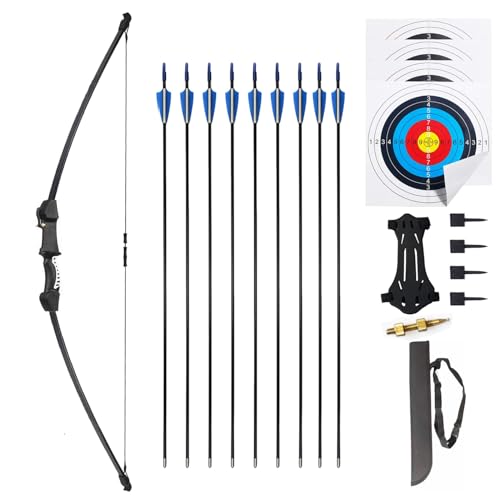
- ARS Mark9.0
ARS Mark is a ranking system developed by bestairriflescopes.com. ARS Mark has no relationship or impact from any manufacturers or sales agent websites. Learn more
- BrandMxessua

- ARS Mark8.8
ARS Mark is a ranking system developed by bestairriflescopes.com. ARS Mark has no relationship or impact from any manufacturers or sales agent websites. Learn more
- BrandSAS

- ARS Mark8.8
ARS Mark is a ranking system developed by bestairriflescopes.com. ARS Mark has no relationship or impact from any manufacturers or sales agent websites. Learn more
- BrandTuttle Publishing
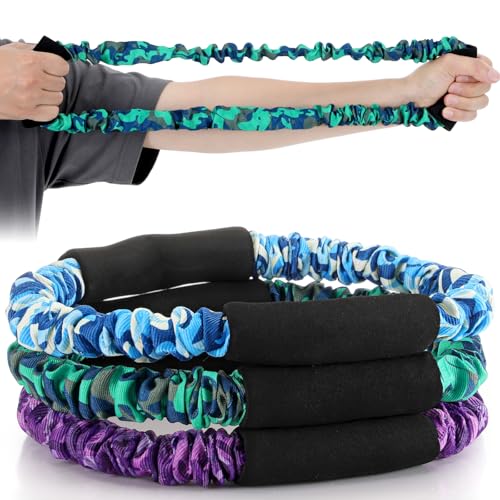
- ARS Mark8.4
ARS Mark is a ranking system developed by bestairriflescopes.com. ARS Mark has no relationship or impact from any manufacturers or sales agent websites. Learn more
- BrandRoundFunny
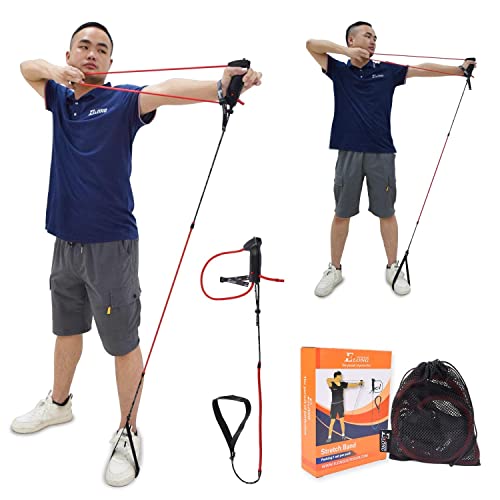
- ARS Mark8.2
ARS Mark is a ranking system developed by bestairriflescopes.com. ARS Mark has no relationship or impact from any manufacturers or sales agent websites. Learn more
- BrandELONG OUTDOOR
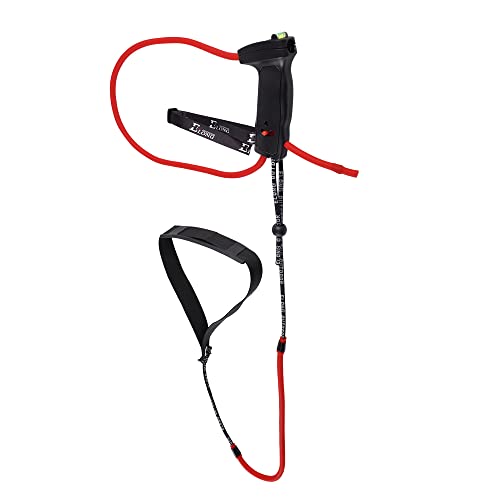
- ARS Mark8.2
ARS Mark is a ranking system developed by bestairriflescopes.com. ARS Mark has no relationship or impact from any manufacturers or sales agent websites. Learn more
- BrandNIKA ARCHERY

- ARS Mark7.6
ARS Mark is a ranking system developed by bestairriflescopes.com. ARS Mark has no relationship or impact from any manufacturers or sales agent websites. Learn more
- BrandSPG

- ARS Mark6.8
ARS Mark is a ranking system developed by bestairriflescopes.com. ARS Mark has no relationship or impact from any manufacturers or sales agent websites. Learn more
- BrandMoyujian
Last update on 2026-09-29 / Affiliate links / Images, Product Titles, and Product Highlights from Amazon Product Advertising API
FAQs
Can older adults or seniors practice archery safely?
Archery is an accessible, low-impact sport for seniors because it does not involve running, jumping, or jarring impacts. Older archers can choose lightweight bows with modest pulling resistance to match their comfort. It provides an enjoyable way to maintain core stability, shoulder flexibility, and upright posture.
How many times a week should a beginner shoot?
Shooting two or three times a week for about 45 minutes provides an ideal balance for beginners. This routine gives your back muscles and tendons enough stimulus to grow stronger while offering necessary rest days between sessions to prevent overuse strain. Consistency matters far more than long, exhausting sessions.
Does archery help fix poor computer posture?
Archery helps counteract rounded desk shoulders and slouching. Drawing a bowstring forces you to retract your shoulder blades, stretch tight chest muscles, and brace your core. Over time, this muscle memory carries over into daily life, making it feel natural to sit and stand tall.
Do you need big arm muscles to draw a bow?
You do not need large biceps or heavy arm strength to shoot a bow well. Proper technique relies on the large muscles of your upper back, such as the rhomboids and latissimus dorsi. Archers of all sizes and strength levels can shoot accurately once they learn to pull with their back.


12 Best 22 Pcp Air Rifle For Hunting of 2026 With Quiet Power

7 Best 22 Pcp Air Rifle Under 300 of 2026 For Backyard Pest Control

10 Best 22 Break Barrel Air Rifles of 2026 For Backyard Pest Control

10 Best 30 Caliber Pcp Air Rifle of 2026 For Medium Game

Top Best 177 Air Rifle Under 100: Budget-Friendly Picks for 2026

How to Safely Reload Shotgun Shells at Home

11 Best Co2 Air Rifle For Pest Control of 2026 To Ensure Humane Dispatch

12 Best Inexpensive Air Rifles of 2026 For Dependable Backyard Accuracy






