
Is the Dragon Crossbow Worth It for Backyard Targets?

A Dragon pistol crossbow is worth it only for casual target practice at short range against paper or soda cans. That value disappears completely if the goal is hunting game or finding a tough piece of gear built for heavy use. While it offers cheap afternoon entertainment, the lightweight frame and basic hardware limit what it can safely do.
Making the right call depends on how much patience goes into routine upkeep and safety. The cord needs regular wax to avoid fraying, and the internal trigger catches require careful handling to prevent misfires and broken parts. It also depends on keeping expectations realistic, because pushing this small bow past fifteen yards quickly leads to wild shots and bent arrows. Here is how its real-world performance holds up before spending any money.
The Dragon Crossbow Fits Casual Backyard Plinking Only
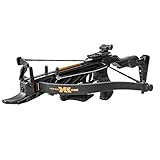
The Dragon pistol crossbow is a handheld archery tool built for close-range recreation. It relies on an 80-pound pull weight, which is the muscular effort needed to pull the bowstring back into the cocked position. Unlike full-sized shoulder-mounted models, this bow is compact enough to shoot with one or two hands. It fires short 6.5-inch aluminum or plastic bolts at paper targets, cardboard boxes, or empty soda cans. For a beginner wanting simple weekend fun without spending much money, it offers a quick way to practice basic target archery in a small backyard.
This platform works well for casual plinking under ten yards. It helps you practice basic shooting mechanics, sight alignment, and trigger control without the storage bulk or complex maintenance of full-sized archery gear. The simple design appeals to hobbyists who want low-stakes fun without an intimidating setup process.
The bow does not suit anyone looking for serious precision or hunting capability. Many beginners wonder if an 80-pound mini crossbow can harvest small game like squirrels or rabbits. The plain answer is no. State wildlife agencies mandate minimum pull weights of 40 pounds on full-sized bows, along with specific arrow lengths and broadheads. While 80 pounds sounds heavy, the ultra-short power stroke of a pistol bow generates very little kinetic energy. The lightweight bolts lose speed within a few yards, wounding small game rather than ethically harvesting it. Hunting with a pistol crossbow is also illegal in almost every jurisdiction.
Shooters who plan to hunt game need a full-sized setup designed for the field. You can check a dedicated hunting crossbow with safe cocking features to see how heavy full-length arrows and legal broadheads create humane harvesting energy. The Dragon pistol bow is strictly an entry-level backyard toy for informal target practice.
Targets Past Fifteen Yards Are Out of Reach
Accuracy with a budget pistol crossbow drops off rapidly as distance increases. Within seven to ten yards, the bow can group bolts inside a four-inch circle on a paper target, making it easy to hit soda cans. Beyond fifteen yards, the short aluminum bolts begin to wobble in flight. The small plastic vanes, which are the flexible steering wings on the tail of the bolt, lack the surface area to stabilize the shaft over longer flights. Even a gentle breeze pushes a lightweight bolt several inches off target.
The factory sights also limit precision. Inexpensive pistol bows feature basic plastic sights. You will find an up-and-down adjustment screw that changes elevation and a side-to-side knob that adjusts for wind drift. Every time you squeeze the trigger, vibration slams through the frame. This vibration causes the plastic adjustment screws to loosen after ten to twenty shots. Once the screws slip, your point of aim changes completely, forcing you to stop and re-tighten the sights.
Backyard safety requires careful planning even with a small bow. An 80-pound pull weight launches an aluminum bolt with enough force to pierce skin or penetrate drywall. Never shoot at rigid surfaces like brick walls, concrete foundations, or wooden fences. A metal-tipped bolt hitting a brick wall will bend the shaft, shatter the nock, or bounce backward toward you. Missed shots can also glance over a fence and create hazards for neighbors or pets.
A safe backyard range requires a soft, deep target backstop. An archery foam block works well, but a homemade backstop works just as effectively. Pack a sturdy cardboard box tightly with old folded blankets, discarded clothing, or dense rags. When a bolt hits packed fabric, friction slows it down and stops it without bending the shaft. Always position your backstop against an open lawn or dirt berm, well away from pathways, children, and neighboring yards.
Cheap Hardware Causes Rapid Wear and Dangerous Breakage
Budget pistol crossbows rely on low-cost materials that wear out quickly under mechanical stress. Inspecting these parts regularly prevents breakdowns and reduces the risk of accidental discharge.
Check the Trigger Latch for Rounding
The trigger latch is the internal metal catch that hooks onto the bowstring to hold it under full tension. On budget models, this latch is often stamped from soft pot metal rather than hardened steel. Every time you cock the bow, the bowstring scrapes across this metal catch. Over time, that edge rounds off. A rounded latch can slip spontaneously while you load a bolt or aim downrange. If you see burrs, rounded edges, or metal shavings around the latch, stop using the bow immediately.
Inspect the Limbs for Surface Splinters
The limb is the flexible arm that bends backwards to store energy when you draw the string. Examine both arms in direct light before shooting. Run a dry cotton ball along the fiberglass edges. If cotton catches on tiny fibers, the limb has begun to splinter. Shooting a cracked limb is dangerous because it can snap under tension, throwing sharp fiberglass fragments toward your face.
Verify That the Limb Tips Are Secure
The limb tips are the plastic end caps fitted onto each end of the fiberglass limb to hold the string loops. Every shot sends a heavy shock wave directly into these plastic caps. On budget bows, limb tips often split down the center seam or pop loose. If a tip cracks during a shot, the string detaches instantly, causing the limbs to slap forward unchecked.
Monitor the String Serving for Separation
The serving is the protective thread wrapped around the center of the bowstring where it contacts the flight rail, which is the track where the bolt rests. The string rubs against this track with high friction on every shot. Without regular string wax, the friction generates heat and cuts through the serving thread within twenty to thirty shots. Once the serving thread unravels, the bare inner strands of the string will snap under tension.
Tighten the Frame Mounting Hardware
A single center bolt holds the flexible limb securely against the main bow frame. The repeated shock of shooting vibrates this bolt loose over time. If the mounting bolt backs out even a fraction of a turn, the limb will shift crookedly. A crooked limb throws your aim off and places uneven mechanical strain on one side, which can cause early limb failure.
Proper Cocking Technique Protects Your Fingers and Limbs
Operating a pistol crossbow requires steady, deliberate steps. Rushing the process leads to pinched fingers, damaged bolts, or dry-fires that ruin the bow. Follow these steps on every shot to ensure safe operation.
- Inspect your equipment: Verify that the string serving is intact and waxed. Check that limb tips sit tight. Pick up your bolt and gently flex the shaft in your fingers to confirm the aluminum tube is straight and crack-free.
- Keep your hands clear of the rail: Hold the bow firmly by the grip with your supporting hand. Keep all fingers and thumbs positioned low on the frame, well below the rail track where the bolt rests. If the string releases while your thumb sits on the track, the forward snap will cause severe bruises or cuts.
- Draw the cocking lever smoothly: The bow features a rear cocking lever, which is the handle that pulls the string back. Grasp the lever firmly and pull backward in a smooth motion until you hear a clear mechanical click, confirming the string engaged the trigger latch.
- Reset the lever and verify the safety: Most pistol crossbows feature an automatic safety switch that engages when cocked. Confirm the safety is on, then push the lever forward until it locks flat against the frame so it will not obstruct the bowstring.
- Slide the bolt into the track: Place a 6.5-inch bolt onto the rail from the front. Slide the bolt backward under the thin metal arrow retaining spring until the flat rear nock rests firmly against the bowstring. Never drop the bolt from above, and never place your fingers directly in front of the arrow tip.
- Aim, release the safety, and shoot: Point the bow downrange at your backstop. Recheck that the line of fire is clear. Move the safety switch to the fire position, align your sights on the target, and squeeze the trigger smoothly without jerking the grip.
Avoiding a dry-fire is the most critical safety rule in archery. A dry-fire means pulling the trigger and shooting the bow without an arrow on the rail. When a bolt is loaded, it absorbs the kinetic energy released by the limbs. When fired empty, that violent energy slams directly back into the limbs, string, and frame. A single dry-fire can shatter fiberglass limbs, pop plastic limb tips, and send sharp debris flying. Never touch the trigger unless a verified bolt is seated firmly against the bowstring.
Look for Self-Cocking Pistol Bows with Metal Latches
If you want a dependable backyard target bow that lasts longer than a few weekends, look for a sturdier self-cocking pistol crossbow built with durable components. Inexpensive novelty bows rely on thin stamped metal and fragile plastic, but better-engineered models use reinforced frames and reliable mechanical safeties that make shooting far more enjoyable.
When shopping for a safer backyard bow, prioritize these design features:
- Hardened steel internal latches: Choose a model built with a hardened steel trigger catch rather than soft stamped pot metal. A steel latch resists rounding, holds the string securely under full draw, and prevents accidental discharges.
- Cast aluminum frame or dense polymer: A rigid frame prevents the flight track from twisting when the bow is drawn. A stiff aluminum rail provides a smooth surface for the bolt and reduces friction on the bowstring serving.
- Reinforced cocking pivot points: Look for a rear cocking lever that uses a thick steel pivot pin and durable linkage arms so you can draw the string evenly without bending the handle.
- Integrated sight rails: Look for models equipped with a standard top rail track. A standard rail allows you to replace flimsy open sights with a small red dot optic that will not shake loose from shot vibration.
- Automatic safeties: Look for a trigger pack that automatically engages the safety every time the string is drawn, preventing accidental firing while handling the bow.
- Readily available replacement parts: Crossbow strings and limb tips are normal wear items that require periodic replacement. Ensure the manufacturer offers spare strings, replacement end caps, and standard 6.5-inch target bolts.
A well-built pistol crossbow provides safe, low-cost target practice for shooters who respect its limits. If your goals expand toward long-range target precision or legal hunting, transition to a full-sized setup like a complete hunting crossbow package with optical sights and shoulder stocks. For casual plinking in the yard, choosing a pistol model with sturdy latches and reinforced levers will give you dependable performance without the headaches of cheap hardware.
- ARS Mark8.5
ARS Mark is a ranking system developed by bestairriflescopes.com. ARS Mark has no relationship or impact from any manufacturers or sales agent websites. Learn more
- BrandBear X

- ARS Mark7.5
ARS Mark is a ranking system developed by bestairriflescopes.com. ARS Mark has no relationship or impact from any manufacturers or sales agent websites. Learn more
- BrandKrause Publications

- ARS Mark7.3
ARS Mark is a ranking system developed by bestairriflescopes.com. ARS Mark has no relationship or impact from any manufacturers or sales agent websites. Learn more
- BrandBloomsbury
Last update on 2026-10-20 / Affiliate links / Images, Product Titles, and Product Highlights from Amazon Product Advertising API


12 Best 22 Pcp Air Rifle For Hunting of 2026 With Quiet Power

7 Best 22 Pcp Air Rifle Under 300 of 2026 For Backyard Pest Control

10 Best 22 Break Barrel Air Rifles of 2026 For Backyard Pest Control

10 Best 30 Caliber Pcp Air Rifle of 2026 For Medium Game

Top Best 177 Air Rifle Under 100: Budget-Friendly Picks for 2026

How to Safely Reload Shotgun Shells at Home

11 Best Co2 Air Rifle For Pest Control of 2026 To Ensure Humane Dispatch

12 Best Inexpensive Air Rifles of 2026 For Dependable Backyard Accuracy






